


Georgian Silver Accessory
These georgian silver accessory pieces span table implements and personal items forged in sterling silver, plate, horn, tortoiseshell, and agate.
Georgian Silver Accessory
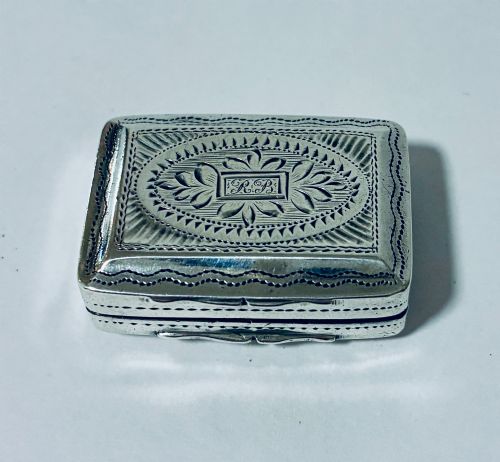
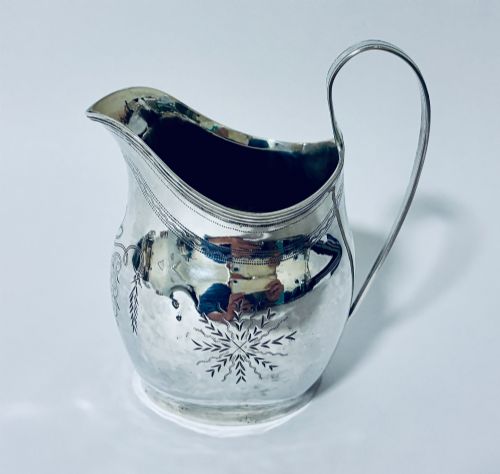
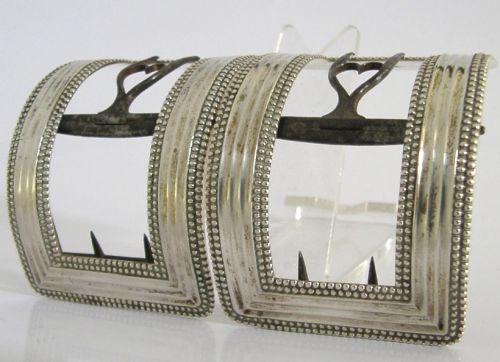
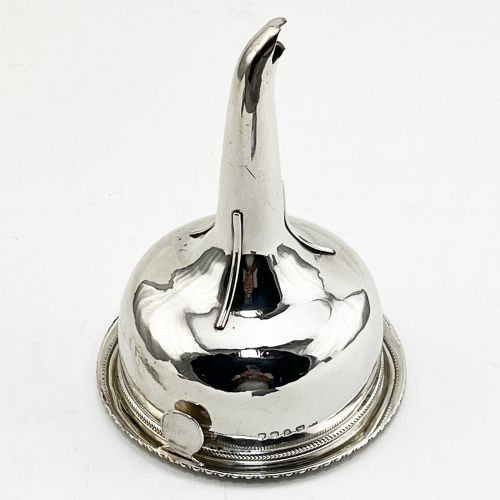
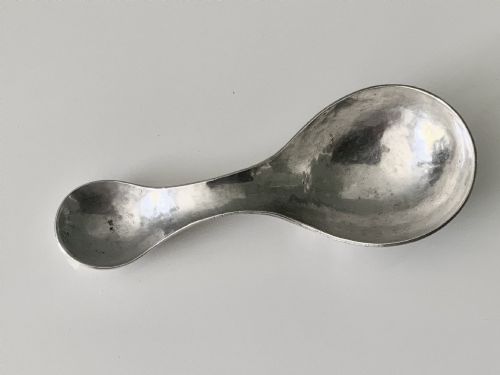
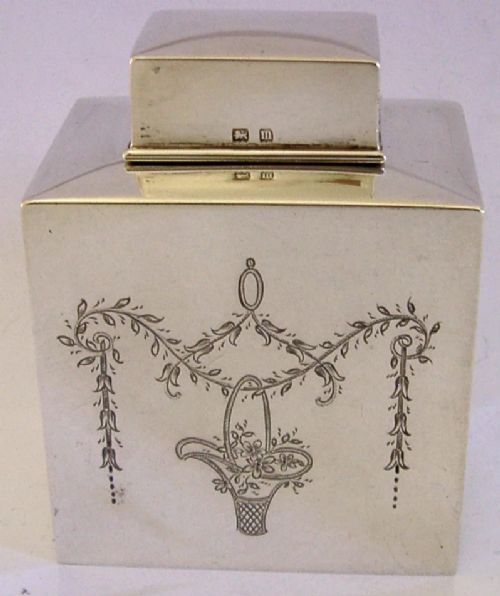
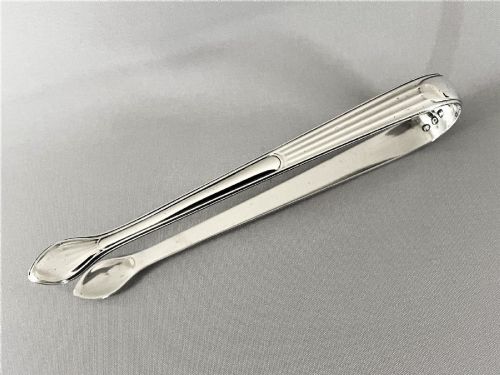
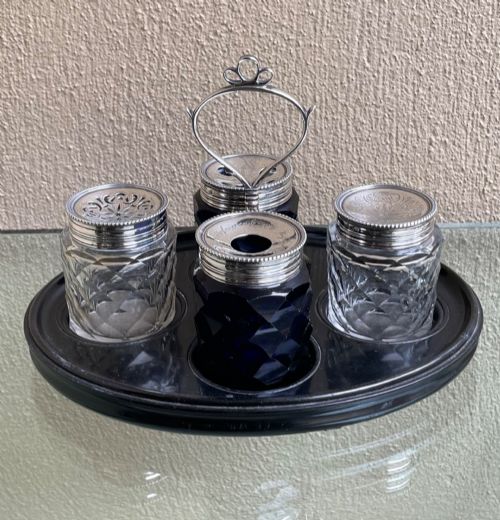
A georgian silver accessory encompasses small functional objects for the desk, dressing table, or dining room, spanning sugar tongs, caddy spoons, wine funnels, shoe buckles, inkstands, and vinaigrette boxes. Most examples belong to the Georgian and Regency periods, stretching from the mid-eighteenth century into the nineteenth.
Buyers will encounter both practical dining pieces, such as meat skewers, marrow scoops, and mustard pots, alongside personal items like scent bottle holders, page turners, and snuff boxes. The selection reflects the domestic routines and social rituals of the era, produced primarily by British silversmiths.
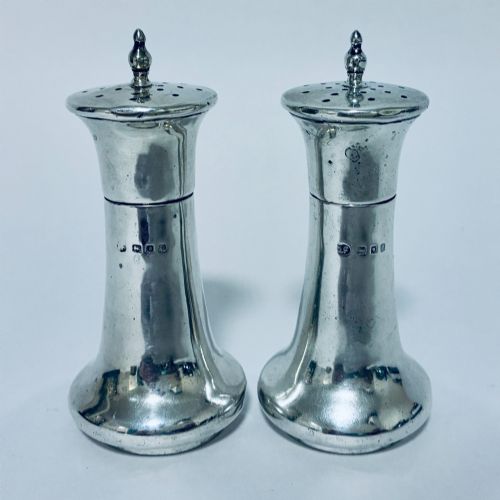
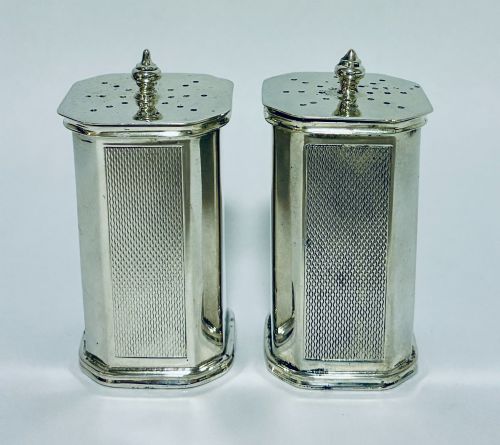
While the core of the inventory dates to the Georgian era, related pieces from later reigns and the early twentieth century appear, demonstrating continuity in traditional forms such as sugar shakers, tea strainers, and pepper pots.
Materials and Construction
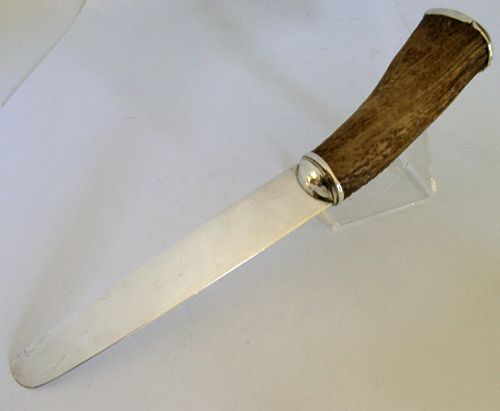
Items are wrought from sterling silver or Old Sheffield plate, often paired with organic materials including tortoiseshell, horn, velvet, ebony, and orange agate to create contrast and texture.
Silversmiths employed techniques such as hammering, piercing, engraving, and embossing, shaping sheet metal into hollowware and cutlery while setting paste stones or mountings into organic substrates.
The inventory spans the eighteenth century, Georgian and Regency periods, through to the Victorian, Edwardian, and Art Deco eras.
Defining Quality
The calibre of a georgian silver accessory rests upon the weight of the metal, the crispness of the chased or engraved detail, and the integrity of any secondary materials like tortoiseshell or agate.
Bateman Family·Dee and Fargus·Solomon Hougham·Charles Fox II·Thomas Tookey
The Georgian Silver Accessory Glossary
- Vinaigrette
- A small ornamental box fitted with an internal pierced grille, designed to hold a sponge soaked in aromatic vinegar. These portable containers were carried in pockets or reticules.
- Mote spoon
- A slender silver spoon featuring a pierced bowl for straining tea leaves and a pointed terminal used to clear tea strainer spouts. They date principally to the eighteenth century.
- Old Sheffield plate
- A composite material made by fusing a thin sheet of silver to a thicker copper base under heat and pressure. It was widely used for tableware before electroplating.
- Marrow scoop
- A long, narrow implement with a small trough at each end, used for extracting marrow from bones during formal dining. Examples often bear hallmarks along the stem.
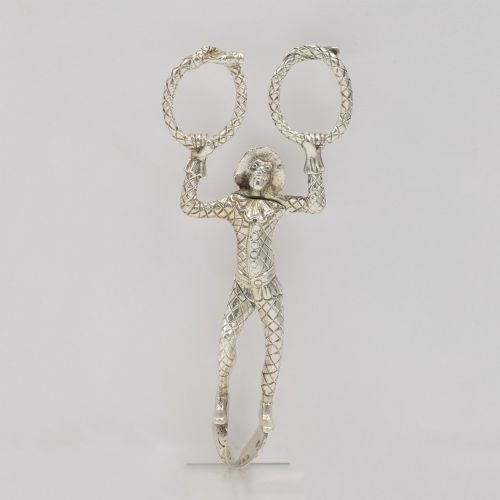
- Sugar nips
- Scissors-like implements featuring small claw or spoon terminals, used for cutting and lifting sugar from loaves before the widespread adoption of granulated sugar.
Georgian Silver Accessory: Frequently Asked Questions
What is a georgian silver accessory used for?
These items served specific functions in eighteenth and nineteenth-century daily life, from serving tea and wine to personal grooming and writing.
Today, collectors use them to set period tables, display on desks, or preserve as fine examples of early silversmithing.
How do I care for silver and tortoiseshell pieces?
Silver requires gentle cleaning with a soft cloth and proprietary polish, avoiding abrasive substances that wear down hallmarks and engraved details.
Pieces combining silver with tortoiseshell, horn, or agate must be kept away from excessive heat and moisture to protect the organic inlays.
How can I tell the date of a piece?
British items usually bear hallmarks that include a date letter, assay office mark, and maker's mark, allowing precise dating against official records.
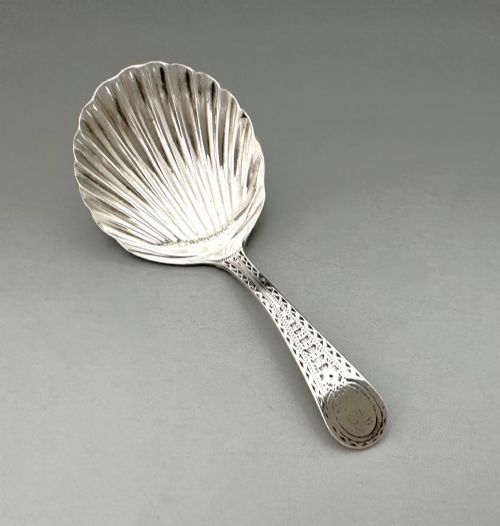
Stylistic cues, such as the shape of shoe buckles or the engraving on a caddy spoon, also indicate the manufacturing period.
What is Old Sheffield plate?
Old Sheffield plate is an early fusion material created by melting a layer of silver onto a copper core, producing a durable substance used for tableware.
Under magnification, subtle hints of copper show along the cut edges and seams of genuine eighteenth and nineteenth-century plated items.