





Georgian Satinwood Cupboard
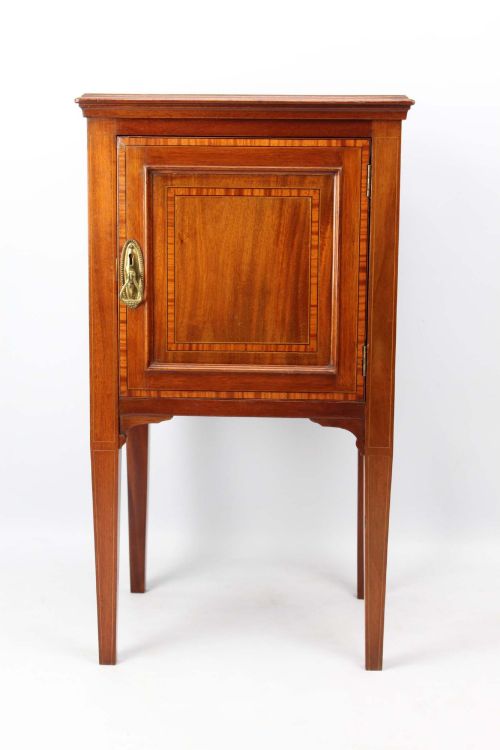
A georgian satinwood cupboard brings pale timber and crisp classical banding into a room, offering both display space and concealed storage.
Georgian Satinwood Cupboard
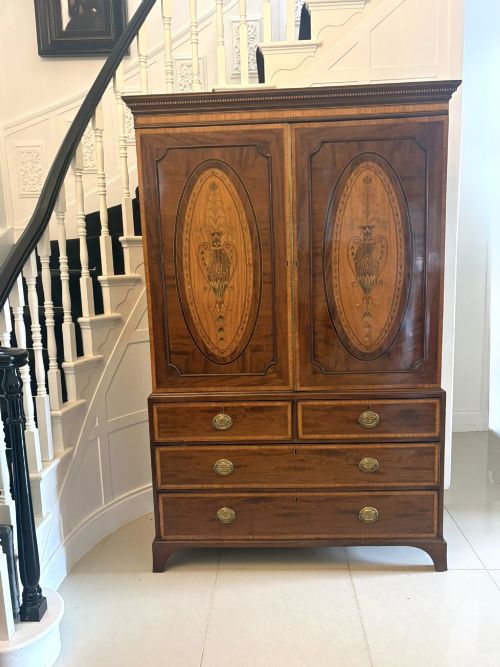
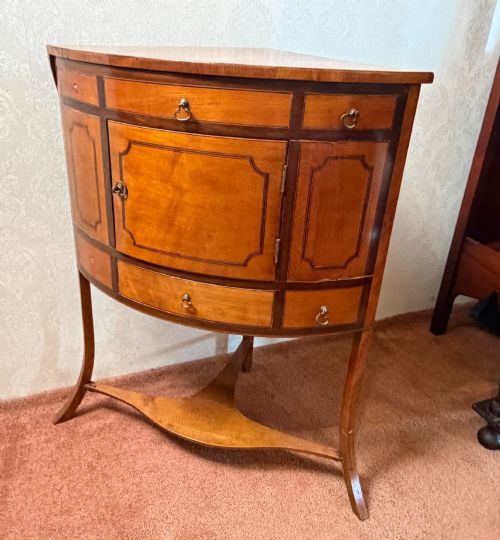
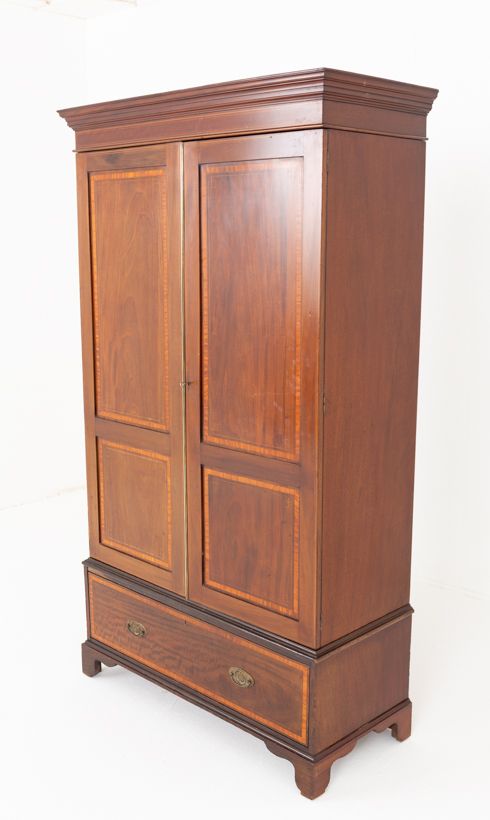
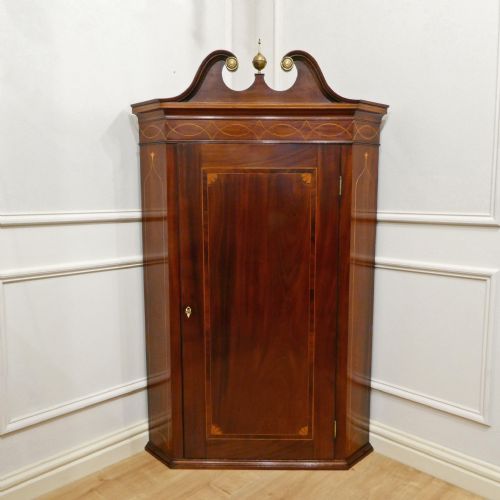
A georgian satinwood cupboard encompasses a range of storage forms, from corner cupboards and linen presses to side cabinets and commodes. Pieces span the eighteenth century, the regency era, and later nineteenth and twentieth-century revivals.
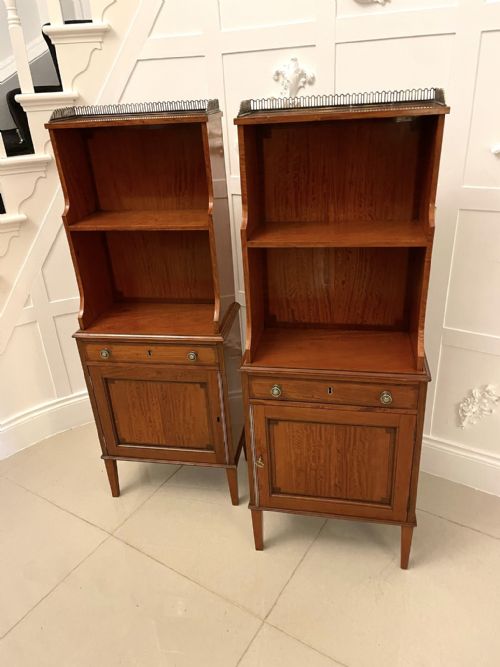
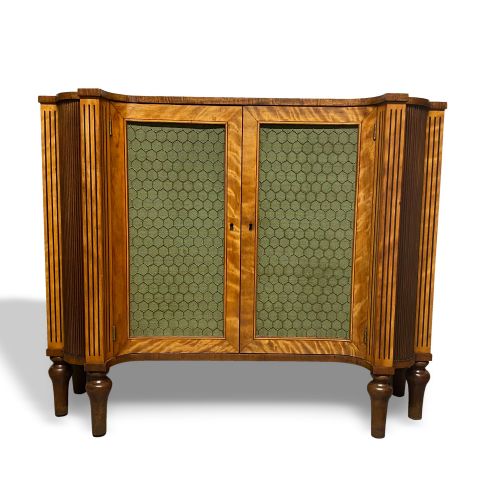
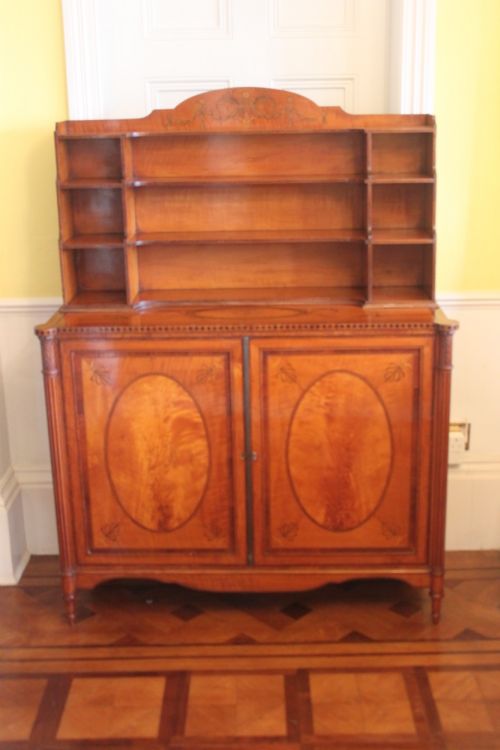
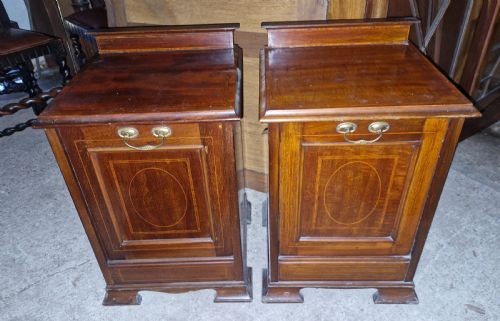
Buyers encounter freestanding side cabinets, display cases with glass doors, and smaller bedside units alongside larger architectural bookcases and wardrobes. Construction draws on periods including the georgian era, the edwardian period, and later revival phases.
Origins stretch from eighteenth-century workshops to nineteenth-century revival makers, employing forms designed for corner placement, bedside use, or prominent wall display.
How they were made
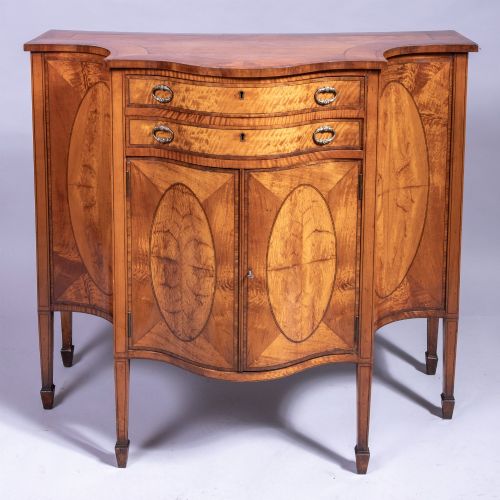
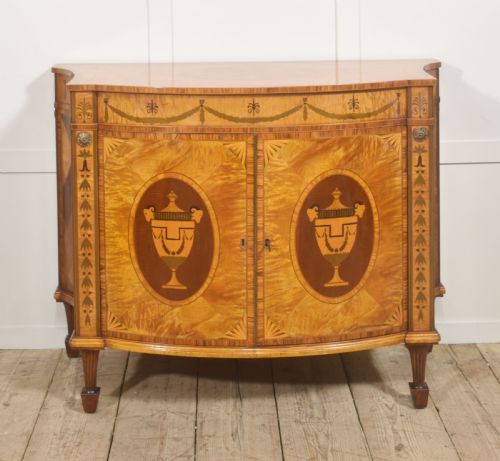
Construction relies upon satinwood veneers and solid timbers such as mahogany, rosewood, and maple, frequently enriched with contrasting banding and marquetry. Workshops incorporated boxwood and ebony stringing to define panel edges and drawers.
Decorative surfaces often feature hand-painted classical motifs, floral panels, and intricate parquetry alongside natural wood grain. Brass hardware provides functional closure and contrast against the pale satinwood ground.
Several folding corner wash stands prove that even morning ablutions required a pale satinwood gleam.
What varies in quality
Quality depends upon the precision of the marquetry, the choice of timber figure, and the preservation of original painted decoration. Finer examples display meticulously matched veneers and crisp brass fittings that complement the proportions of the carcass.
Structural integrity of the timber ground and the crispness of inlaid stringing distinguish superior workshop production from later commercial interpretations.
Gillows·Maple and Co·Ince and Mayhew·Kaufman
The Georgian Satinwood Cupboard Glossary
- Satinwood
- A pale, lustrous timber native to the tropics, prized for its golden sheen and smooth grain. It forms the primary visual surface on many eighteenth and nineteenth-century decorative cabinets.
- Marquetry
- The art of creating decorative patterns on furniture by fitting together small pieces of coloured wood veneers. This technique defines the panels of many commodes and side cabinets.
- Demi-lune
- A half-moon shape characteristic of side cabinets and commodes designed to sit flush against a wall. The curved front often carries painted classical decoration or banded veneers.
- Parquetry
- A geometric mosaic of wood pieces used for covering floors or cabinet surfaces. It offers a structured pattern distinct from floral marquetry.
- Stringing
- Thin lines of contrasting wood inlay used to outline drawers, doors, and tabletops. Boxwood and ebony are typical choices for this delicate border work.
Georgian Satinwood Cupboard: Frequently Asked Questions
What is a georgian satinwood cupboard?
A georgian satinwood cupboard is a storage piece constructed from or veneered in satinwood, originating during the eighteenth century or constructed during later revival periods. These cabinets combine utility with decorative marquetry and banded inlay.
They served various domestic roles, from bedside storage and corner display to linen keeping and formal room presentation.
How do I identify a revival piece?
Revival pieces, often dating from the late nineteenth or early twentieth century, emulate eighteenth-century sheraton and adam designs. They utilise machine-cut veneers and standard historical proportions characteristic of later manufacturing methods.
Examining the interior secondary woods and the style of the brass hardware helps distinguish original eighteenth-century work from later interpretations.
Where should I place a satinwood cabinet?
Satinwood cabinets benefit from placement away from direct sunlight, which can alter the pale golden tone of the timber. Their compact footprint makes them suitable for hallways, drawing rooms, and bedrooms.
Pairing them with neutral walls allows the intricate marquetry and painted panels to remain the focal point of the room.