








Georgian Sampler Framed
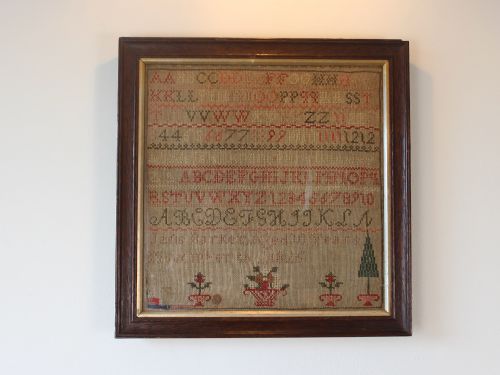
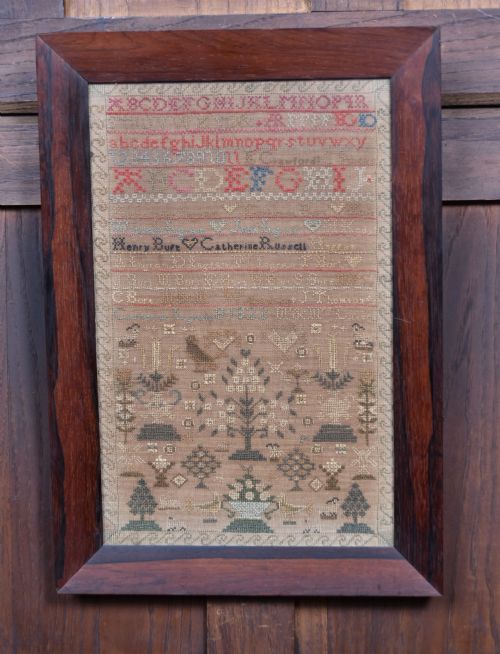
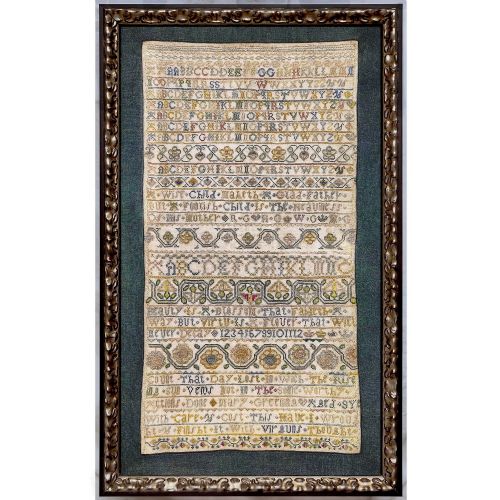
A georgian sampler framed is a piece of historical needlework preserved behind glass in a period wooden mount, offering a tangible link to domestic education centuries ago.
Georgian Sampler Framed
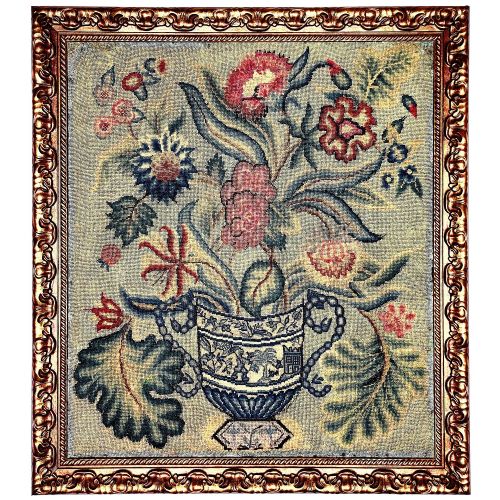
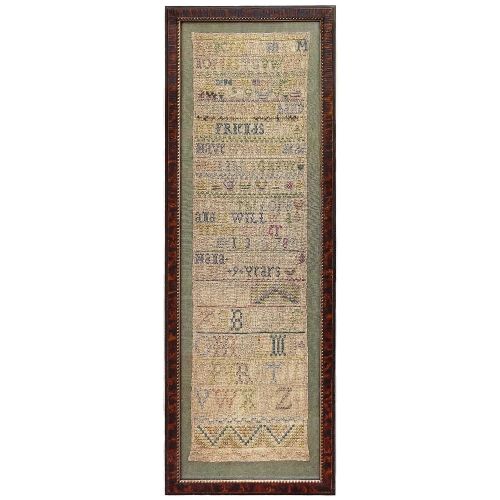
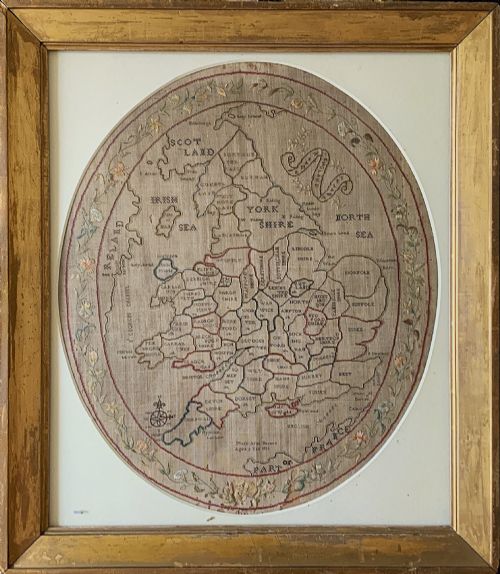
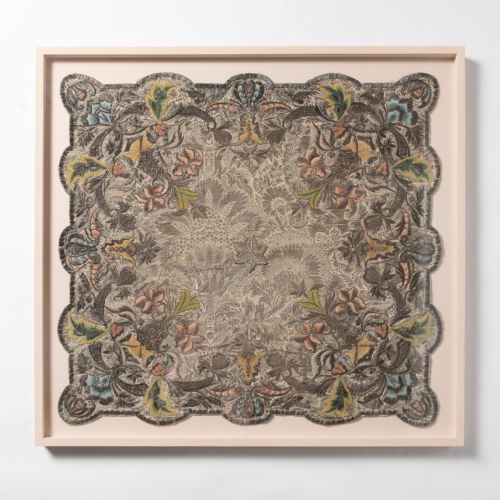
A georgian sampler framed brings together textile art and protective woodwork, capturing the stitching exercises of young makers from the eighteenth and nineteenth centuries. These works include map samplers, alphabet panels, and pictorial needlework created by children and teenagers.
The most common examples on this page date from the eighteenth century through the early nineteenth century. They frequently record the name and age of the maker, alongside dates and moral or religious texts such as the Lord's Prayer and the Commandments.
Originating as practical demonstrations of needle skills, these pieces span formats from simple band samplers to complex cartographic representations. Their survival relies entirely on the contemporary or later frames that protect the delicate linen and silk threads from environmental damage.
How they were made
Makers worked primarily on linen grounds using silk thread, wool, and silk floss. Stitches were executed by hand to form alphabets, figures, and maps, often incorporating detailed pictorial scenes or text.
Protection and presentation were achieved through wood frames fitted with glass. These enclosures shielded the organic textile fibres from dust and handling while allowing the needlework to remain visible on the wall.
Georgian Sampler Framed Retail Price Guide 2026
Typical asking prices for georgian sampler framed among the pieces listed under this phrase on Sellingantiques today, from the lower quarter to the upper quarter. They describe what is for sale here now, not the wider market.
Several makers carefully recorded their youth in thread, leaving behind eternal reminders that they were precisely nine or twelve years old.
What varies in quality
The sophistication of the design and the precision of the needlework distinguish superior examples. Map samplers and narrative pictorials demand greater technical skill and planning than basic alphabet grids.
Survival of materials and legibility of the stitching determine the overall impact of the piece. Clear dating, legible maker signatures, and original framing configurations elevate the historical interest of the work.
Mary Banion·Mary Greening·Louiss Elkins·Elizabeth Horn·Sarah Baker·Mary Mason·Ann B Gilies·Martha Hall·Rachel·Sarah Reading·Jane Pattinson·Eleanor Grady·Susan Mary Williams·Mary Pinfold
The Georgian Sampler Framed Glossary
- Band sampler
- A horizontal strip of varied embroidery stitches used to practice and record patterns. These early formats often show a collection of geometric and floral motifs.
- Map sampler
- An embroidered representation of geography, typically England and Wales, combining cartography with needlework. These geographical pieces served to test both sewing proficiency and spatial knowledge.
- Needlepoint
- A type of embroidery worked on a stiff open-weave canvas or linen ground. The thread completely covers the foundation material to form dense pictorial surfaces.
- Silk floss
- An untwisted or lightly twisted silk fibre used for embroidery. It provides a smooth, glossy finish to specific elements within a needlework picture.
Georgian Sampler Framed: Frequently Asked Questions
What is a georgian sampler framed?
It is an antique textile worked in thread on linen, preserved behind glass within a wood frame. These panels were typically stitched by young girls as practice or demonstration of domestic skill.
Subjects range from simple alphabets and numerals to complex maps, religious texts, and pictorial scenes bearing the maker's name and age.
How can I tell the age of a sampler?
Age is frequently established through stitched dates, names, and stylistic indicators such as the lettering style or the framing materials. Needlework often records the exact year of completion alongside the maker's age.
Period markers in the titles span the eighteenth and nineteenth centuries, reflecting shifts in educational subjects and domestic needlework styles over time.
Were these always framed?
Many samplers were framed soon after completion to protect the delicate linen and silk threads from dirt and wear. Some retained their original wood frames, while others received new mounts during later periods.
The glass barrier remains essential for the preservation of antique textiles displayed on walls.
What subjects appear on these samplers?
Common subjects include alphabets, numerals, and moral verses such as the Commandments or the Lord's Prayer. Educational themes also encompass detailed embroidered maps of England and Wales.
Other examples feature narrative pictorial scenes, including illustrations from traditional stories like Jack and the Beanstalk.