






Georgian Rummer Glasses
Georgian rummer glasses are sturdy drinking vessels designed for ale, wine, and spirits, valued for their substantial weight and generous bowls.
Georgian Rummer Glasses
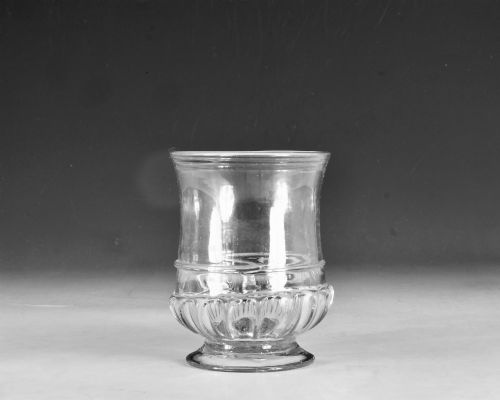
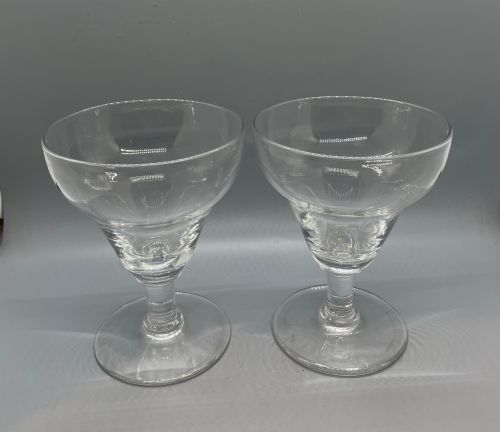
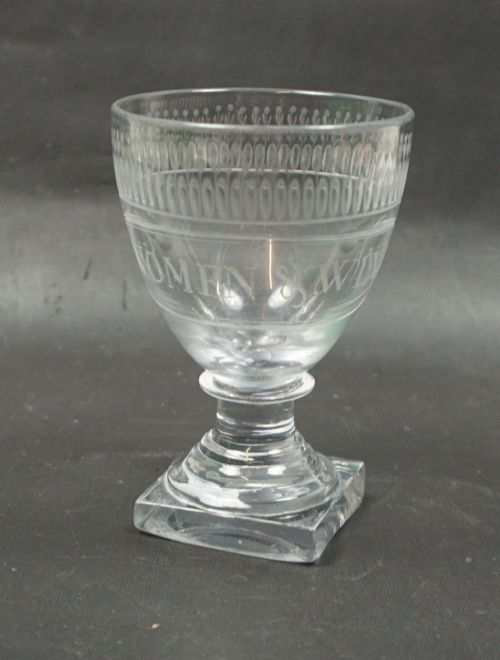
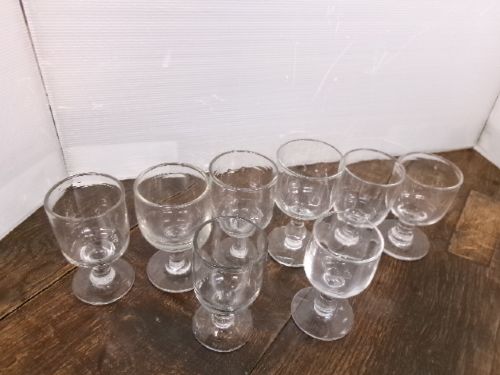
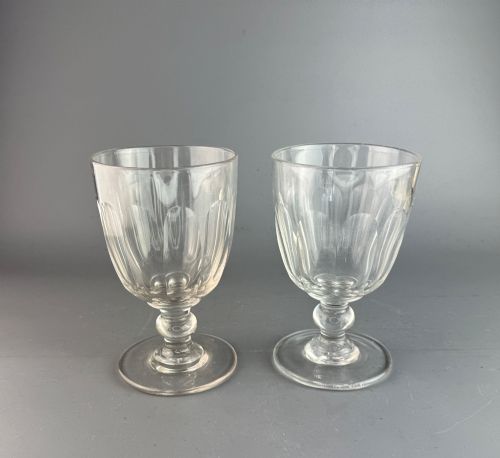
When you search for georgian rummer glasses, you encounter heavy drinking vessels shaped as large goblets, produced primarily during the Georgian, Regency, and Victorian periods. The most common form on this page is the English lead-glass rummer, featuring ovoid or pan-shaped bowls designed for ale, spirits, or wine.
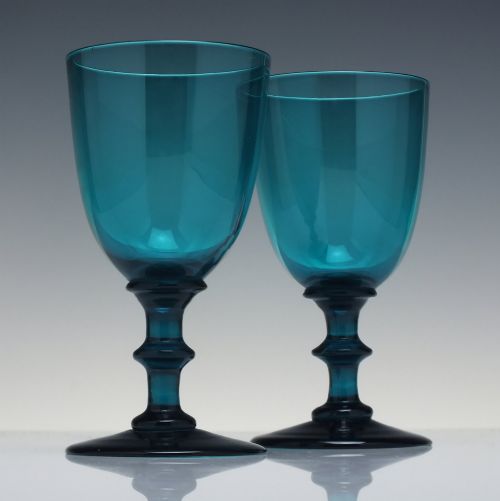
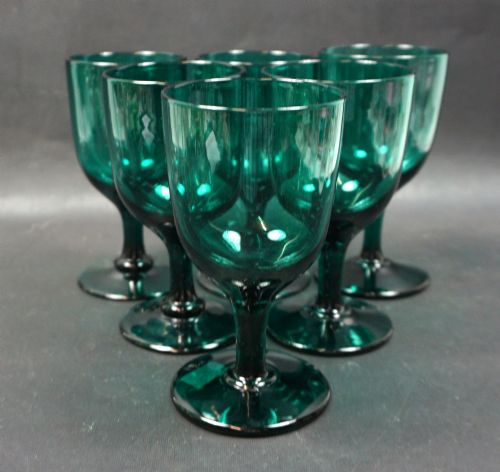
The selection includes matched pairs, sets of six, and individual tavern glasses spanning the late 18th century into the 19th century. Alongside traditional clear lead glass, the listings encompass coloured examples in amber, green, and turquoise hues.
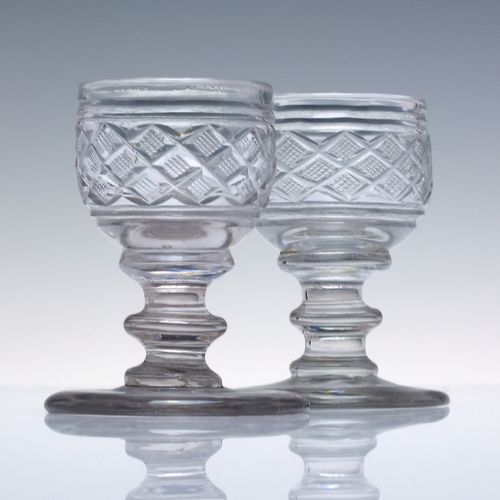
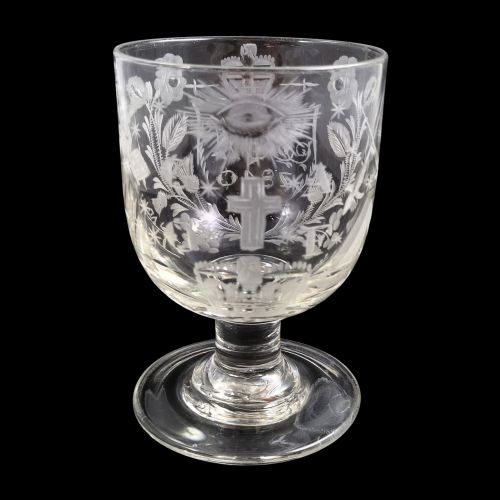
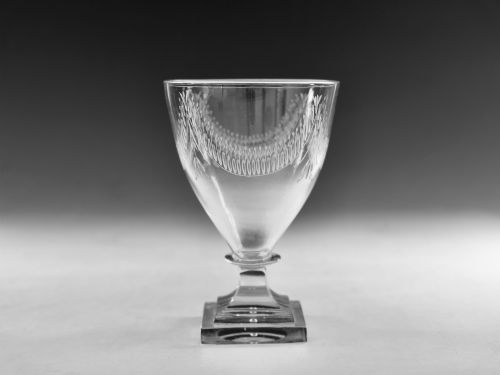
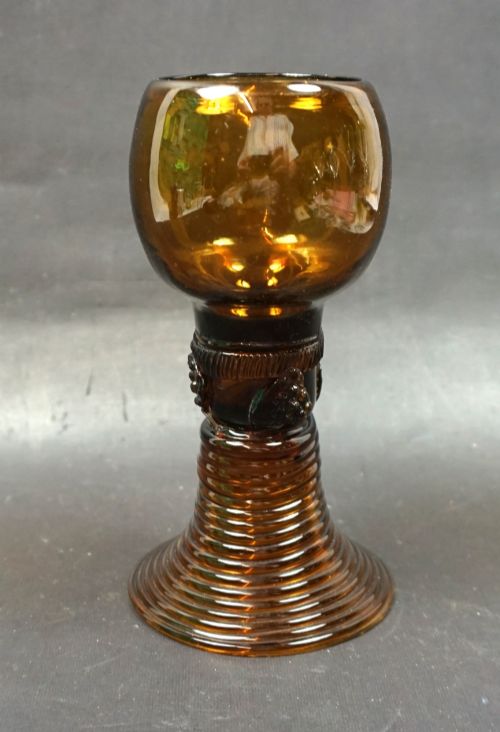
Many specimens feature decorative surface treatments such as hobnail cutting, armorial crests, and engraved motifs depicting hops, barley, bridges, or ships. Collectors also find roemers with coiled or hollow stems originating from Germany alongside domestic English productions.
How they were made
These drinking vessels were produced using hand-blown lead glass, flint glass, and clear glass, utilising traditional glassblowing techniques. Artisans shaped the bowls by hand before applying distinct feet, which include square lemon squeezer bases formed in moulds.
Surface decoration was achieved through wheel-engraving, etching, and deep cutting. Makers incised detailed motifs such as hops, barley, ships, and architectural scenes directly into the material.
Georgian Rummer Glasses Retail Price Guide 2026
Typical asking prices for georgian rummer glasses among the pieces listed under this phrase on Sellingantiques today, from the lower quarter to the upper quarter. They describe what is for sale here now, not the wider market.
Engraved motifs on these drinking vessels frequently depict hops, barley, historic bridges, and sailing ships.
What varies in quality
The clarity and weight of the metal set the foundation, with heavy lead glass yielding a deeper ring and superior light refraction compared to standard export glass. The depth and precision of the surface cutting or engraving distinguish standard tavern vessels from finely detailed exhibition pieces.
Proportion and form dictate the visual appeal, where balanced ovoid bowls and well-defined stems command greater attention. The presence of specific historical engravings, such as armorial crests or named subjects, elevates the individual character of each piece.
The Georgian Rummer Glasses Glossary
- Rummer
- A large, heavy drinking glass used for ale, wine, or punch during the Georgian and Victorian eras. These vessels typically feature a capacious bowl supported by a stem and a sturdy foot.
- Roemer
- A continental European drinking glass, usually made of green or amber glass, featuring a rounded bowl and a decorated hollow stem. The design derives from traditional German Baroque glassware.
- Lemon squeezer base
- A square, moulded glass foot with bevelled corners resembling a traditional kitchen utensil. This specific base style is frequently found on English rummers from the late 18th and early 19th centuries.
- Flint glass
- A bright, clear variety of glass containing lead oxide, known for its high refractive index and heavy weight. British makers utilised this material extensively for quality drinking vessels.
Georgian Rummer Glasses: Frequently Asked Questions
What were georgian rummer glasses used for?
These vessels served as substantial drinking glasses for heavy ales, wines, punches, and spirits in homes and taverns.
Their generous capacity made them practical for social drinking before smaller, specialised stemware became standard at the dining table.
How do you date georgian rummer glasses?
Dating relies on stylistic shifts in bowl shape, foot design, and manufacturing techniques recorded across the periods. Early examples often feature simple ovoid bowls, whilst later Regency and Victorian pieces frequently display heavier cut patterns and square lemon squeezer bases.
Engraved motifs and pontil marks on the underside also provide clues to the era of manufacture.
Can you use antique rummer glasses daily?
These sturdy drinking vessels were built for regular tavern and dining use and remain physically robust today. Hand washing in warm water preserves the historic glass and prevents thermal shock.
Many collectors enjoy using them for modern dining, though care is required due to their age and historical value.
What is the difference between an ale glass and a rummer?
Rummers typically feature wider, deeper bowls designed for larger volumes of liquid, whereas traditional ale glasses often have taller, narrower profiles.
Both forms frequently share decorative engraved motifs relating to agriculture, such as hops and barley.