

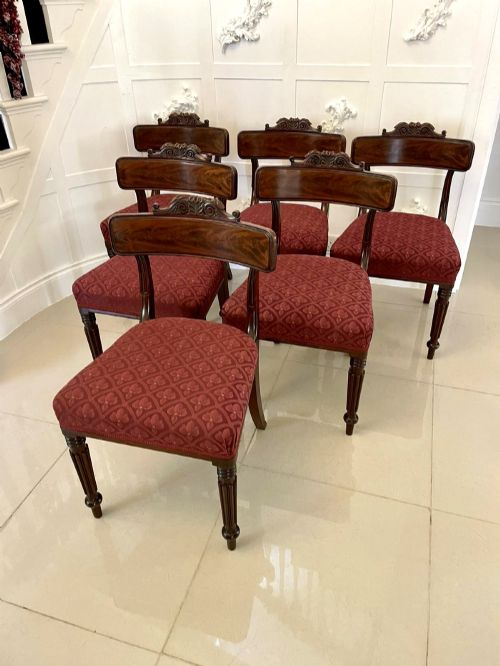

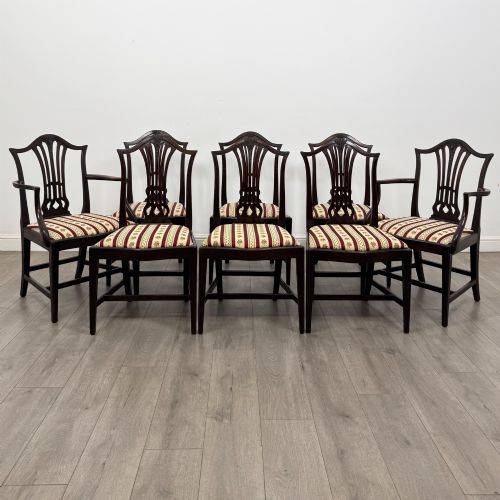
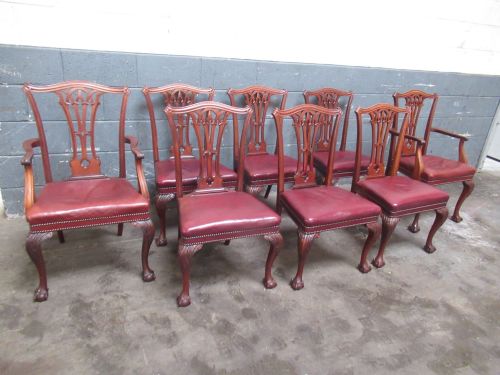
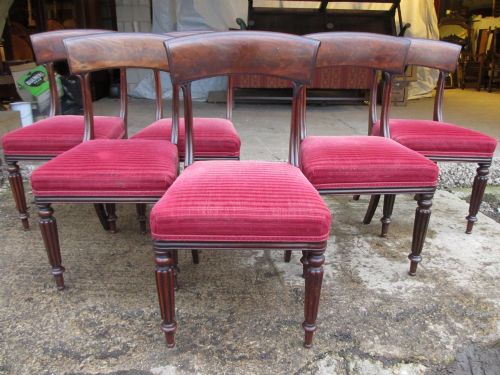
Georgian Red Seat Chairs
These georgian red seat chairs bring together period seating and rich crimson upholstery across dining rooms and libraries.
Georgian Red Seat Chairs
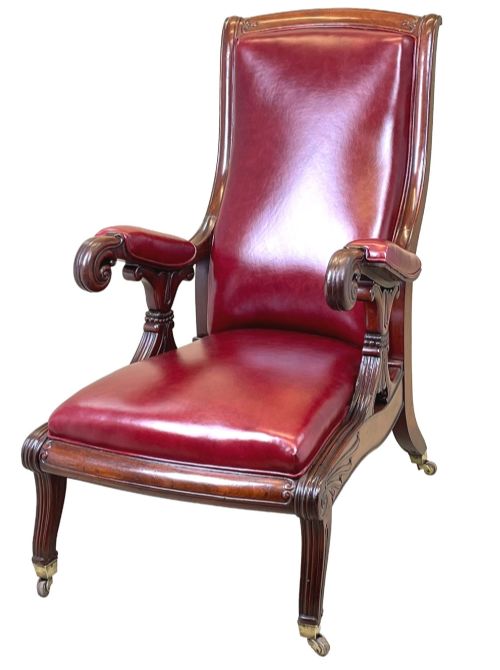
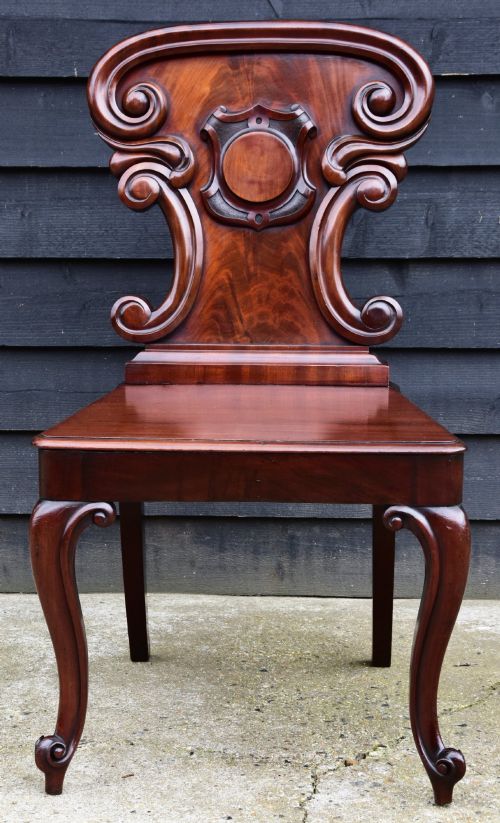
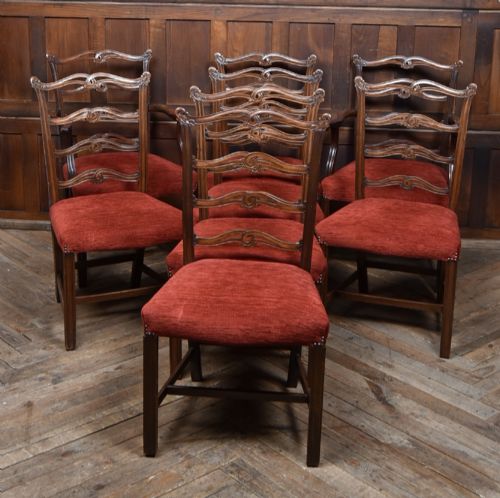
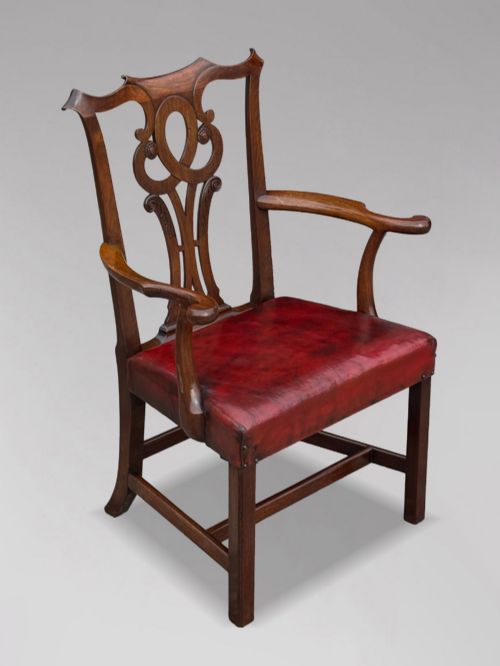
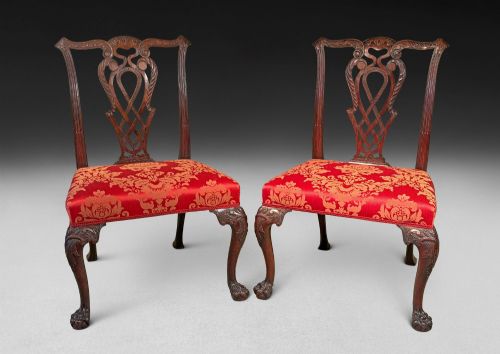
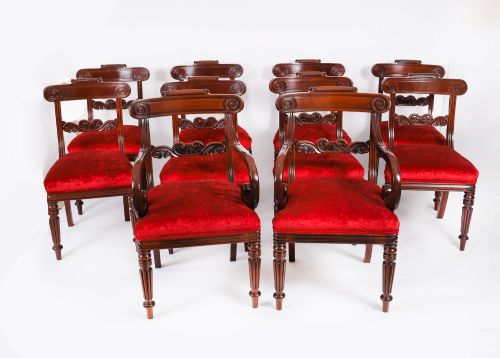
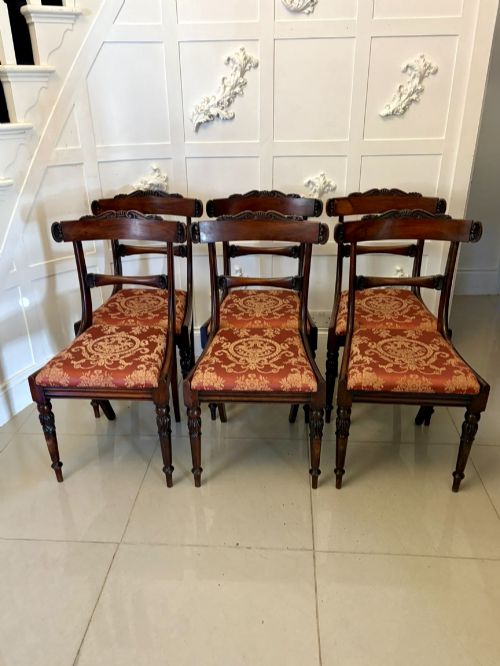
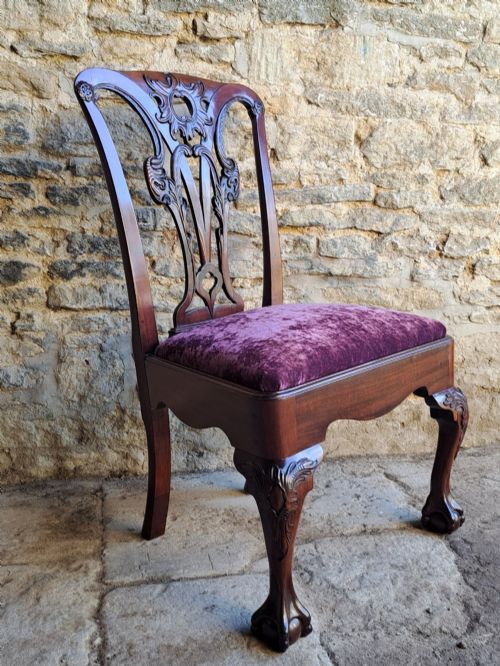
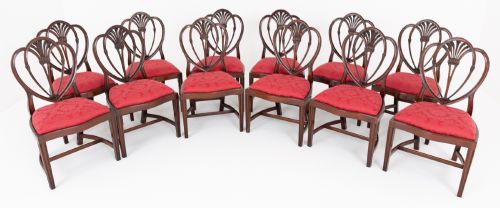
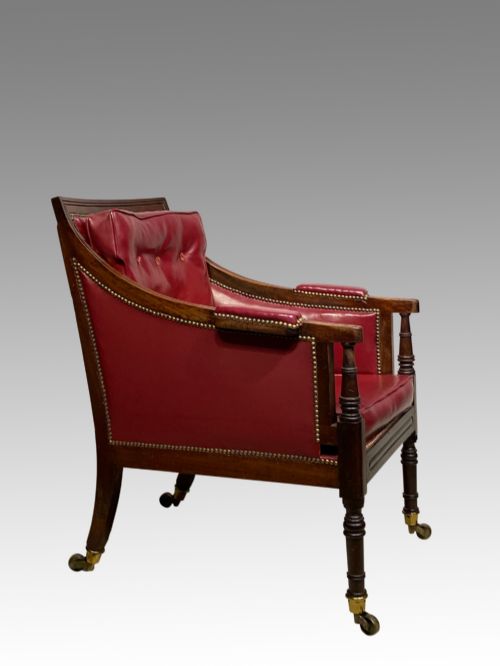
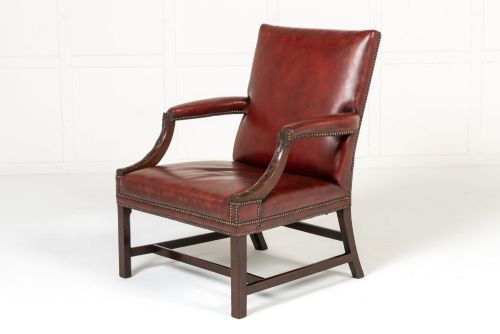
When buyers search for georgian red seat chairs, they encounter formal seating from the eighteenth and nineteenth centuries, including dining chairs, armchairs, and library chairs. The selection spans distinct forms such as shield back dining chairs, Gainsborough chairs, wingbacks, and desk armchairs.
Most examples originate from the Georgian and Regency periods, alongside later revival pieces from the early twentieth century. Walnut and mahogany frame designs appear frequently, often paired with upholstered pads in red tones.
How they were made
Makers utilised solid timbers such as mahogany, walnut, beech, and oak to construct the frames, frequently applying brass inlay or ebonised and gilt finishes for decorative effect.
Upholstery techniques involved traditional fabric, leather, velvet, and chenille twill secured over overstuffed or drop-in seat frames.
Georgian Red Seat Chairs Retail Price Guide 2026
Typical asking prices for georgian red seat chairs among the pieces listed under this phrase on Sellingantiques today, from the lower quarter to the upper quarter. They describe what is for sale here now, not the wider market.
Some library and desk chairs managed to combine scholarly research with secret drawers or dark leather pads for long hours of study.
What varies in quality
The degree of hand-carved detail on the crest rails, splats, and forelegs dictates the distinction between standard production and finer library or carver armchairs. Timber selection also matters, as dense grain figures in mahogany and walnut elevate the visual depth of the frame.
The integrity of the joinery and the retention of period upholstery materials influence the overall standard, separating original eighteenth-century craftsmanship from later revival interpretations.
Gillows
The Georgian Red Seat Chairs Glossary
- Carver
- An armchair designed for the head of a dining table, usually matching a set of smaller side chairs.
- Shield back
- A chair back shaped in the outline of a shield, popular during the late eighteenth century.
- Gainsborough chair
- A wide, upholstered armchair with open padded arms, low seat, and short legs dating from the eighteenth century.
Georgian Red Seat Chairs: Frequently Asked Questions
What defines a georgian red seat chair?
These pieces comprise timber frames from the eighteenth and nineteenth centuries fitted with crimson or red textile, leather, or velvet upholstery.
They encompass dining sets, desk chairs, and large armchairs originating from Georgian, Regency, and revival eras.
How do I identify a period piece?
Examine the timber species, joinery construction, and stylistic motifs such as pierced splats or sabre legs.
Matching the materials to documented eighteenth and nineteenth-century cabinet-making techniques helps confirm the era.
Were these chairs used for dining?
Many examples function as dining chairs, often found in matched sets of varying sizes alongside carver armchairs.
Other forms serve specific purposes in libraries, desks, and parlours as writing or wingback seats.
What woods were used for frames?
Makers predominantly built the frames from mahogany and walnut, though beech, oak, and ebonised timbers also appear in the record.
Selected pieces incorporate brass inlay or gilt decoration to enhance the primary wood.