





Georgian Pottery Mug
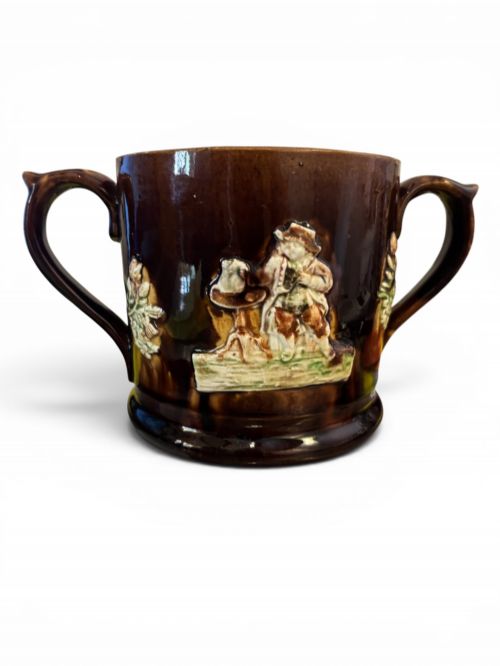
A georgian pottery mug brings heft and rustic character to a table, offering a direct link to eighteenth and nineteenth-century tavern life.
Georgian Pottery Mug
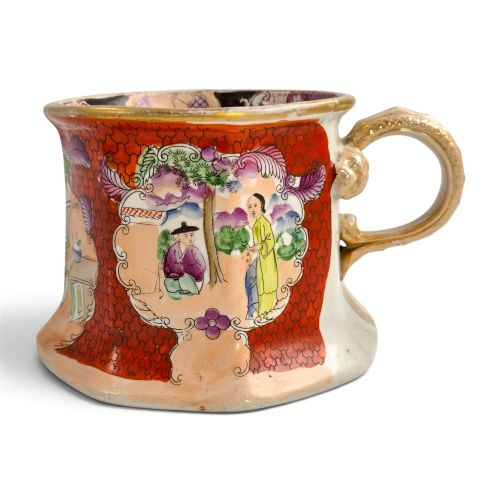
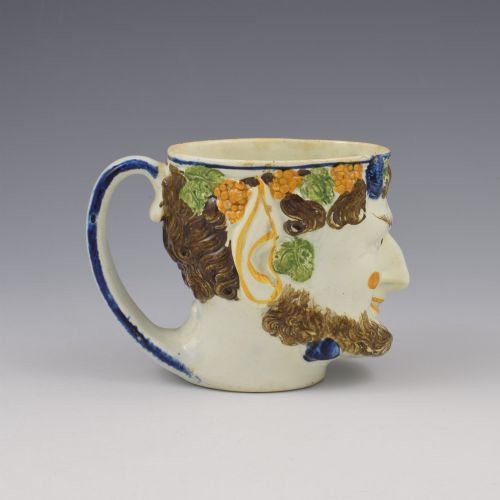
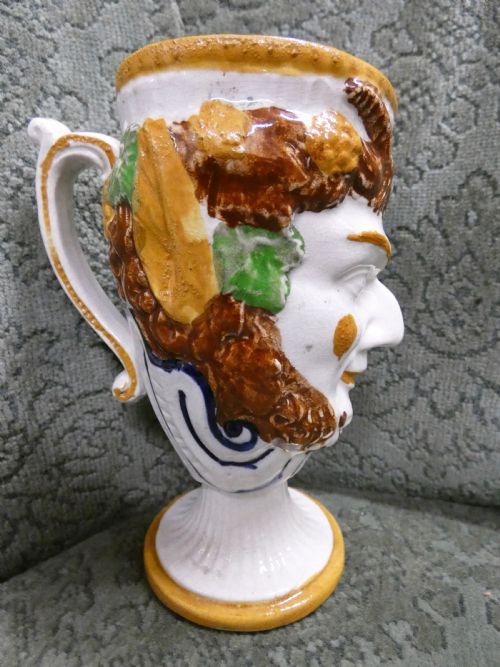
Mugs from this era frequently include playful surprises like modelled frogs or newts peering from the interior base, alongside hand-painted botanical motifs and bacchus satyr faces. Most examples emerge from English potteries, with occasional continental pieces such as Westerwald salt-glazed vessels appearing in the mix.
How they were made
Potters shaped these vessels using earthenware and pearlware clays, often applying tin or salt glazes to seal the porous ceramic body. Ironstone and stoneware formulas provided greater durability for heavy tavern use.
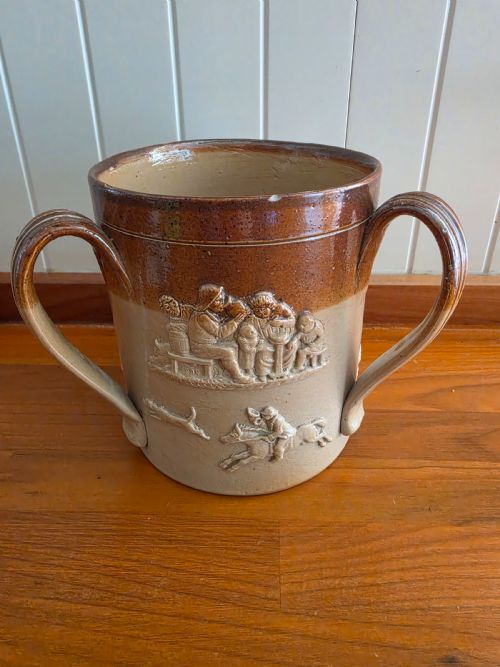
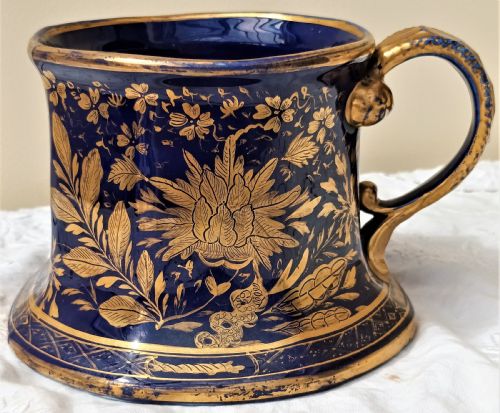
Decorators embellished the surfaces with hand-painted enamels, moulded relief figures, and occasional touches of gold leaf. Multi-handled tygs and heavy tankards required skilled throwing and careful attachment of applied loop handles.
Georgian Pottery Mug Retail Price Guide 2026
Typical asking prices for georgian pottery mug among the pieces listed under this phrase on Sellingantiques today, from the lower quarter to the upper quarter. They describe what is for sale here now, not the wider market.
A ceramic frog peers up from the bottom of several mugs, designed to startle drinkers when the ale runs dry.
What varies in quality
The precision and vibrancy of hand-painted enamel decoration dictate the visual appeal of pearlware and creamware bodies. Well-preserved glaze surfaces with minimal firing flaws elevate a vessel's standing among collectors.
Mason's Ironstone·Staffordshire
The Georgian Pottery Mug Glossary
- Pearlware
- A refined earthenware developed by Josiah Wedgwood that featured a faint blueish glaze pooling in crevices. This ceramic body served as the primary canvas for transfer-printed and hand-painted mugs of the period.
- Frog mug
- A drinking vessel featuring a small ceramic frog modelled inside the base to surprise the drinker as the liquid drained. These novelty pieces were popular in English public houses during the Georgian era.
- Tyg
- A large drinking vessel fitted with three or more handles to allow communal passing around a table. These multi-handled forms appear in stoneware and earthenware.
- Ironstone
- A patented ceramic body invented in the early nineteenth century that combined durability with the appearance of fine porcelain. Mason's ironstone mugs represent typical examples of this dense material.
- Westerwald
- A German ceramic tradition known for grey salt-glazed stoneware decorated with cobalt blue incisions. Pieces from this region reached British markets as imported drinking vessels.
Georgian Pottery Mug: Frequently Asked Questions
What is a frog mug?
A frog mug is a drinking vessel featuring a small ceramic frog modelled inside the bottom. As the drinker finishes the beverage, the creature appears unexpectedly.
These novelty mugs were common in public houses and served as drinking games or practical jokes among patrons.
How do I date a pottery mug?
Dating relies on identifying the ceramic body, such as creamware, pearlware, or ironstone, alongside stylistic clues in the painted or moulded decoration. Inscriptions, dates, and maker marks provide the most direct evidence.
Changes in glaze composition and manufacturing techniques also help narrow down the period of production.
Were these mugs used daily?
Georgian pottery mugs saw heavy service in domestic settings and local taverns for ale, beer, and cider. Their robust earthenware and stoneware construction suited them for communal drinking and frequent handling.
Survival in varied condition reflects generations of practical use before entering collections.
What is a Winchester measure?
A Winchester measure indicates an officially verified capacity standard used for trading ale and wine in British taverns. Mugs bearing this designation met strict volume requirements set by authorities.
Such vessels combined civic regulation with everyday drinking utility.