
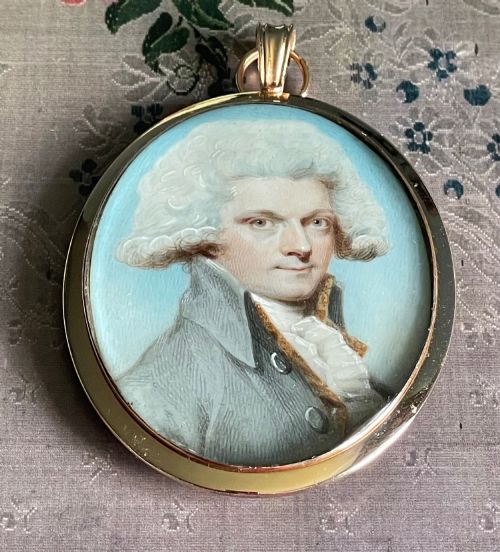
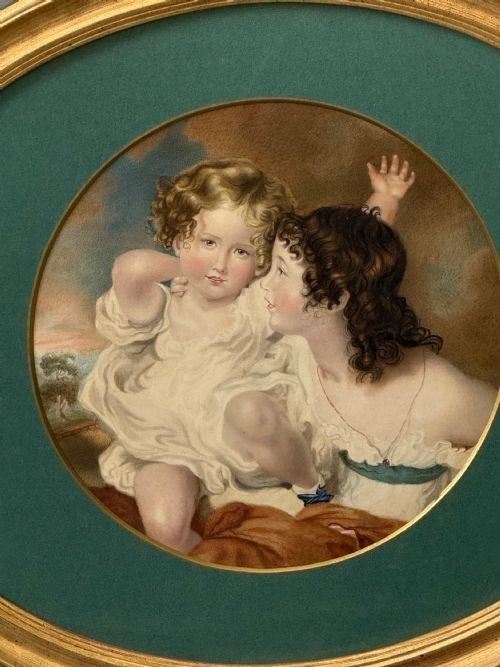
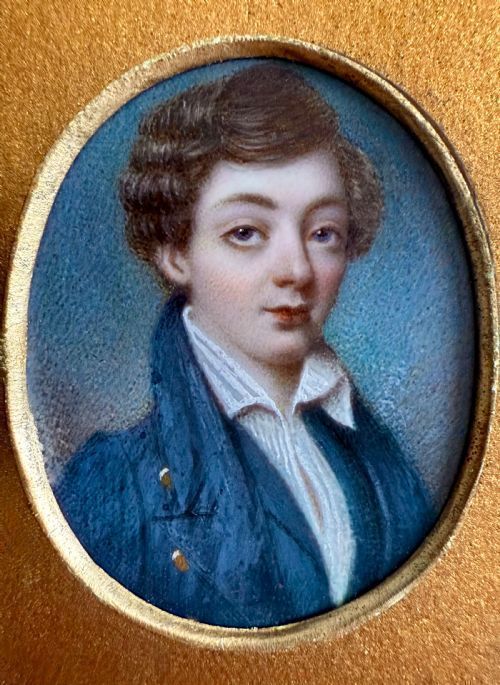
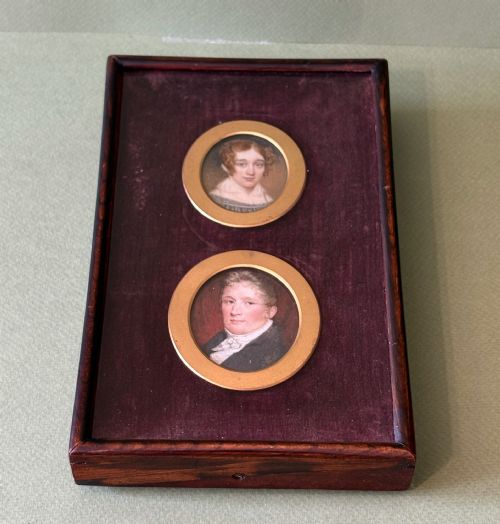

Georgian Portrait Miniature Watercolour
A georgian portrait miniature watercolour captures intimate likenesses on a small scale, offering a direct window into the faces of the past.
Georgian Portrait Miniature Watercolour
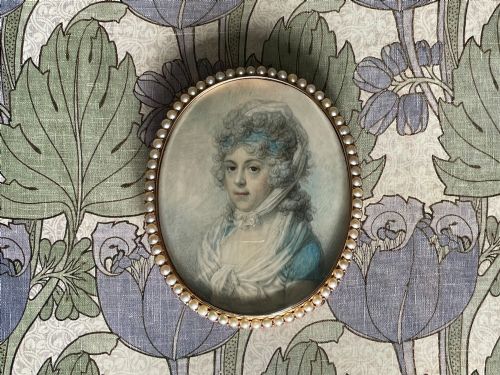
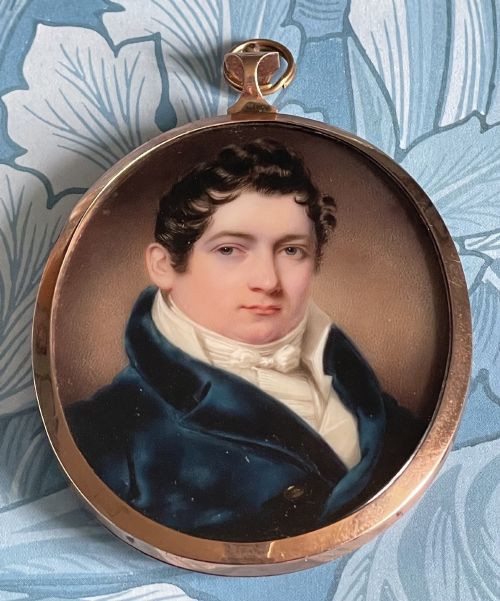
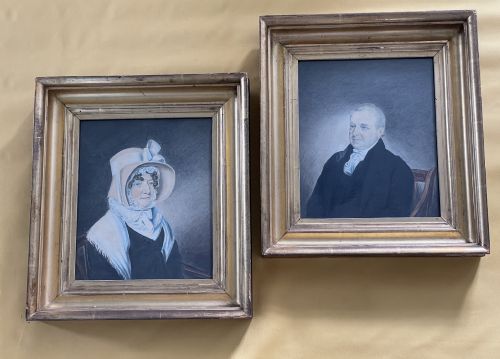
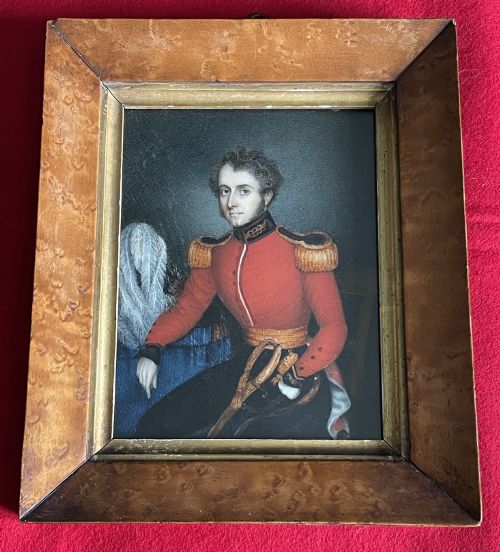
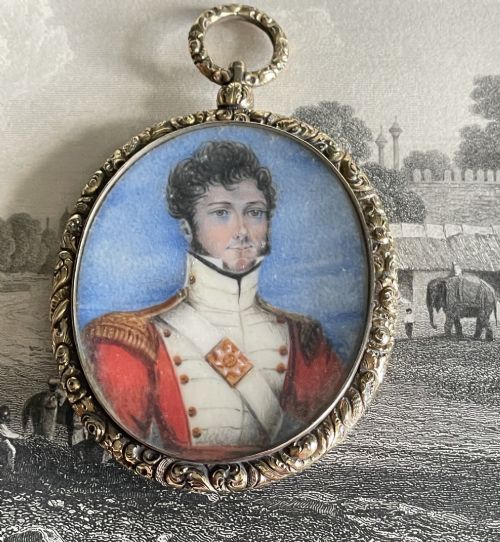
Most examples hail from the Georgian and Regency periods, spanning styles from straightforward British School character studies to French Rococo influences. These works appear as framed pictures, pendants, or free-standing pieces intended to be held in the hand or worn close to the heart.
How They Were Made
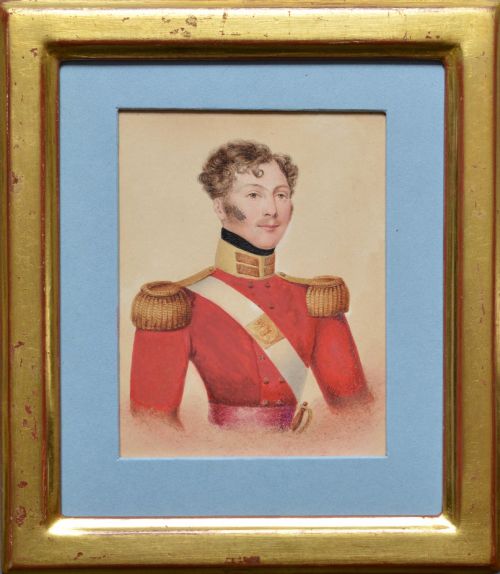
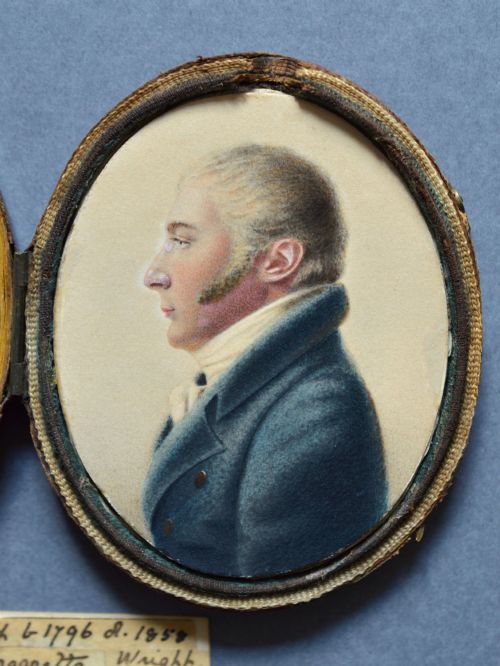
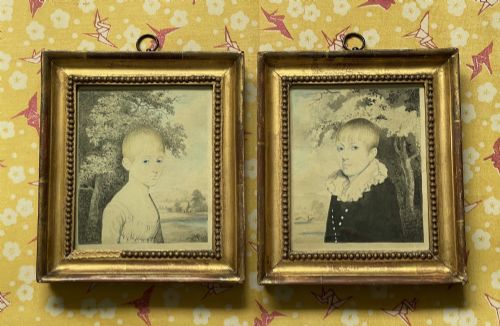
Artists applied delicate watercolours and gouache pigments onto prepared ivory, paper, or card, sometimes incorporating pencil work to define facial structures and costume details. These delicate paintings required steady hands and magnifying lenses to achieve precise miniature scales.
What Varies in Quality
The sophistication of the brushwork and the psychological depth of the sitter's expression separate superior pieces from standard output. Master artists captured nuanced skin tones, lace textures, and fabric folds with remarkable precision, whereas lesser hands produced stiff or flat likenesses.
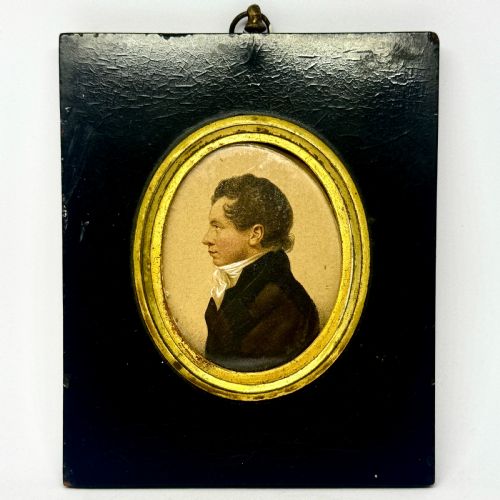
The integrity of the original housing also dictates value, with intact gold or gilt metal pendants, seed pearl settings, and period ebonised frames retaining their intended harmony. Works retaining clear artist attributions or signatures command deeper historical interest.
William James Hubard·Thomas John Horsley·Charles Shirreff·Richard Cosway·John C D Engleheart·Frederick Buck·William Naish·Nicolas Freese·Albin R Burt·George Engleheart·William Egley
The Georgian Portrait Miniature Watercolour Glossary
- Watercolour
- A paint consisting of pigment suspended in a water-soluble binder, used extensively on paper or ivory for fine details. It allows for translucent washes that mimic the soft texture of skin.
- Ivory
- A smooth, dense organic material utilised as a painting surface in miniature art because its luminous quality mimics human flesh. Painters built up translucent layers of pigment over the polished surface.
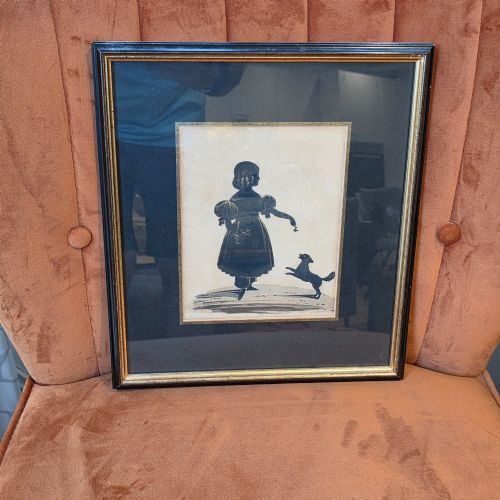
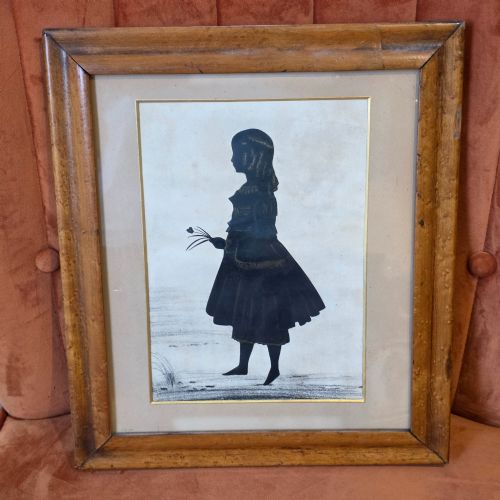
- Silhouette
- A two-dimensional portrait profile cut from dark paper or painted in solid black, sometimes enhanced with watercolour. These shadow likenesses offered an affordable alternative to detailed painted portraits.
- Pendant
- A piece of jewellery designed to be worn suspended from a neck chain, frequently adapted to house miniature portraits behind glass. They allowed wearers to keep images of loved ones near them.
- Ebonised frame
- Wood finished to resemble ebony, commonly utilised for dark, contrasting borders around small paintings. These surrounds focused the viewer entirely on the colourful miniature within.
Georgian Portrait Miniature Watercolour: Frequently Asked Questions
How were these miniatures worn?
Owners wore portrait miniatures as pendants on chains, as brooches pinned to garments, or carried them securely inside pocket watches and fitted travelling cases.
This allowed individuals to keep likenesses of family members or spouses hidden against their person during travel or daily business.
Why are some painted on ivory?
Ivory provided a smooth, semi-translucent surface that reflected light back through watercolour washes, creating a natural glow for human skin.
Artists scraped or prepared the thin ivory sheet to enhance the luminous quality of the sitter's complexion.
How do I date a portrait miniature?
Clothing styles, hairstyles, and uniform details offer the clearest clues for dating, as sitters wore the exact fashion of their day.
Frames, mounting materials, and signature styles also help narrow the decade in which the portrait was produced.
Were these painted from life?
Most portrait miniatures were painted from life during sitting sessions arranged with the artist in a studio.
Some later or memorial examples relied upon existing oil paintings or sketches, particularly when commemorating a subject who had passed away.