

Georgian Porcelain Set
A georgian porcelain set brings together hand-painted tea wares, inkstands and dessert services spanning the eighteenth and early nineteenth centuries.
Georgian Porcelain Set
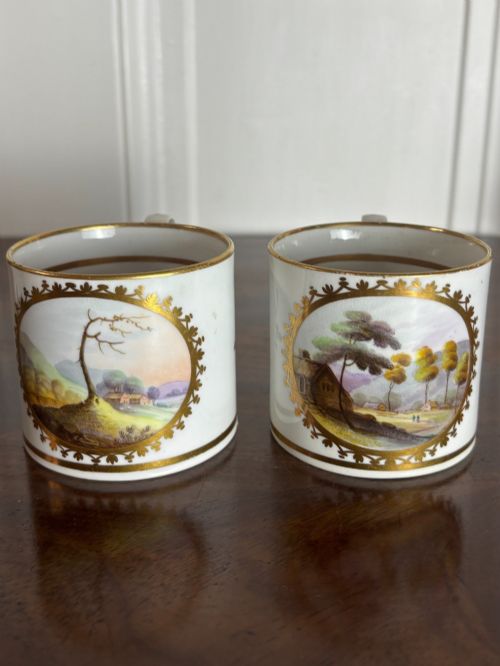
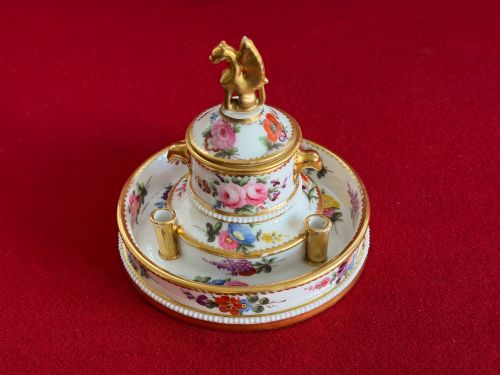
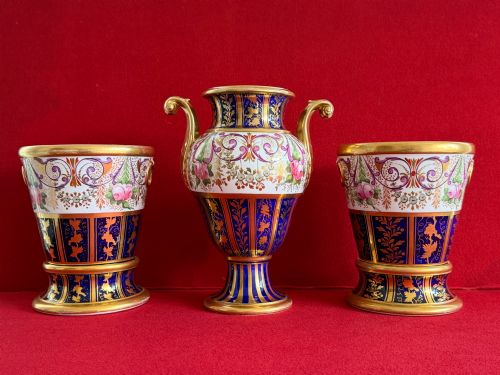
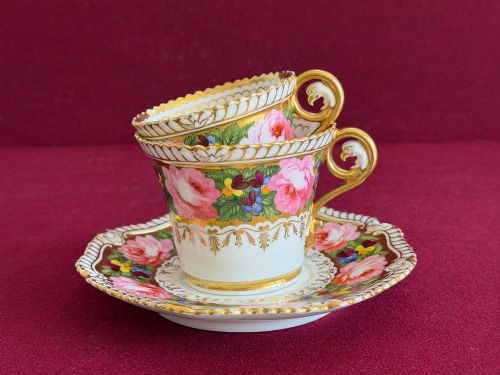
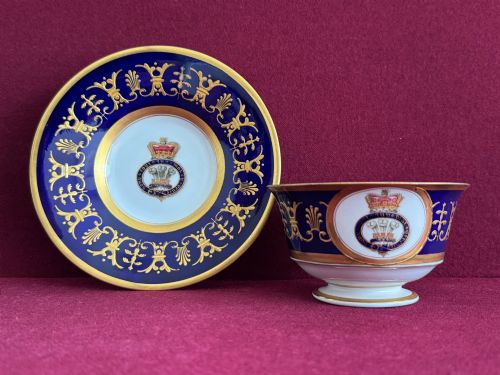
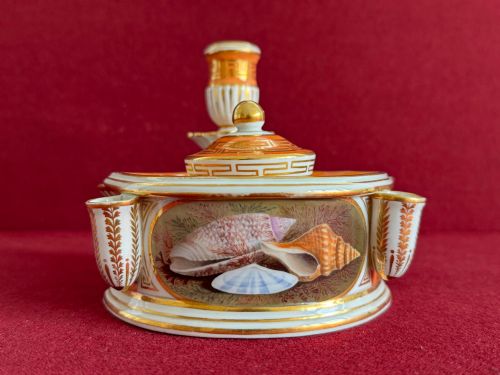
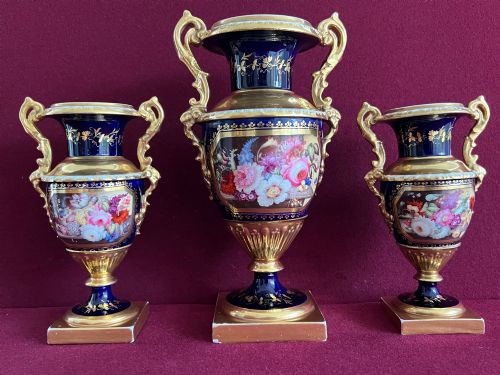
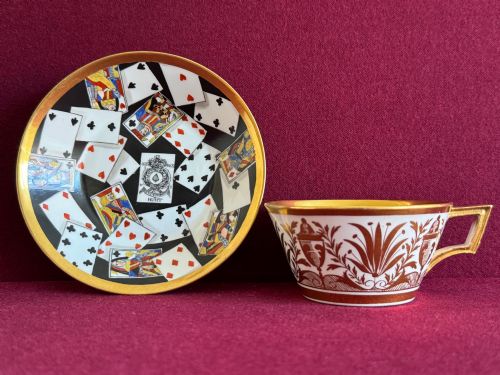
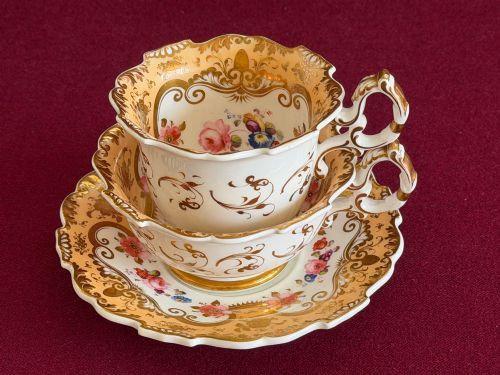
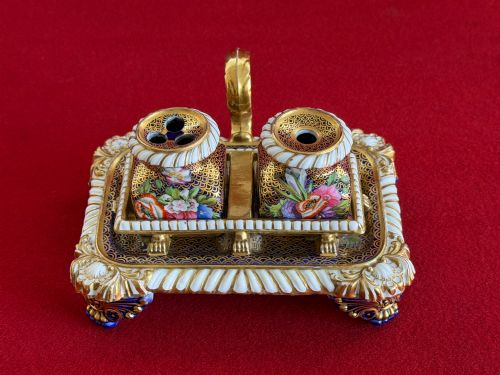
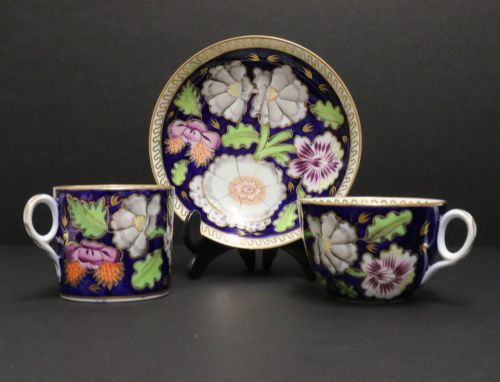
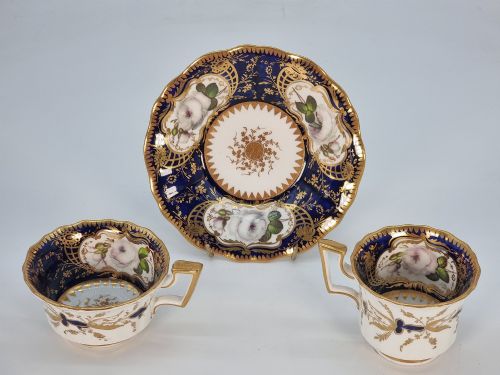
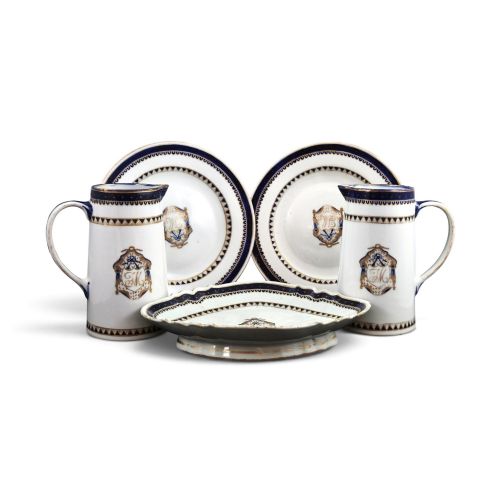
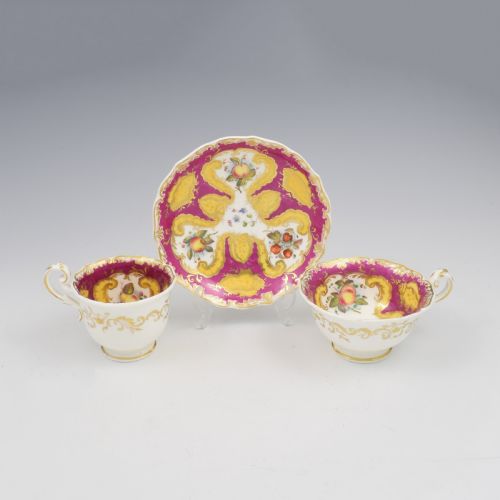
A georgian porcelain set comprises matching or coordinated groupings of ceramic tableware, decorative vessels and figures produced during the Georgian and Regency periods. The forms appearing most often include teacups and saucers, trios, inkstands, dessert services and garnitures of vases.
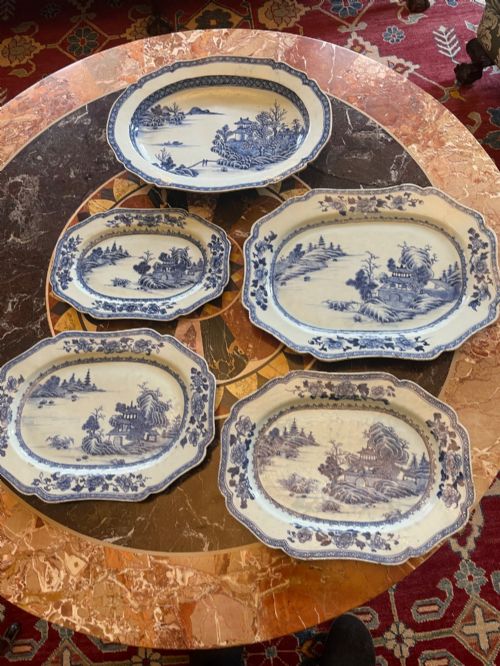
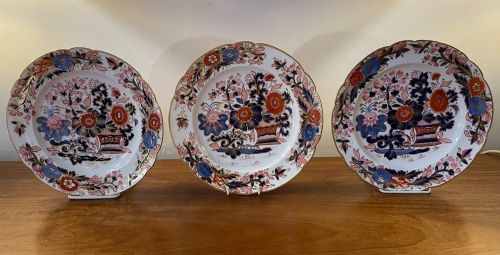
Production spans soft-paste porcelain, bone china and earthenware across eighteenth and nineteenth-century English factories. Pieces range from cabinet trios with hand-painted floral motifs to larger dinner and dessert services featuring transfer-printed patterns.
How they were made
Potters shaped ceramic bodies using soft-paste porcelain, bone china, earthenware and ironstone before applying glazes and hand-painted or transfer-printed decoration. Enamel colours and gold leaf gilding were added in successive kiln firings to fix the metallic and pigment details.
Factories utilised specialised hand-painting techniques for botanical studies, birds and Chinese export inspired Chinoiserie motifs. Transfer printing allowed intricate blue and white patterns to be applied mechanically to child services and tableware.
Georgian Porcelain Set Retail Price Guide 2026
Typical asking prices for georgian porcelain set among the pieces listed under this phrase on Sellingantiques today, from the lower quarter to the upper quarter. They describe what is for sale here now, not the wider market.
Listings feature porcelain from both soft-paste and bone china bodies, spanning the eighteenth and nineteenth centuries.
What varies in quality
Quality rests upon the crispness of the porcelain body, the precision of the hand-painted enamel work and the richness of the gilding. Superior examples display finely rendered brushwork by named or attributed artists rather than standard factory output.
The sophistication of the ceramic paste and the integrity of surviving matching sets determine the standing of individual pieces. Well-preserved gilding and undamaged painted panels elevate dessert services and garnitures.
Spode·Flight & Barr·Minton·Grainger Lee & Co·Chamberlain Worcester·Newhall·Coalport·Wedgwood·Bow·Derby
The Georgian Porcelain Set Glossary
- Trio
- A matched set consisting of a teacup, a coffee cup and a saucer. These three pieces form the standard unit of English tea ware from the period.
- Garniture
- A set of three or more matching vases or urns designed to be displayed together on a mantelpiece or sideboard. They typically feature coordinated hand-painted decoration.
- Soft-Paste Porcelain
- An artificial porcelain body composed of white clay and glass frit, fired at lower temperatures than hard-paste. It creates a warm translucent surface common in eighteenth-century English ceramics.
- Bone China
- A porcelain type incorporating animal bone ash, producing a durable and brilliantly white body. This material gained widespread use among English factories during the early nineteenth century.
- Chinoiserie
- European decorative style reflecting Chinese artistic motifs and landscapes. Artisans applied these designs to porcelain tea wares and decorative plates.
Georgian Porcelain Set: Frequently Asked Questions
What is a porcelain trio?
A porcelain trio consists of a matching teacup, coffee cup and saucer designed for hot beverage service. This configuration became popular in English households during the Georgian era.
Collectors prize complete trios because the addition of a matching coffee cup alongside the standard teacup offers a complete picture of period dining customs.
How do I care for antique porcelain?
Antique porcelain requires gentle hand washing in lukewarm water with mild soap to protect fragile enamel painting and gold leaf gilding. Dishwashers and harsh detergents cause irreversible damage to historic ceramic glazes.
Store pieces securely in cabinets away from direct sunlight to prevent fading on hand-painted botanical and transfer-printed surfaces.
How are Georgian and Regency periods told apart?
Georgian porcelain generally reflects eighteenth-century rococo curves or restrained neoclassical symmetry, often utilising soft-paste bodies. Regency pieces date from the early nineteenth century and frequently employ bone china with bolder gilding and vibrant enamel palettes.
Factory marks and specific pattern numbers recorded in factory archives help narrow down the exact decade of manufacture.
Were dessert services used daily?
Dessert services were primarily reserved for formal dining to serve fruit, sweetmeats and confections at the conclusion of a meal. Their delicate porcelain bodies and extensive hand-painted decoration meant they saw limited everyday use.
As a result, surviving sets often retain multiple matched plates and serving dishes in remarkable condition.