





Georgian Porcelain Pot
A georgian porcelain pot brings refined utility to any room, offering tangible links to eighteenth and nineteenth century dining and display traditions.
Georgian Porcelain Pot
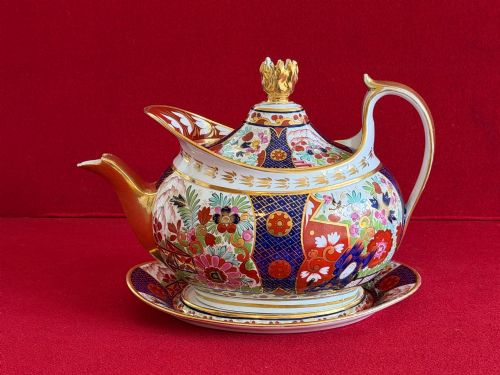
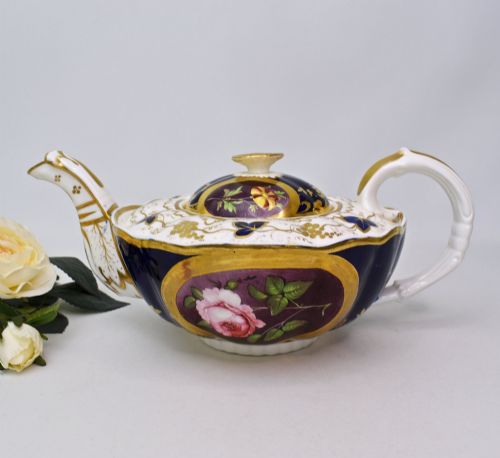
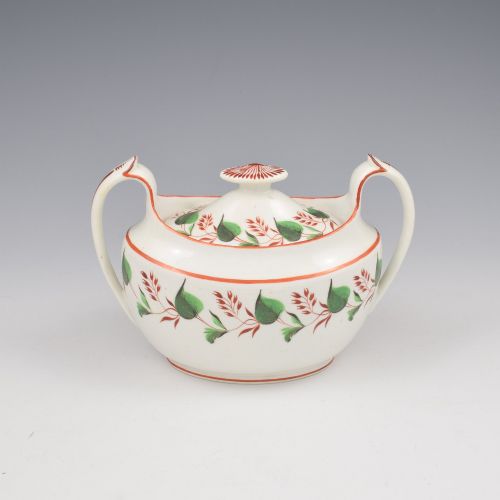
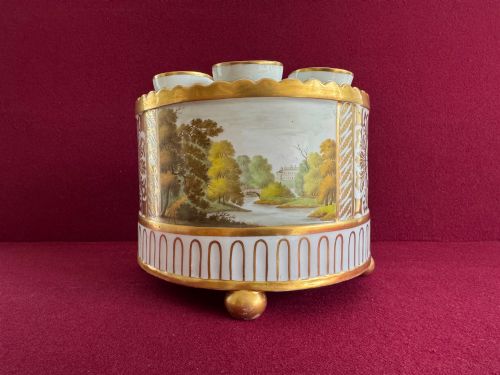
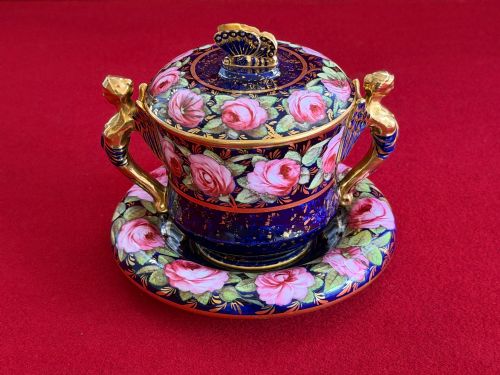
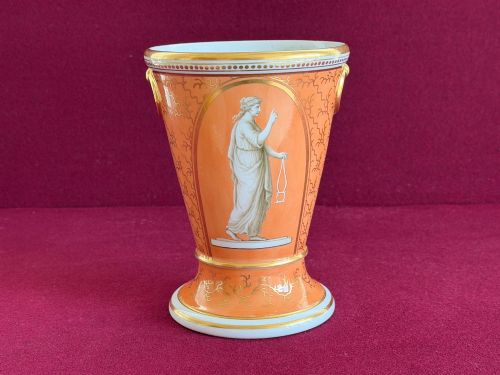
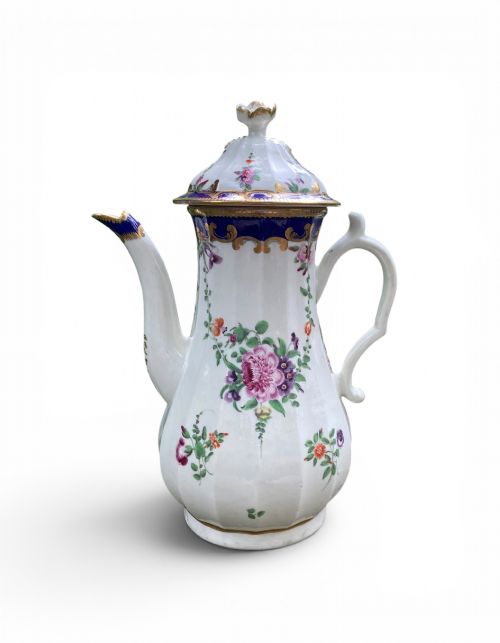
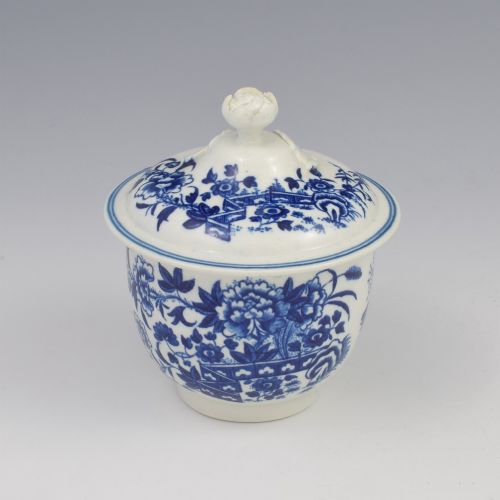
A georgian porcelain pot encompasses a diverse selection of vessel forms including teapots, coffee pots, sugar bowls, jardinieres, and bough pots. These objects originate from prominent periods such as the eighteenth century, the Georgian era, and the Regency period, capturing the domestic elegance of those times.
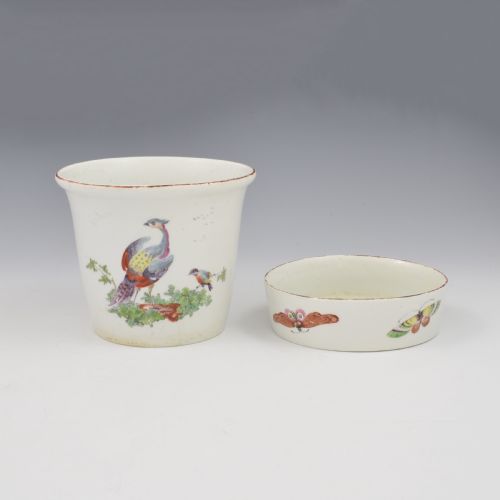
Collectors frequently encounter utilitarian and decorative vessels created by esteemed English factories, ranging from early soft-paste tea wares to later bone china planters. The assortment bridges formal dining table accessories and ornamental room pieces designed for flowers and foliage.
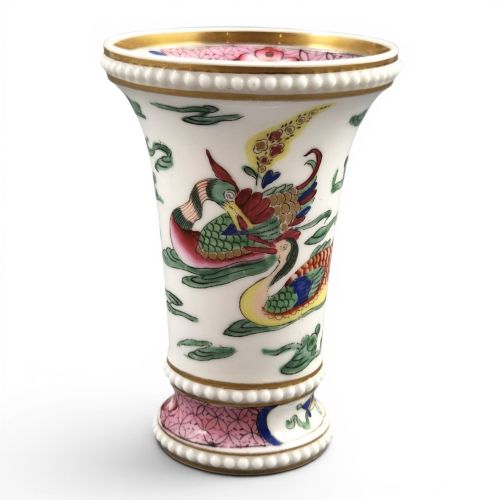
Stylistic influences vary from traditional English floral designs to intricate Chinoiserie motifs, reflecting changing aesthetic preferences across decades of ceramic production. Each form serves as a distinct record of historic interior decoration and ceramic manufacturing.
How they were made
Potters utilised soft-paste porcelain and bone china as the primary body materials for shaping these vessels on the wheel or in moulds. Enamel colours and underglaze pigments were then applied by hand before the final firing process fixed the decoration.
Gilding and gold leaf additions provided finishing touches to handles, rims, and borders, enhancing the visual richness of higher-tier output. Skilled artisans executed detailed painted scenes, botanical studies, and geometric patterns directly onto the glazed ceramic surface.
Georgian Porcelain Pot Retail Price Guide 2026
Typical asking prices for georgian porcelain pot among the pieces listed under this phrase on Sellingantiques today, from the lower quarter to the upper quarter. They describe what is for sale here now, not the wider market.
Nineteenth-century ducks and lotus patterns remind us that Regency dining tables occasionally embraced aquatic wildlife with unexpected enthusiasm.
What varies in quality
The refinement of the ceramic body and the precision of the hand-painted decoration distinguish standard production from exceptional factory output. Superior pieces display crisp moulding, well-preserved gilding, and sophisticated enamel palettes that remain vibrant.
The complexity of the pattern, such as detailed Chinoiserie scenes or intricate Imari motifs, often signals the skill level of the decorator and the commercial ambition of the manufactory. Preservation of covers, stands, and original gilding also influences the standing of individual examples.
W Factory Porcelain·Flight and Barr Worcester·Spode·Derby Porcelain·Barr Flight and Barr·Chamberlain Worcester·Thomas Wolfe
The Georgian Porcelain Pot Glossary
- Soft-paste porcelain
- An artificial ceramic composition fired at lower temperatures than hard-paste porcelain, common in eighteenth-century English manufacture. It produced a warm, slightly creamy body ideal for absorbing rich enamel colours.
- Sucrier
- A small lidded vessel designed to hold sugar at the tea table. These matching containers frequently accompanied teapots and coffee pots in domestic services.
- Jardiniere
- An ornamental pot or stand intended for holding live plants or floral arrangements. They were popular decorative accessories in Georgian and Regency drawing rooms.
- Bough pot
- A specialised vessel designed to hold cut tree branches or flowers for interior decoration. They often featured perforated covers to keep stems securely in place.
- Gilding
- The application of gold leaf or gold powder to ceramic surfaces for decorative emphasis. Artisans utilised this technique to accentuate rims, handles, and painted panels.
Georgian Porcelain Pot: Frequently Asked Questions
What is a bough pot used for?
A bough pot served as a decorative container for displaying cut tree branches and seasonal foliage inside the home.
These vessels often included internal liners or pierced covers to support large arrangements during Georgian drawing room gatherings.
How do I care for antique porcelain?
Antique porcelain requires gentle hand washing in lukewarm water with mild soap when cleaning is necessary.
Avoid abrasive sponges and harsh chemicals to protect delicate overglaze enamels and original gold leaf gilding from wear.
What distinguishes soft-paste from bone china?
Soft-paste porcelain utilises a glassy composite body fired at moderate temperatures, characteristic of eighteenth-century English production.
Bone china incorporates calcined bone ash into the paste formula, producing a whiter, harder material that became prominent during the nineteenth century.
How were tea vessels utilised historically?
Teapots, coffee pots, and sucriers formed the core equipment for serving hot beverages during formal domestic tea rituals.
These matching sets displayed the host's social standing and taste through coordinated factory patterns and painted motifs.