
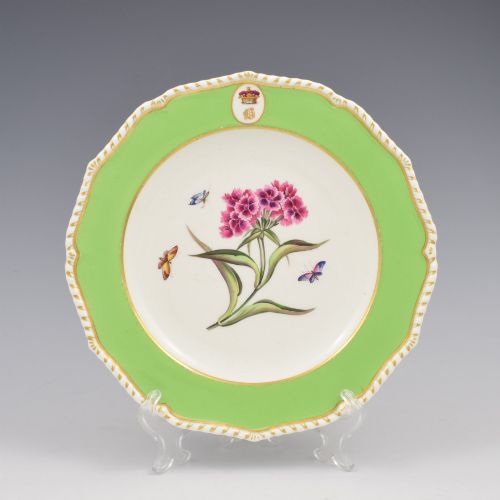


Georgian Porcelain Cabinet Plate
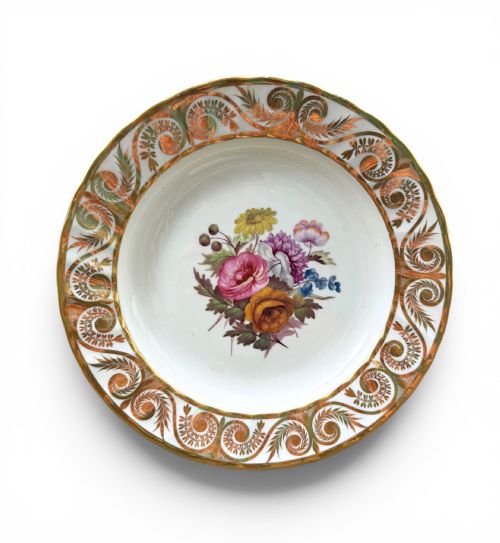
A georgian porcelain cabinet plate brings hand-painted botanical studies and armorial crests directly from Regency dining rooms to modern display.
Georgian Porcelain Cabinet Plate
A georgian porcelain cabinet plate is a decorative ceramic piece intended primarily for display in cabinets or on walls rather than daily dining use.
The selections span the eighteenth and nineteenth centuries, encompassing the Regency period and the transitional years around eighteen hundred.
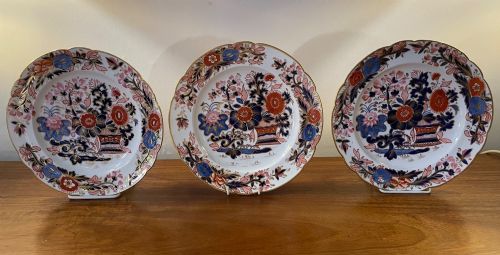
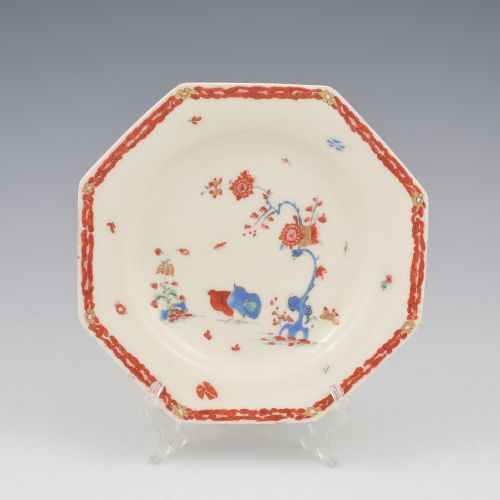
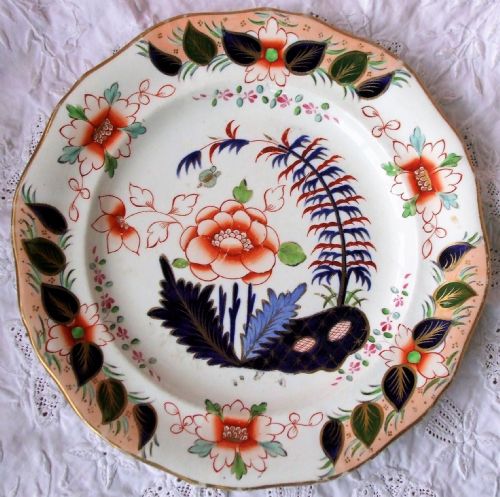
Makers focused on intricate botanical painting, armorial commissions, and exotic motifs such as the Imari palette and Kakiemon designs.
Materials and Manufacture
Potters utilised soft-paste porcelain, bone china, and earthenware, shaping them into plates, dishes, and octagonal or lobed forms.
Decoration relied on skilled hand-painting with enamels, supplemented by gold leaf, gilding, and gilt accents applied over the fired ceramic body.
Several plates proudly display exotic birds, dragons, and two quail patterns straight from eighteenth-century imagination.
Distinctions in Quality
Quality rests upon the precision and detail of the hand-painting, particularly in botanical studies and figural scenes attributed to named painters.
The sophistication of the porcelain body, the richness of the gilding, and the historical importance of armorial crests separate standard wares from exceptional examples.
Wedgwood·Bow Porcelain·Derby Porcelain·John Davenport·Bloor Derby·Barr Flight and Barr·Chamberlain Worcester·Minton Porcelain·Coalport·New Hall
The Georgian Porcelain Cabinet Plate Glossary
- Cabinet plate
- A decorative ceramic plate intended for display rather than service at the table. These pieces often feature elaborate painted scenes or gilt borders.
- Bone china
- A type of soft-paste porcelain containing bone ash, developed in England to create a durable and whiter ceramic body.
- Imari palette
- A decorative scheme employing iron red, cobalt blue, and gold, inspired by Japanese export porcelains.
- Armorial
- A design featuring a coat of arms or family crest, usually commissioned by landed gentry or nobility.
- Soft-paste porcelain
- An artificial porcelain compound fired at lower temperatures than hard-paste, common in eighteenth-century English factories.
Georgian Porcelain Cabinet Plate: Frequently Asked Questions
Were these plates used for eating?
Cabinet plates and dessert plates from this era were primarily reserved for the final course of a formal meal or kept on display in china cabinets.
Over time, many fine examples transitioned entirely to decorative wall or cabinet display due to the delicate nature of their hand-painted enamel and gilt surfaces.
How do I identify the period?
Dating relies on factory marks, paste composition, and stylistic shifts spanning from the eighteenth century through the Regency era.
Factory bodies evolved from early soft-paste porcelain and bone china to refined nineteenth-century earthenware formulations, often accompanied by specific impressed or painted factory ciphers.
Who painted these designs?
Many plates feature work by documented porcelain painters and independent decorators who specialised in botanical illustrations and heraldry.
Artisans such as Thomas Steele, Moses Webster, and James Giles applied intricate enamel colours and gold leaf to factory-produced blanks.
How should I display them?
Displaying these ceramics safely requires specialised wall hangers with protective prongs or secure grooves within a closed cabinet.
Keeping them away from direct sunlight preserves the vibrant enamel colours and prevents the delicate gilt and gold leaf from fading.