


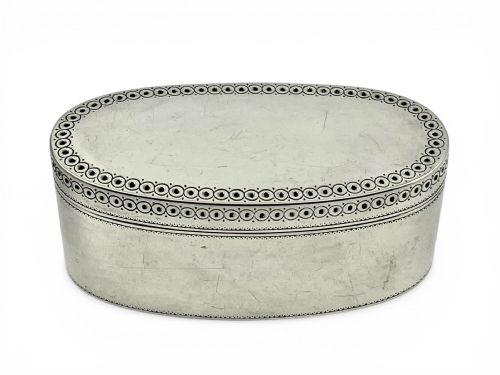


Georgian Pocket Tobacco Box
A georgian pocket tobacco box is a compact metal or organic container made for personal use, offering a tactile piece of smoking history to hold in the hand.
Georgian Pocket Tobacco Box
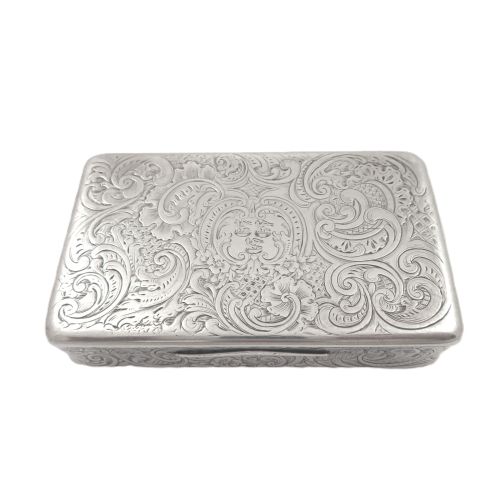
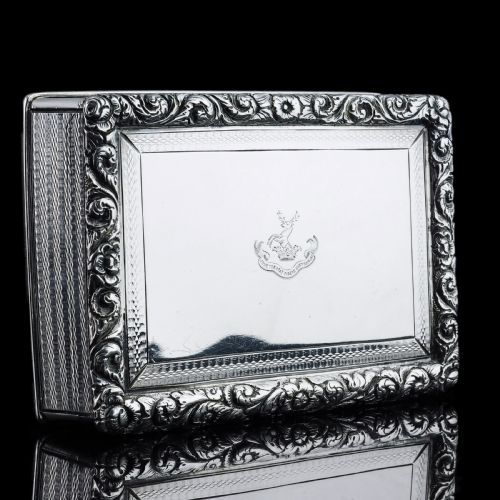
When you search for a georgian pocket tobacco box, you encounter small receptacles intended for pocket use during the eighteenth and nineteenth centuries. These items served gentlemen and ladies for carrying tobacco, snuff, or cheroots while away from home.
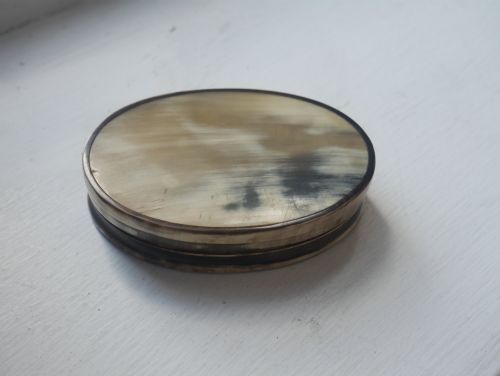
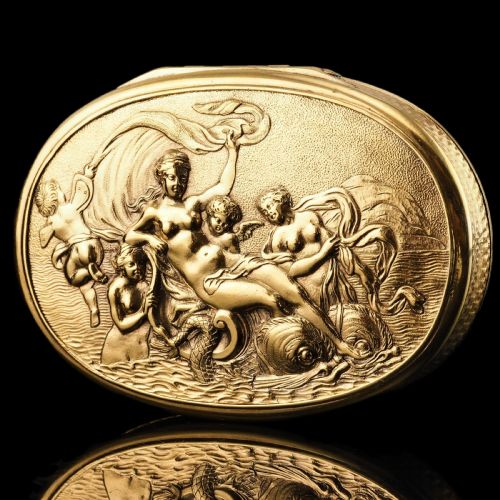
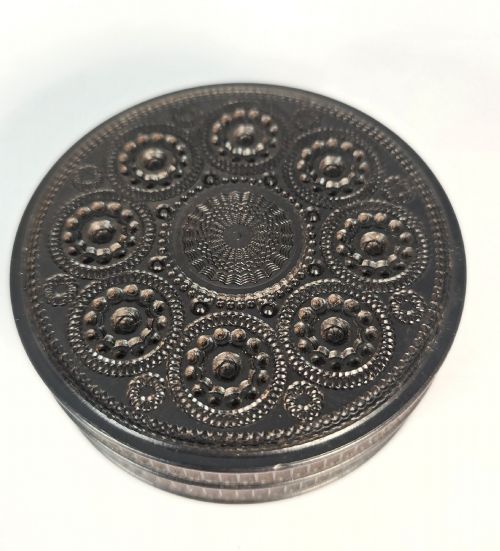
The selections here span periods from the Georgian era through to the Victorian period, including Regency and William IV examples. Alongside sterling silver and gold boxes, you will frequently meet organic materials such as horn, tortoiseshell, and coquilla nut.
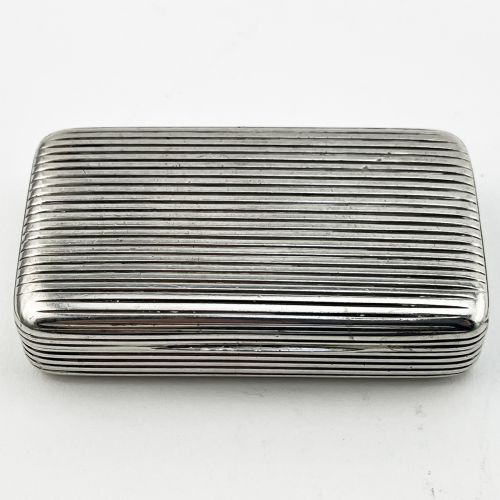
Makers utilised various object types including snuff boxes, cigar cases, and combination pill boxes. The forms range from simple oval shapes to book-shaped gold pieces and double-lidded designs.
How They Were Made
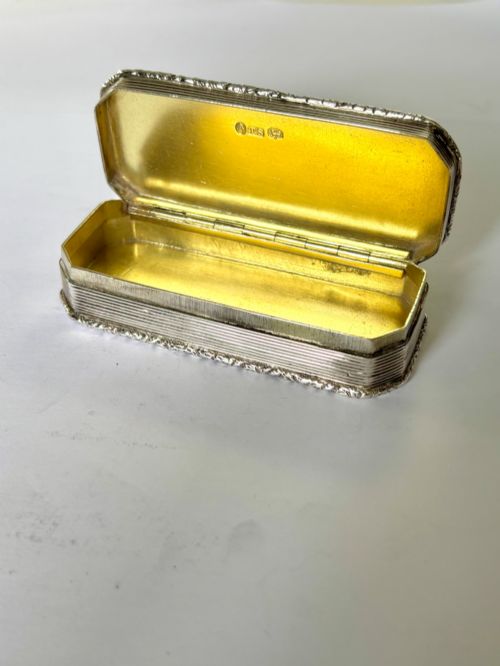
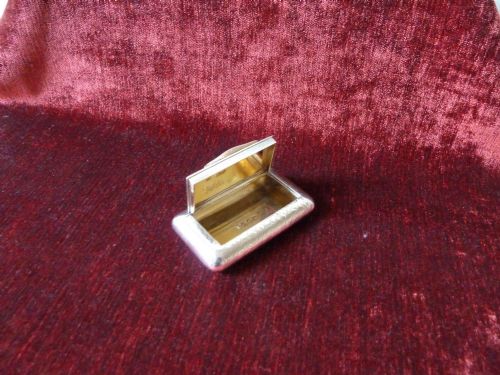
Silversmiths and goldsmiths constructed metal boxes using sterling silver, silver gilt, and 18ct gold, often incorporating engine-turned patterns or floral chased borders. Assay offices in cities such as London, Birmingham, Edinburgh, and Dublin stamped these precious metals with hallmarks.
Organic items relied on carving and shaping natural substances including horn, tortoiseshell, coquilla nut, wood, pony skin, and leather. Craftsmen turned ebony on lathes and shaped shell or agate to form hinged lids and tight seals.
Materials recorded across the inventory include sterling silver, brass, 18ct gold, horn, tortoiseshell, coquilla nut, leather, and pony skin.
What Varies in Quality
The distinction between standard examples and superior pieces rests on the crispness of the chasing, the precision of engine-turned engraving, and the weight of the metal. Finer boxes display deeply carved scenes, heraldic crests, or detailed pictorial motifs executed by skilled silversmiths.
Material choice and structural integrity define the upper tier of the range, seen in solid gold construction, matched double lids, or intricately carved hard woods. The smoothness of the hinge action and the tightness of the closure determine the quality of daily survival.
Thomas Shaw·Joseph Willmore·Alexander James Strachan·William Eaton·Edward Edwards·Charles Rawlings·Matthew Linwood·Joseph Ash·John Caw·J Keating
The Georgian Pocket Tobacco Box Glossary
- Engine turned
- A decorative technique involving geometric patterns cut mechanically into metal surfaces. This method creates precise lines and textures across silver and gold boxes.
- Silver gilt
- Silver that has been coated with a thin layer of gold on its interior or exterior surfaces. This treatment protects the silver from tarnishing and provides a rich appearance.
- Coquilla nut
- The hard, dark brown fruit of a South American palm tree frequently used for small turned carvings. Nut boxes often feature detailed surface carving.
- Snuff box
- A small container designed specifically to hold powdered tobacco. These boxes typically feature tightly fitted hinged lids to preserve the contents.
- Hallmark
- A series of official marks stamped on precious metals indicating the standard of purity, the assay office, and the year of manufacture. These marks help identify the maker and date.
Georgian Pocket Tobacco Box: Frequently Asked Questions
What is a georgian pocket tobacco box?
A georgian pocket tobacco box is a portable container produced during the eighteenth or early nineteenth century for carrying tobacco or snuff. These items were sized to fit easily into a waistcoat pocket or hand.
Craftsmen produced them in sterling silver, gold, tortoiseshell, and carved woods, often decorating the exterior with engine turning or engraved crests.
How do I date a silver tobacco box?
Dating a silver tobacco box relies upon reading the hallmarks stamped into the metal by the assay office. These official marks usually include a date letter corresponding to a specific year of manufacture.
Stylistic clues such as floral chased borders or engine-turned patterns also help narrow down the period of production.
What materials were used for these boxes?
Makers utilised a wide array of precious metals and natural organic substances. Sterling silver and 18ct gold appeared alongside base metals and painted tin.
Organic materials were equally popular, including tortoiseshell, horn, coquilla nut, ebony, leather, and pony skin.
How were pocket tobacco boxes used?
Owners carried these boxes on their person during daily activities to dispense tobacco, snuff, or cheroots when travelling or socialising. The hinged lids kept the contents secure and dry within pockets.
Some pieces combined multiple functions, housing pills or compartments alongside the primary smoking material.