






Georgian Pocket Case
A georgian pocket case is a portable container holding everything from timepieces to scientific instruments, prized for its miniature engineering and fine materials.
Georgian Pocket Case
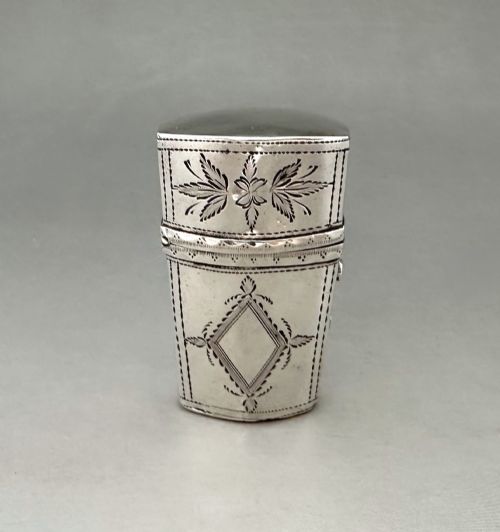
A georgian pocket case encompasses small portable items designed to protect delicate personal objects during travel or daily use. These containers house pocket watches, scientific instruments, spectacles, medical tools, and writing equipment.
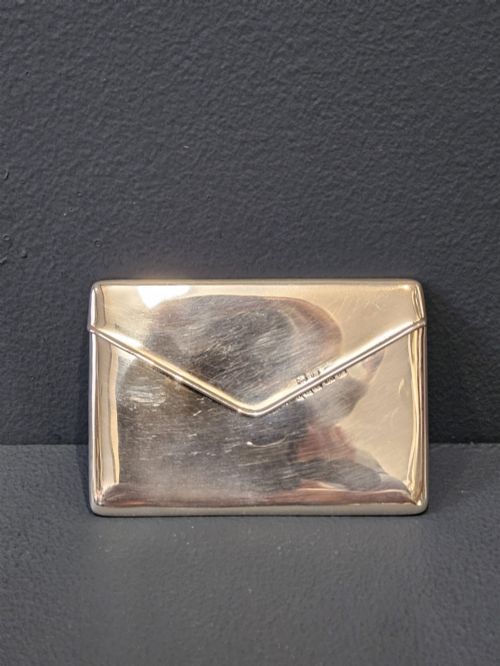
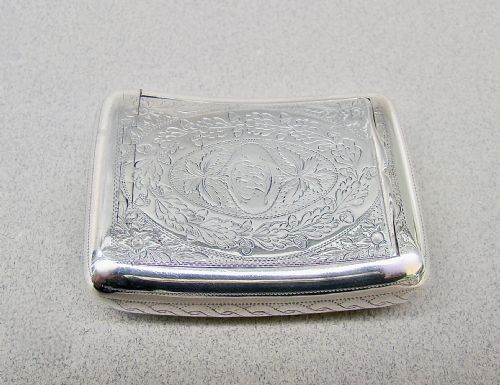
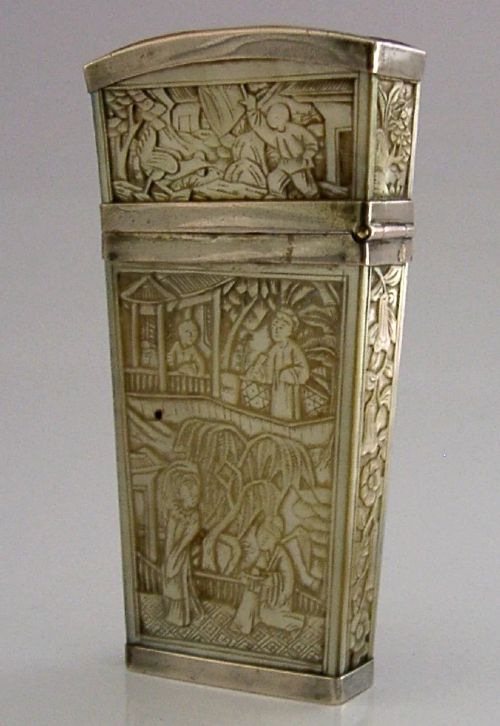
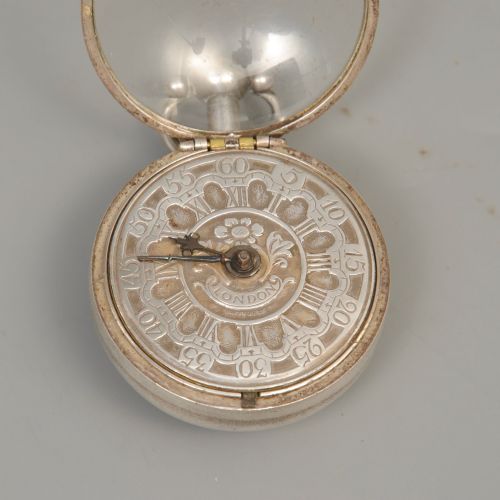
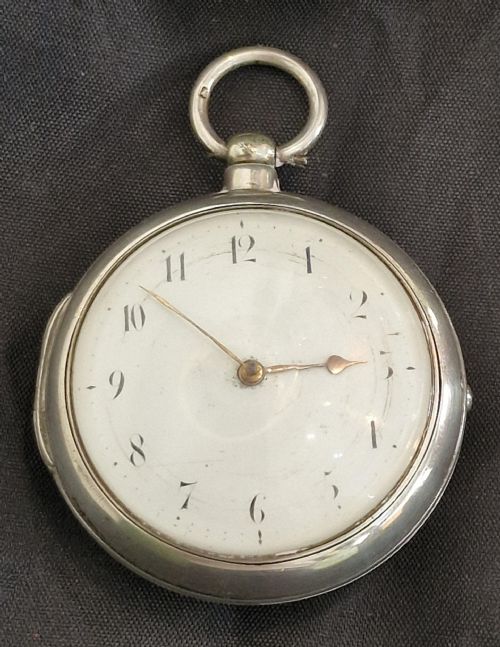
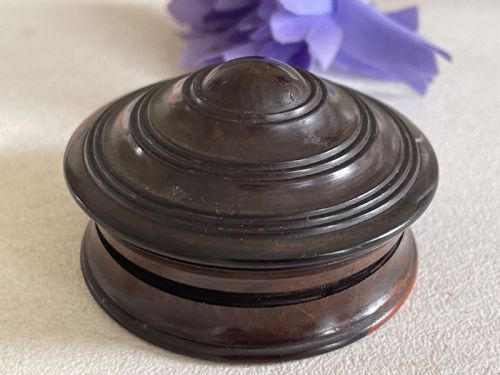
The versions most commonly met on this page span the Georgian and Victorian periods, taking forms such as silver pair cased watch housings, tortoiseshell snuff boxes, leather-bound travelling compasses, and polished etui boxes.
Makers housed these instruments in materials sturdy enough for daily carriage yet refined enough for the pocket of a gentleman or gentlewoman.
Materials and construction
Silversmiths and case-makers utilised sterling silver, brass, steel, and gold casing alongside organic materials like leather, tortoiseshell, mahogany, horn, and glass. Metals were often worked with engine-turned decoration, chased borders, or champleve dial details.
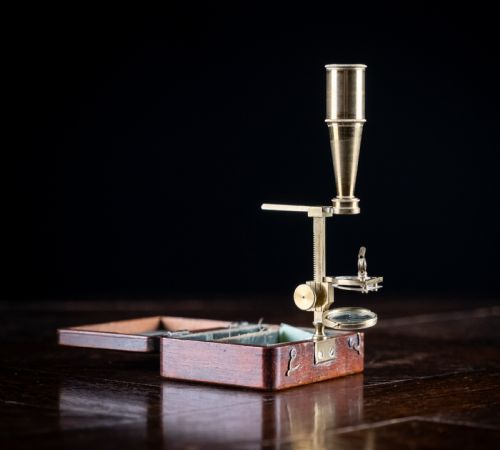
Wooden and leather vessels relied on precision carpentry and tooling, utilising mahogany and red Moroccan leather to line or protect fragile contents like scientific lenses, scent bottles, and portrait miniatures.
Georgian Pocket Case Retail Price Guide 2026
Typical asking prices for georgian pocket case among the pieces listed under this phrase on Sellingantiques today, from the lower quarter to the upper quarter. They describe what is for sale here now, not the wider market.
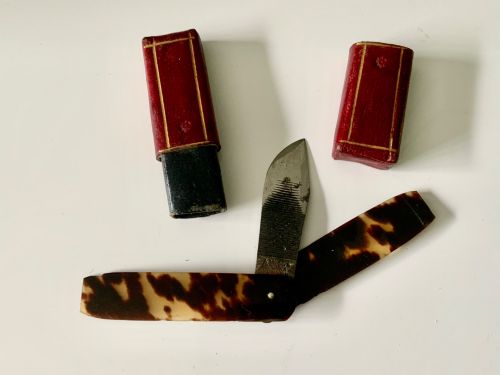
A veterinary vaccinating lancet offers a surprisingly sharp reminder of nineteenth-century animal care.
Indicators of quality
Quality rests in the precision of the mechanics, the crispness of hallmarks, and the integrity of the original housing. Pieces bearing named makers, such as Nathaniel Mills or Edward Edwards, demonstrate superior metalwork and finishing.
The survival of original fitted elements, such as internal sponges, matching watch cases, or complete tool sets within an etui box, separates standard survivals from exceptional examples.
Nathaniel Mills·Edward Edwards·Matthew Linwood·Stephen Houghton And Son·Francis West
The Georgian Pocket Case Glossary
- Etui
- A small ornamental case for holding needles, cosmetics, or writing implements. These containers often featured fitted compartments for specialised tools.
- Vinaigrette
- A small hinged box containing a perforated grille, used to hold a sponge soaked in aromatic vinegar. They are frequently fashioned from sterling silver or silver-gilt.
- Pair cased watch
- A timepiece protected by two separate fitted cases, one within the other. The outer case shielded the inner movement from dust and damage.
- Chondrometer
- A portable instrument used to measure the density or weight of grain. These scientific devices were housed in fitted mahogany cases for field use.
Georgian Pocket Case: Frequently Asked Questions
What did people carry in a georgian pocket case?
These vessels held a wide array of personal and professional items, including pocket watches, spectacles, snuff, scent bottles, and navigational instruments.
Travellers and professionals relied on them to keep delicate items safe from the rigours of movement.
How can I tell a Georgian case from a Victorian one?
Georgian pieces often display simpler neoclassical lines, restrained chased decoration, or plain silver surfaces. Victorian examples frequently utilise heavier ornamentation, engine-turning, and alternate materials like tortoiseshell or chalcedony.
Examining hallmarks and stylistic motifs helps narrow the date of manufacture.
How do I care for antique leather and wood cases?
Keep these items away from direct sunlight and extreme humidity to prevent the wood from splitting and the leather from drying out. Handle hinges and clasps gently as period mechanisms can be delicate.
Allow the natural patina to remain without applying modern chemical polishes.