

Georgian Plate Dish
When you search for georgian plate dish, you enter a diverse field of 18th and 19th-century ceramics, metals, and turned wood made for dining and display.
Georgian Plate Dish
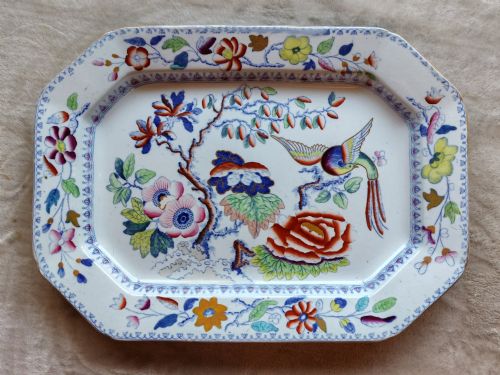
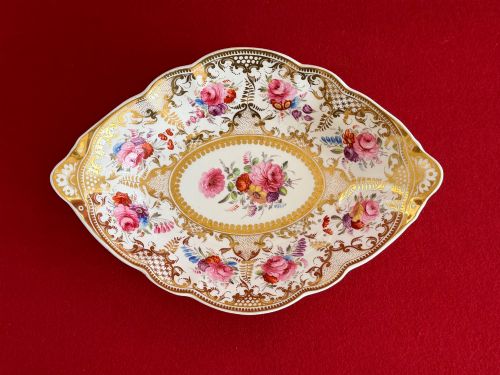
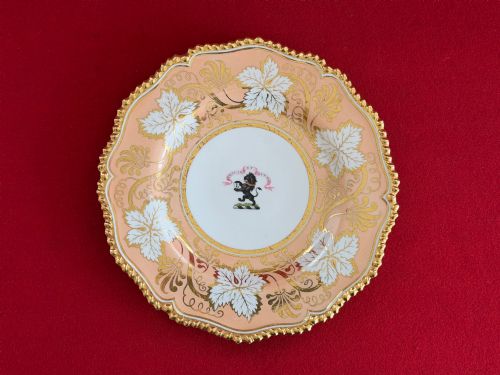
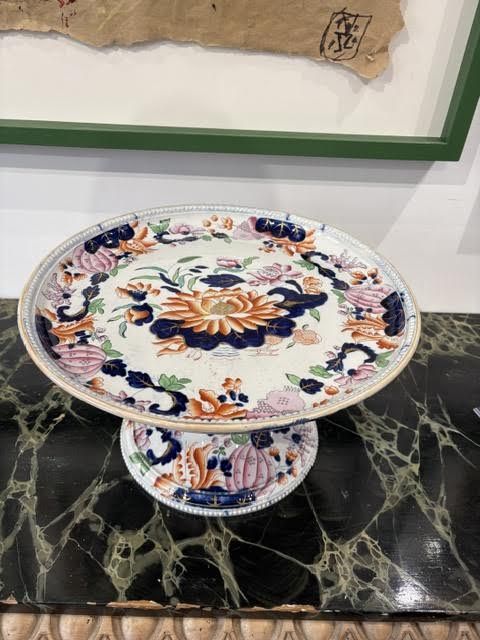
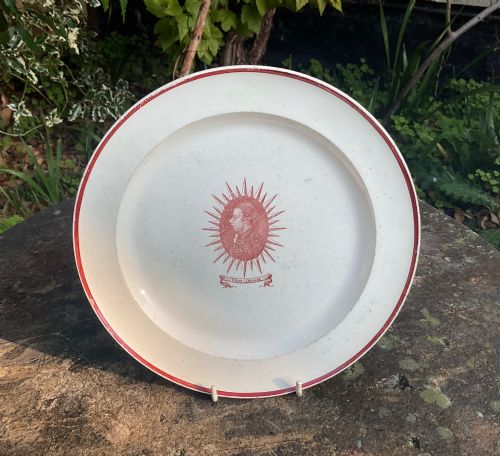
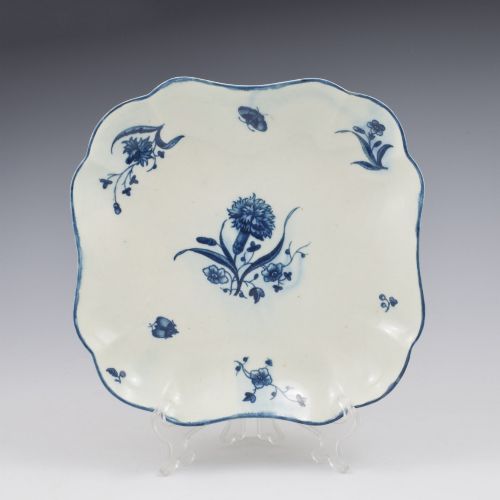
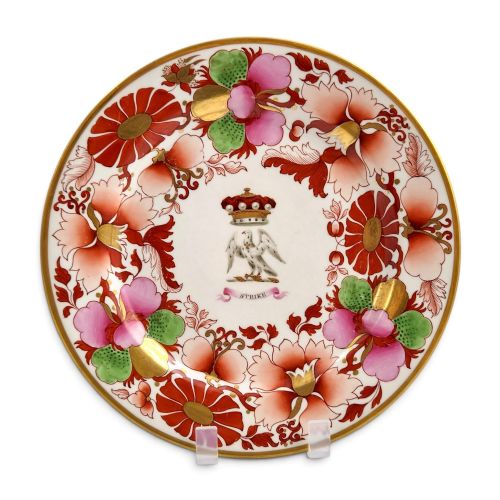
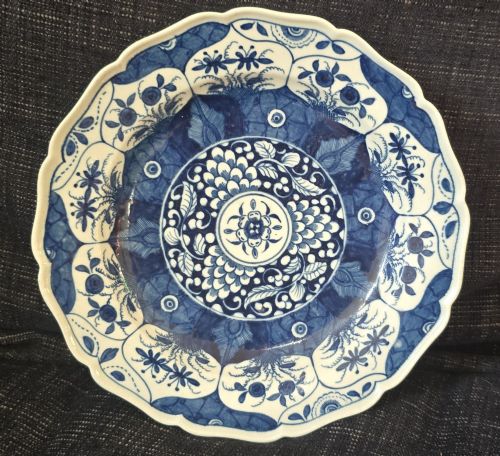
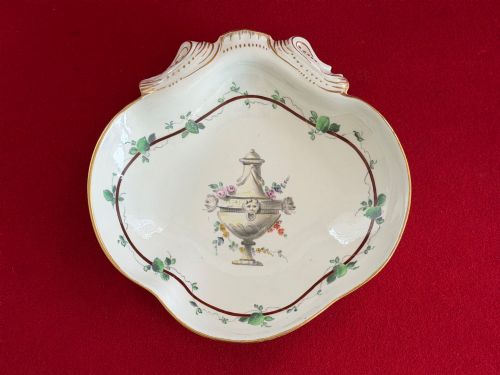
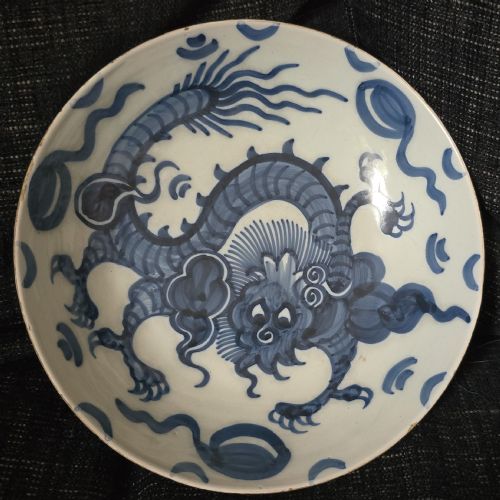
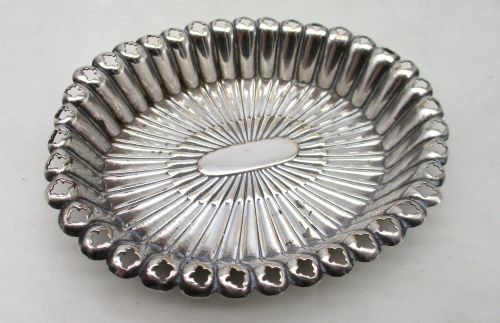
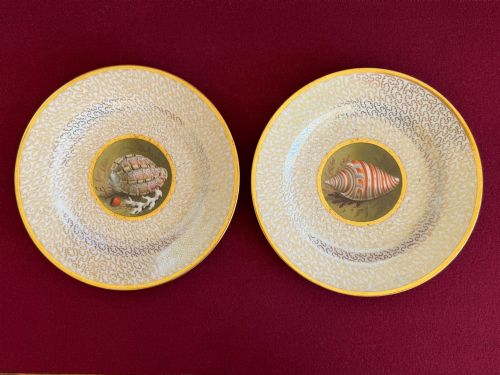
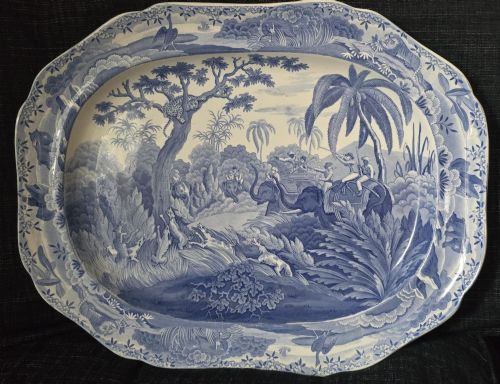
A georgian plate dish covers a wide variety of domestic vessels produced primarily during the 18th and 19th centuries, ranging from utilitarian trenchers to decorative table pieces. The examples gathered under this search phrase include soft-paste porcelain service dishes, tin-glazed earthenware chargers, creamware plates, transfer-printed meat platters, and Old Sheffield plated metalware.
You are most likely to encounter porcelain dessert dishes and earthenware plates originating from English factories such as Worcester, Spode, and Leeds Pottery. These objects reflect the changing dining habits of the period, moving from simple communal platters to elaborate multi-course table services featuring matching plates, tureens, and comports.
Materials and production methods
Potters and ceramists of this era utilised soft-paste porcelain, creamware, ironstone, and tin-glazed earthenware, shaping them either by hand throwing, turning, or pressing into moulds. Decoration was achieved through hand-painting in polychrome enamels, underglaze blue, or by applying transfer-printed patterns before firing in kilns.
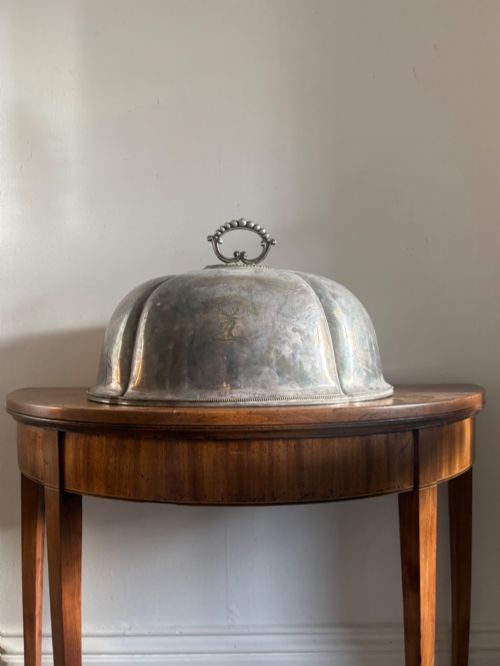
Metal items rely on techniques like fusing thin sheets of silver to a copper base in Old Sheffield plating, or turning timber on a lathe to create sycamore and oak trenchers. Glazing and gilding completed the surfaces, sealing the porous earthenware and adding decorative highlights to porcelain borders.
Georgian Plate Dish Retail Price Guide 2026
Typical asking prices for georgian plate dish among the pieces listed under this phrase on Sellingantiques today, from the lower quarter to the upper quarter. They describe what is for sale here now, not the wider market.
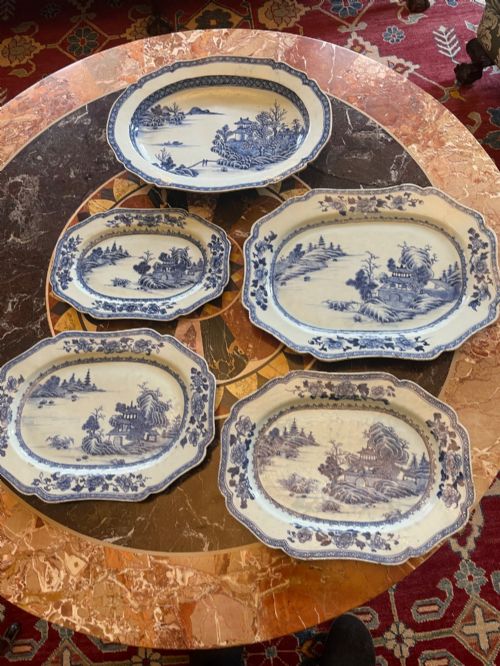
Ceramic forms range from leaf-molded dessert dishes and armorial soup plates to heavy transfer-printed meat platters depicting hunting scenes.
Distinctions in manufacture and finish
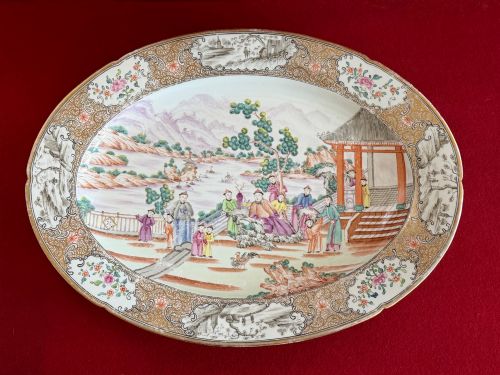
The standard of a georgian plate dish depends heavily on the crispness of the moulding and the skill of the brushwork or transfer printing. Early porcelain pieces display finer details in hand-painted botanical or Chinoiserie motifs, whereas standard factory output relies on repetitive transfer-printed designs.
Material choice and metalsmithing skill dictate the grade of plated or wooden items, with heavy copper cores under thick silver sheets representing superior metalwork. Glaze purity, minimal kiln distortion, and legible factory marks further separate standard utilitarian wares from superior cabinet specimens.
James Giles·Barr Flight and Barr·Spode·H & R Daniel·Leeds Pottery·Roberts Cadman·Bow Porcelain·Chamberlains Worcester·Hicks & Meigh·John Rogers & Son·John Davenport
The Georgian Plate Dish Glossary
- Creamware
- A refined earthenware developed in Yorkshire and Staffordshire, possessing a pale yellowish cream-coloured glaze. It dominated British dining tables during the late 18th century.
- Transfer printing
- A decoration technique where an engraved copper plate transfers a monochrome design onto tissue paper, which is then stamped onto the ceramic biscuit before glazing. This method allowed intricate scenes to be reproduced rapidly.
- Old Sheffield plate
- A composite metal made by fusing a thin layer of silver to a thick copper base, creating durable tableware that predates electroplating. Items made this way often reveal thin copper lines at the cut edges.
- Delftware
- A tin-glazed earthenware produced in England and the Netherlands, typically decorated with blue designs on a white opaque background. These chargers and plates often exhibit characteristic chipping along the unglazed footrims.
- Tazza
- An elevated ornamental cup or shallow dish mounted on a central foot or pedestal. They were used for serving fruit or confections during dessert courses.
Georgian Plate Dish: Frequently Asked Questions
How were these dishes used originally?
These vessels served various functions at the dining table, from everyday dining and communal meat service to displaying sweetmeats and desserts during formal courses. Large chargers and platters held central joints of meat, while smaller plates and leaf dishes held fruit or sweet courses.
Metal items like meat domes and sauce tureens kept food warm at the table, while wooden trenchers and bowls handled dry goods or bread service in more rustic settings.
How do I care for antique ceramic and metal dishes?
Antique ceramics and plated wares require careful hand washing in warm water using mild soap, avoiding dishwashers and harsh abrasive sponges. Sudden temperature changes can cause old glazes to craze or crack.
Silver-plated items benefit from occasional gentle polishing with a non-abrasive cloth to maintain the surface without wearing through the thin silver layer to the copper beneath.
What is the difference between earthenware and porcelain?
Earthenware is an opaque, porous ceramic body fired at lower temperatures, requiring a tin or lead glaze to become waterproof. Creamware and Delftware are common examples seen in this category.
Porcelain is a denser, vitrified material fired at much higher temperatures, rendering it translucent and non-porous even without glaze. Soft-paste porcelain used by early English factories has a warmer tone and a characteristic glassy fracture compared to later hard-paste bodies.