
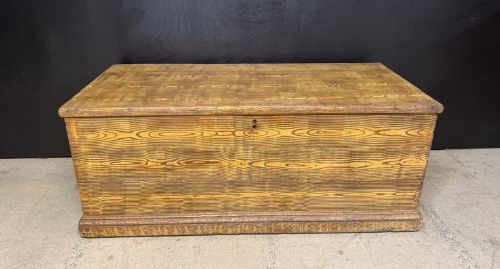
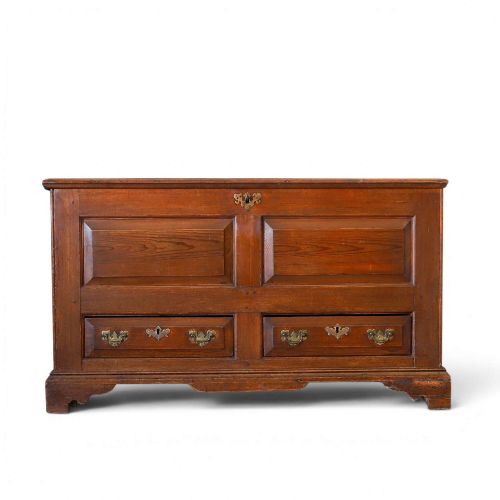
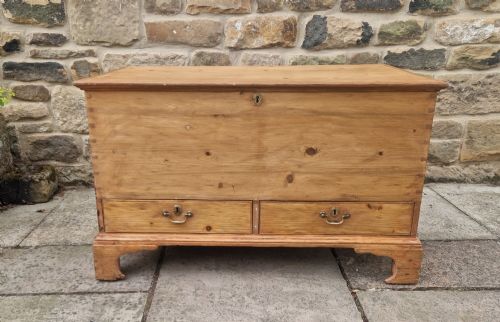
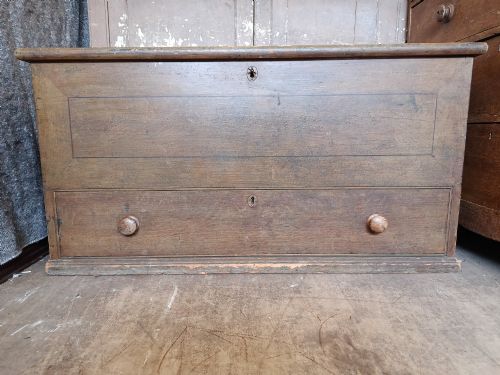





Georgian Pine Box
A georgian pine box delivers honest utility and vernacular character, combining simple softwood construction with practical storage that suits modern living.
Georgian Pine Box
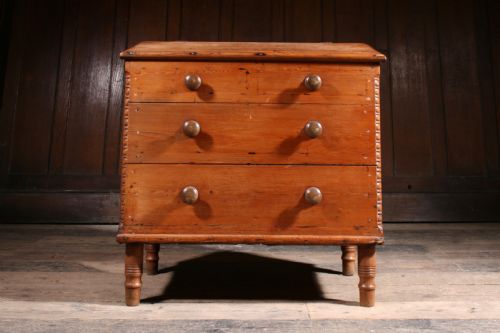
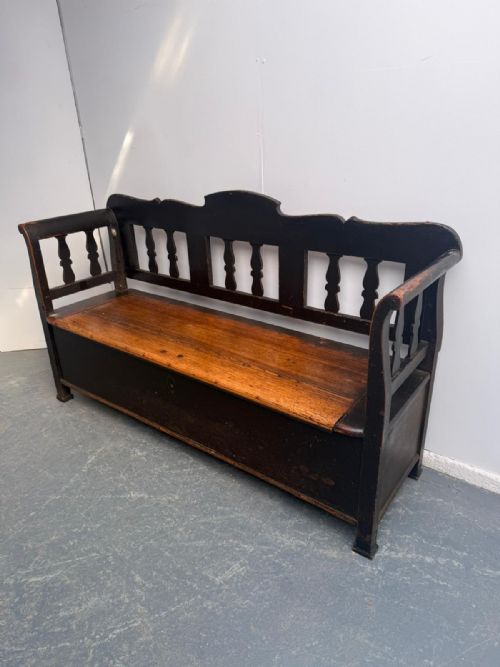
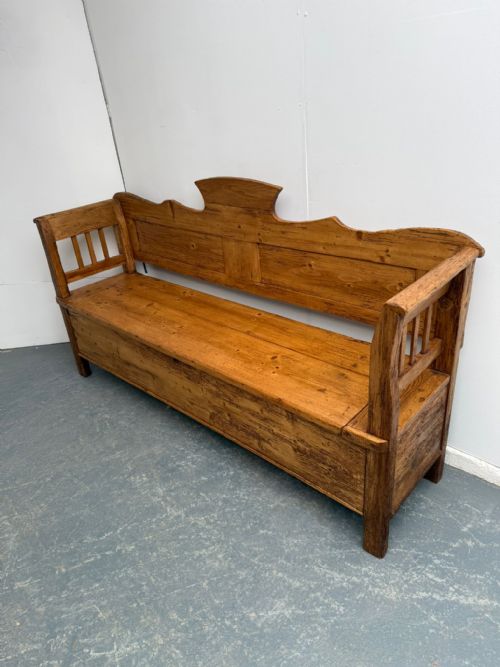
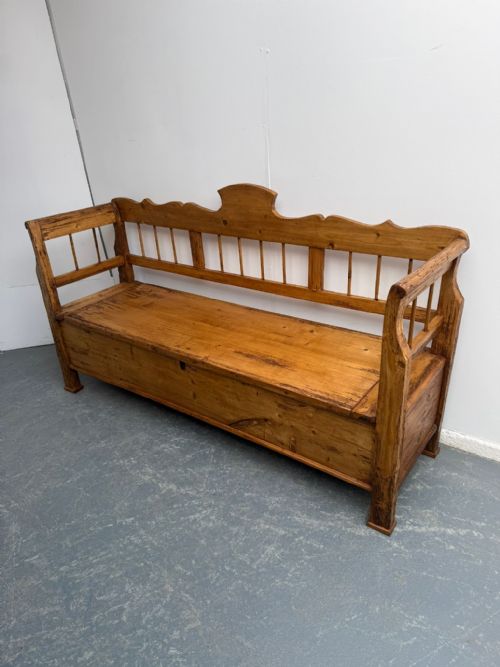
When you search for a georgian pine box, you encounter practical storage vessels that range from small wall-hanging spice boxes and candle boxes to large mule chests, blanket boxes, and box settles. These pieces originate primarily from domestic, agricultural, and maritime settings across Britain and Europe, reflecting the everyday storage needs of past households.
The versions most frequently met on this page include blanket chests, mule chests featuring base drawers, and coffer forms shaped by regional cabinet-making traditions from Wales, England, and Hungary. Many examples retain functional iron or brass hardware, bracket feet, and original painted or waxed surface finishes that distinguish their period origins.
How they were made
Makers constructed these pieces predominantly using native pine, occasionally combining it with secondary hardwoods like oak or ash for structural strength or interior compartments. Boards were joined with sturdy dovetail joints or panelled construction to withstand heavy daily use.
Surface preparation involved either thorough waxing to highlight the natural grain of the timber or the application of paint in teal, red, black, or blue. Iron hinges, rope handles, and brass lock plates completed the construction, securing lids designed to protect textiles, valuables, or provisions.
Listings feature pine combined with iron, brass, paint, wax, and rope across 18th-century, Georgian, and Victorian periods.
What varies in quality
The distinction between ordinary and superior pieces rests largely on the survival of original surface treatments, such as early paint finishes or undisturbed waxed patinas, rather than plain timber alone. Boxes retaining authentic hardware, working locks with keys, and untouched interior compartments command greater appreciation among collectors.
Proportion and construction detail also set pieces apart, seen in fine dovetailing, well-executed bracket feet, and integrated lower drawers on mule chests. Pieces displaying regional vernacular traits or documented histories maintain a stronger connection to their period origins.
The Georgian Pine Box Glossary
- Mule chest
- A storage chest featuring one or more drawers built beneath the main lift-top compartment. This form bridges the traditional blanket chest and the chest of drawers.
- Coffer
- A heavy wooden chest traditionally used for storing valuables, documents, or household goods. These often feature robust panelled construction and iron strap hinges.
- Box settle
- A wooden bench incorporating a high back and a enclosed storage box beneath the seat. They offered protection from drafts in farmhouse kitchens.
- Dovetail
- A joinery technique utilising interlocking wedge-shaped fingers. It provides strong corner joints for boxes and drawers without requiring modern adhesives.
Georgian Pine Box: Frequently Asked Questions
What were pine boxes originally used for?
These boxes served everyday storage needs in homes and workplaces, holding blankets, bedding, clothing, and dry goods. Smaller versions functioned as candle boxes, spice drawers, or maritime seaman's chests for personal belongings.
The sturdy construction allowed them to double as seating benches in kitchens or cabins when space was limited, adapting easily to the demands of domestic life.
How do I identify a Georgian pine box?
Key indicators include hand-cut dovetail joints, pegged frame construction, and forged iron or brass hardware consistent with eighteenth and early nineteenth-century methods. Secondary timbers like oak and distinct tool marks help confirm period manufacture.
Surface characteristics such as historic wax patinas or early lead-based paint finishes further support a Georgian attribution, alongside traditional proportions and bracket feet.
How should I clean a waxed pine box?
Maintain the surface by dusting gently with a dry, soft cloth and occasionally applying a traditional beeswax polish to nourish the timber. Avoid modern silicone-based sprays or excessive moisture, which can damage the aged patina.
Allowing the wood to breathe naturally preserves the character built up over centuries of handling and environmental exposure.
Can I use a blanket box as a coffee table?
These sturdy chests function well as coffee tables in contemporary rooms, providing hidden storage for living space clutter. Their flat tops easily support books, trays, and decorative objects.
Selecting a box with appropriate height and stable proportions ensures it integrates smoothly into daily seating arrangements.