
Georgian Picture Frames
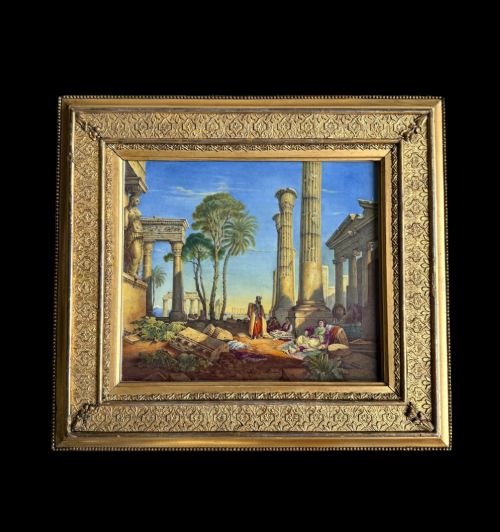
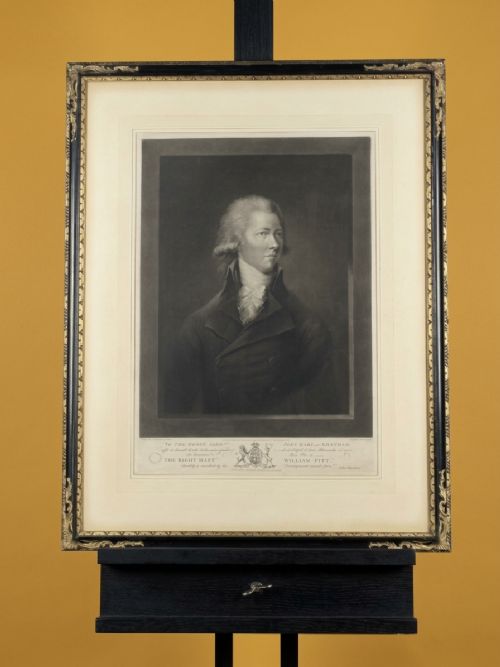
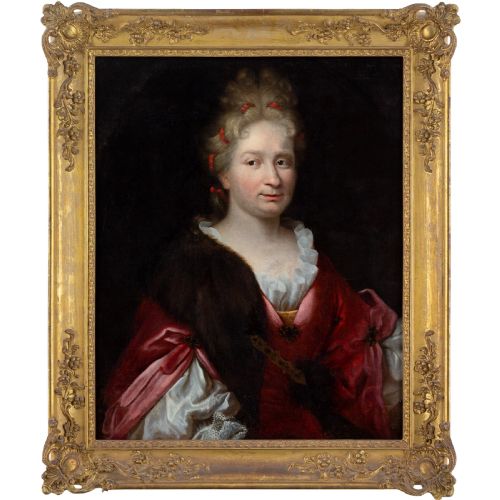
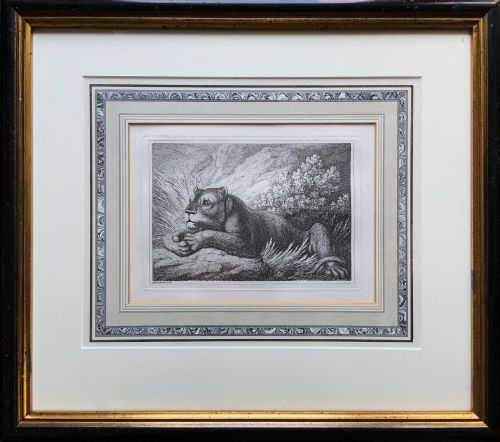
Georgian picture frames enclose the refined portraiture, delicate silhouettes and hand-coloured engravings characteristic of the period.
Georgian Picture Frames
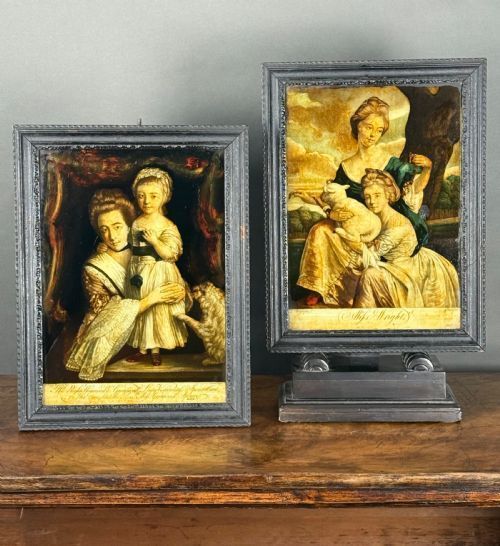
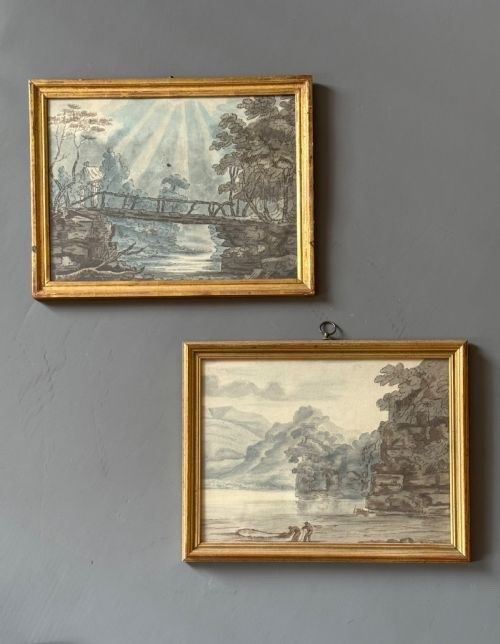
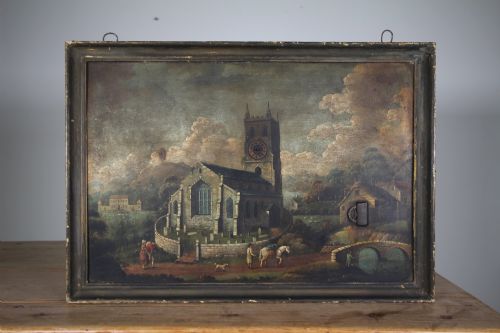
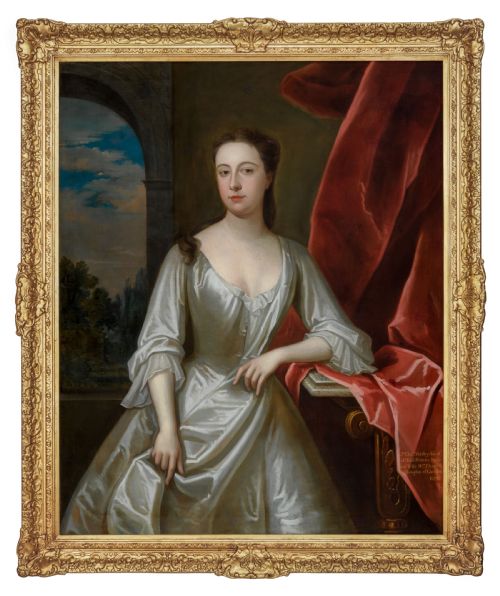
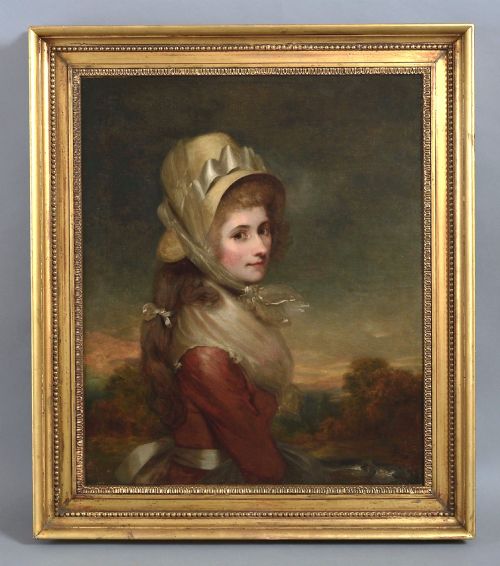
Georgian picture frames house an array of period works, predominantly wall art including oil paintings, watercolours, silhouette profiles and reverse glass mezzotints. When exploring georgian picture frames, collectors encounter pieces stretching from the eighteenth century into the regency and early nineteenth eras.
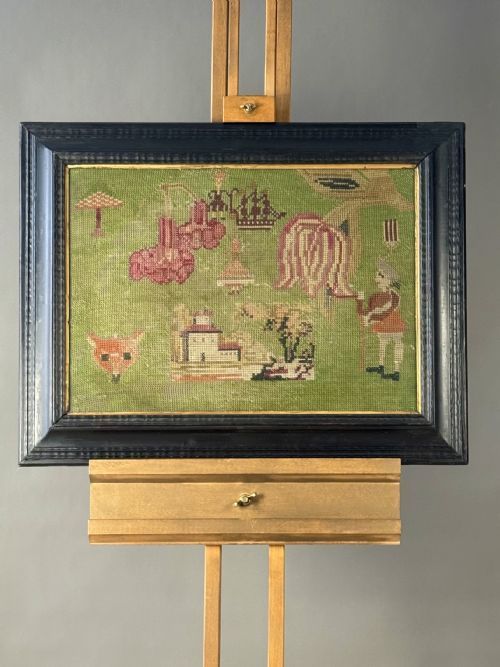
The objects framed within these borders range from needlework samplers and pastel still lifes to classical engravings and woven silk portraits. Many pieces retain their original surrounds, maintaining the historical alliance between the artwork and the protective housing constructed for it.
Materials and construction
Wood serves as the foundational material for these housings, frequently enhanced with gold leaf and giltwood to achieve a lustrous, reflective finish. Selected pieces incorporate rosewood alongside standard timber substrates to create distinct visual borders for prints and paintings.
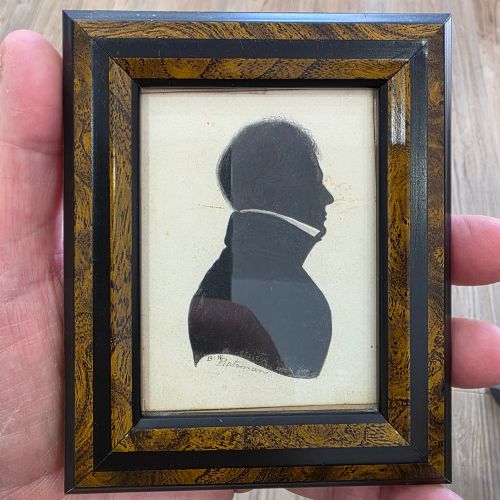
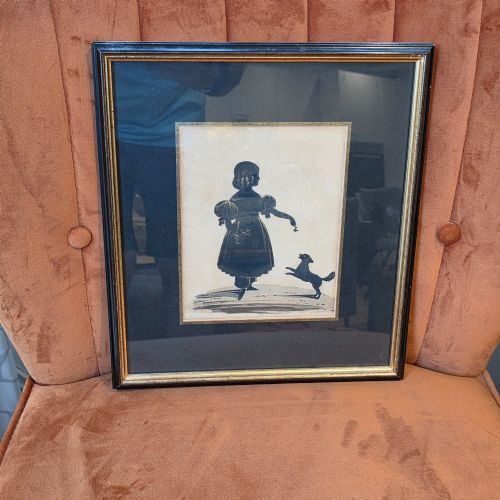
Glass protects delicate paper elements, watercolours and ink works, while specialised techniques such as reverse painting on glass integrate the image directly into the protective medium. Artisans applied traditional joinery and gilding methods to support fragile textiles, canvas oils and cut paper silhouettes.
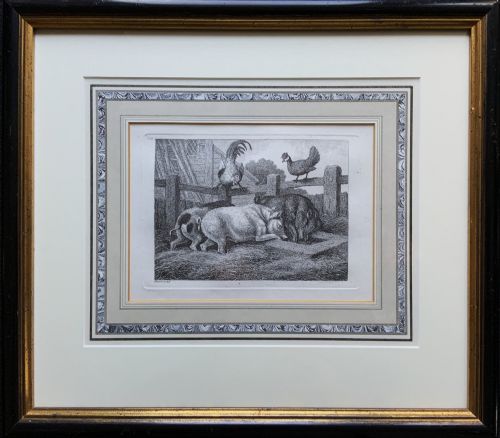
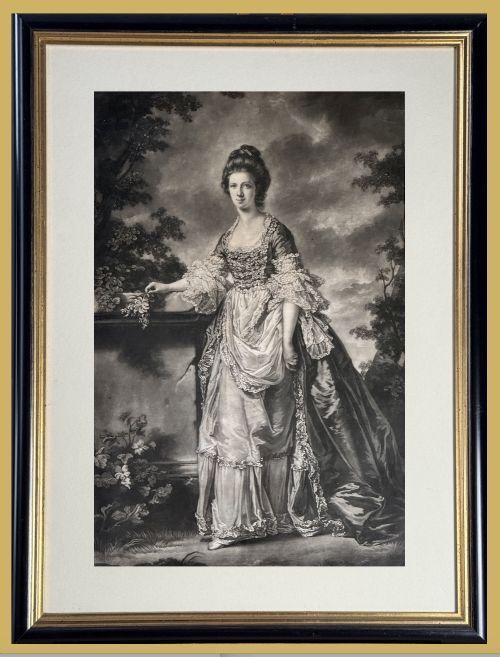
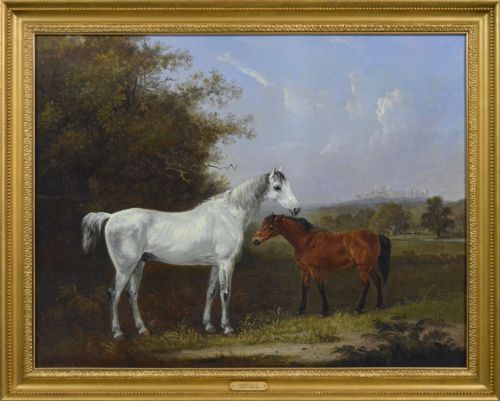
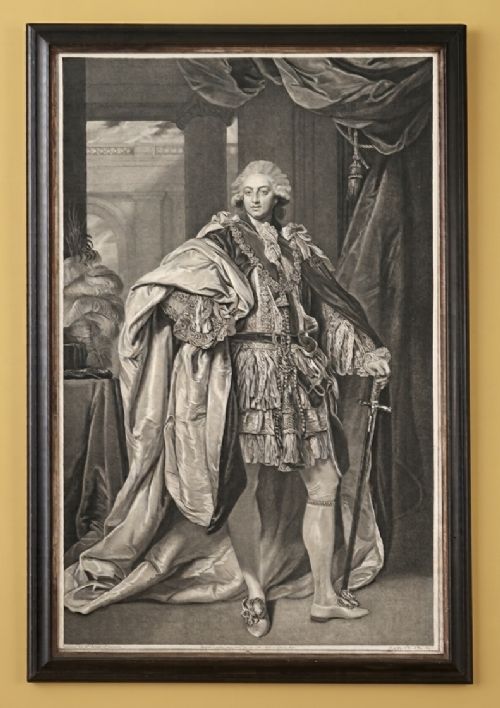
Gentlemen, ladies, children, horses, pheasants, and fruit baskets all stare out from behind antique glass.
Distinctions in quality
The standard of a framed piece rests upon the harmony between the artwork and its surrounding border, particularly where original period housings remain intact. The application of gold leaf and the crispness of moulded wooden detail indicate the level of craftsmanship invested in the object.
Integrity of survival defines the upper tier, where paper, glass, canvas and wood maintain their original relationship without modern restoration masking the passage of time. Pieces retaining period glass and untouched backing materials command greater historical fidelity.
Sir Godfrey Kneller·William James Hubard·Sir Martin Archer Shee·Charles Spooner·Joshua Reynolds·Benjamin Barker·Augustin Edouart·William Hogarth·Samuel Dixon·Adam Buck·Thomas Gainsborough
The Georgian Picture Frames Glossary
- Giltwood
- Wood carved and coated with a thin layer of gold leaf or metal powder. This finish provides a bright, reflective surface popular in formal portraiture displays.
- Reverse glass painting
- An artistic technique where the image is painted directly onto the reverse side of a glass panel. When viewed from the front, the colours display a distinct gloss and depth.
- Mezzotint
- A printmaking process of the tonal method, allowing smooth gradations of light and shade. Eighteenth-century examples were frequently coloured by hand.
- Silhouette
- A portrait represented as a solid shape of a single colour, usually black, matching the outline of the subject. These were often cut from paper or painted on card or glass.
Georgian Picture Frames: Frequently Asked Questions
What periods do these frames represent?
The selection spans the eighteenth century, the regency era and the nineteenth century, reflecting broader stylistic shifts from british baroque and neoclassical designs towards early Victorian tastes.
Items often carry stylistic traits specific to their decade of creation, linking the frame directly to the artistic conventions of the period.
How were these framed works displayed?
Owners mounted these pieces on domestic walls to display family portraits, classical scenes and decorative botanical studies within formal rooms and private chambers.
The inclusion of glass protected vulnerable media such as watercolours, silk works and paper silhouettes from soot, dust and handling.
How can I identify original pairings?
Original pairings are indicated by historical fixings, aged backing boards and signs of synchronous wear shared between the artwork and the surrounding border.
Examining the rabbet and the interface between the picture and the frame often reveals whether the two elements have remained together since creation.
What media are found inside?
Contents include oil on canvas, watercolours, ink drawings, gouache, needlework samplers and cut paper silhouettes.
Specialised formats such as reverse glass prints and woven silk portraits also populate the category alongside traditional engravings.