



Georgian Period Print
A georgian period print captures the refined portraiture, domestic scenes and classical subjects of the era, preserved behind glass or within traditional frames.
Georgian Period Print
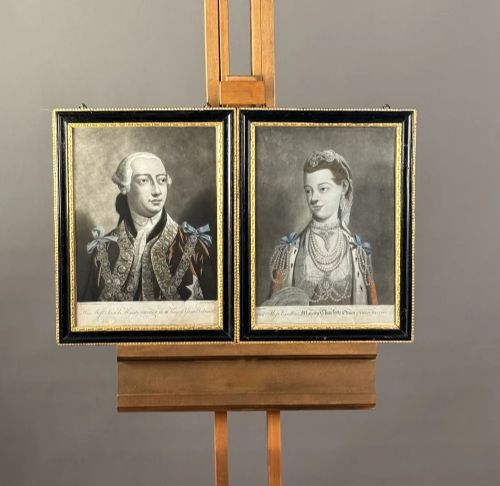
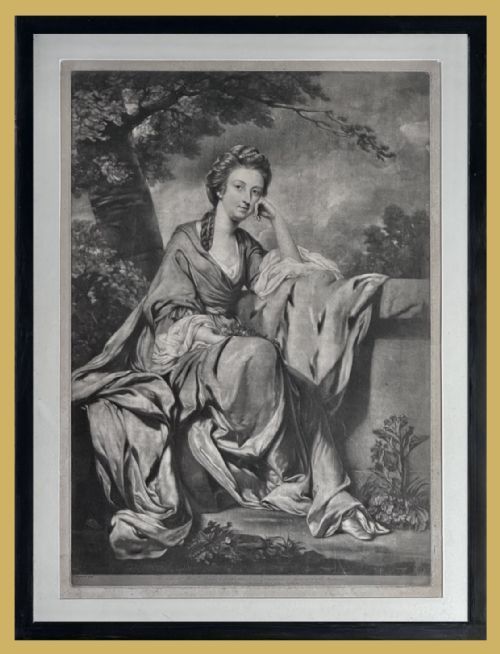
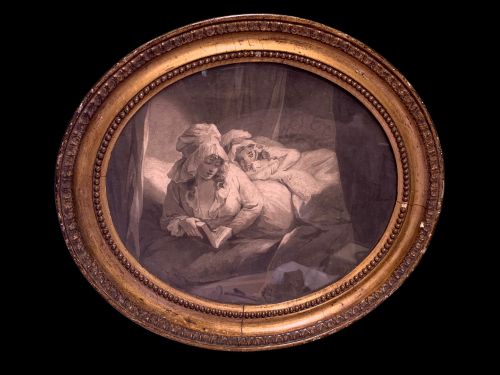
A georgian period print typically encompasses engraved, etched or mezzotint works produced during the eighteenth and early nineteenth centuries. These pieces frequently portray notable figures, classical figures or domestic pastimes recorded by contemporary artists.
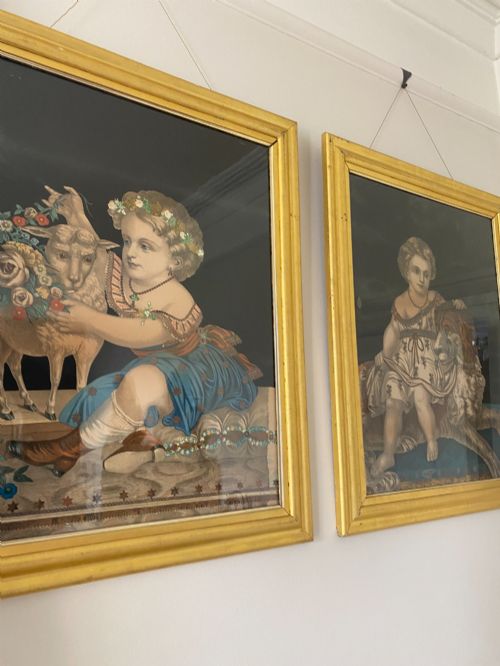
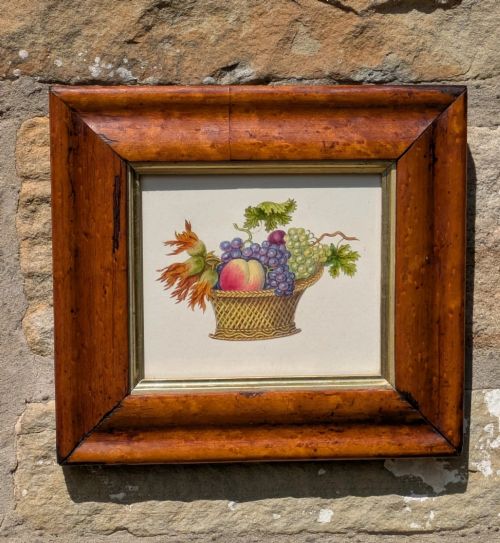
The versions most commonly met on this page include framed portraiture, hand-coloured engravings, and reverse glass prints housed in wood, giltwood or Hogarth frames. Many examples retain their original period mounts and protective glazing.
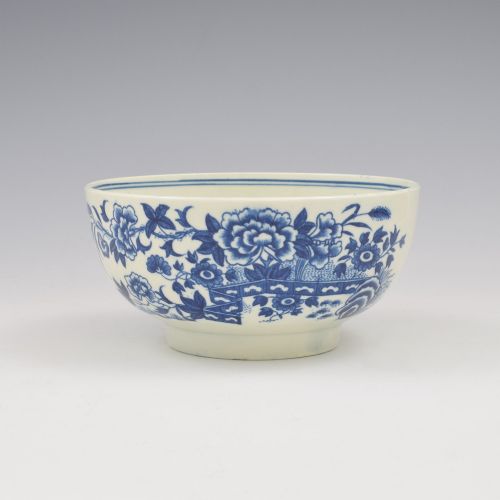
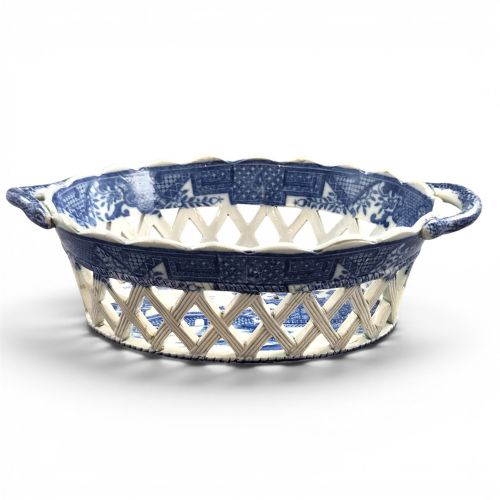
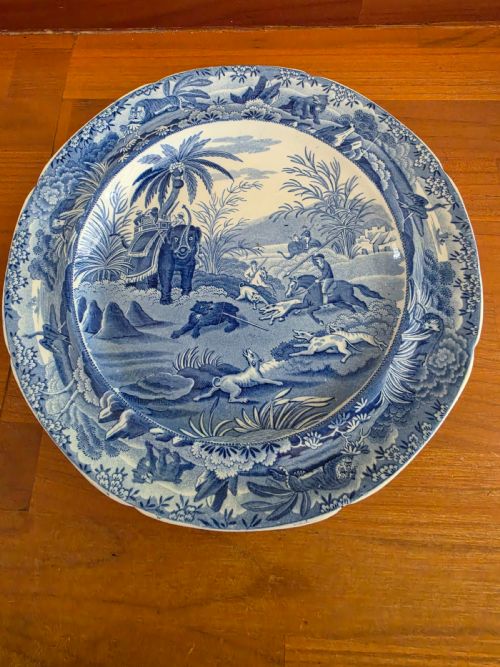
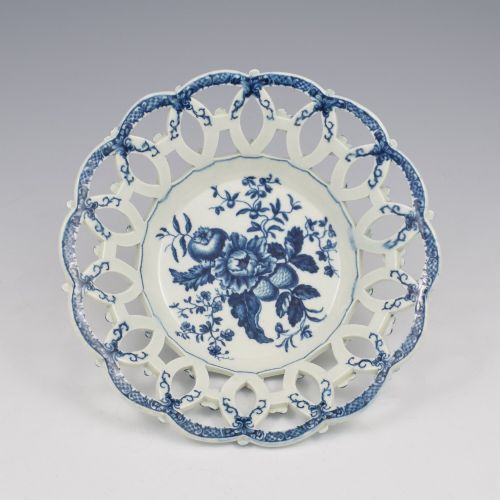
Beyond wall art, the selection extends to related decorative ceramics and transfer-printed tableware carrying characteristic period motifs. These diverse objects reflect the broader aesthetic interests of the georgian and regency eras.
Materials and production
Makers of a georgian period print relied on high-quality paper sheets to receive detailed inked impressions from copper plates. Watercolour was frequently applied by hand after printing to enrich the visual depth of the subject.
Framing materials included carved wood, giltwood and dark timber moulded into Hogarth profiles to protect the delicate paper surfaces. Reverse glass prints inverted this standard approach by applying the pigment directly onto the glass panel itself.
Georgian Period Print Retail Price Guide 2026
Typical asking prices for georgian period print among the pieces listed under this phrase on Sellingantiques today, from the lower quarter to the upper quarter. They describe what is for sale here now, not the wider market.
A graceful minuet danced at Bath is immortalised in a remarkably long engraved sheet.
Assessing quality in prints
Quality rests heavily on the crispness of the impression transferred from the copper plate and the precision of any subsequent hand-colouring. Earlier strikes generally yield sharper lines and richer tonal gradations than later impressions.
The survival of original framing and mounting materials contributes significantly to a piece's integrity. Intact reverse glass panels and period giltwood surrounds elevate the overall standard of the work.
Edward Fisher·James McArdell·George Romney·John Boydell·Adam Buck·H. Singleton·Henry William Bunbury·James Basire·Frank Moss Bennett
The Georgian Period Print Glossary
- Mezzotint
- A printmaking method using a roughened copper plate to achieve rich tonal variations and smooth shades of dark and light. This technique was frequently utilised for sophisticated portraiture during the eighteenth century.
- Engraving
- A method of cutting design lines directly into a metal plate with a sharp tool to hold ink for printing. The resulting impressions display exceptional linear clarity.
- Etching
- A process where acid bites lines into a metal plate covered with an acid-resistant ground. Artists used this method to achieve fluid, drawn lines on paper.
- Reverse glass print
- An artwork painted or transferred directly onto the back side of a glass sheet for viewing from the front. This technique produced a glossy finish popular in the georgian period.
- Hogarth frame
- A narrow, moulded wooden frame featuring a distinct ogee profile finished in dark or partially gilded tones. Such frames are frequently paired with eighteenth-century works on paper.
Georgian Period Print: Frequently Asked Questions
How do I date a print?
Dating relies on stylistic clues, paper watermarks, and inscriptions naming the publisher or sitter. Comparing the plate style with known biographical dates of the artist provides a reliable timeframe.
Original frames often corroborate the period of the artwork. Examining the construction methods of the backing boards and glass offers additional chronological context.
What is a reverse glass print?
A reverse glass print involves applying ink or paint directly to the underside of a glass sheet. The finished image is then viewed through the smooth front surface.
This method created a luminous sheen quite distinct from standard paper works. They were widely produced in the georgian era as decorative wall furnishings.
Are these works hand-coloured?
Many examples feature delicate watercolours applied by hand over the printed monochrome lines. This extra step enhanced the visual appeal of portraits and genre scenes.
Colourists worked directly onto the paper using fine brushes. Close inspection reveals subtle brushstrokes across the costumes and backgrounds.
How should I frame these pieces?
Preserving original framing materials is generally recommended to maintain historical integrity. When framing unmounted sheets, use acid-free backing materials to protect the aged paper.
Keeping works away from direct sunlight prevents the fading of both ink and watercolour pigments. Appropriate glazing helps shield fragile paper from atmospheric moisture.