
Georgian Period Oak Table
A georgian period oak table brings the honest warmth of English country houses into a room through sturdy timber and simple, practical forms.
Georgian Period Oak Table
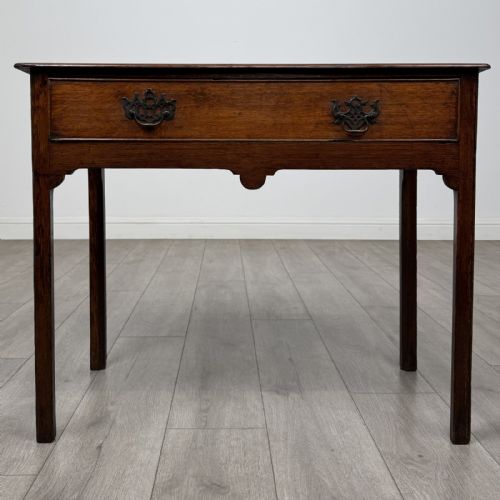
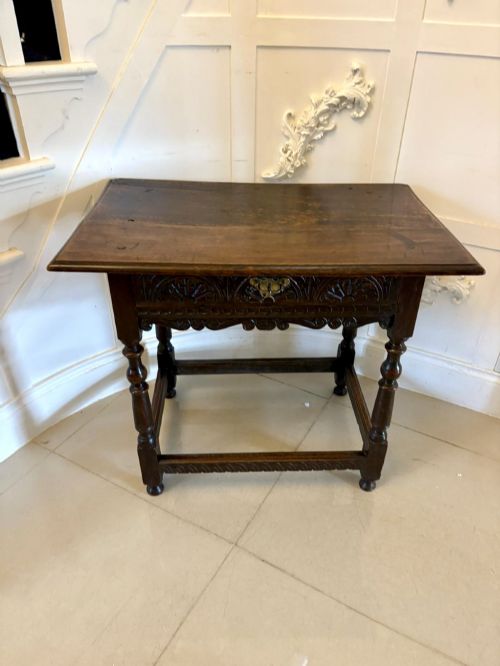
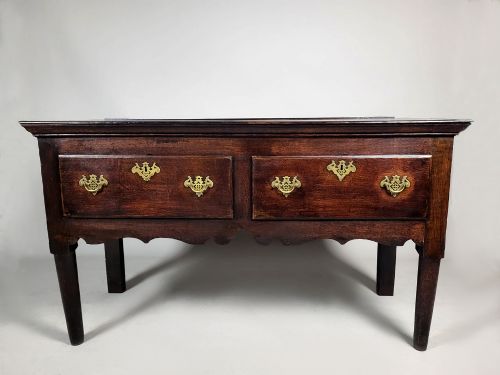
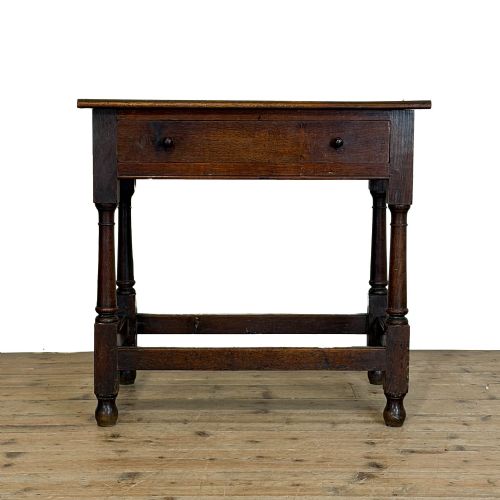
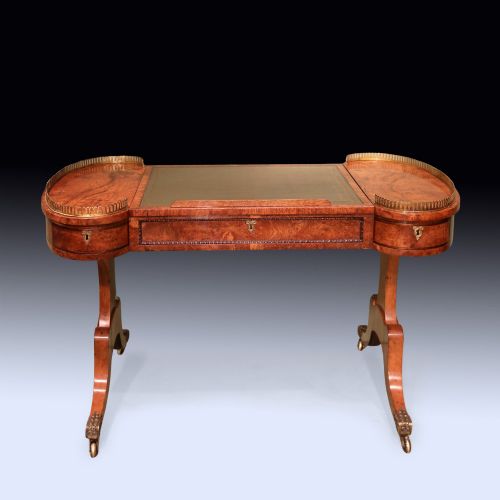
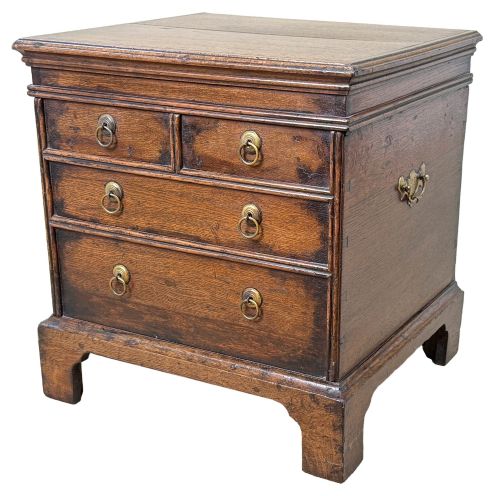
A georgian period oak table encompasses a wide variety of domestic furniture designed for everyday use in country houses, farmhouses and taverns. Buyers searching this phrase encounter practical forms ranging from compact side tables and lowboys to expansive refectory and dining tables.
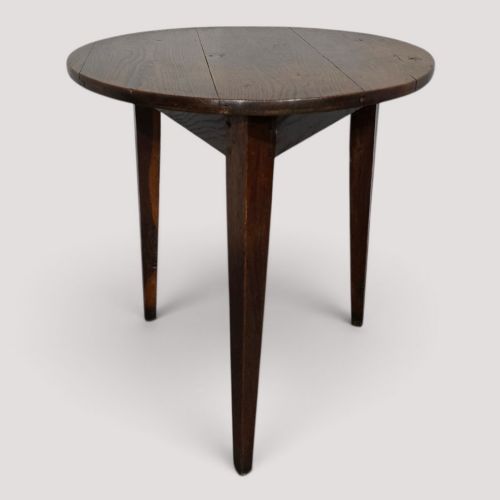
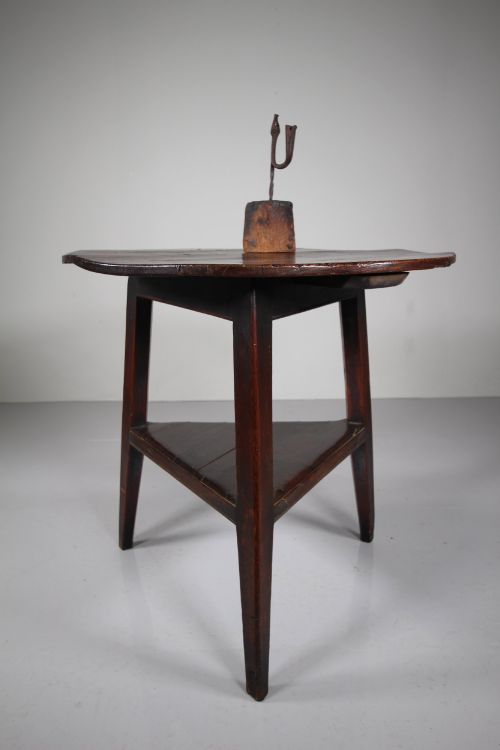
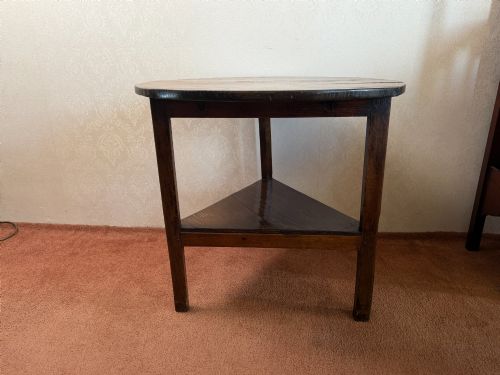
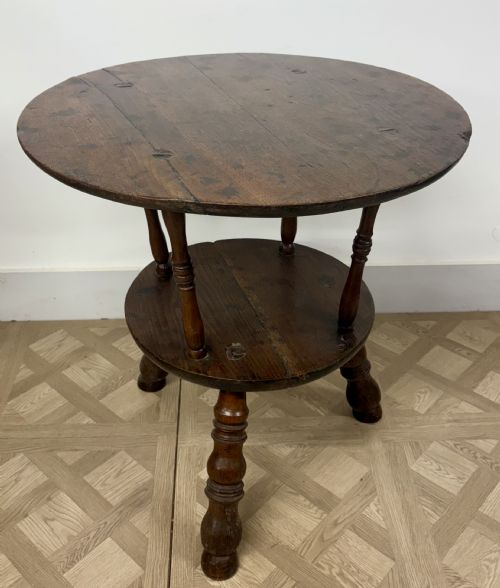
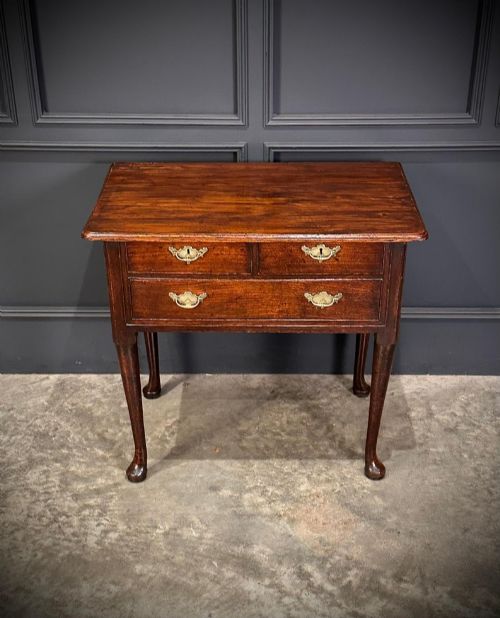
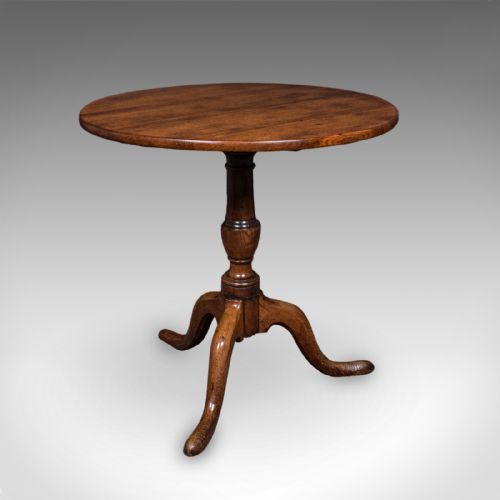
The version most frequently met on this page is the side table or lowboy, alongside tripod and cricket tables built with three legs for stability on uneven floors. These domestic pieces reflect the utilitarian needs of eighteenth-century households, prioritising function and durability over ornate display.
Originating predominantly from English and Welsh workshops, these tables span the seventeenth century through to the Regency period, though the core of the selection sits firmly in the Georgian era. The timber used displays varied grain patterns, often showing the marks of early conversion methods and centuries of honest wear.
What varies in quality
Quality in these pieces rests upon the integrity of the timber selection and the restraint of the design, distinguishing vernacular domestic work from finer urban pieces. Superior examples display well-figured oak boards with minimal sapwood, harmonious proportions and original surface patination accumulated through generations of use.
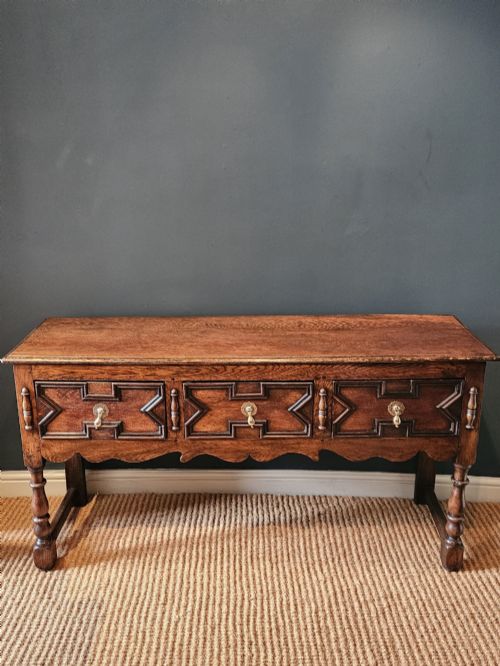
Construction details separate the better tables, such as tightly fitted joints, hand-cut dovetails, and unaltered bases retaining their original timber rather than replaced elements. The presence of period brasses, crisp geometric mouldings and untouched structural framing elevates an ordinary utility table into a notable piece of country furniture.
Listings combine formal Georgian designs with robust English country vernacular forms, spanning the seventeenth to the nineteenth centuries.
The Georgian Period Oak Table Glossary
- Lowboy
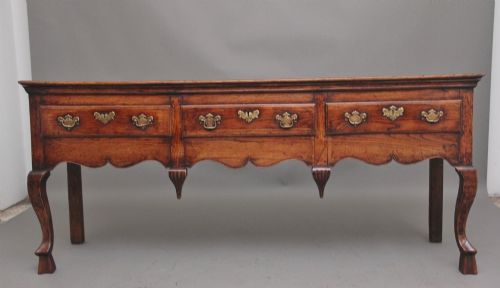
- A small oak table featuring one or more rows of drawers beneath the working surface, commonly used as a dressing or side table. These pieces typically stand on slender cabriole or turned legs.
- Cricket table
- A small, lightweight occasional table supported by three splayed legs, traditionally designed to stand steady on uneven flagstone floors. They frequently feature a circular top above a triangular undertier.
- Gateleg table
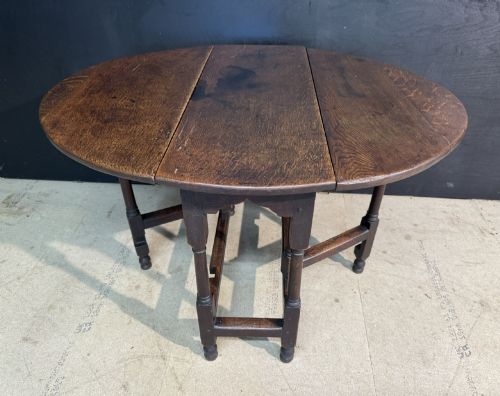
- A drop-leaf table with hinged flaps supported by pivoting legs that swing out like gates. This design allowed tables to fold flat against walls when not in use.
- Refectory table
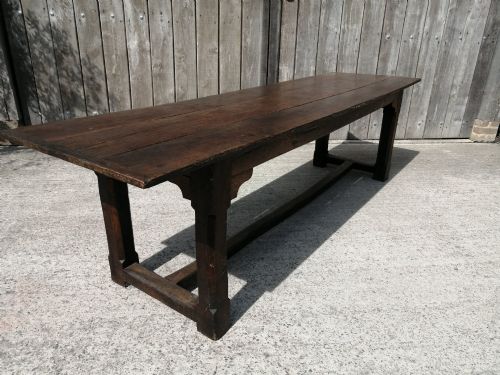
- A long, narrow dining table built for communal meals, characterised by substantial stretcher rails connecting heavy legs. Examples from the early periods often combine oak tops with elm or fruitwood framing.
- Tripod table
- A freestanding occasional or tilt-top table supported by a central pillar rising from three splayed feet. The top often tilts via a birdcage or catch mechanism for compact storage.
- Potboard dresser
- A large dining room or kitchen base featuring an open lower shelf for storing ceramics and cookware. These sturdy pieces anchor country house interiors with deep planked tops and drawer storage.
Georgian Period Oak Table: Frequently Asked Questions
What rooms suit these tables best?
These tables adapt easily to modern living spaces, functioning well as lamp tables, hallway surfaces or compact desks. Their warm timber tones complement both traditional and contemporary interiors.
Larger gateleg and refectory formats serve effectively as dining or kitchen workspace tables. Their durable construction ensures they handle daily domestic life comfortably.
How do I care for antique oak?
Maintain the finish by dusting with a dry cloth and occasionally applying a traditional beeswax to nourish the dry timber. Avoid placing tables near direct heat sources or strong sunlight to prevent splitting.
Use coasters and mats to protect the antique surface from moisture and heat marks. Gentle care preserves the natural patina developed over centuries of use.
How do I spot an 18th-century piece?
Examine the construction methods underneath and inside the drawers for hand-cut dovetails and pegged joints. Eighteenth-century timber often displays irregular grain patterns and tool marks from early saws.
Hardware placement and timber shrinkage around fixings offer further clues to age. Original patination shows soft, undulating wear rather than mechanical perfection.
What is a tilt-top table used for?
Tilt-top tables served as versatile tea or occasional tables in Georgian parlours. The mechanism allowed the top to tip vertically so the table could store against a wall when not in use.
This space-saving design made them popular in smaller rooms throughout the country. Today they function as decorative display surfaces that fold away if needed.