


Georgian Period Lighting
Georgian period lighting brings together brass candlesticks, bronze wall lights and cut-glass lustres that illuminate interiors with the distinct weight of the eighteenth century.
Georgian Period Lighting
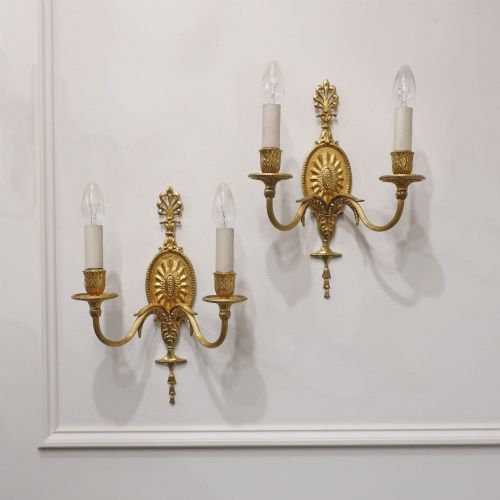
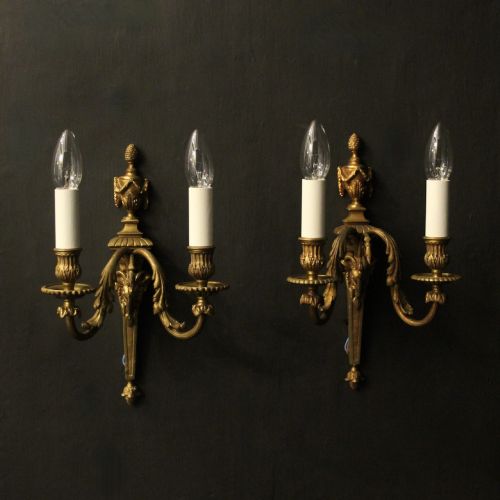
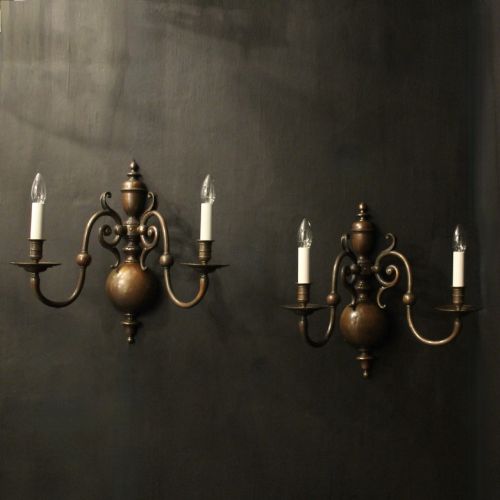
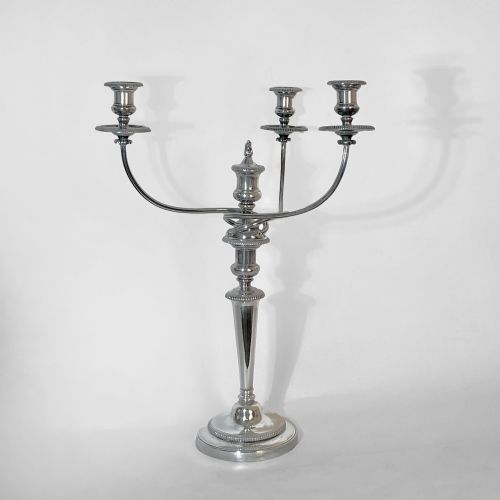
Georgian period lighting encompasses candlesticks, wall lights, chandeliers, candelabra, table lustres and oil lamps made predominantly during the eighteenth and early nineteenth centuries. These pieces reflect the prevailing tastes of the Georgian era, moving from early pillar and petal bases to neoclassical bronze and ormolu designs.
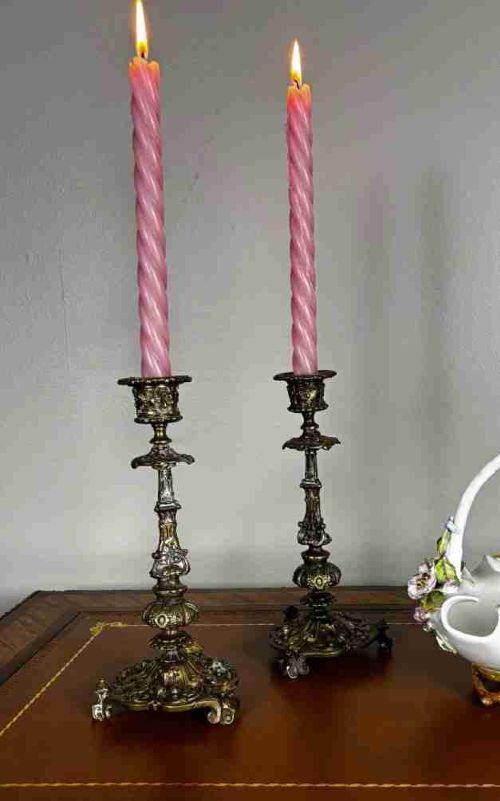
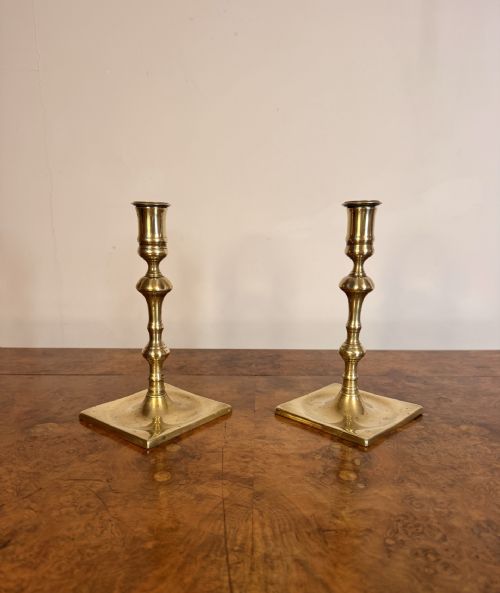
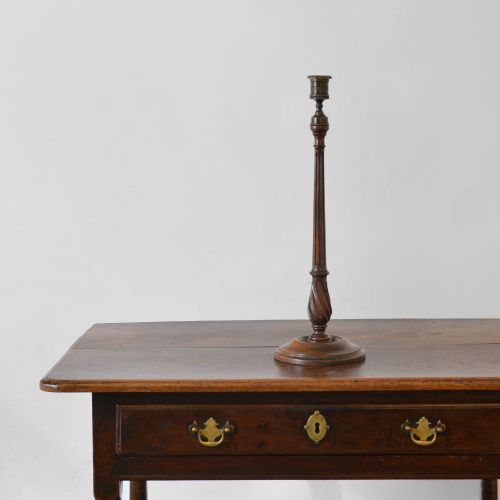
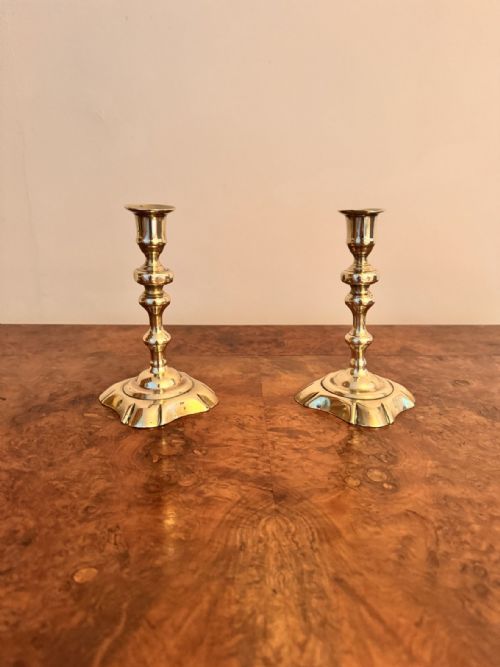
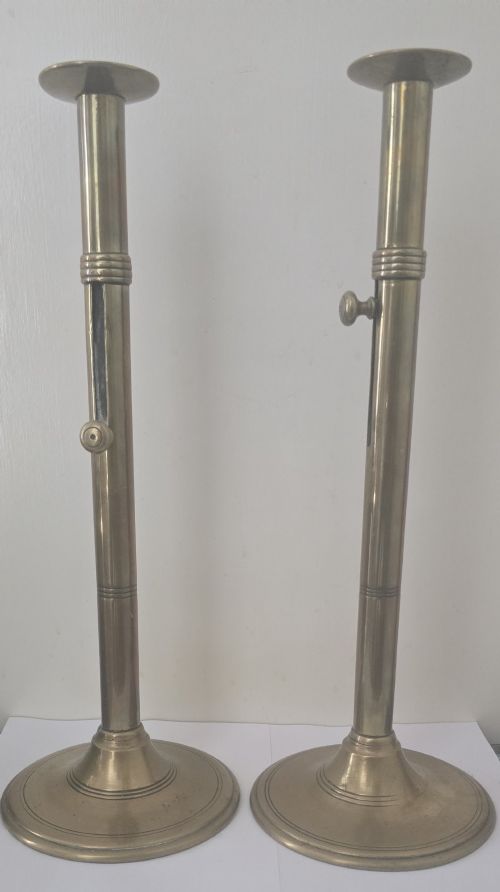
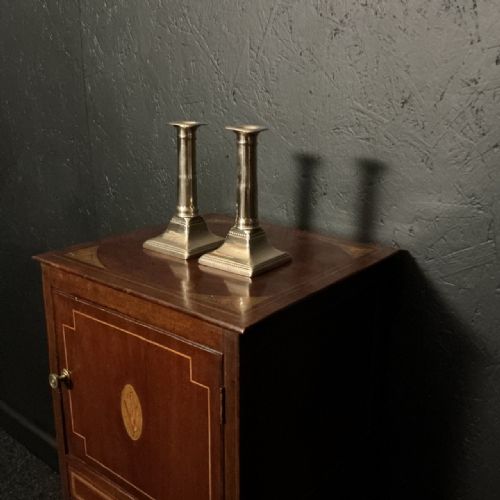
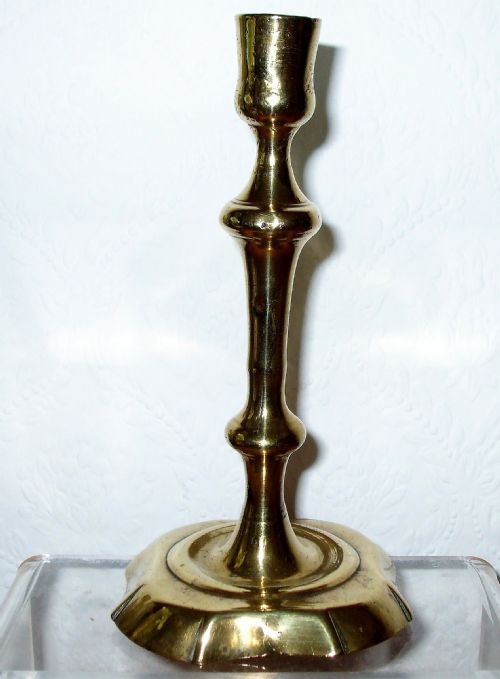
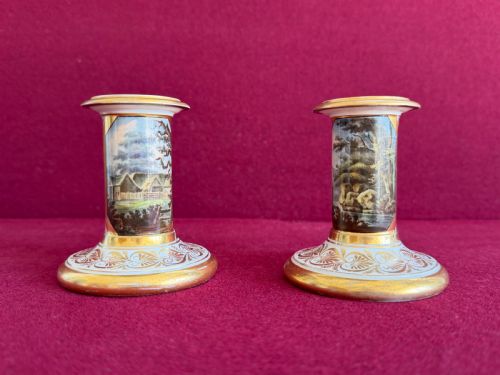
Brass candlesticks dominate the selection, appearing in forms from hexagonal and octagonal bases to tall columns fitted with side ejectors. Alongside these metal items, buyers encounter mahogany candlesticks, porcelain pieces and clear cut-glass table lustres designed to reflect candlelight across a room.
The objects span domestic table illumination, chamber sticks for bedrooms, and larger multi-light candelabra or wall fixtures. Their forms shift from the restrained lines of Queen Anne and early George II designs to the grander Regency styles incorporating bronze, marble and polished brass.
Materials and Construction
Brass and bronze form the backbone of these pieces, utilised through casting and seaming techniques that leave visible construction details on early examples. Craftsmen worked cast brass and gun metal into heavy bases and columns, often employing seaming methods to join components securely before finishing the surface.
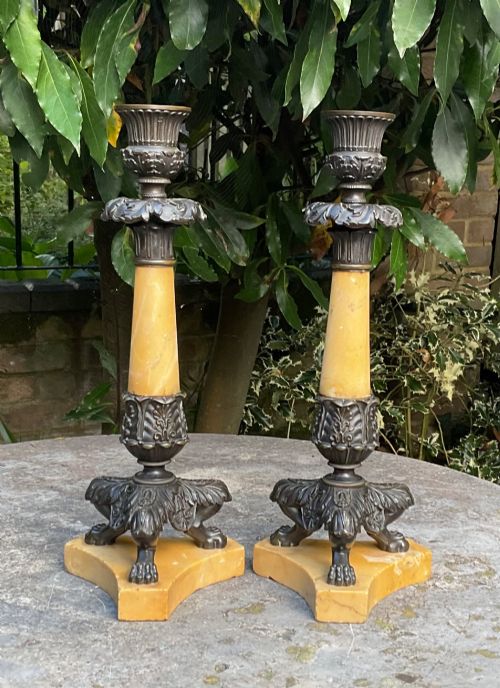
Decorative work frequently involves ormolu application on bronze bodies, alongside combinations of white marble and clear cut-glass drops. Timber pieces rely on turned mahogany and pine, while metalwork incorporates Sheffield plate and silver-plated elements on copper foundations to achieve rich tonal contrast.
Georgian Period Lighting Retail Price Guide 2026
Typical asking prices for georgian period lighting among the pieces listed under this phrase on Sellingantiques today, from the lower quarter to the upper quarter. They describe what is for sale here now, not the wider market.
Some tall brass candlesticks include clever side ejectors, sparing knuckles from hot wax when changing stubborn candle stubs.
Distinguishing Quality
Quality rests upon the crispness of casting detail, the integrity of original components and the balance of the proportions. Heavy, well-balanced bases and sharply defined mouldings on hexagonal or petal designs distinguish superior work from simpler, utilitarian workshop output.
The preservation of original surface patination and unpolished mounts separates exceptional survivors from pieces subjected to aggressive cleaning. Integrated mechanisms like functional side ejectors and matching pairs further elevate the standing of individual items.
Barr, Flight and Barr
The Georgian Period Lighting Glossary
- Candelabra
- A branched lighting fixture designed to hold multiple candles simultaneously. These pieces often feature central stems with arms extending outward for branch lights.
- Ormolu
- Finely ground high-carat gold applied to a bronze base through a mercury amalgamation process. This technique imparts a rich, golden lustre to decorative mounts.
- Side Ejector
- A mechanical lever fitted to the side of a socket to push out remaining candle wax and stub. It represents a practical innovation found on specific brass candlesticks.
- Table Lustre
- A decorative tabletop candlestick hung with cut-glass prisms or pendants. The glass catches and refracts candlelight to increase visual brilliance.
- Pricket Candlestick
- A candlestick featuring an upward-pointing metal spike that impels the base of the candle to hold it secure. This form appears frequently on ecclesiastical and formal table brass.
Georgian Period Lighting: Frequently Asked Questions
What defines Georgian period lighting?
These pieces comprise brass candlesticks, bronze wall lights, chandeliers and cut-glass lustres produced during the eighteenth and early nineteenth centuries. They combine functional illumination with the classical proportions and decorative motifs of the era.
Materials range from heavy cast brass and patinated bronze to mahogany and porcelain. Their forms evolve from early plain columns to ornate Regency ormolu and marble compositions.
How do I care for antique brass lighting?
Keep brass and bronze pieces away from damp environments and extreme temperature fluctuations to preserve the underlying metal and surface patination. Dust them gently with a dry, soft cloth rather than applying harsh chemical polishes.
Avoid abrasive scrubbing that strips away centuries of age and character. Allowing the natural patina to settle maintains the historical integrity of the metal.
How can I distinguish early brass candlesticks?
Early eighteenth-century examples typically feature solid cast bases in hexagonal, octagonal or petal configurations rather than later rounded designs. Construction clues like seaming lines and heavier metal weight point to older manufacturing methods.
Socket depths and shaft turnings also shift across reigns, moving from simple baluster profiles toward neoclassical columns and Regency proportions.
Were these lights originally wired for electricity?
These items were designed strictly for wax candles or oil combustion before modern domestic electricity existed. Candlesticks, chamber sticks and oil lamps served as portable light sources moved from room to room.
Wall lights and chandeliers hung in fixed positions to illuminate specific gathering spaces using candlelight. Any modern electrification represents a later adaptation added long after their initial creation.