


Georgian Period Female Portrait
A georgian period female portrait captures the likeness of women from the eighteenth and early nineteenth centuries in oils, pastels, and watercolours.
Georgian Period Female Portrait
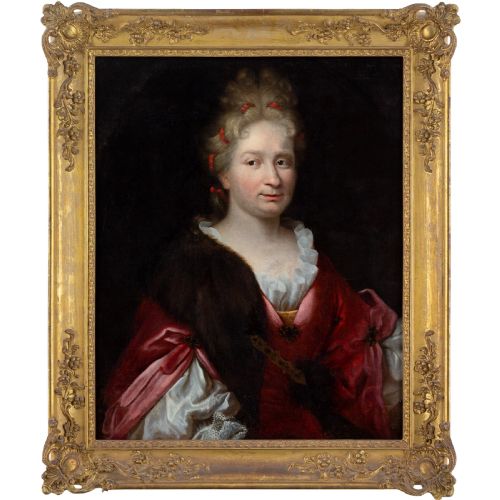
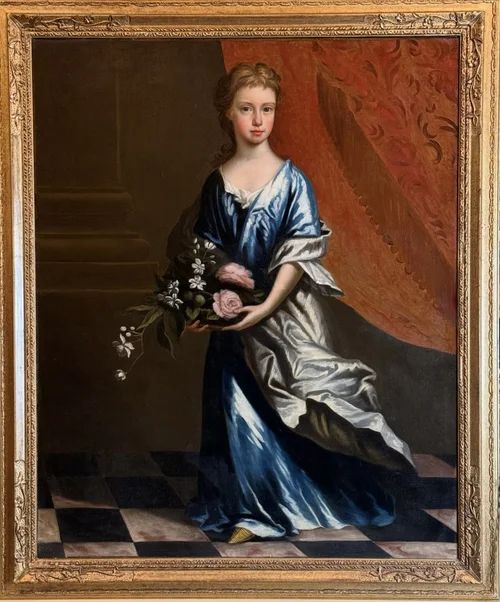
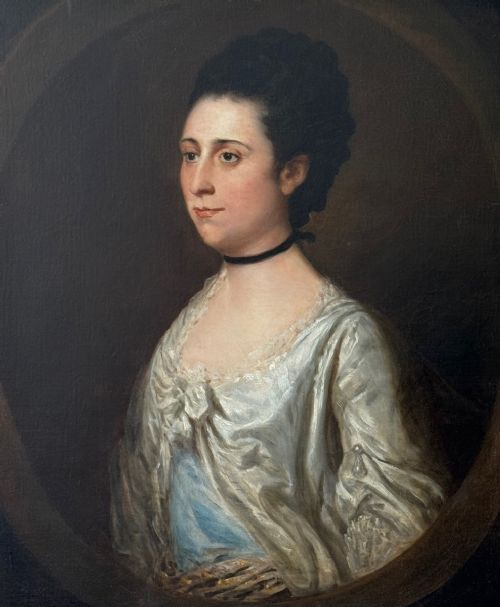
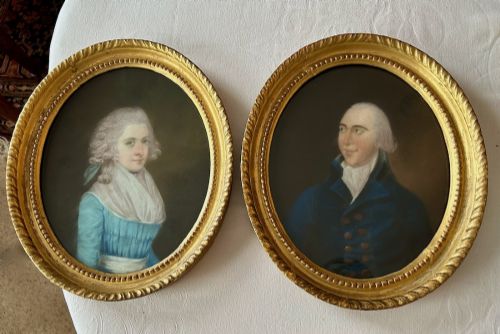
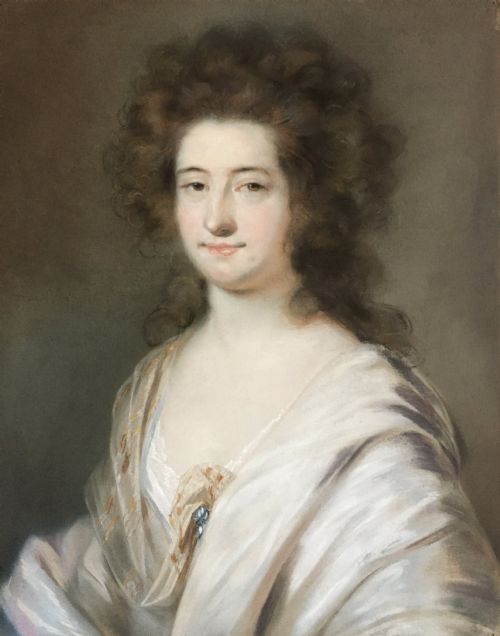
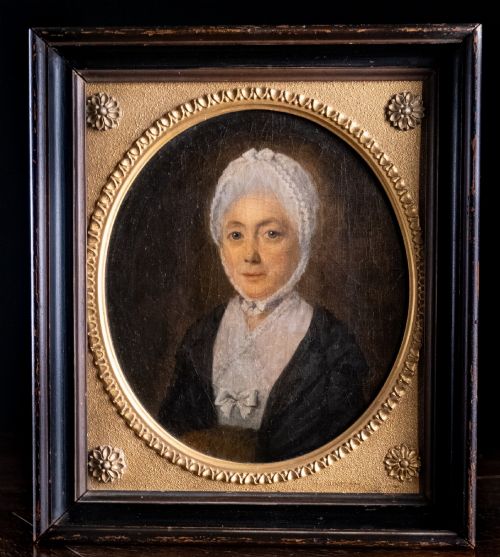
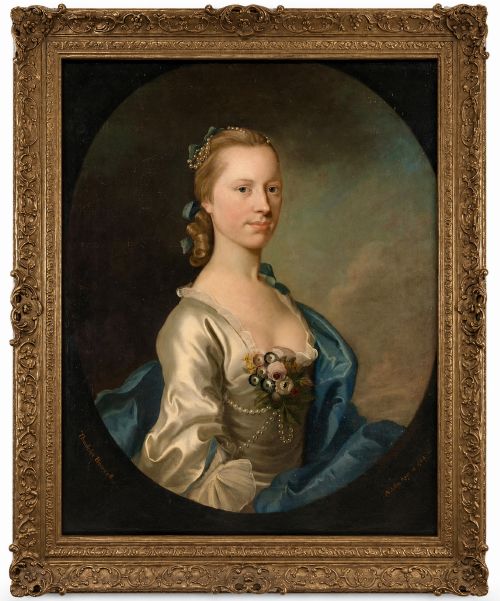
A georgian period female portrait typically presents a seated or half-length depiction of a lady, often rendered in oil on canvas or delicate pastel on paper. These works span the eighteenth century and into the Regency era, reflecting the shifting fashions of silk dresses, lace collars, and ribbon bows.
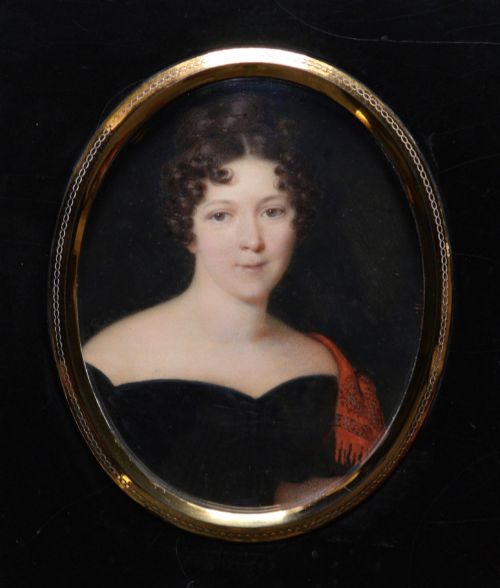
The works range from grand oils by named hands to intimate pastel pairs and watercolour miniatures. Many examples originate from British portraiture traditions, capturing aristocrats, family members, and notable figures like novelists and historical subjects.
Materials and Techniques
Artists employed oil on canvas for substantial canvases, applying rich pigments to build the depth of silk garments and flesh tones. Pastels were favoured for softness, requiring protective glass and frames to preserve the fragile dry pigment.
Framing played an integral part in presentation, utilising ornate giltwood and Hogarth frames. Watercolour and gouache on paper or glass served for smaller portrait miniatures and silhouettes.
Materials recorded across items include oil, canvas, paper, wood, glass, gold leaf, pencil, watercolour, and gouache.
Judging Quality and Execution
The fidelity of facial expression and the skilful handling of textiles separate standard provincial records from accomplished works by recognised portraitists. Subtle rendering of lace, pearls, and hair styling indicates superior brushwork and draftsmanship.
Condition and originality dictate standing, particularly in pastels and works behind glass where preservation of the delicate surface matters greatly. Original frames matching the period also contribute to the integrity of the piece.
Thomas Beach·Sir Thomas Lawrence·Jeremiah Davison·Henry Pickering·Allan Ramsay·John Raphael Smith·Emma Kendrick·Charles Jervas·Nathaniel Hone·Hans Hysing·Enoch Seeman·Philip Mercier·Francis Alleyne·Joseph Highmore·Sir Godfrey Kneller·George Henry Harlow·Thomas Hickey·Angelica Kauffman
The Georgian Period Female Portrait Glossary
- Pastel
- A dry medium composed of powdered pigment and a binder, pressed into sticks and applied to paper. It creates a velvety matte texture highly susceptible to disturbance without glass protection.
- Giltwood
- Wood carved and coated with gold leaf or metallic paint, commonly used for decorative antique frames. This finish adds reflective brilliance suited to formal interiors.
- Miniature
- A small-scale portrait painted in watercolour, gouache, or enamel, often housed in a protective case or locket. These intimate items required high precision due to their diminutive size.
- Hogarth frame
- A distinctive wooden picture frame featuring a stepped, concave profile finished in dark lacquer or gilt. It became popular for prints and paintings during the eighteenth century.
Georgian Period Female Portrait: Frequently Asked Questions
How should I hang an antique portrait?
Display these works away from direct sunlight and high humidity to protect vulnerable canvas, paper, and giltwood frames.
Ensure wall fixings securely support the weight of heavier oil paintings while keeping smaller watercolours and pastels at eye level for close viewing.
Were these portraits always painted from life?
Many sitters posed in artist studios over multiple sessions, though some works were produced within circles or after established compositions by prominent masters.
Studio assistants sometimes completed drapery and background details while the master focused on the likeness of the face.
What do clothing details reveal about the date?
Shifts in female fashion provide reliable clues for dating, from the elaborate silk dresses and pearl adornments of the early eighteenth century to Regency bonnets and high-waisted gowns.
Hair styling, ribbons, and lace collars also evolved rapidly across these decades and help narrow down the period of execution.
How do I distinguish pastel from oil paintings?
Pastels present a distinct powdery, matte finish under protective glass, capturing soft skin tones without the characteristic glossy sheen of dried oil paint.
Oil paintings display visible brush texture or smooth varnish layers directly on canvas or wood panels.