


Georgian Period Candle Table
A georgian period candle table provides a stable, portable surface designed to hold lighting beside a chair or bed.
Georgian Period Candle Table
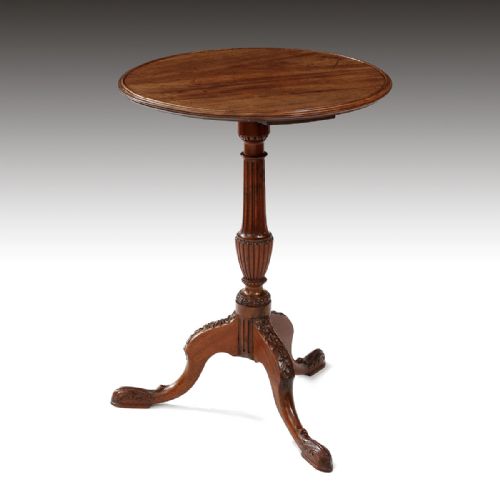
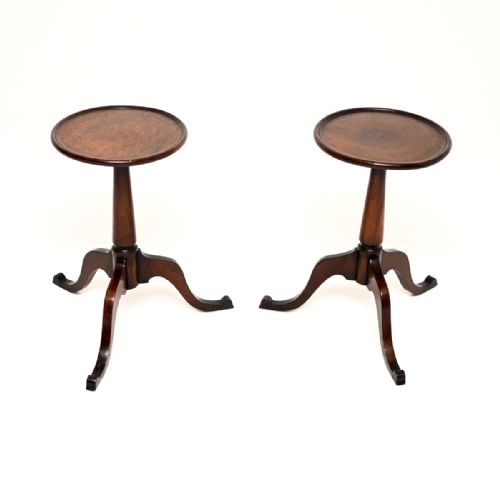
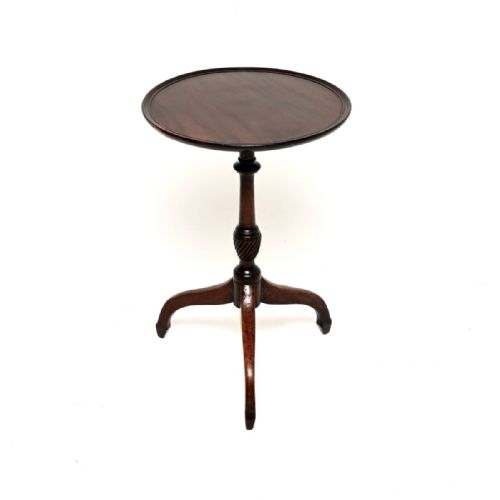
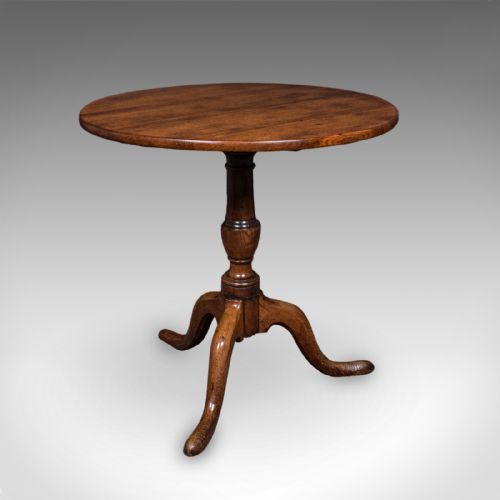
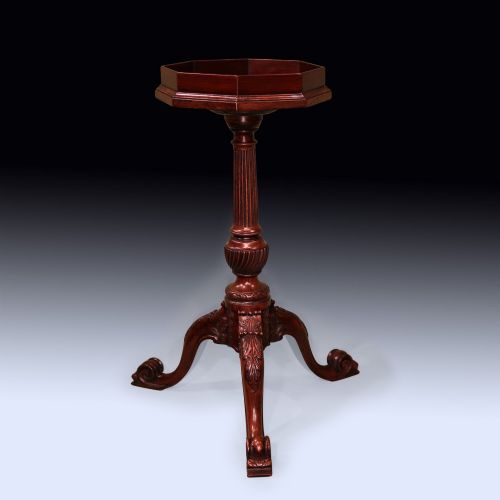
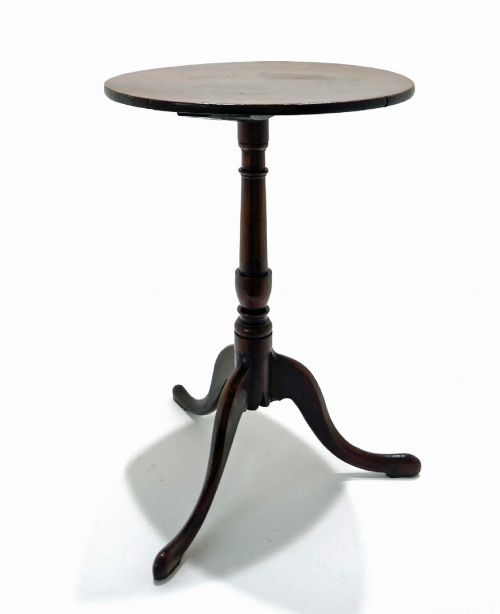
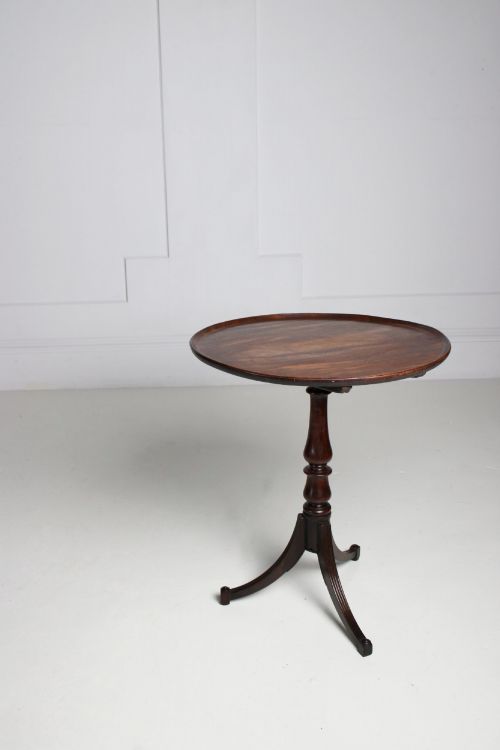
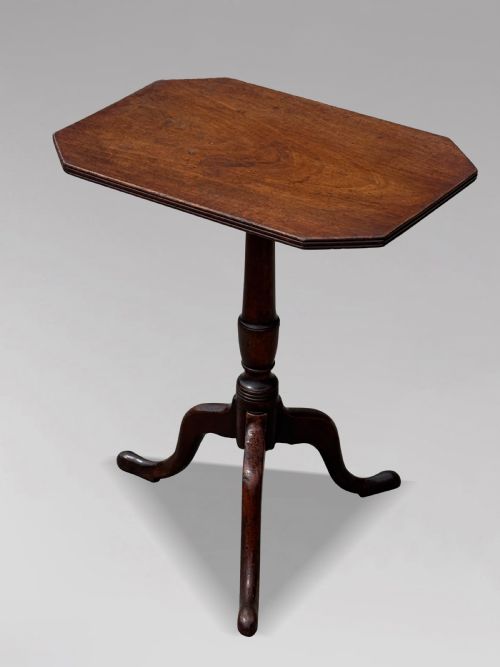
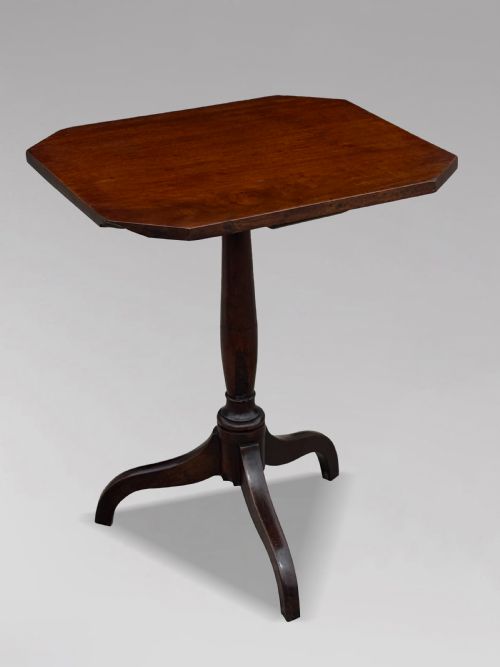
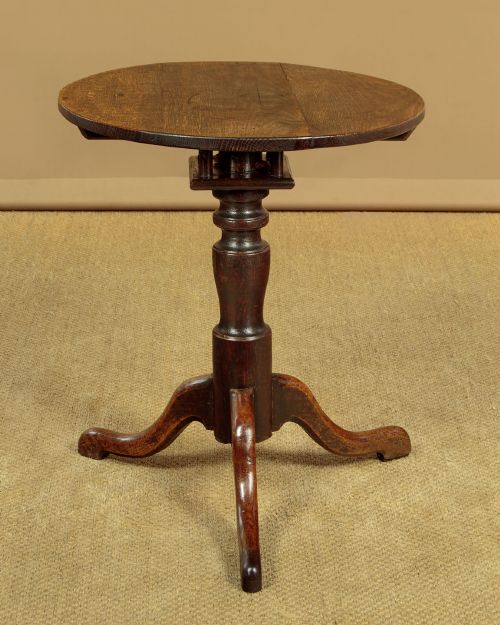
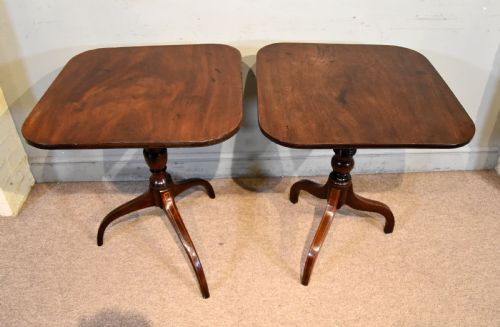
A georgian period candle table primarily encompasses tripod tables, wine tables, and kettle stands produced during the eighteenth and early nineteenth centuries. These pieces typically feature a single central pillar supported by three legs, allowing them to stand firmly on uneven floors.
Makers constructed these tables in mahogany, oak, and satinwood, often incorporating tilt-top or birdcage mechanisms to save space when not in use. The design directly serves domestic illumination and social rituals involving tea or wine.
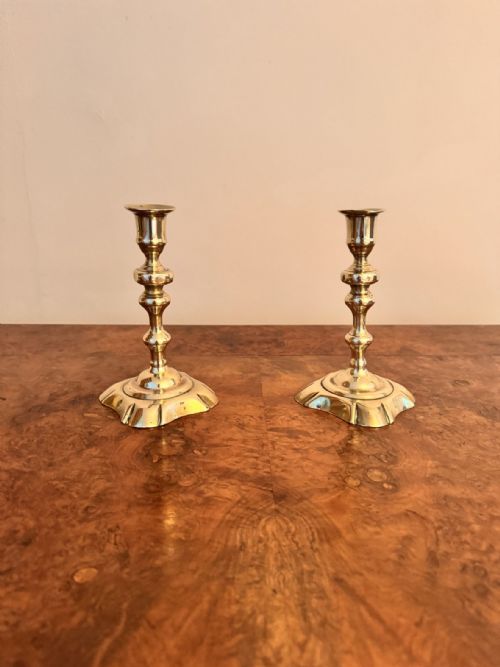
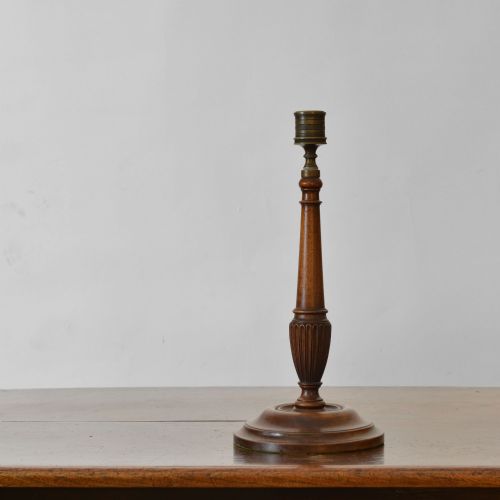
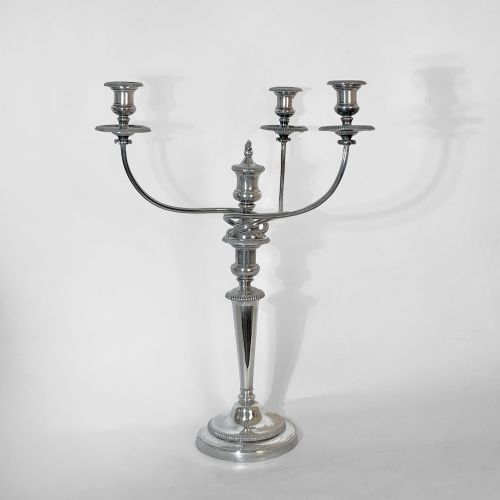
The version most commonly encountered on this page is the mahogany tripod table dating from the George III era. Alongside these stands, the selection includes brass candlesticks, Sheffield plate candelabra, and occasional side tables from the Regency period.
Materials and Construction
Cabinetmakers utilised dense timbers such as mahogany and oak for structural stability, turning slender columns on a lathe and shaping supporting legs by hand. Hardwoods like beech frequently formed internal framing or less visible structural components.
Surface treatments included snap-top mechanisms and birdcage pivots, which allowed the tabletop to rotate and fold flat against the pedestal. Metal lighting items such as brass candlesticks and Sheffield plate utilised seaming and casting techniques to shape the metal components.
Seamed brass ejector candlesticks allowed users to pop out stubborn candle stubs with an internal sliding push-rod.
Judging Quality
The standard of a georgian period candle table rests upon the crispness of carved details, such as pie-crust edges, claw-and-ball feet, or fluted columns. Timber selection also dictates value, with well-figured mahogany or quarter-sawn oak marking superior examples.
Proportion and structural integrity define the best pieces, ensuring the central pillar meets the legs with rigid joinery. Metal items show quality through clean casting, heavy weight, and intact original plating or seaming.
Gillow
The Georgian Period Candle Table Glossary
- Tripod table
- A small freestanding table supported by a central pillar and three legs. This configuration prevents wobbling on uneven domestic floorboards.
- Snap top
- A tabletop mounted on a hinged block that locks flat in use and pivots vertically when stored. This mechanism allowed tables to stand against walls when lighting was unneeded.
- Birdcage
- A rotating wooden box frame beneath the tabletop attached to the central column. It permits the surface to spin and tilt simultaneously.
- Sheffield plate
- A fused composite material made by heating a sheet of silver to a copper base. Makers utilised this method to produce high-status lighting wares before electroplating.
- Kettle stand
- A diminutive freestanding table designed to support a boiling kettle for tea service. They mirror the height and tripod format of candle tables.
Georgian Period Candle Table: Frequently Asked Questions
What is a georgian period candle table used for?
These tables served primarily to hold heavy brass candlesticks, oil lamps, or small tea equipment close to seating areas. Their compact footprints made them easy to move around panelled rooms as evening approached.
In modern interiors, they function effectively as bedside stands or small accent surfaces beside armchairs. Their raised lips and pivoting tops continue to accommodate drinks or small decorative objects securely.
How do I identify a George III table?
George III pieces typically date between the mid to late eighteenth century and display characteristic mahogany grain, slender turned pillars, and pad or snake feet. Details like birdcage mechanisms and snap tops frequently appear in this bracket.
Later Regency examples often introduce bolder pedestals, brass inlay, or marble tops. Comparing the timber density and turning style helps separate mid-eighteenth-century vernacular oak versions from refined mahogany iterations.
How do I care for antique mahogany?
Mahogany requires minimal interference, benefiting mainly from occasional applications of natural beeswax to nourish the dry timber. Avoid placing these tables near direct heat sources or strong sunlight, which can fade the finish.
Dusting with a dry, soft cloth preserves the historic patina accumulated over centuries. Moisture should be wiped away immediately to protect the polished surface.