
Georgian Period Accent Chair
A georgian period accent chair brings robust timber frames and centuries of domestic history straight into a modern room.
Georgian Period Accent Chair
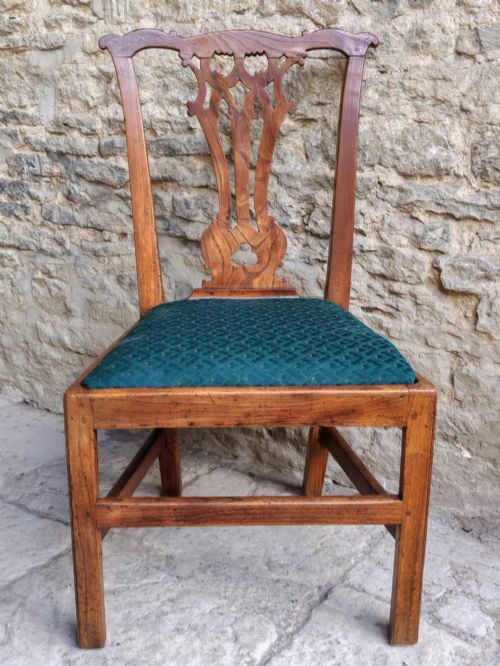
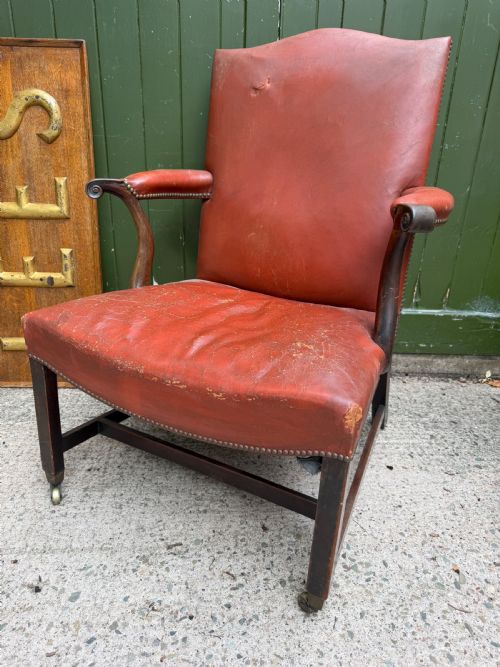
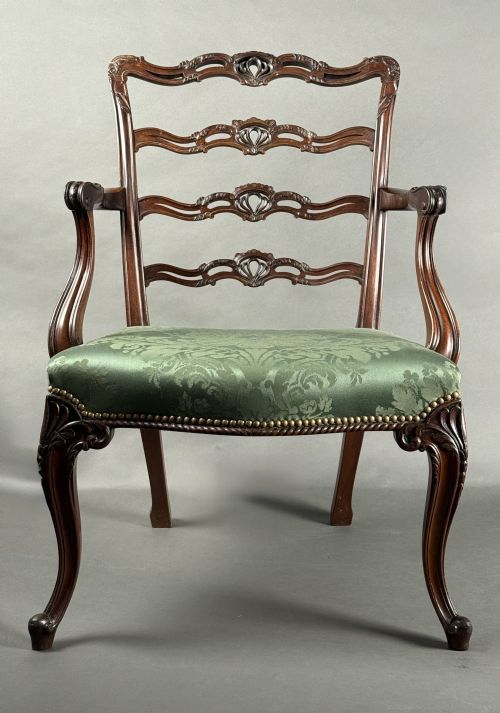
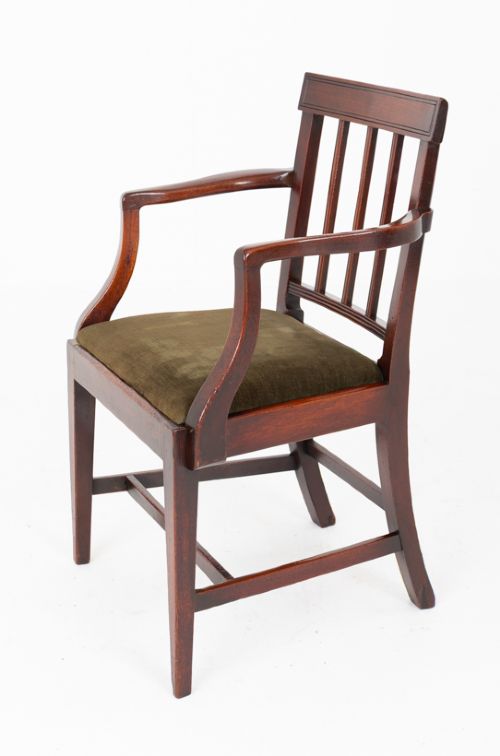
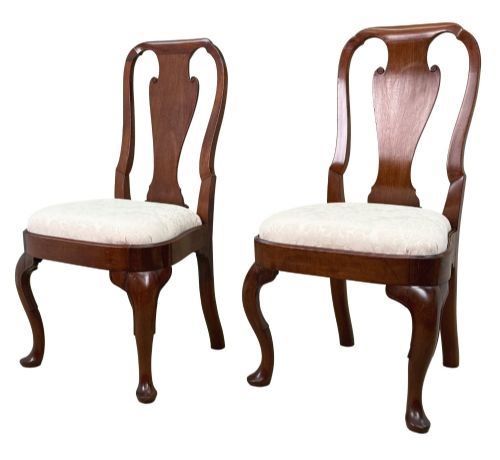
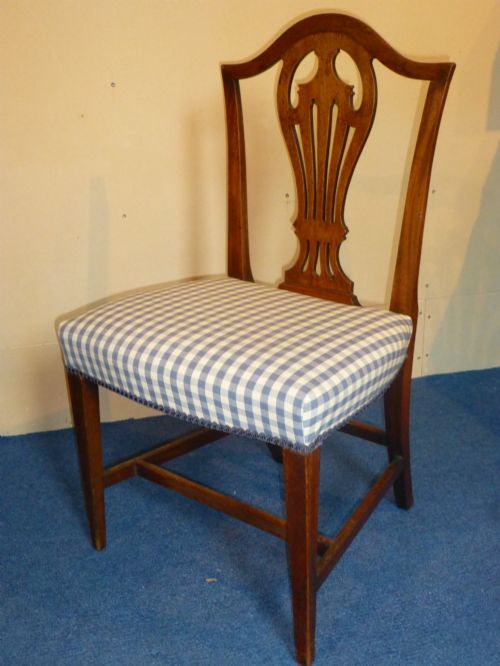
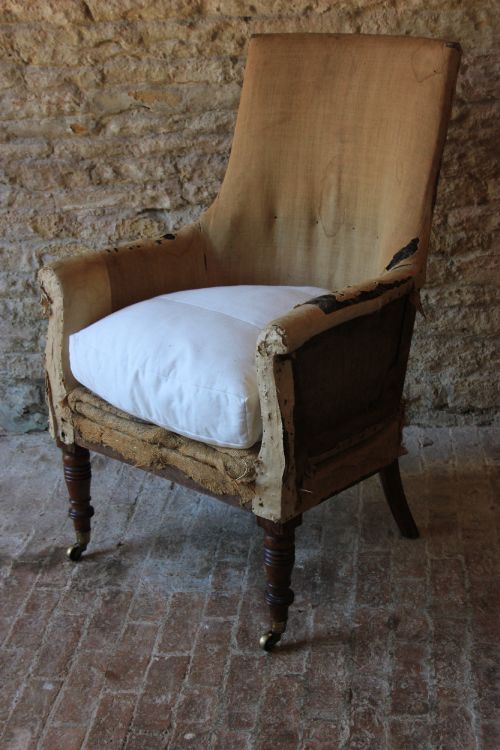
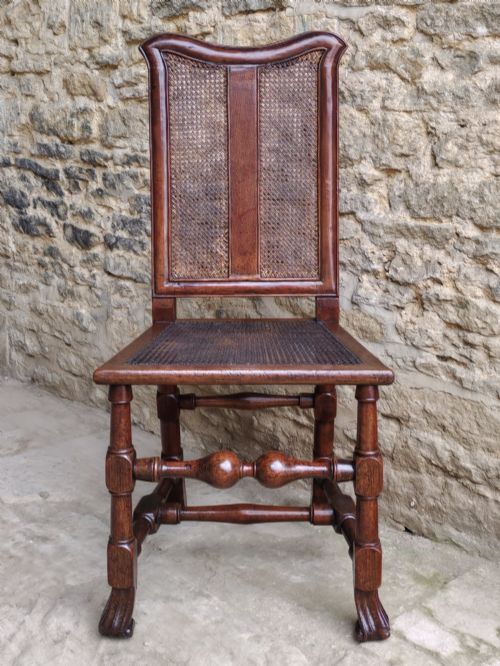
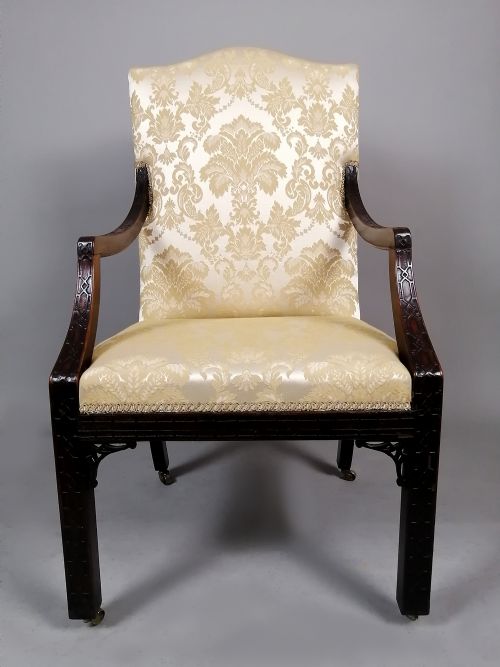
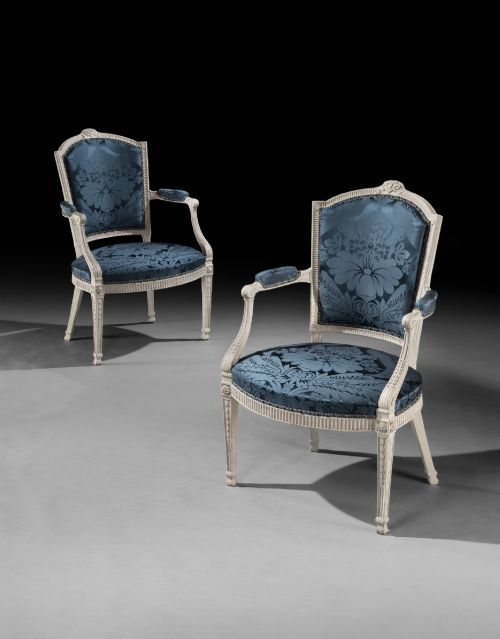
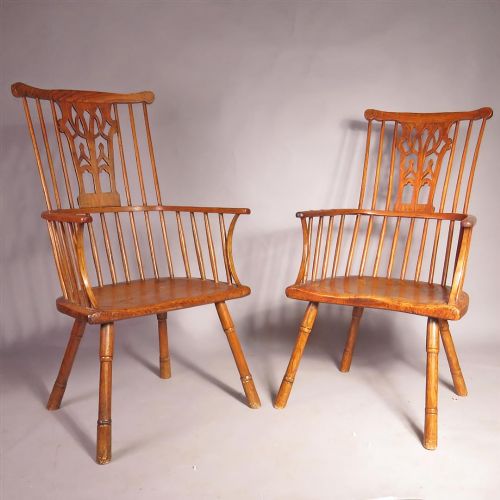
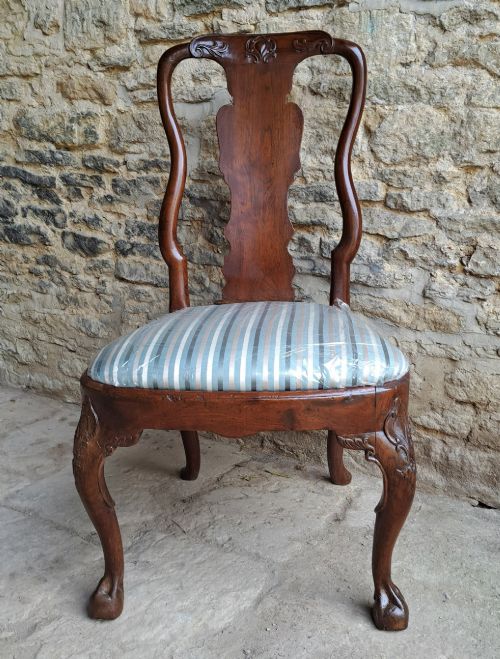
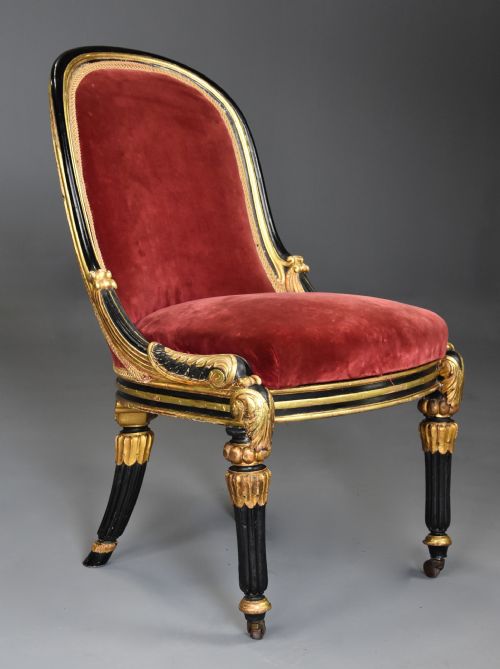
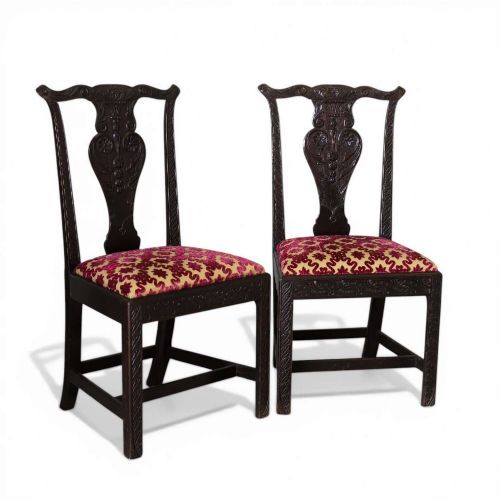
A georgian period accent chair encompasses robust seating forms originating primarily across the eighteenth century and the subsequent Regency era. Buyers encounter various designations ranging from library armchairs and Gainsborough chairs to simpler side, hall, and Windsor chairs intended for specific domestic tasks.
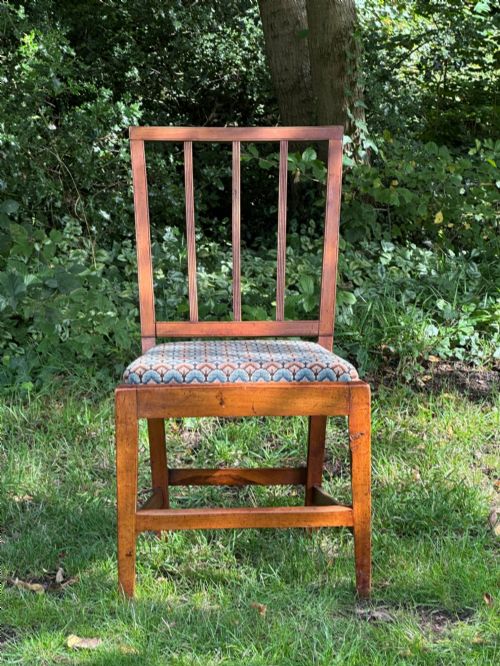
The selection on this page relies heavily on regional woods and established seating patterns typical of British cabinet making. Walnut, mahogany, fruitwood, elm, and oak appear frequently, often paired with contemporary or later upholstery fabrics such as velvet, leather, and needlepoint.
Materials and construction methods
Cabinet makers utilised dense hardwoods such as mahogany, walnut, and oak to build structural frames capable of supporting heavy carving and daily use. Joinery techniques relied on pegged mortise and tenon joints to secure rails and uprights without relying on modern adhesives.
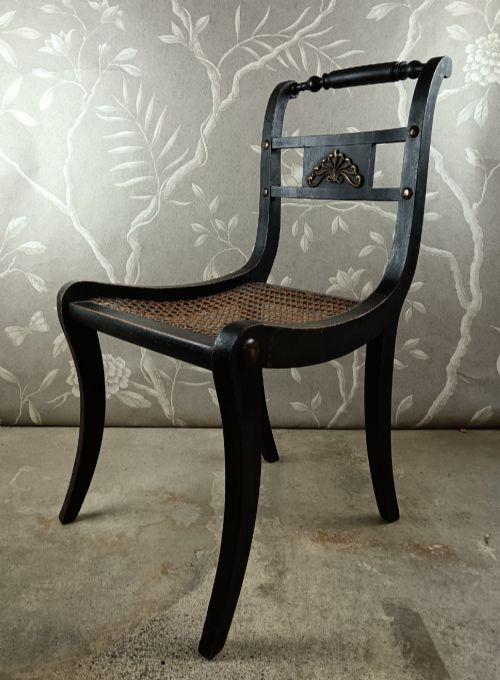
Surface treatments vary from polished wood finishes and ebonisation to painted decoration and intricate marquetry inlay. Seating foundations incorporated drop-in frames, cane webbing, or traditional stuffing beneath textile, leather, or needlepoint coverings.
Georgian Period Accent Chair Retail Price Guide 2026
Typical asking prices for georgian period accent chair among the pieces listed under this phrase on Sellingantiques today, from the lower quarter to the upper quarter. They describe what is for sale here now, not the wider market.
Listings feature woods including mahogany, walnut, oak, elm, birch, fruitwood, and yew alongside textiles like velvet, leather, needlepoint, and cane.
Distinctions in craftsmanship and survival
Quality rests upon the crispness of carved detail, the integrity of the original timber frame, and the survival of secondary woods. Pieces retaining untouched surfaces and minimal structural replacement command greater attention from discerning collectors.
Proportion and balance dictate the architectural success of each form, separating standard utilitarian seating from bespoke library armchairs designed by prominent workshops. The condition of historical upholstery foundations and the presence of original seat webbing also influence integrity.
The Georgian Period Accent Chair Glossary
- Gainsborough chair
- A wide, upholstered armchair with open padded arms and short legs, designed for writing desks or libraries during the eighteenth century.
- Windsor chair
- A wooden seating form constructed with a solid sculpted seat into which the legs and stick back spindles are wedged directly.
- Sabre leg
- A concave, outwardly curving leg shape popular during the Regency period, tapering towards the foot.
- Marquetry
- Decorative veneer work arranged in geometric or pictorial patterns using various tinted woods and other materials.
- Needlepoint
- Hand-stitched canvas embroidery utilised for durable upholstery on period seat pads and back panels.
Georgian Period Accent Chair: Frequently Asked Questions
How do I identify a genuine period chair?
Examine the timber shrinkage, tool marks, and joinery methods visible beneath the seat frame. Hand-cut joints and consistent wood ageing indicate historical manufacture.
Compare the proportions and carving styles against documented examples from the eighteenth and early nineteenth centuries to confirm stylistic accuracy.
Can I use these chairs daily?
Many solid wood frames remain structurally stable for everyday sitting, provided the joints have been checked by a professional conservator. Leather and heavy fabric upholstery handle regular use well.
Delicate painted surfaces or antique silk textiles require more careful placement to prevent premature wear and fading.
What is the difference between side and armchairs?
Side chairs are built without armrests, designed originally to be tucked against dining tables or walls when not in use. Armchairs include structural supports for the arms and offer a wider, more enclosed seat.
Armchairs often served specific functions such as reading in a library or sitting at a desk.
How should I clean the wood surfaces?
Dust the timber regularly with a dry, soft cloth to prevent particle buildup. Avoid modern silicone sprays or harsh chemical polishes that degrade antique finishes.
Apply microcrystalline wax sparingly when the wood appears dry to protect the patina without altering its natural sheen.