
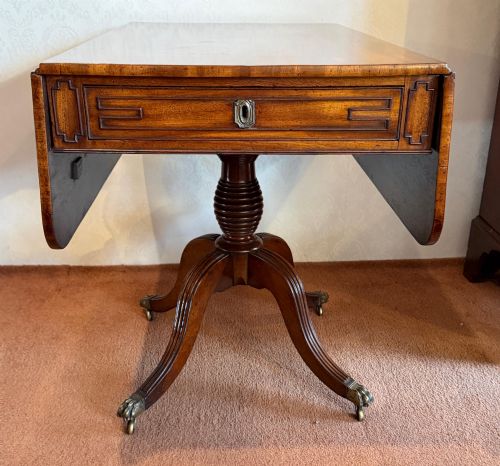


Georgian Pembroke Dining Table
These pieces bring modular versatility to the dining room, combining drop leaves with a compact form that suits both everyday meals and larger gatherings.
Georgian Pembroke Dining Table
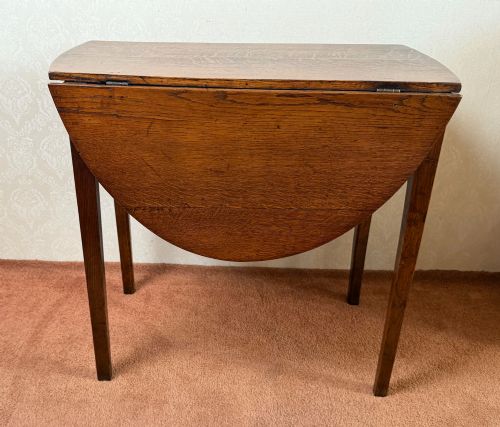
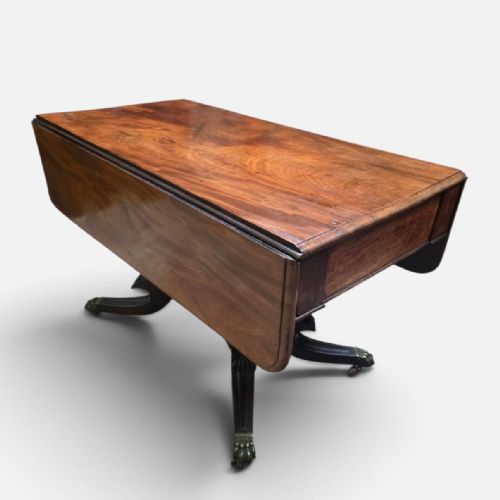
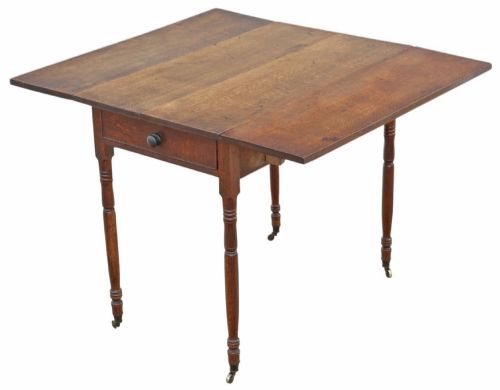
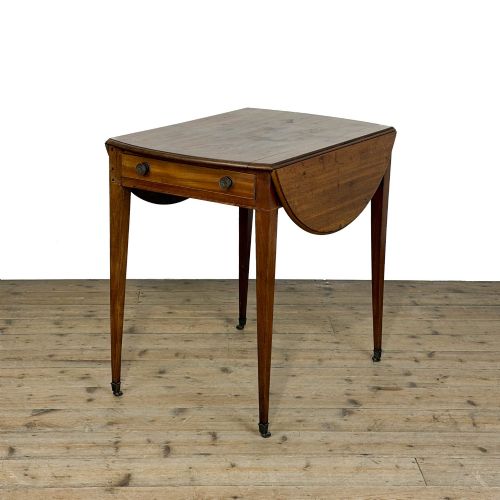
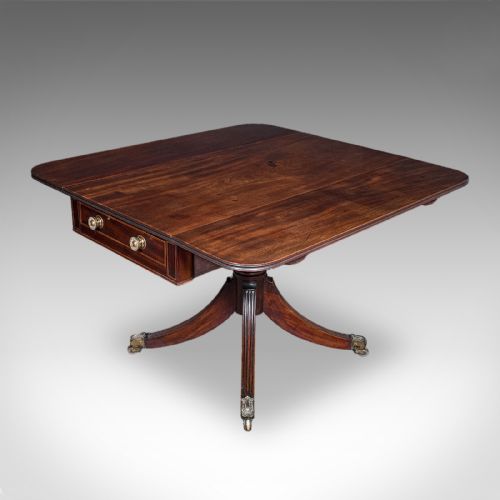
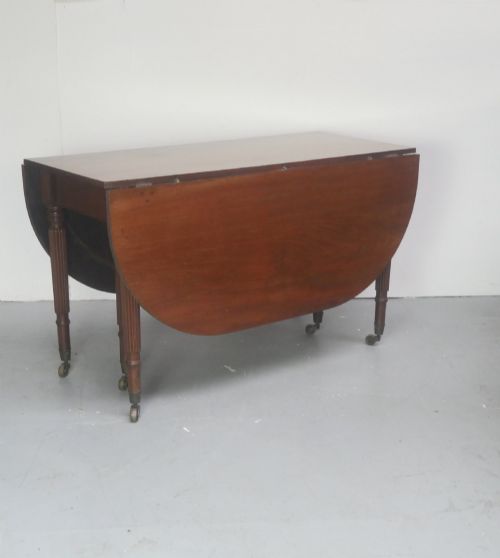
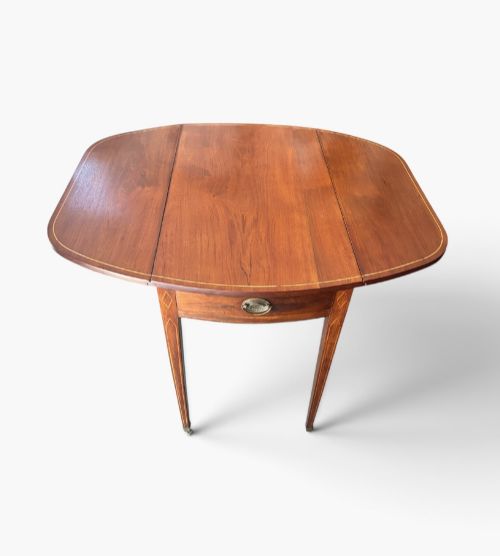
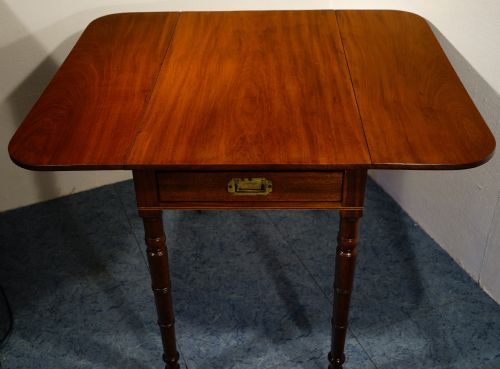
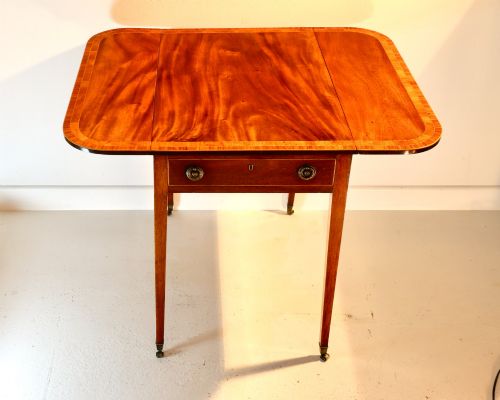
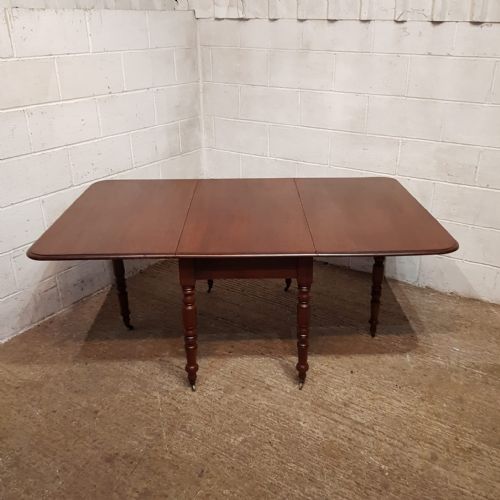
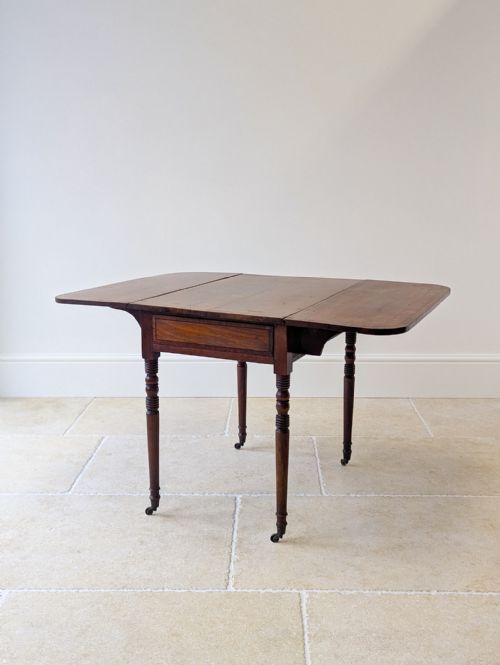
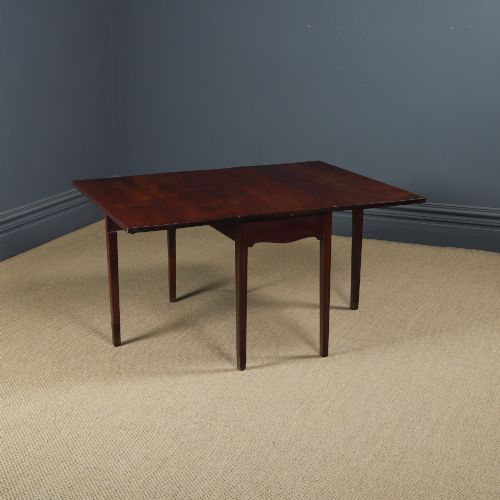
A georgian pembroke dining table is defined by drop leaves on either side of a central surface, creating an adaptable footprint that expands when needed. The versions met most often on this page date from the Georgian, Regency, and 19th-century periods, constructed primarily in mahogany or oak.
Makers designed these items to function as breakfast tables, side tables, and extension dining tables within English provincial and metropolitan homes. Formats range from rectangular drop-leaf tables to oval pembroke tables with drawers and pedestal columns.
Materials and construction methods
Cabinetmakers relied heavily on mahogany, often using figured grains for top surfaces, alongside structural timbers such as oak, elm, and fruitwood. Details like boxwood and satinwood inlay provide subtle contrast on borders and table edges.
Folding mechanisms depend on hinged drop leaves supported by swing brackets or gate legs, while pedestal versions utilise a central column resting on branching feet. Original brass castors frequently appear on the feet to assist movement.
Listings span the 18th, 19th, and early 20th centuries, recording materials from mahogany and satinwood to regional elm, oak, and fruitwood.
Distinctions in quality and execution
Superior examples demonstrate careful timber selection, utilising heavily figured mahogany or Cuban mahogany with consistent grain patterns across the leaves and centre. Plain domestic woods like oak or elm tend to appear in regional or country pieces.
Refinement in the joinery and hardware separates standard items from finer productions. Original brass castors, clean drawer linings, and tightly fitted hinges indicate higher workshop standards.
The Georgian Pembroke Dining Table Glossary
- Pembroke table
- A small table with hinged drop leaves on two opposing sides, frequently fitted with a drawer. The design dates from the 18th century and gained popularity for multi-purpose domestic use.
- Drop-leaf table
- A table with a fixed central section and hinged flaps that fold down to save space. These flaps lift to provide additional surface area for dining.
- Pedestal table
- A table supported by a single central column rather than four corner legs. This construction allows greater legroom for diners seated around the edge.
- Boxwood inlay
- A decorative technique using thin strips of pale boxwood set into dark timber surfaces to create geometric or linear patterns. It appears frequently on Regency and Georgian furniture.
- Gate leg
- A hinged leg that swings outward from the frame to support a dropped leaf. This mechanism provides sturdy weight-bearing capacity for larger tables.
Georgian Pembroke Dining Table: Frequently Asked Questions
How do I seat four people at a pembroke table?
Drop both leaves upward and secure them with the swing brackets to create a wider surface area. Many models accommodate four diners comfortably once fully extended.
Position chairs carefully around the drop leaves, ensuring the swing brackets or gate legs remain unobstructed by legs or feet.
Are these tables sturdy enough for daily dining?
Solid hardwood construction in mahogany, oak, or elm provides durable support for everyday meals. The hinged leaves lock firmly into place when raised.
Avoid placing excessive weight on the outer edges of the drop leaves, as the support brackets are designed for standard dining use.
How can I tell a Georgian table from a Victorian one?
Examine the timber selection and secondary woods like oak inside the drawer frames, which often show earlier hand-cut joinery methods in Georgian pieces. Regency and Georgian items frequently feature inlaid stringing in boxwood or satinwood.
Victorian pieces, often dating from around 1870, tend to use heavier solid mahogany and machine-made screws or newer castors.