




Georgian Pastel Art
Georgian pastel art captures delicate portraiture and still life through fragile dry pigments applied to paper.
Georgian Pastel Art
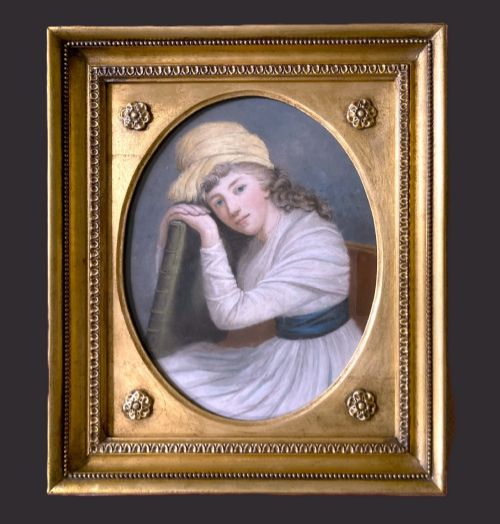
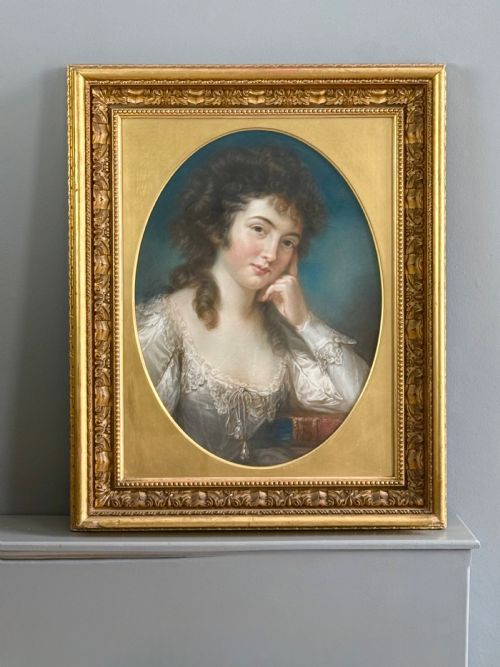
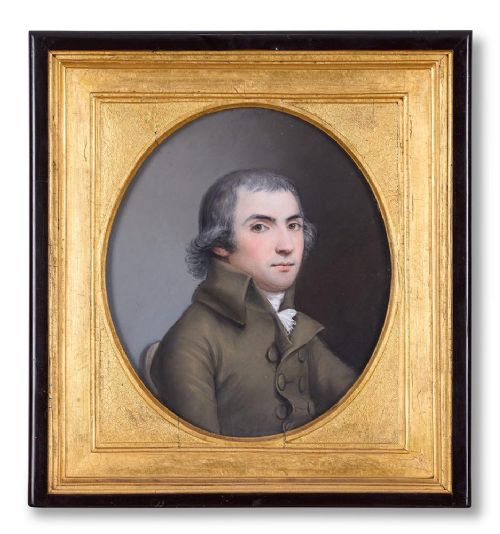
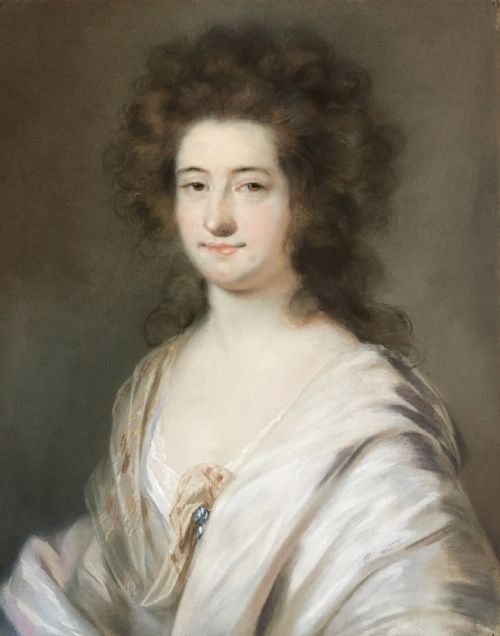
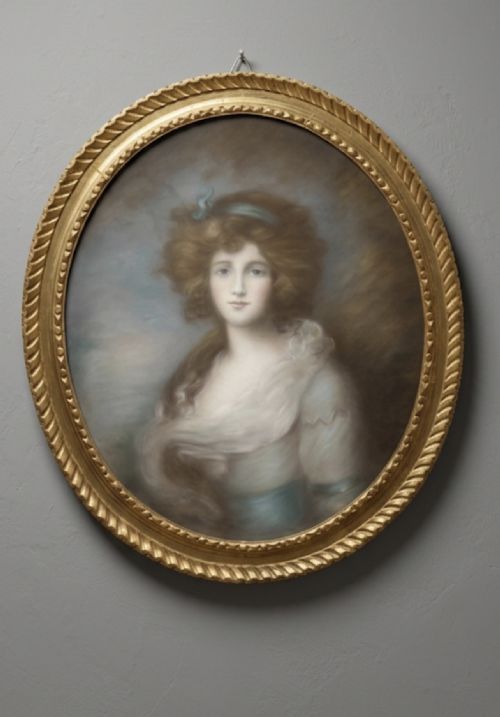
Georgian pastel art centres on portrait paintings, miniatures and wall art created across the eighteenth and nineteenth centuries. The majority of works encountered here depict individual sitters, ranging from elegant young ladies to gentlemen and young boys.
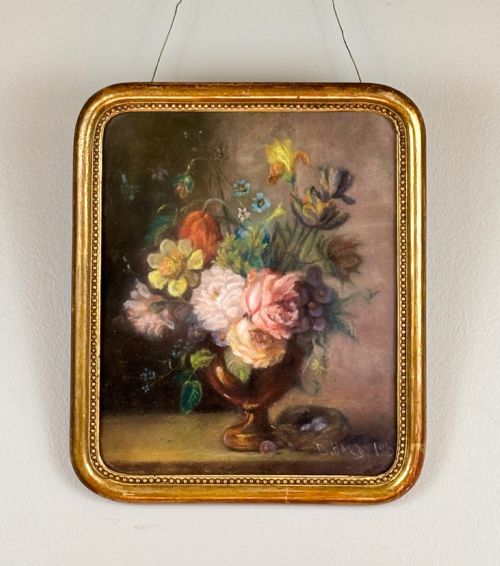
Makers working within this span utilise paper as a primary ground, often pairing pastel with gouache or incorporating cut-out profile techniques. Pieces emerge from distinct periods including the Georgian and Regency eras, with occasional still life subjects appearing alongside the dominant portraiture.
The aesthetic bridges formal portraiture and intimate study, reflecting the prevailing styles of the eighteenth century rococo through to nineteenth-century British school conventions. Works survive either by named hands or through anonymous followers and circles associated with prominent artists.
Materials and construction
Framing typically involves glass protection set within giltwood and wood surrounds, frequently incorporating gold leaf detailing to enhance the profile of the portrait. This glazing protects the friable chalk medium from atmospheric disturbance and physical disruption.
Georgian Pastel Art Retail Price Guide 2026
Typical asking prices for georgian pastel art among the pieces listed under this phrase on Sellingantiques today, from the lower quarter to the upper quarter. They describe what is for sale here now, not the wider market.
A youthful subject captured in a striking red jacket stares out across the centuries, reminding us that children in the past sat very still indeed.
Factors of distinction
The handling of the dry medium dictates the vitality of expression, where confident strokes capture the texture of lace, hair and fabric. Weaker examples exhibit flat blending and static contours that obscure the sitter's presence.
Survival of the original surface condition separates preserved works from those compromised by pigment loss or harsh past restoration. The integration of period frames, particularly original giltwood surrounds, elevates the integrity of the piece.
Anna Tonelli·John Russell·James Sharples·John Raphael Smith·Nathaniel Bermingham·Gerrit Schipper
The Georgian Pastel Art Glossary
- Pastel
- A dry painting medium composed of powdered pigment and a binder rolled into sticks. It permits immediate application of colour directly to the paper support.
- Gouache
- An opaque water-based paint utilised alongside pastel to add solid highlights and dense opaque passages. It provides sharp contrast to the softer chalk marks.
- Giltwood
- Wood carved and covered with a thin layer of gold leaf or gilt powder. This material forms the traditional framing for fine portraits of the period.
- Miniature
- A small-scale portrait designed for intimate viewing rather than expansive wall display. These works concentrate fine detail within compact dimensions.
Georgian Pastel Art: Frequently Asked Questions
Are these works original or copies?
The selection includes original portraits painted from life by period artists alongside pieces produced by followers or circles working in similar styles. Examination of the paper ground, framing, and pigment application helps determine whether a work is a primary creation or an after-work.
Documentation, signatures, and stylistic comparison against known oeuvres assist in establishing the direct origin of each individual portrait.
Why are pastels framed under glass?
Pastel particles lack the tough oil binders found in conventional paintings and can easily brush off if touched. Glass creates a protective barrier against dust, moisture, and accidental physical contact that would otherwise ruin the friable surface.
Period frames often use spacers to ensure the glass does not press directly against the delicate chalk layer.
How do I identify a Regency period pastel?
Regency pastels typically reflect the changing fashion and portrait conventions of the early nineteenth century, around eighteen hundred to the eighteen thirties. Sitters often wear Regency attire, and the framing styles align with the neoclassical tastes of that decade.
Comparing the sitter's dress and hairstyle with established historical fashion plates provides a reliable method for dating unsigned works.