






Georgian Painted Silk
Georgian painted silk brings delicate hand-worked textile panels and portraits into rooms that call for soft period colour and fine decorative detail.
Georgian Painted Silk
When buyers search for georgian painted silk, they look for pieces that combine textile surfaces with fine artistic work from the eighteenth and early nineteenth centuries. The listings span portraiture depicting silk garments, needlework combined with painted silk pictures, and decorative items framed for display.
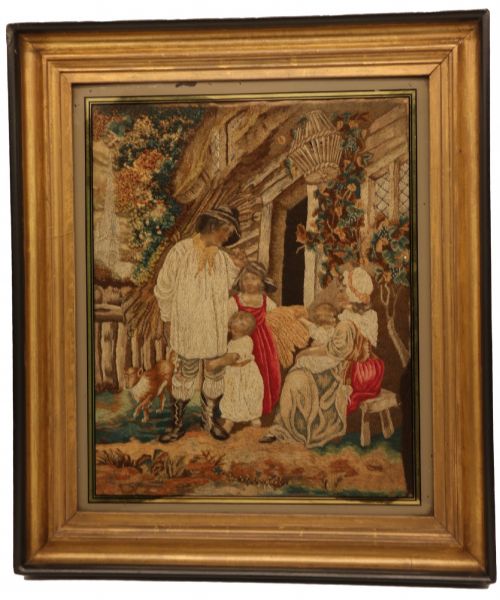
You will encounter pieces originating from the eighteenth century through to the Regency period, often mounted behind glass in wood or giltwood frames. The selection includes needlework pictures and wall art where silk serves as the canvas for delicate brushwork.
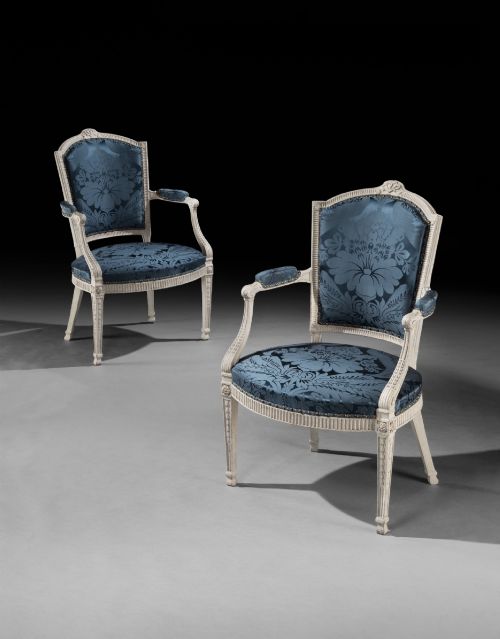
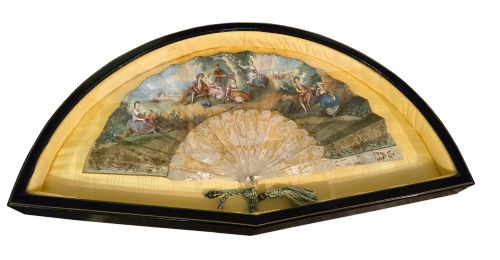
The wider inventory connected to these pieces encompasses related forms such as satinwood workboxes, folding fans, and painted armchairs that reflect neoclassical tastes. These objects share the refined palette and decorative sensibility characteristic of the period.
Materials and construction methods
Makers utilised silk as a ground fabric, applying fine paint directly to the textile fibres for pictorial scenes and portraiture. This method required a steady hand to prevent the pigment from bleeding into the delicate weave of the fabric.
Wood and giltwood frames protect these fragile textile works, often paired with glass to shield the painted silk from dust and moisture. Satinwood and other cabinet timbers appear in related furniture pieces associated with the aesthetic.
Needlework frequently complements the painted elements, combining thread embroidery with brushwork to create depth and texture within the picture surface.
Georgian Painted Silk Retail Price Guide 2026
Typical asking prices for georgian painted silk among the pieces listed under this phrase on Sellingantiques today, from the lower quarter to the upper quarter. They describe what is for sale here now, not the wider market.
Listings incorporate silk, wood, oil on canvas, brass, glass, paint, satinwood, and giltwood frames across multiple periods.
Distinctions in quality
The finesse of the brushwork and the preservation of the silk ground separate standard examples from finer works. Pigments that retain their original hue without excessive flaking indicate superior material preparation by the maker.
The quality of the surrounding frame and mounting contributes significantly to the overall integrity of the piece. Period frames that retain their original gilding or timber finish complement the textile work better than later replacements.
Henry Pickering·Thomas Murray·Bartholomeus Van Burgindis
The Georgian Painted Silk Glossary
- Neoclassical
- A style drawing inspiration from the classical art and architecture of ancient Greece and Rome. This aesthetic defined much of the furniture and decorative arts during the Georgian and Regency periods.
- Satinwood
- A durable hardwood with a natural golden sheen and smooth grain, frequently used for high-status eighteenth-century cabinet work. It provides a pale, reflective surface that suits painted ornamentation.
- Giltwood
- Wood that has been coated with a thin layer of gold leaf or powder. This finish was commonly applied to mirrors and picture frames to catch candlelight in period interiors.
- Needlework
- The craft of decorative stitching and embroidery using thread upon a textile ground. It often appears alongside painted silk to create textured pictorial scenes.
Georgian Painted Silk: Frequently Asked Questions
How should I clean painted silk?
Painted silk is exceptionally delicate and cannot be cleaned with standard household methods or liquids. Dust should be gently removed from the surrounding glass using a dry, soft cloth without touching the textile.
Professional textile conservators should handle any deeper conservation needs to prevent permanent damage to the painted surface.
Where were these pieces displayed?
These decorative works hung in formal drawing rooms, parlours, and private chambers of eighteenth-century homes. They were positioned away from direct sunlight to preserve the fugitive pigments on the silk.
Needlework and painted pictures often occupied prominent wall spaces alongside mirrors and oil portraits to demonstrate the owner's refined taste.
How do I spot a later frame?
Original frames show consistent signs of age, including the shrinkage of gesso and subtle wear to the gilding corresponding to the period of the artwork. Modern replacement frames often present overly sharp mitred corners and unblemished finishes.
Examining the fixings and the backing boards can also reveal whether the frame has been reunited with the silk picture at a later date.
Can I place these pieces in sunlight?
Direct sunlight causes silk fibres to degrade rapidly and leads to the fading of painted pigments. These works require placement on interior walls away from windows and direct heat sources.
Using specialised UV-filtering glass provides an additional layer of protection if the room receives ambient natural light.