

Georgian Painted China
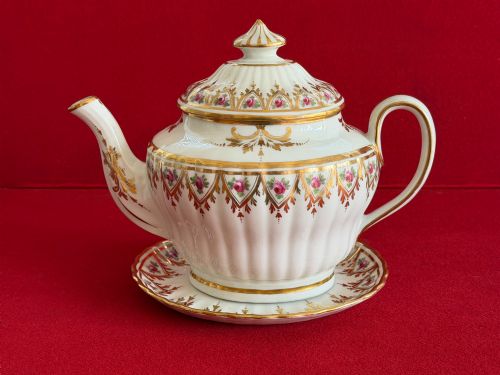
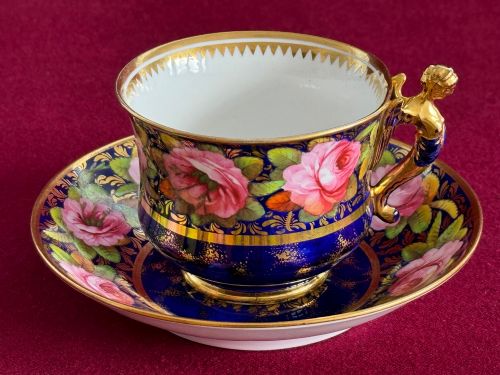
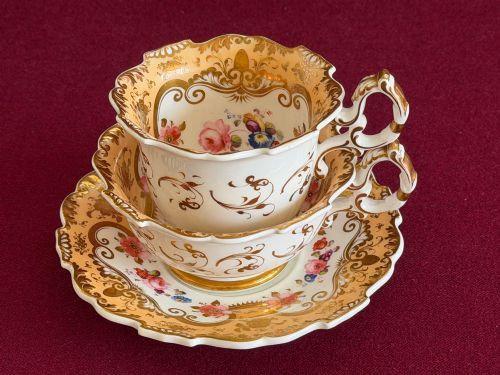
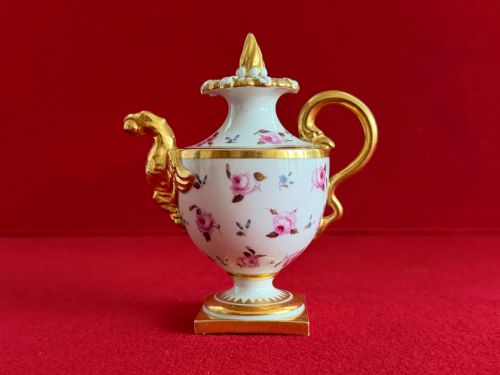
Georgian painted china brings together tea sets, bowls, and decorative plates created in porcelain, bone china, and soft-paste porcelain during the Georgian and Regency periods.
Georgian Painted China
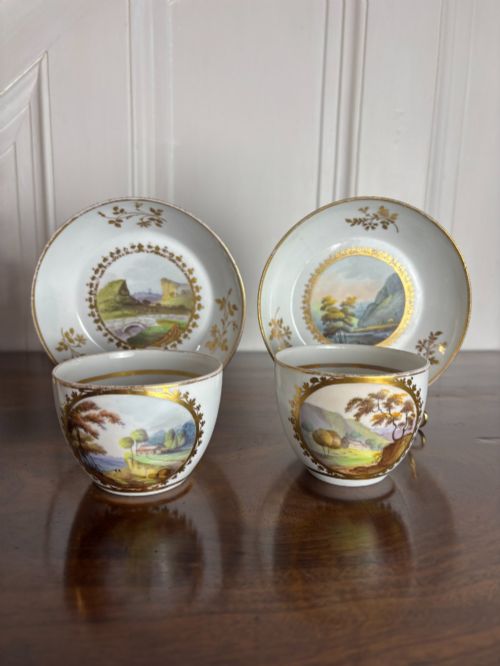
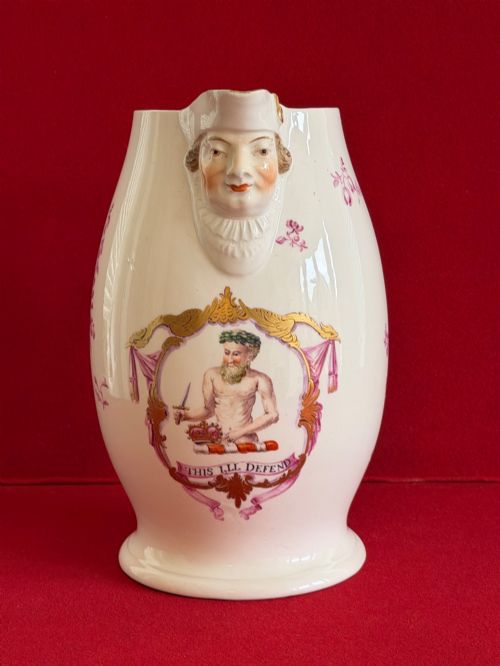
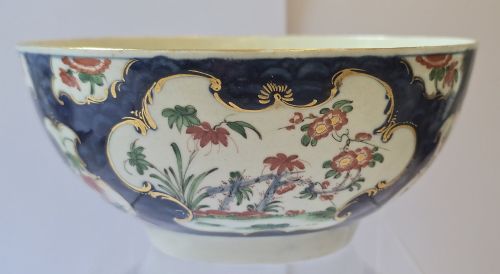
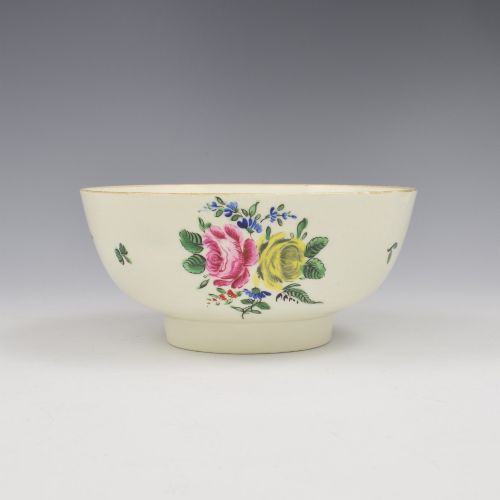
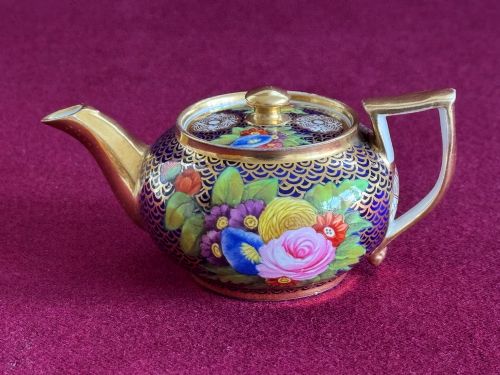
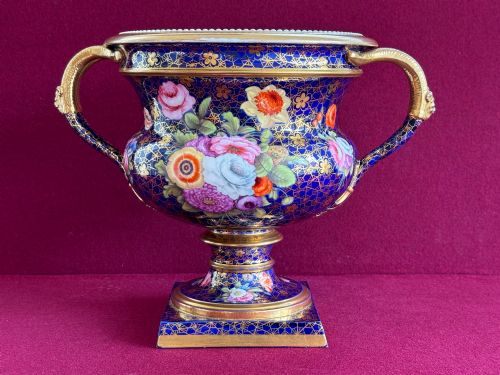
Georgian painted china encompasses handpainted tableware, cabinet trios, and display vessels produced by notable English factories across the eighteenth and nineteenth centuries. Collectors encounter forms such as teacups and saucers, sauce boats, spill vases, and dessert services featuring polychrome flowers, landscapes, and birds.
The objects span periods from the mid-eighteenth century through the Regency era, bridging the Georgian and Victorian styles. Items range from early Worcester and Chelsea porcelain to later Spode, New Hall, and Davenport productions.
How they were made
Potters shaped soft-paste porcelain, bone china, and ironstone china before applying handpainted pigments and gilding. Artisans used enamel colours to create floral motifs, birds, and botanical scenes directly onto the ceramic body.
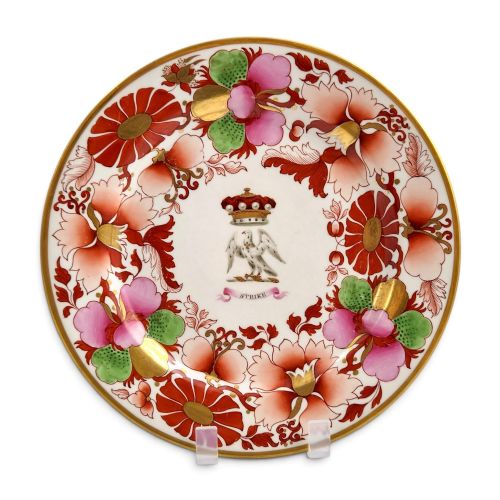
Many factories incorporated gold leaf and elaborate gilding alongside handpainted polychrome details to elevate domestic tableware into decorative art.
Georgian Painted China Retail Price Guide 2026
Typical asking prices for georgian painted china among the pieces listed under this phrase on Sellingantiques today, from the lower quarter to the upper quarter. They describe what is for sale here now, not the wider market.
Early Derby teacups occasionally hide tiny painted insects inside the rim to surprise anyone finishing their tea.
What varies in quality
Quality depends on the precision of the handpainted decoration and the reputation of the pottery responsible for the manufacture. Pieces decorated by named artists or produced by leading factories display superior brushwork and refined porcelain bodies.
The application of gilding and the complexity of the pattern influence the standard of the item, distinguishing everyday domestic wares from exhibition-quality cabinet pieces.
Flight Barr and Barr·New Hall Porcelain·Spode Porcelain·H and R Daniel·Chamberlain Worcester·Derby Porcelain·Grainger Lee and Co·Coalport John Rose·Richard Chaffers·John Davenport of Longport·John Baley
The Georgian Painted China Glossary
- Soft-paste porcelain
- A vitreous ceramic material composed of clay, glass, and frit, fired at lower temperatures than hard-paste porcelain. This body type characterises much of the early English porcelain production.
- Bone china
- A type of porcelain containing bone ash, known for its high strength, chip resistance, and translucent white appearance. It became a staple material for English potteries during the late Georgian period.
- Polychrome
- Decoration employing multiple distinct colours applied by hand. This technique appears widely on floral and landscape motifs across eighteenth and nineteenth-century ceramics.
- Gilding
- The application of gold leaf or gold paint to ceramic surfaces to highlight rims, handles, and painted scenes. It demonstrates the decorative ambition of the piece.
- Cabinet trio
- A matching set comprising a teacup, coffee cup, and saucer designed for display rather than daily tea service. These groupings frequently showcase complex painted patterns.
Georgian Painted China: Frequently Asked Questions
How do I identify a Dr Wall Worcester piece?
Dr Wall period pieces, often called First Period Worcester, date from the mid-to-late eighteenth century and feature soft-paste porcelain bodies. Look closely at the glaze characteristics and handpainted underglaze blue or polychrome enamel decorations.
Many bear crescent or square seal marks on the underside, though unmarked examples rely on paste consistency and stylistic markers for identification.
What is the difference between bone china and soft-paste porcelain?
Soft-paste porcelain contains glass frit and white clay, creating a warm, slightly creamy body with a soft glaze feel. Bone china incorporates calcined bone ash, resulting in a whiter, harder, and more translucent material.
English potteries transitioned between these compositions as manufacturing techniques evolved from the eighteenth into the nineteenth century.
How were cabinet trios used?
Cabinet trios consisting of a teacup, coffee cup, and saucer served as decorative display items within a drawing room or parlour. Wealthy households showcased these painted sets in glazed cabinets to demonstrate taste and status.
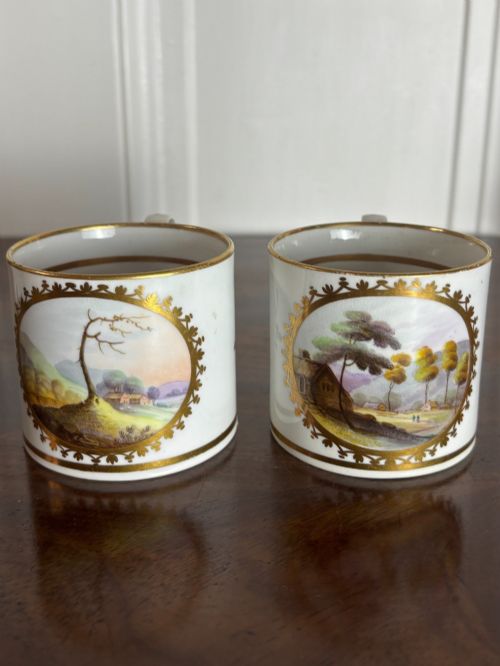
Unlike utilitarian tea services, cabinet pieces often feature intricate handpainted landscapes or botanical studies meant for visual appreciation.
What does Japan pattern mean on antique ironstone?
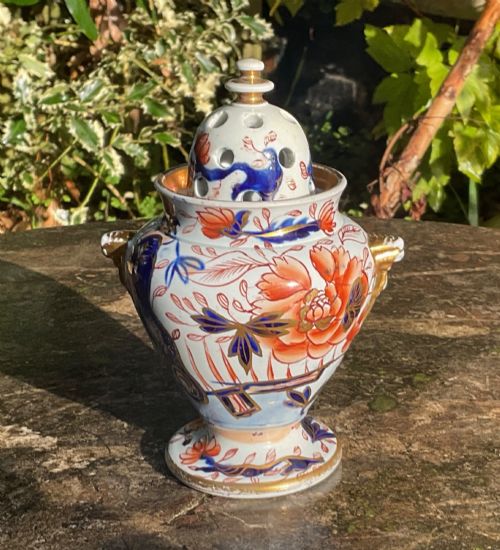
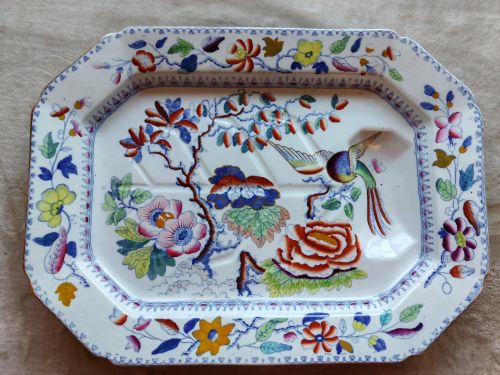
Japan pattern refers to English ceramic designs inspired by imported Japanese Imari porcelains, typically featuring iron red, cobalt blue, and gilt detailing. Potteries such as Davenport and Mason produced these vibrant motifs on ironstone china.
This aesthetic bridged Eastern artistic traditions with Regency and Victorian domestic tableware preferences.