

Georgian Overmantel Wall Mirror
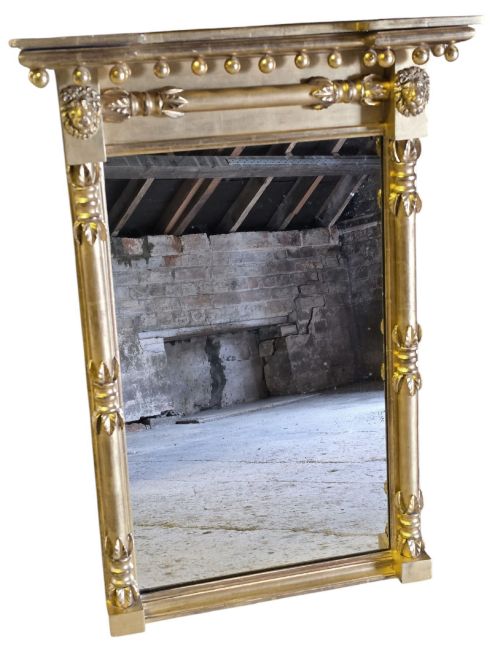
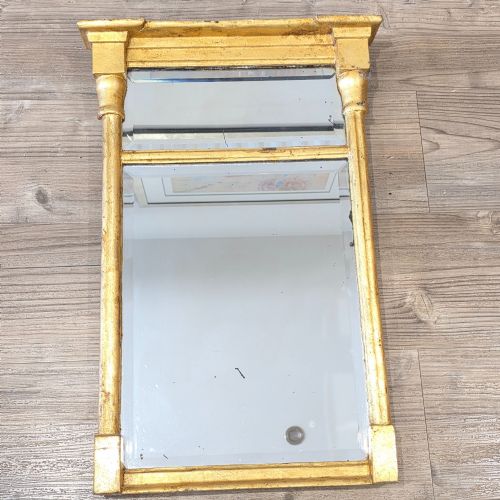
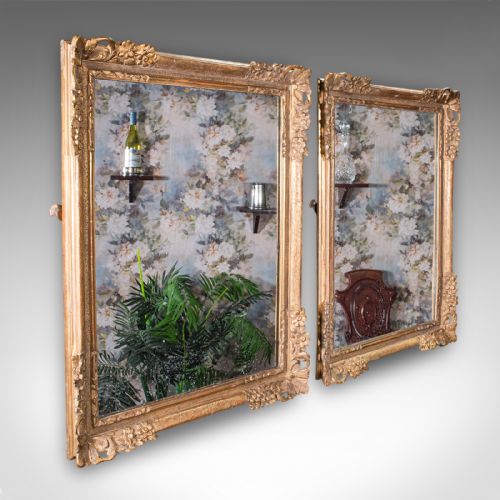
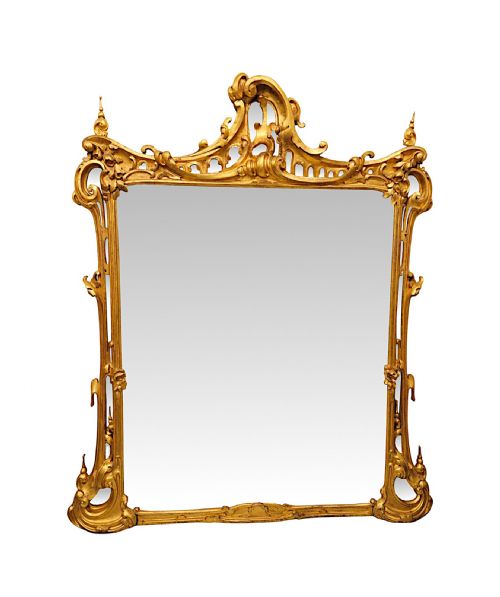
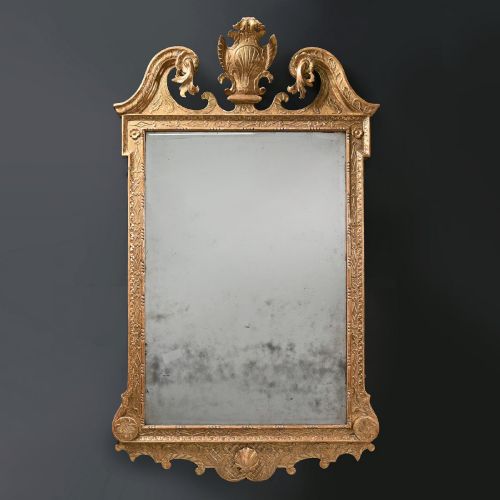
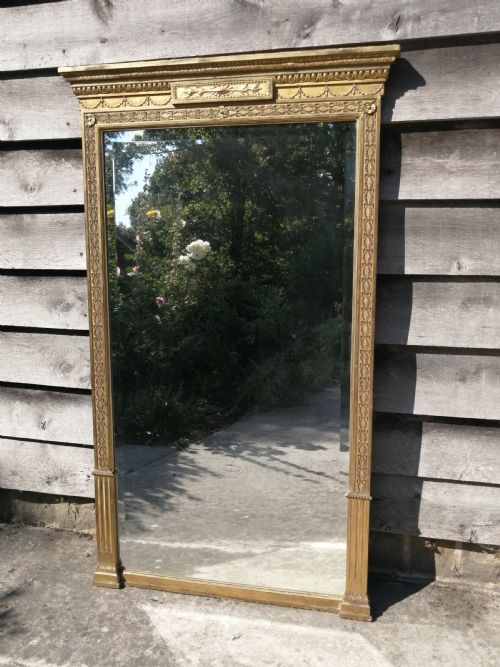
These georgian overmantel wall mirror pieces bring period presence above a fireplace, shaped by centuries of craftsmanship and distinguished by giltwood frames and original glass plates.
Georgian Overmantel Wall Mirror
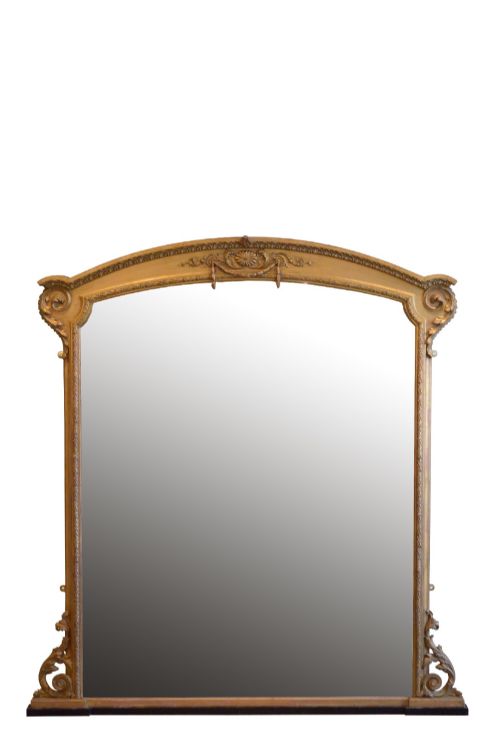
A georgian overmantel wall mirror sits above a mantelpiece, reflecting light and space within a principal room. The examples found here span the eighteenth, nineteenth, and twentieth centuries, encompassing Georgian, Regency, and Victorian revivals.
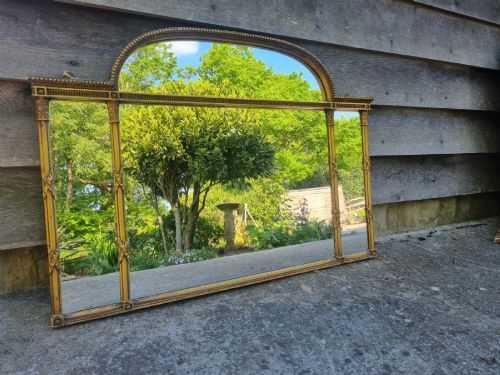
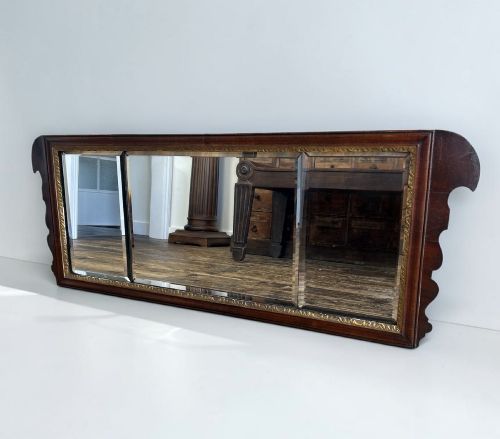
Forms include landscape formats, triple plate configurations, and arched or dome top designs intended to sit snugly above the fireplace hearth. Pier mirrors and trumeau panels also appear, sharing similar decorative vocabularies and architectural proportions.
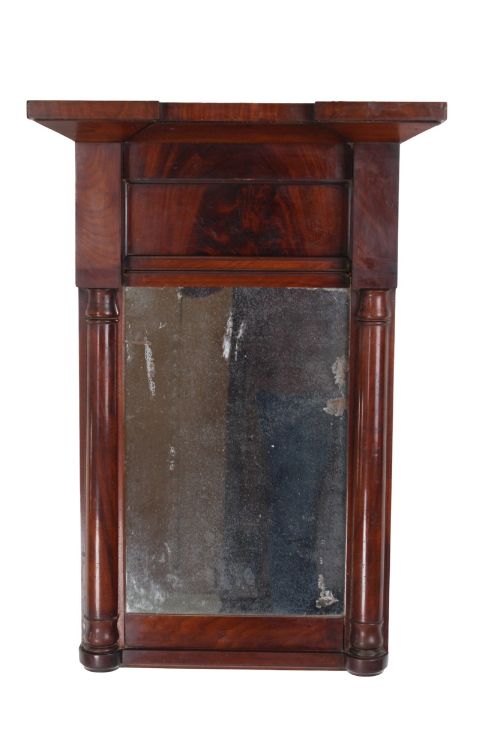
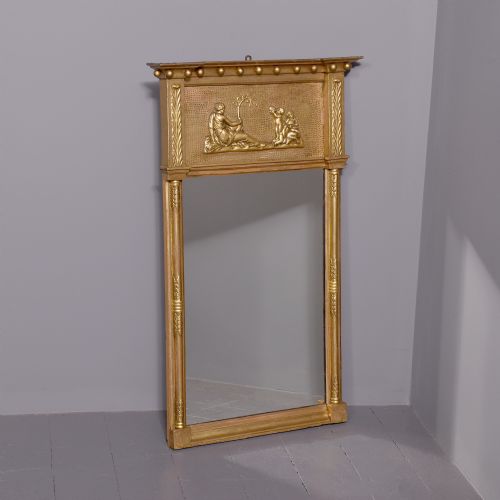
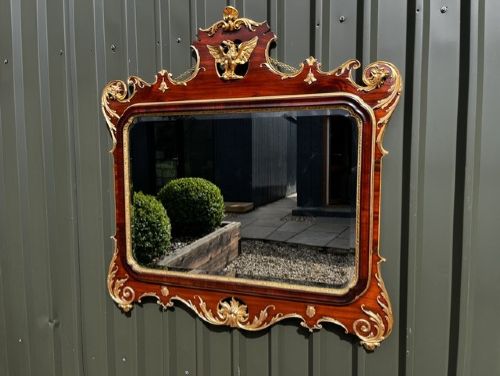
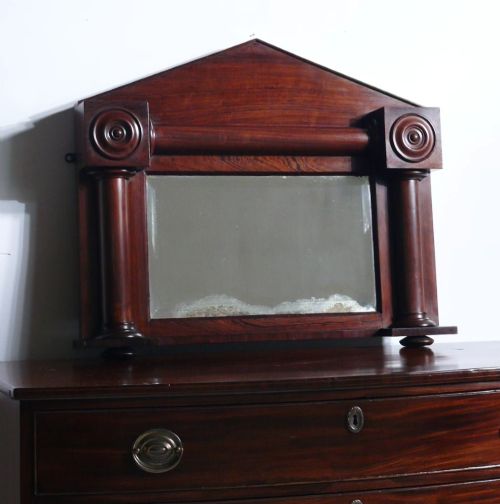
The Regency and Georgian pieces dominate the selection, often rendered in giltwood, mahogany, or walnut, displaying classic architectural motifs suited to period interiors.
Materials and Construction
Makers shaped these frames from solid timbers such as mahogany, walnut, and pine, applying gesso and gold leaf to create luminous gilded surfaces. Carved wood and composition ornaments were applied to build up the intricate neoclassical and rococo reliefs seen across the styles.
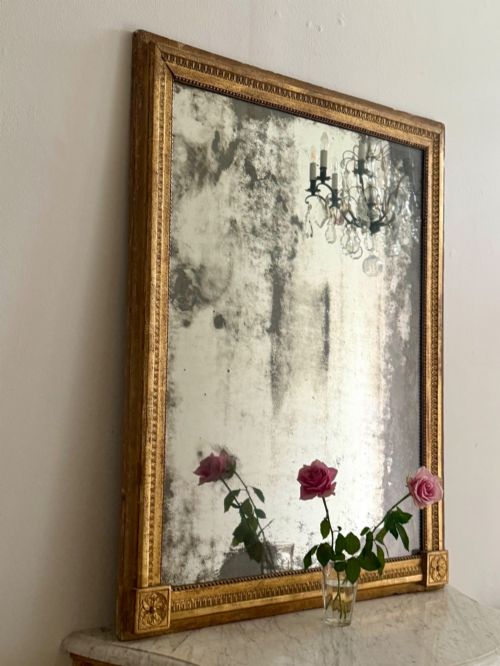
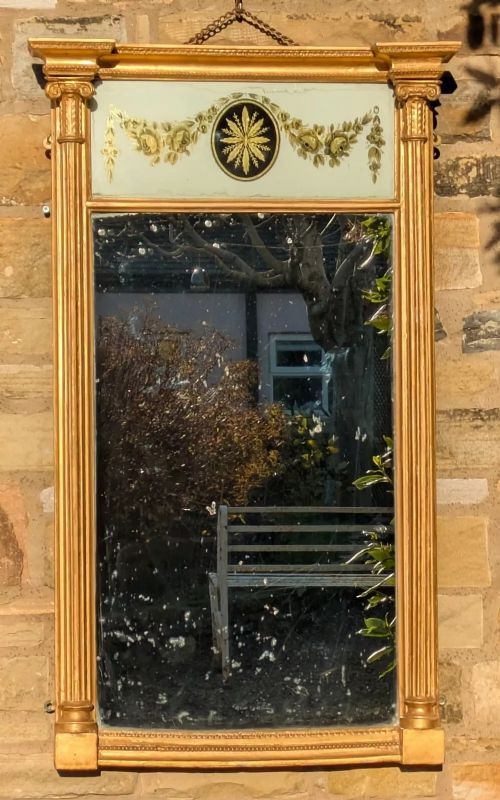
Mirror glass plates range from foxed mercury glass to original silvered plates, sometimes accompanied by verre eglomise panels. Joinery techniques rely on traditional pegging and jointing appropriate to the period of manufacture.
Some antique mirrors retain handwritten chalk inscriptions on their rear timbers, left by nineteenth-century glaziers recording their workshop visits.
Evaluating the Pieces
Quality rests in the crispness of the carved detail and the depth of the gilding over gesso or wood. Crisp mouldings and well-preserved original mirror plates distinguish finer examples from later revivals or heavily restored pieces.
Proportion and the retention of original glass add substantial distinction, as does the integrity of the timber frame beneath the surface gilding.
The Georgian Overmantel Wall Mirror Glossary
- Overmantel
- A mirror or panel designed specifically to hang on the wall directly above a fireplace mantelpiece. They are typically wider than they are tall to suit the span of the hearth.
- Giltwood
- Timber, frequently pine or gesso-coated wood, covered with thin sheets of gold leaf. This technique provides a bright, reflective surface that catches candle or window light.
- Gesso
- A plaster mixture applied to wood frames to create a smooth surface for gilding or deep relief carving. It allows for intricate moulded details and ornamentation.
- Verre Eglomise
- A cold decoration technique where design is applied to the reverse of glass using gold or silver leaf and pigment. It frequently appears in decorative panels above the main mirror plate.
- Pier Glass
- A tall mirror designed to hang on the wall space between two windows. These pieces reflect additional light into darker parts of the room.
Georgian Overmantel Wall Mirror: Frequently Asked Questions
Where should an overmantel mirror hang?
These mirrors traditionally hang centrally on the chimney breast directly above the fireplace mantelpiece. This placement anchors the piece within the room's architectural proportions and reflects light from opposite windows.
Ensure the wall fixings match the substantial weight of these timber and glass frames, consulting a professional if the plaster requires special anchors.
How do I identify a Regency mirror?
Regency pieces often display classical motifs such as reeded columns, ball-stud frames, or convex glass plates set within circular giltwood surrounds. The proportions tend to reflect early nineteenth-century design trends influenced by neoclassical ideals.
Look for construction clues on the reverse, including older pine backing boards and hand-cut screws that correspond to the period.
What is foxed glass?
Foxing refers to the natural ageing spots and dark patches that develop on older mirror plates as the backing degrades over decades. This patina is characteristic of mercury glass and early silvering techniques.
Many collectors prize foxed glass for the authentic age it imparts, softening the reflection rather than offering a modern, clinical mirror image.
Can these mirrors be cleaned safely?
Dust the giltwood frame gently with a dry, soft brush to protect fragile gesso and gold leaf surfaces. Avoid commercial liquid cleaners on the frame, as moisture damages old gilding.
Clean the glass plate sparingly with a mild solution on a cloth, taking care not to let liquid seep behind the edges of the antique frame.