




Georgian Oil Painting Dogs
Georgian oil painting dogs capture canine companions with spirited character, offering collectors genuine charm and historic English provenance.
Georgian Oil Painting Dogs
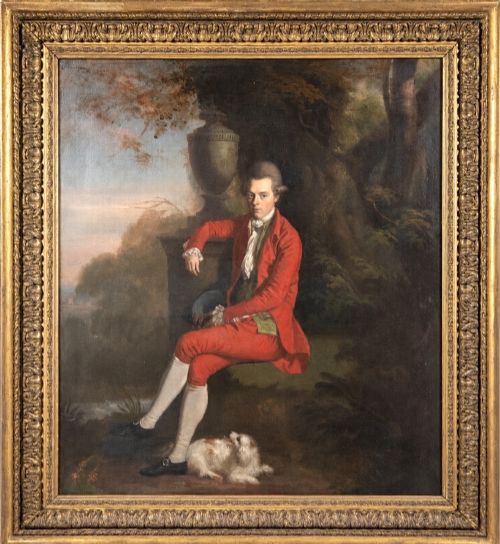
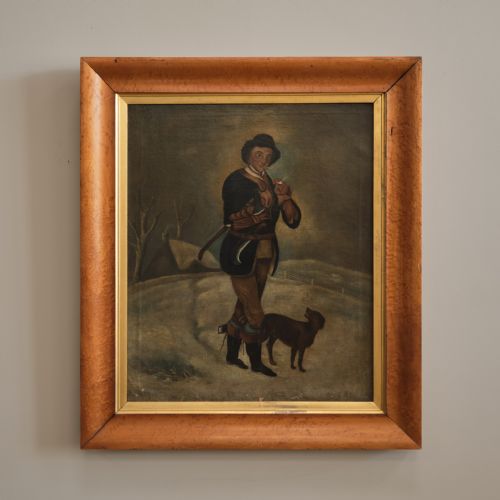
When you search for georgian oil painting dogs, you encounter canine portraits and sporting scenes from the eighteenth and nineteenth centuries. These works range from formal academic commissions to naive folk art representations.
You are most likely to meet hound and spaniel subjects depicted alongside their owners or within rural landscapes on this page. The selections span the Regency period and the wider Georgian era.
Canvas serves as the primary ground for these oil paintings, framed often in giltwood or carved wood. The subjects vary from single named hounds to elaborate hunting parties with sporting dogs.
Materials and construction
Artists applied oil paint directly onto stretched canvas surfaces, layering pigments to build depth in the animal coats and landscape backgrounds. Pigments were bound in oil mediums, drying slowly to a durable finish.
Many of these works retain their original or period giltwood and wooden frames, which provide structural support and aesthetic contrast. The combination of oil on canvas within gilded timber typifies the period workshop practice.
Listings feature oil on canvas paintings housed in giltwood frames across eighteenth and nineteenth-century periods.
Assessing quality in period canvases
The sophistication of brushwork and anatomical accuracy separate the finest academic portraits from naive regional pieces. Master hands capture the alertness and texture of a dog's coat with precise, confident strokes.
Compositional complexity also dictates standing, with multi-figure sporting scenes and named portraits holding greater visual weight than simpler compositions. The preservation of the original canvas and framing further influences the piece.
Samuel Raven·James Ward Ra·George Stubbs·George Morland·George Romney·Samuel John Egbert Jones·Dean Wolstenholme·Francis Alleyne
The Georgian Oil Painting Dogs Glossary
- Giltwood
- Wood that has been treated with a thin layer of gold leaf or metallic powder. This finish appears frequently on the decorative frames enclosing period canvases.
- Naive Art
- Artistic work produced by an untrained hand, characterised by direct perspective and charming simplicity. These pieces often lack formal academic proportion but display immense character.
- Oil on Canvas
- A traditional painting medium where coloured pigments are suspended in drying oils and applied to woven fabric. This combination provides flexibility and rich colour depth.
- Regency
- The period in British history spanning the early nineteenth century, marked by distinct shifts in art and fashion. Works from this time often exhibit refined neoclassical influence.
Georgian Oil Painting Dogs: Frequently Asked Questions
How do I identify a Georgian dog painting?
Look closely at the canvas material, the subject attire, and the framing style to establish a period baseline. Details such as hound breeds and landscape clothing often point directly to eighteenth or nineteenth-century traditions.
Compare the brush technique against known regional styles and naive folk art examples from the era. The presence of period pigments and traditional stretcher frames adds further contextual weight.
Were these dogs painted from life?
Many prized hounds and family pets sat for formal portraits alongside their owners, capturing specific animals by name. Artists recorded individual markings and expressions to honour these valued companions.
Other sporting scenes depict working dogs in the field, likely observed during hunts or shooting parties. These dynamic compositions prioritise action and landscape integration over static posing.
How should I care for an oil painting on canvas?
Keep the canvas away from direct sunlight and dramatic humidity shifts to prevent the oil paint from cracking. Stable indoor environments preserve both the pigments and the wooden stretcher bars.
Dust the surface gently with a soft, dry brush and avoid chemical cleaning agents entirely. Professional conservators should handle any deeper restoration or varnish removal.
What is Regency sporting art?
Regency sporting art focuses on rural pursuits, game shooting, and hunting dogs set within expansive British landscapes. These works celebrate the countryside and the animals central to rural leisure.
Artists of this tradition combined precise animal anatomy with atmospheric lighting and detailed foliage. The resulting scenes document both wildlife management and canine capability.