
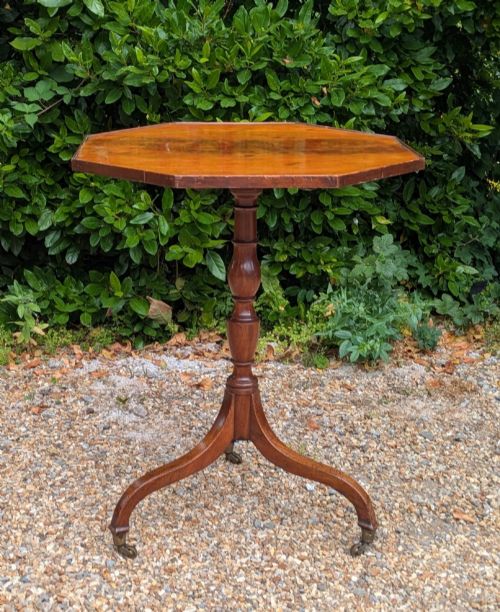
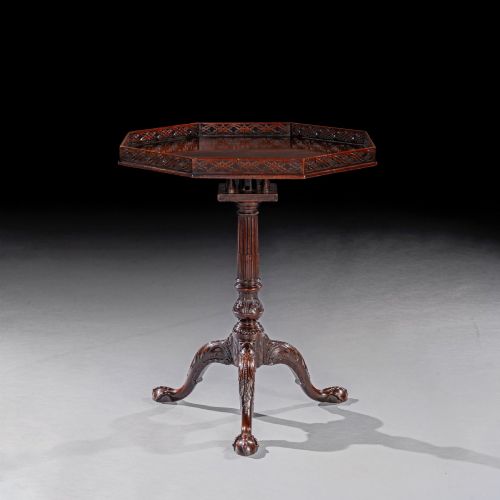
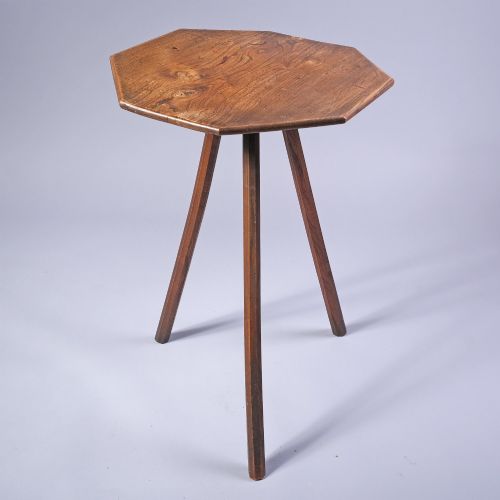
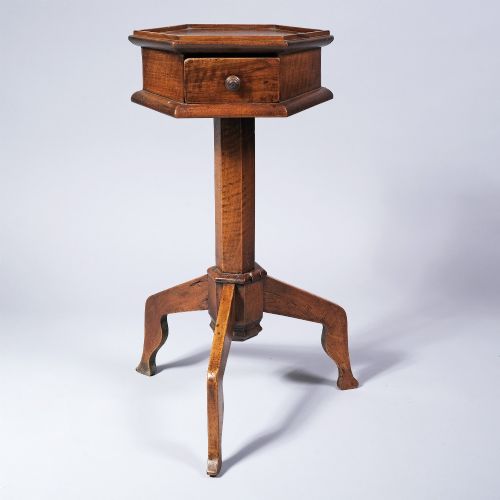
Georgian Octagonal Tripod Table
A georgian octagonal tripod table provides a compact, multi-sided surface raised on three legs, offering practical utility and refined style for any room.
Georgian Octagonal Tripod Table
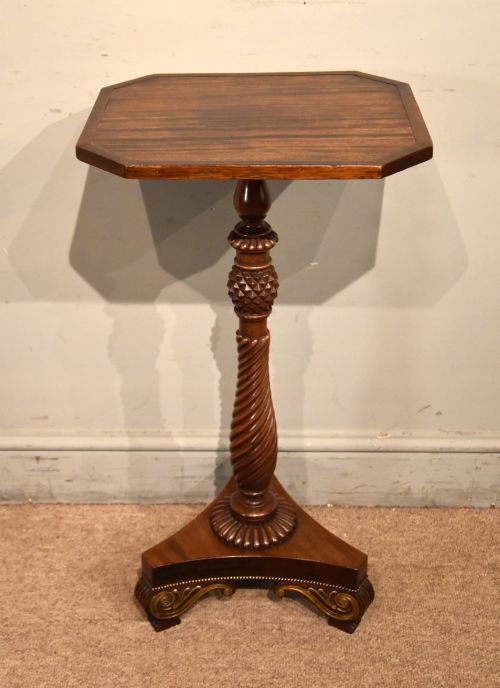
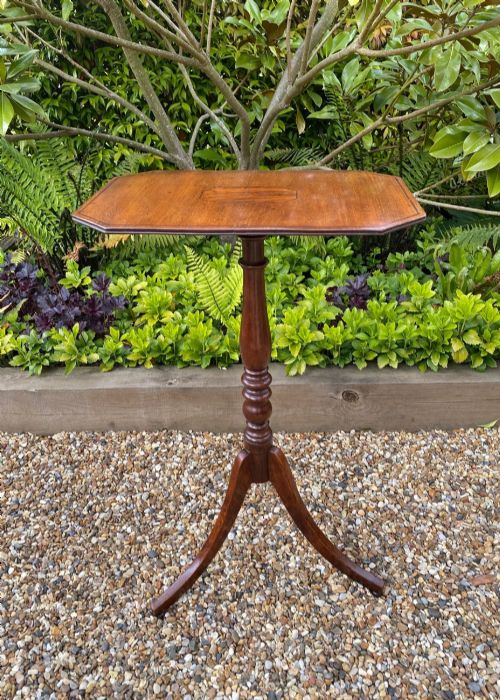
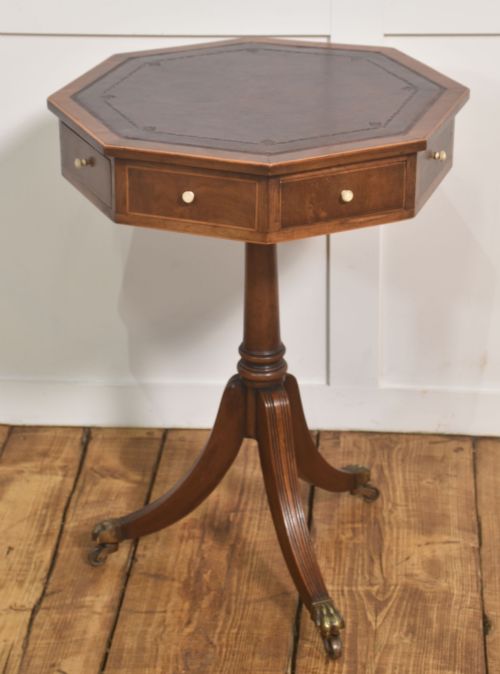
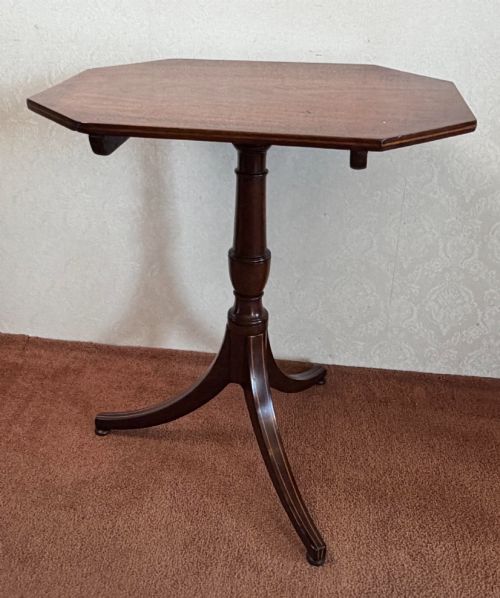
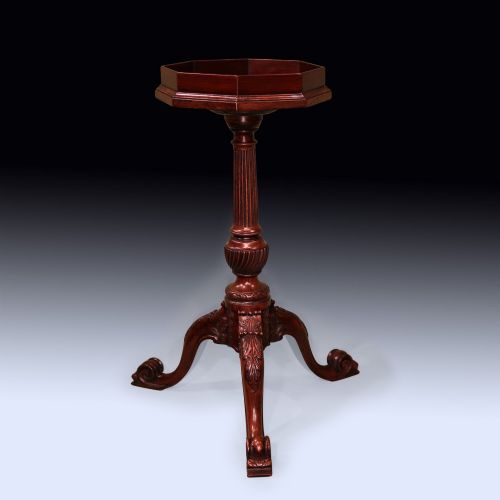
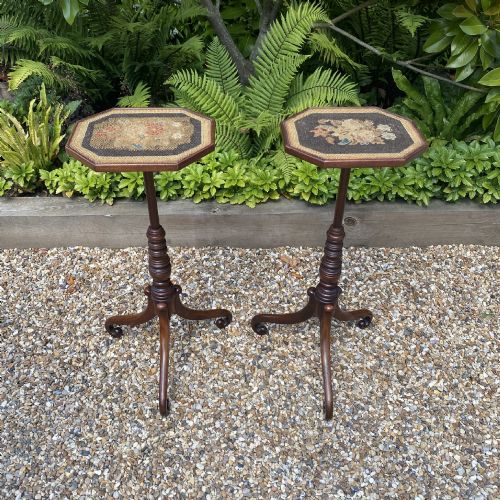
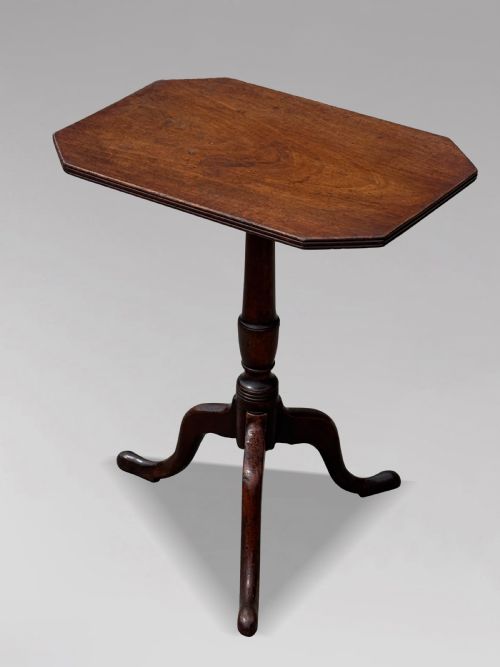
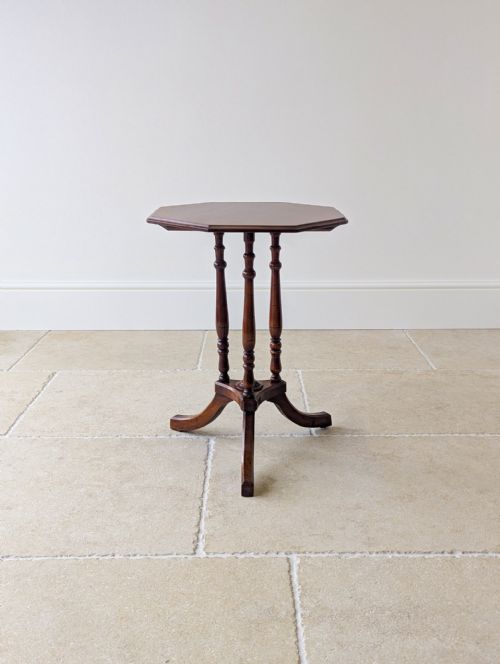
A georgian octagonal tripod table stands on a central pillar supported by three feet, combining stability with a distinctive eight-sided top. These small tables function as wine tables, candle stands, lamp tables, or occasional surfaces within domestic spaces.
The selections span the 18th century and the Regency period, with George II, George III, and later revival eras also represented. Mahogany forms the predominant timber, accompanied by fruitwood, ash, oak, walnut, and satinwood.
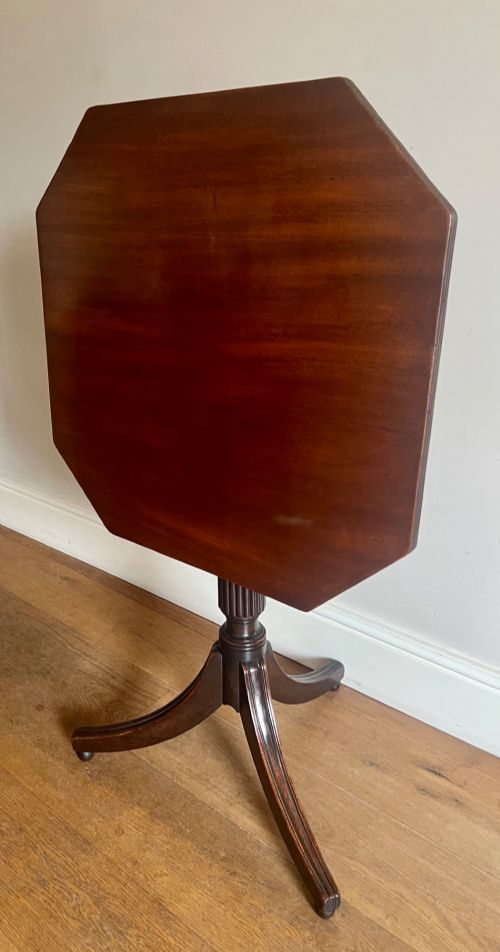
Makers designed these items for flexible placement beside seating or in corners, frequently incorporating tilt-top mechanisms to save space when not in use.
How They Were Made
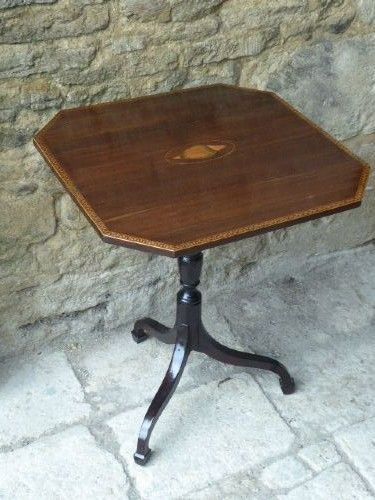
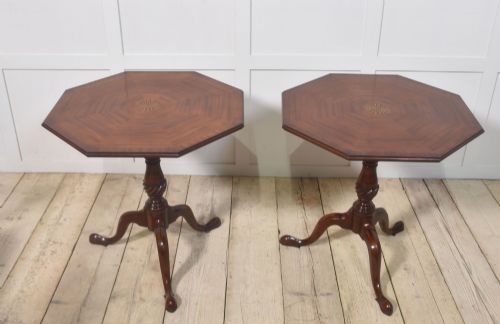
Cabinetmakers constructed these pieces primarily from solid mahogany, walnut, and regional timbers like ash and fruitwood, often selecting timber with pronounced flame figures. Surfaces frequently display contrasting inlay, boxwood stringing, or ink work.
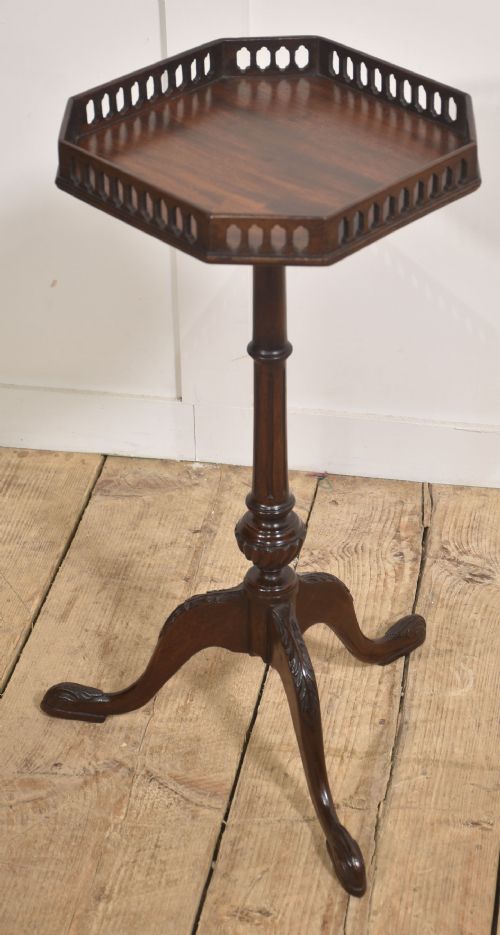
The three-legged base connects to a turned central column, occasionally featuring carved tripod legs or tilt-top and snap-top actions operating on a pivot block.
Listings span the 18th century, the Regency era, the 19th century, and the early 20th-century revival periods.
What Varies in Quality
The crispness of carved details on the legs and pillar separates standard examples from superior items. Sharply defined octagonal edges and well-executed timber veneers or boxwood stringing indicate higher workmanship.
The mechanical integrity of the tilt-top or snap-top action, alongside the original stability of the three-legged joint, determines the practical standard of the piece.
The Georgian Octagonal Tripod Table Glossary
- Tripod table
- A small occasional table supported by a central pillar and three legs. This construction allows the table to stand steady on uneven floors.
- Tilt-top action
- A hinged mechanism allowing the tabletop to pivot into a vertical position. This function enabled tables to stand flat against walls when not in use.
- Boxwood-strung
- Inlaid with narrow strips of pale boxwood to create contrasting borders on the timber surface. It defines the edges of panels and table tops.
- Snap-top table
- A table featuring a catch or spring mechanism that locks the tilting top horizontally in place. This prevents the surface from tipping during use.
- Flame mahogany
- Timber cut from the fork of the mahogany tree to produce a rippling, flame-like grain pattern. Cabinetmakers reserved this wood for prominent display surfaces.
Georgian Octagonal Tripod Table: Frequently Asked Questions
What is a georgian octagonal tripod table used for?
These tables served various domestic purposes including holding candles, wine bottles, lamps, or books. Their compact dimensions suited them for placement beside chairs or in corners.
Today, they function effectively as lamp tables or side tables in sitting rooms and hallways.
How do you operate a tilt top table?
A tilt top table relies on a catch or pivot mechanism beneath the surface that releases the tabletop. This allows the board to swing from a horizontal position to a vertical one.
When lowered back down, the catch locks the top securely into place for use.
What woods were used for these tables?
Mahogany remains the primary timber found across these pieces, frequently chosen for its strength and rich dark colour. Cabinetmakers also utilised satinwood, walnut, oak, ash, cherry wood, and fruitwood.
Inlays and stringing incorporated contrasting materials like boxwood.
How can I tell the period of a tripod table?
Stylistic details such as carved legs, edge mouldings, and inlay patterns help indicate the manufacturing era. Georgian and Regency pieces show specific regional cabinetry traits and turnings.
Later revival pieces from the 19th and early 20th centuries often replicate these earlier styles.