



Georgian Oak Slope Desk
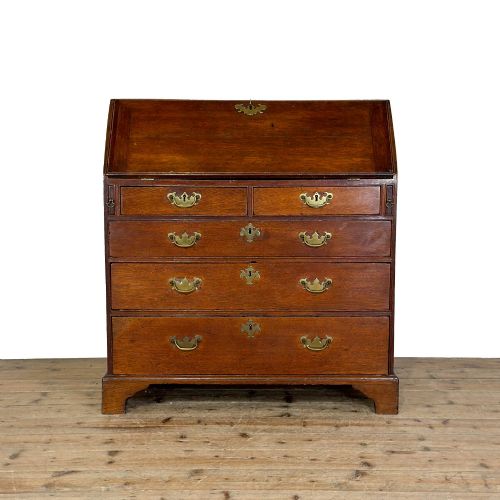
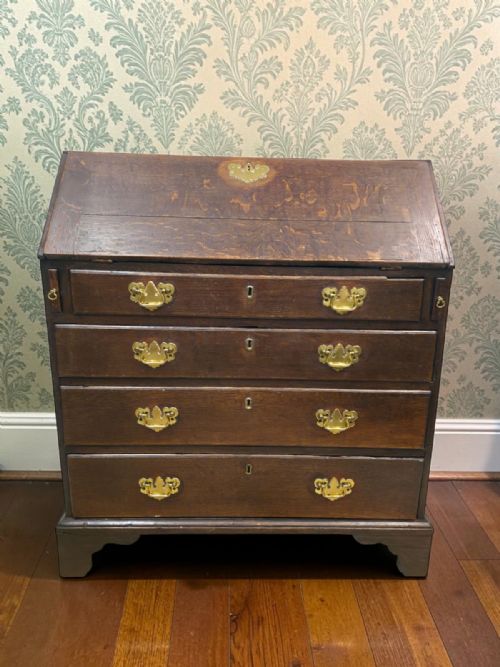
A georgian oak slope desk brings sturdy domestic writing furniture into a room, offering practical fall-front storage and fitted internal compartments.
Georgian Oak Slope Desk
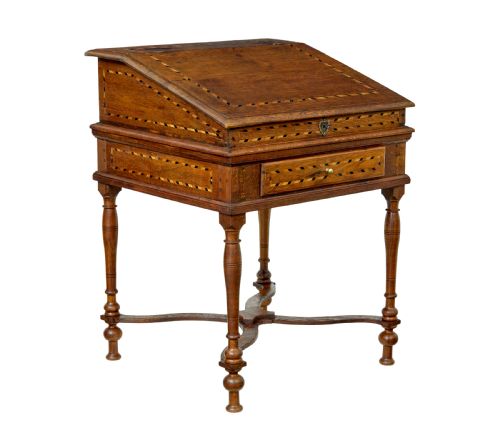
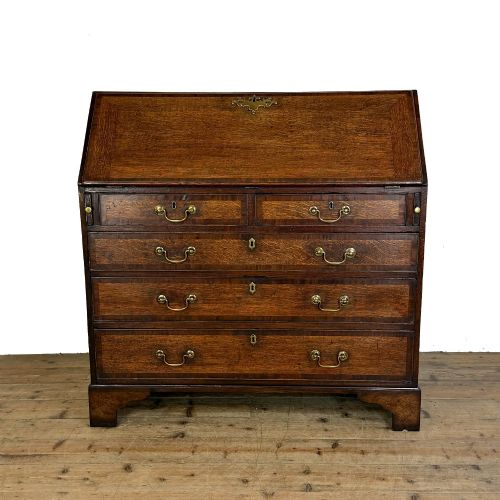
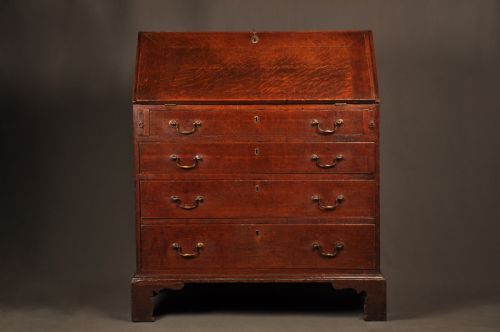
A georgian oak slope desk primarily encompasses writing bureaux, fall-front writing desks, and table-top slant boxes designed for daily correspondence and document storage. These pieces date predominantly from the eighteenth century, alongside related seventeenth-century antecedents and early nineteenth-century examples.
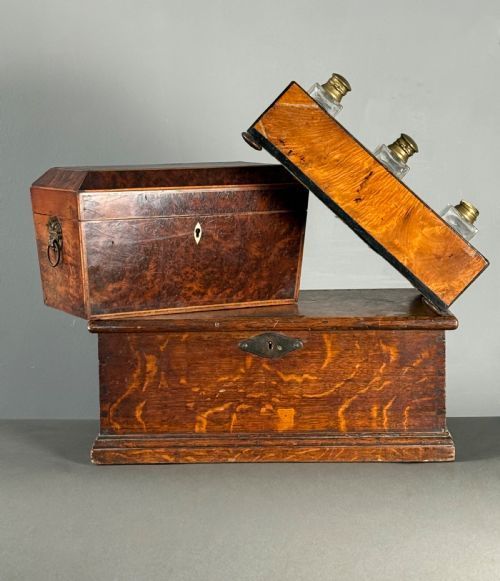
Buyers will most frequently encounter solid oak bureaux featuring a sloping lid that opens to reveal internal drawers and pigeonholes. Variations include clerk desks, table desks, miniature pieces, and boxes with inlaid details or fitted interiors.
Regional vernacular pieces appear alongside more formal styles, reflecting English and Welsh cabinet-making traditions. The core form serves both as a functional writing surface and a compact storage chest.
Quality factors in construction
The sophistication of the internal fitting distinguishes finer examples from simpler vernacular pieces, particularly when stepped arrangements and secret drawers are present. Cabinet-makers who employed precise crossbanding and contrasting holly or bog oak inlay elevated the visual distinction of the exterior.
The choice of primary timber and secondary woods influences the overall character, with solid construction and intact period hardware maintaining the integrity of the piece. Alterations such as later stands change the historical standing of a desk.
Listings feature periods spanning the seventeenth, eighteenth, and nineteenth centuries, executed primarily in solid oak with occasional walnut, mahogany, and fruitwood.
The Georgian Oak Slope Desk Glossary
- Bureau
- A writing desk featuring a sloping lid that drops down to form a writing surface, above a set of drawers. These pieces often contain internal pigeonholes and small drawers.
- Fall front
- A hinged writing flap that drops from a vertical or sloping position to provide a horizontal surface for writing. It conceals the interior compartments when closed.
- Crossbanding
- A strip of veneer applied to the border of a panel, arranged so the grain runs perpendicular to the central piece. This technique frames the primary timber of the drawer fronts or fall lids.
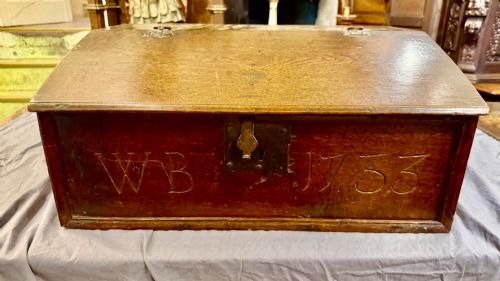
- Bible box
- A small wooden box with a slanted lid, historically used to hold folio volumes or documents. They form the functional precursor to the larger desk forms.
- Vernacular
- Furniture produced by local craftsmen using regional traditions and native timbers rather than following strict metropolitan stylistic dictates. These pieces show distinctive local character.
Georgian Oak Slope Desk: Frequently Asked Questions
What is a georgian oak slope desk?
A georgian oak slope desk is a traditional writing furniture piece featuring an angled writing lid that covers internal compartments and document slots. These items span various formats from large freestanding bureaux to table-top slant boxes.
Craftsmen built these pieces primarily during the eighteenth century using native oak, often incorporating fitted drawers and brass hardware for daily use.
How did people use these desks?
Owners used these desks for personal correspondence, keeping accounts, and storing important deeds or reading materials securely behind locked fall-front lids. The slanted surface provided an ergonomic angle for writing with quill and ink.
Inside, the small drawers and pigeonholes organised letters, ledgers, and stationery supplies within easy reach of the writer.
Where were these desks made?
Cabinet-makers produced these desks across English and Welsh workshops, ranging from urban cabinet shops to regional provincial centres. Vernacular pieces often display local building traits specific to areas like Wales or regional shires.
Makers relied on locally sourced native hardwoods such as oak and elm for domestic production.
How do I live with a sloping desk?
Living with a slope desk involves utilising the drop-front writing surface for modern correspondence or display while benefiting from the enclosed storage beneath the lid. The compact footprint fits well in studies, living rooms, or hallways.
Maintaining the wood with appropriate care preserves the antique oak finish and keeps the internal drawers operating smoothly.
How do I tell periods apart?
Identifying periods relies on examining construction techniques, hardware styles, and decorative inlays like holly or bog oak that evolved over time. Seventeenth-century examples often display simpler joined box forms, whereas eighteenth-century pieces frequently feature sophisticated drawer arrangements and crossbanding.
Stylistic shifts from early georgian vernacular work to later george iii designs provide clear clues to the age of the timber and fittings.