

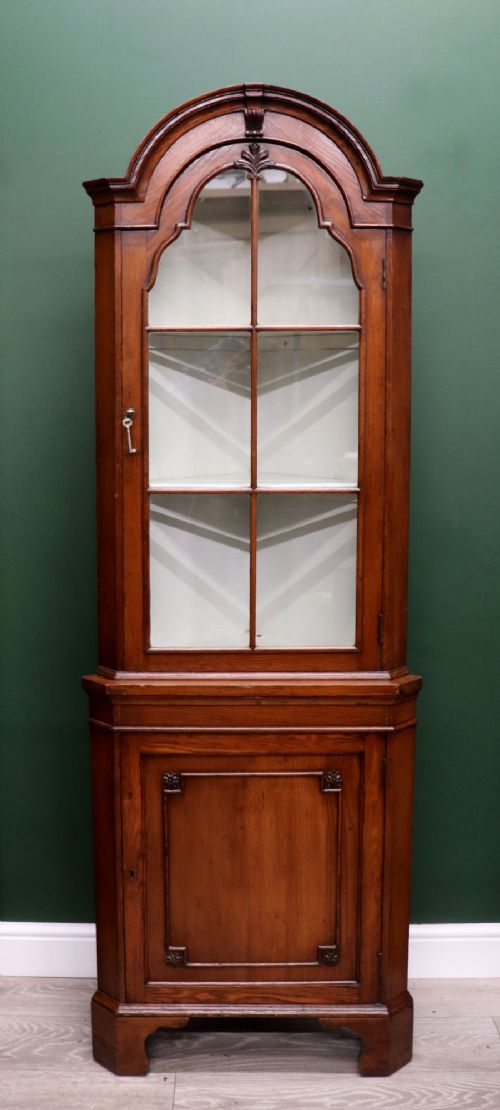


Georgian Oak Glazed Cabinet
A georgian oak glazed cabinet brings sturdy warmth and refined display space to a room, offering the practical storage every collector needs.
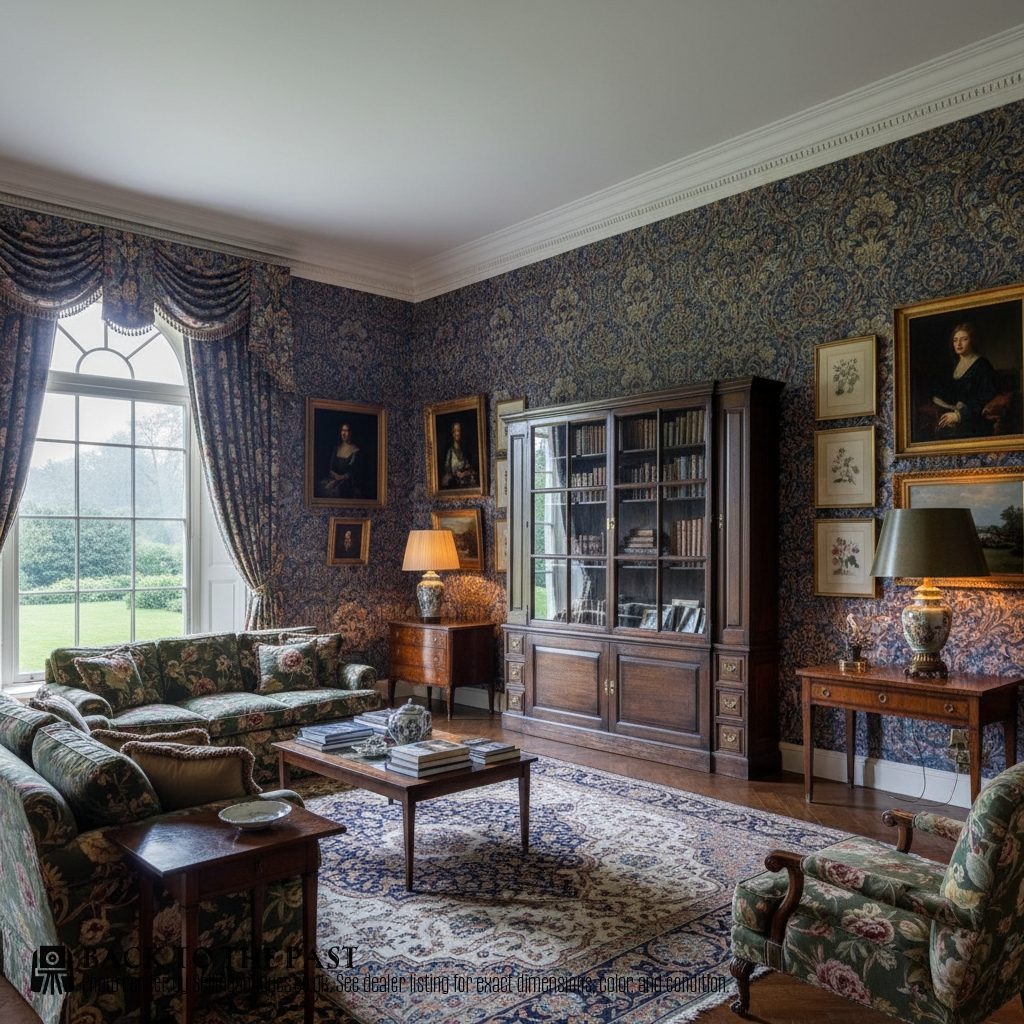
Georgian Oak Glazed Cabinet
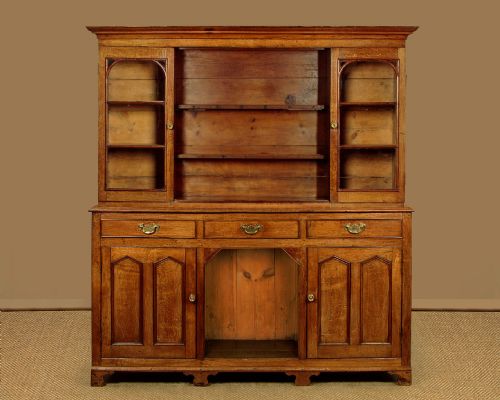
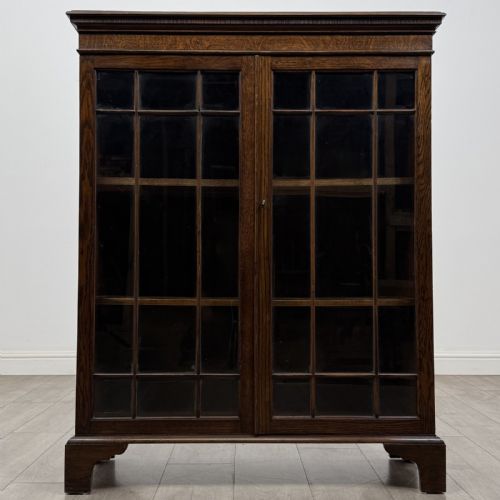
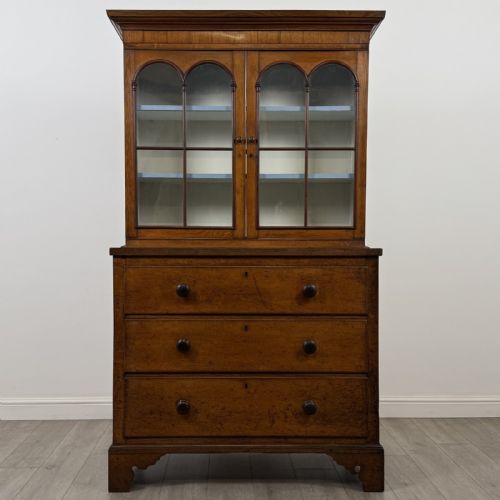
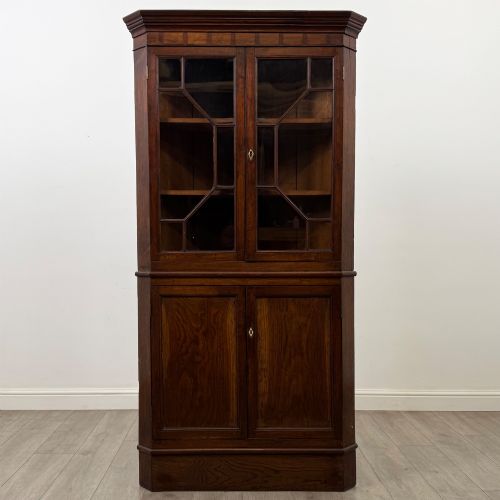
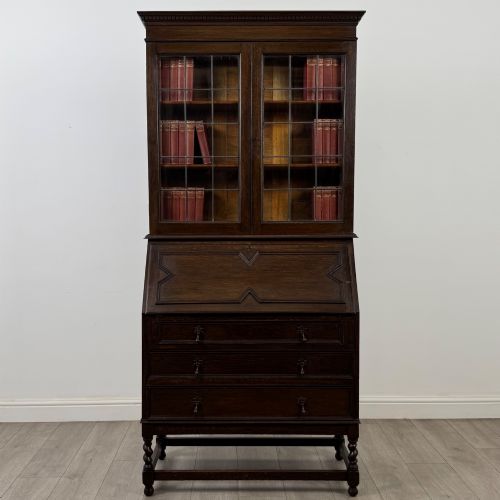
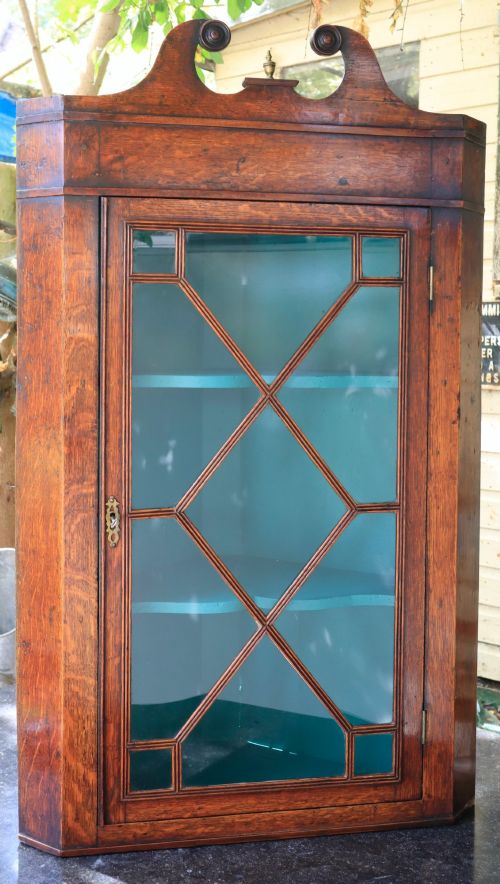
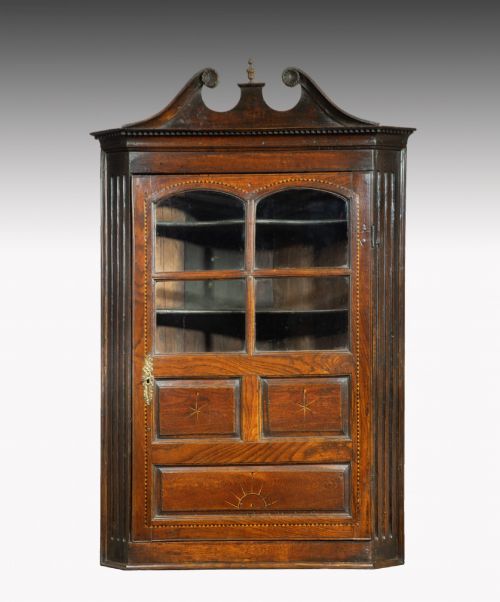
A georgian oak glazed cabinet combines utilitarian storage with architectural display, typically taking the form of corner cupboards, wall-hanging units, or tall bureau bookcases. These pieces originate primarily from the eighteenth century, though later revival periods also contribute similar forms to the selection.
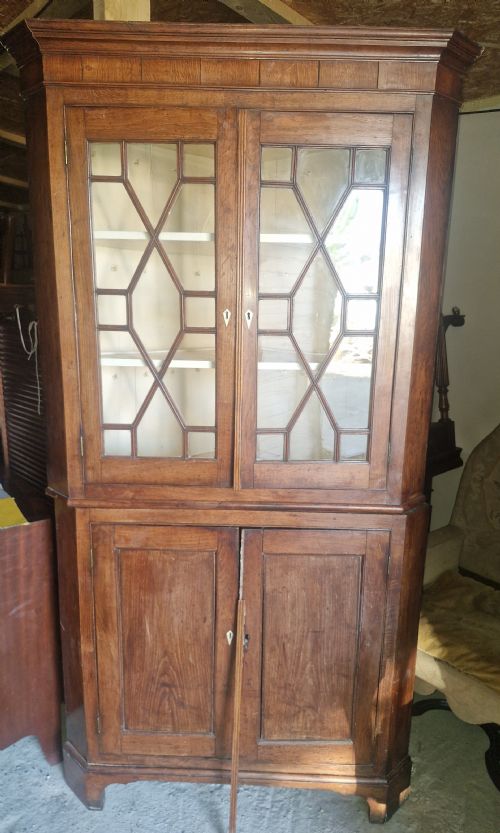
The most common variation encountered on this page is the corner cabinet, designed to utilise domestic space efficiently while showcasing contents behind glass doors. Examples range from simple country workshops to more formal George III designs.
Regional variations appear frequently, including pieces originating from Wales and the English West Country. These regional types often display specific cupboard configurations or distinct proportions that set them apart from standard metropolitan furniture.
Construction and materials
Timber selection centres on solid oak, chosen for its durability and characteristic grain pattern, sometimes supplemented by secondary woods in internal construction. Glazing relies on fitted glass panes held within wooden frames or delicate astragal bars.
Hardware details typically involve brass for hinges and escutcheons, providing functional contrast to the dark timber. Cabinetmakers joined panels using traditional framing techniques to accommodate the natural expansion and contraction of oak over centuries.
Georgian Oak Glazed Cabinet Retail Price Guide 2026
Typical asking prices for georgian oak glazed cabinet among the pieces listed under this phrase on Sellingantiques today, from the lower quarter to the upper quarter. They describe what is for sale here now, not the wider market.
Early Welsh cabinetmakers occasionally built corner cupboards with secret compartments hidden behind internal shelving to guard family ledgers.
Assessing quality and craftsmanship
Quality reveals itself in the proportion of the carcass and the fineness of the glazing bars, where slender astragal work denotes greater joiner skill. The choice of oak timber, particularly quarter-sawn boards with pronounced medullary rays, elevates the visual presence of the cabinet.
Originality of surface finish and hardware also dictates value, with untouched patination and period brasses marking the superior examples. Structural integrity in the door frames and tight corner joints separate well-preserved pieces from those requiring extensive intervention.
The Georgian Oak Glazed Cabinet Glossary
- Astragal glazed
- A method of dividing a glass door into smaller panes using slender wooden mouldings. These bars provide structural support while creating a decorative geometric grid across the front of the cabinet.
- Bureau bookcase
- A dual-purpose form featuring a sloping fall-front desk compartment below a glazed display section. This combination served both administrative and library needs in domestic settings.
- Cwpwrdd gwydr
- A traditional Welsh term for a glazed cupboard. These regional pieces often reflect local vernacular woodworking traditions distinct from urban cabinetmaking.
- Corner cupboard
- A triangular-fronted piece designed specifically to fit into the corner of a room. They appear as both wall-hanging units and taller floor-standing variations.
- Quarter-sawn oak
- Timber cut radially from the log rather than tangentially. This method exposes attractive grain figuring and stabilises the wood against warping.
Georgian Oak Glazed Cabinet: Frequently Asked Questions
Where should I place a corner cabinet?
These cabinets suit empty room corners where standard rectangular furniture wastes space. They make effective use of neglected architectural angles in living rooms and dining areas.
Position them away from direct heat sources and strong sunlight to protect the aged oak timber and historic glass panels from environmental stress.
How do I clean the glass safely?
Use a soft cloth and a mild glass cleaner applied directly to the cloth rather than the wood. This prevents moisture from seeping into fragile antique timber frames.
Take care around old astragal bars and putty, which can become brittle over centuries of exposure to indoor climates.
Can these cabinets hold heavy books?
Wall-hanging versions suit lighter decorative objects and porcelain collections rather than heavy libraries. Floor-standing bookcases and bureau formats offer greater weight capacity for books.
Check the interior shelf supports and fixed ledges before loading heavy volumes onto upper display levels.
How do I tell an 18th century piece from a revival?
Examine the internal construction methods, backboards, and fastener types for signs of period hand-tool work. Eighteenth-century surfaces usually display deep patination and tool marks consistent with early workshop practices.
Revival pieces from later periods often show uniform machine tooling and different nailing patterns inside the carcass.