





Georgian Oak End Table
A Georgian oak end table brings honest timber and compact utility into a room, offering sturdy charm without bulk.
Georgian Oak End Table
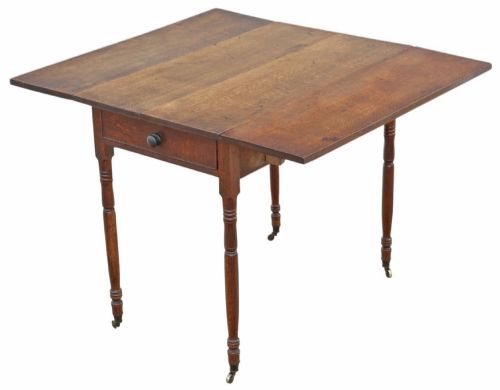
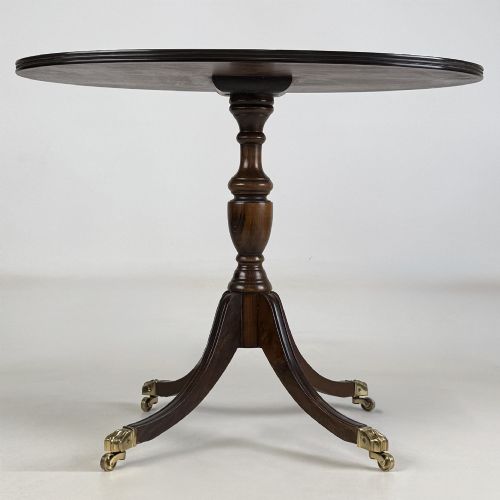
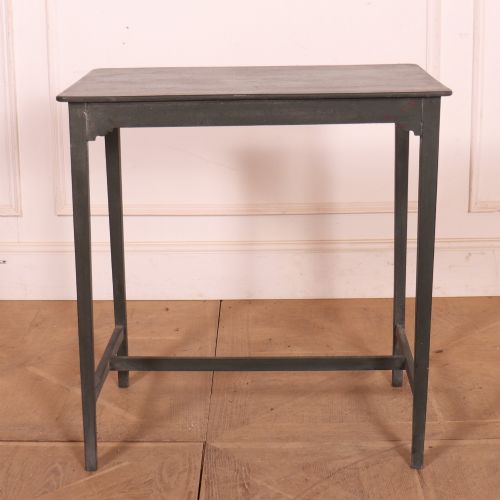
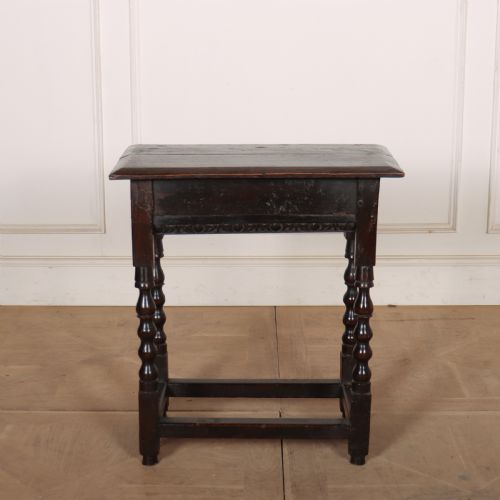
A georgian oak end table is typically found in forms such as side tables, lamp tables, and occasional tables originating from the eighteenth and nineteenth centuries. These pieces reflect practical domestic furnishing rather than grand formal design, utilising robust native timber for daily use.
The selection ranges from early eighteenth-century country examples with simple lines to later revivals, including drop-leaf pembroke tables and small oval formats. Elm and burr oak often appear alongside solid oak, showing regional English craftsmanship and straightforward construction.
How they were made
Makers relied on solid oak supplemented by secondary woods like pine and elm, often shaped with simple turned legs or bobbin turning. Surfaces were polished, painted, or left in a bleached state depending on the regional tradition and period.
Veneers such as burr oak and pollard oak were introduced on select top surfaces to add visual grain movement, while brass fittings appeared on drop-leaf variants for hinges and pulls.
Listings feature oak alongside elm, pine, and burr oak veneer, spanning the eighteenth and nineteenth centuries.
What varies in quality
Quality depends upon the choice of timber and the integrity of the original construction, with figured burr oak or well-matched grain elevating a piece above plain utility boards. The crispness of turning on legs and the retention of original surface finishes also distinguish finer workshops from simpler rural output.
Proportion and balance dictate the desirability of smaller formats, where clean lines and untouched timber patination show the table to best advantage.
The Georgian Oak End Table Glossary
- Pembroke table
- A small rectangular table with hinged flaps on either side that can be raised to extend the surface. These versatile items gained popularity in the eighteenth century for breakfast or writing use.
- Bobbin turning
- A form of lathe-turned leg or stretcher resembling a string of rounded bobbins or spools. It is frequently seen on seventeenth and eighteenth-century oak furniture.
- Burr oak
- A figured wood grain obtained from tree growths where the grain has swirled around dormant bud clusters. It provides a highly decorative pattern on table tops.
- Drop-leaf
- A table top design featuring hinged leaves that fold down to save space when not in use. Brackets or swing legs support the leaves when raised.
- Occasional table
- A small, movable table designed for a specific, transient purpose in a room, such as holding a lamp or book. They are typical of country house interiors.
Georgian Oak End Table: Frequently Asked Questions
What is a Georgian oak end table used for?
These tables function well beside a sofa or armchair for holding lamps, books, or small decorative objects. Their compact footprint suits tight spaces where larger furniture would overwhelm the room.
Historically, similar small tables served varied domestic tasks from holding candles to serving tea. Today they provide practical surface space while adding historic character to modern interiors.
How do I date a Georgian oak table?
Dating relies on observing construction methods, joinery types, and timber choices across the piece. Early examples often display pegged mortise and tenon joints and simpler turned supports.
Later nineteenth-century pieces or revival items may show machine-cut elements or different secondary woods like pine. Comparing the hardware and surface wear helps place the table within its correct century.
Are these tables made entirely of solid oak?
While solid oak forms the primary structure of most examples, secondary woods like elm, pine, and occasionally mahogany appear in hidden areas or secondary surfaces. Burr oak veneer is also used on the tops of select decorative models.
Examining the underside and drawer linings reveals the mix of native timbers used by the maker. This combination was standard practice in regional English cabinet making.
How do I care for an antique oak table?
Maintain the timber by keeping the table away from direct heat sources and sudden humidity changes to prevent wood splitting. Regular dusting with a dry cloth preserves the polished surface.
Occasional application of appropriate wax feeds the grain and protects the historic patina without sealing the wood. Avoid modern silicone sprays which can damage older finishes.