
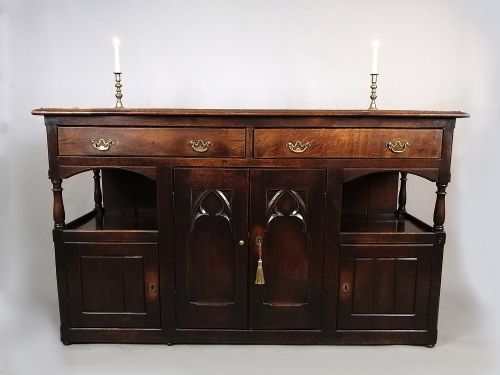
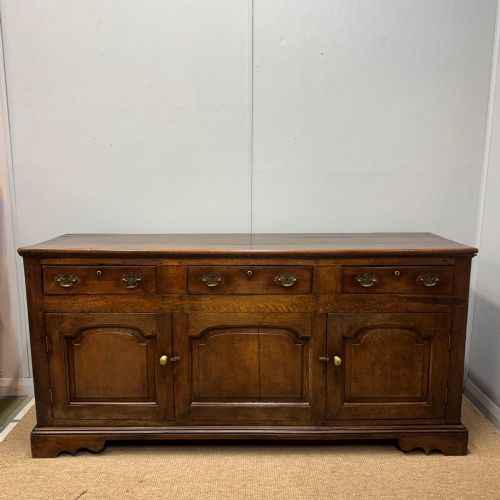
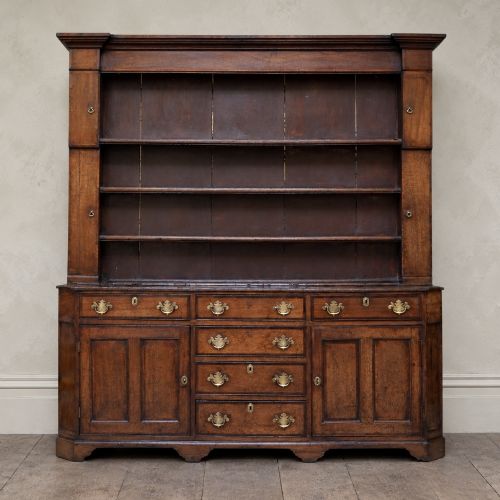
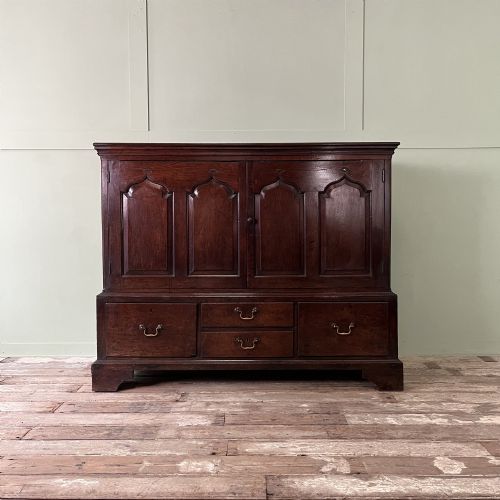

Georgian Oak Cupboard Sideboard
When you search for a georgian oak cupboard sideboard, you enter a world of heavy country timber built to serve generations.
Georgian Oak Cupboard Sideboard
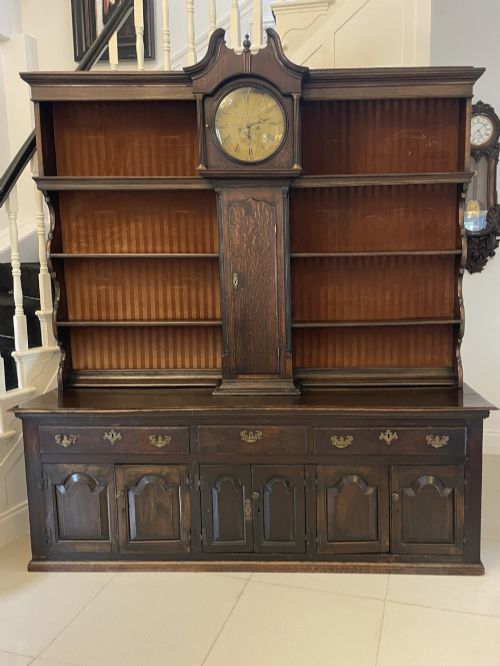
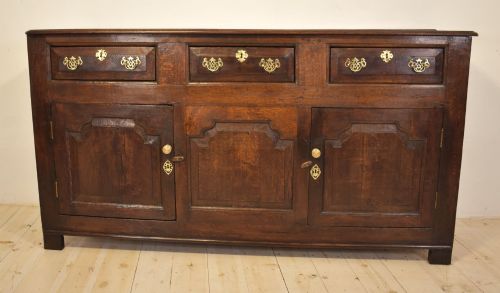
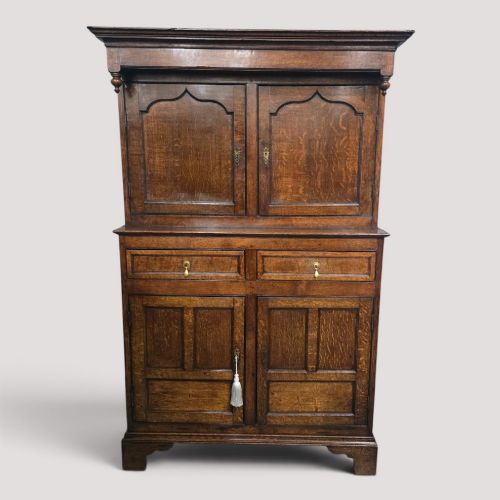
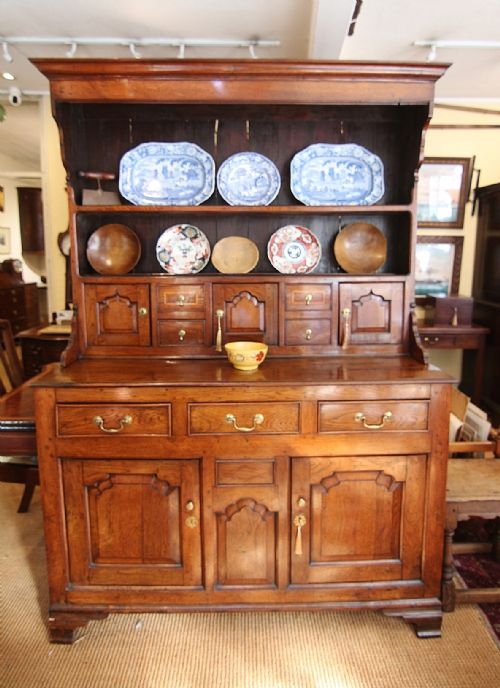
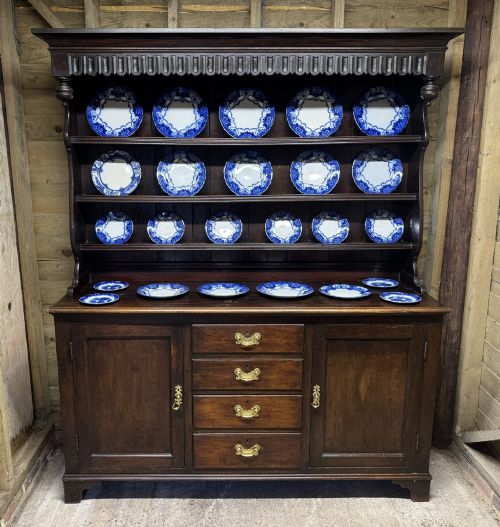
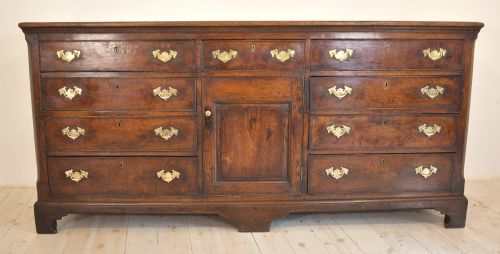
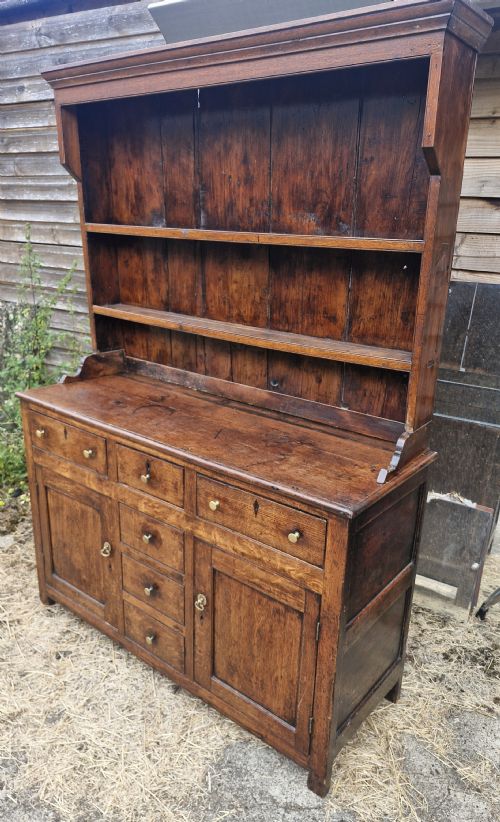
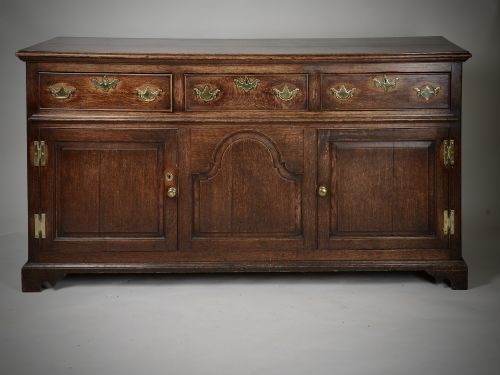
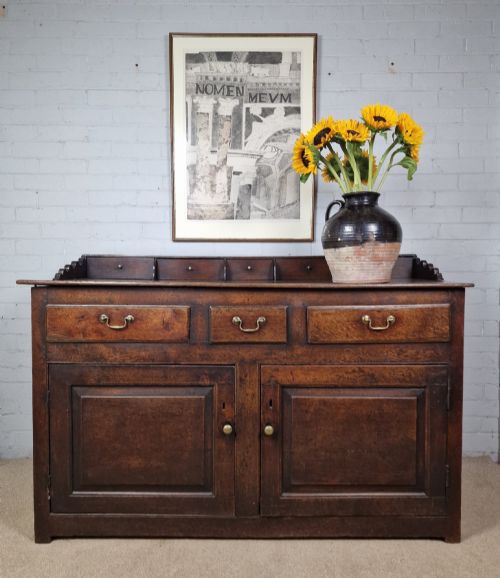
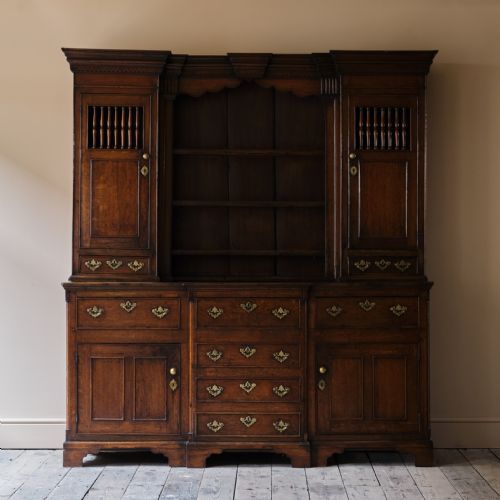
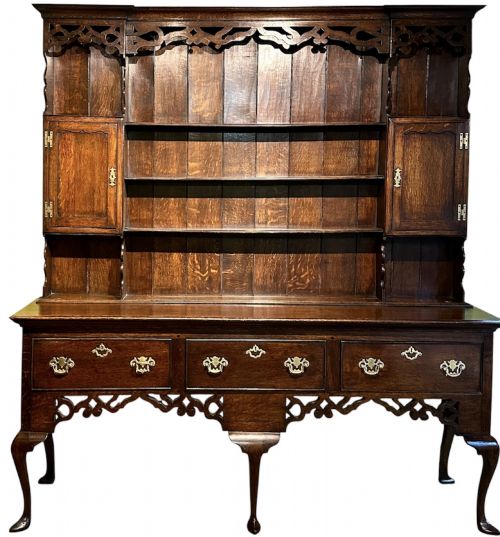
A georgian oak cupboard sideboard combines storage compartments and drawer bases, drawing from regional English and Welsh traditions. The listings here largely consist of dresser bases, court cupboards, and low presses originating from the eighteenth and nineteenth centuries.
Regional variations shape these forms, leading buyers to encounter West Country, Lancashire, and Snowdonia pieces alongside general English country styles. Many of these items include integrated racks or plate shelves designed for display and utility in historic kitchens.
Proportions range from small country cottages pieces to large formal Welsh dressers featuring breakfront drawers and inlaid details. Oak remains the predominant structural timber across these provincial forms.
How they were made
Makers relied primarily on solid oak for frames, panels, and drawer linings, often supplemented by secondary timbers like pine and elm in internal construction. Brass hardware and occasional bone or marquetry inlays in elm provide contrast against the dense timber grain.
Joinery techniques reflect traditional regional carpentry, utilising pegged mortise and tenon joints to secure heavy uprights and boarded backs. Surfaces show hand-planed finishes that develop a deep patina through centuries of daily domestic use.
What varies in quality
Quality rests upon the integrity of the timber, the subtlety of the moulded detailing, and the retention of original surface patination. Pieces featuring regional characteristics such as intricate inlays, burr elm panels, or well-proportioned breakfront drawers command greater attention from collectors.
The balance between structural survival and untouched timber surfaces determines the standing of an individual dresser base or cupboard. Alterations to hardware, feet, or board racks modify the historical consistency of these country furnishings.
The Georgian Oak Cupboard Sideboard Glossary
- Dresser base
- A low storage unit featuring drawers and enclosed cupboards, originally used in kitchens for food preparation and tableware storage.
- Court cupboard
- An enclosed antique cupboard structure, often with upper and lower tiers, built for storing provisions and household valuables.
- Plate rack
- An open shelving superstructure attached to the top of a dresser base to display ceramic plates and pewter.
- Pot board
- A low horizontal shelf positioned near the floor between the legs of a dresser base, traditionally used for storing pots and pans.
- Cwpwrdd deuddarn
- A traditional Welsh two-section cupboard designed for household storage, typically constructed in regional oak.
Georgian Oak Cupboard Sideboard: Frequently Asked Questions
What is a georgian oak cupboard sideboard?
These items are heavy country timber storage pieces combining drawers, low cupboards, and sometimes plate racks. They originated in provincial English and Welsh workshops during the eighteenth and nineteenth centuries.
Built for practical farmhouse use, they served as the central storage and display furniture in domestic kitchens and dining rooms. Today, they function as substantial sideboards in contemporary homes.
How do I care for antique oak furniture?
Maintain the timber by keeping it away from direct heat sources and sudden humidity changes that cause wood to split. Regular dusting with a dry cloth preserves the historic surface finish.
Avoid modern silicone polishes, applying traditional beeswax sparingly when the oak appears dry. Gentle maintenance protects the accumulated patina built up over centuries.
How do I spot a regional style?
Examine the specific timber combinations, decorative inlays, and structural proportions to identify regional characteristics. Welsh pieces often incorporate intricate belly racks or distinct panel arrangements.
English country versions frequently display simpler mouldings and straightforward plank construction. Comparing foot styles and drawer configurations helps pinpoint the area of manufacture.