
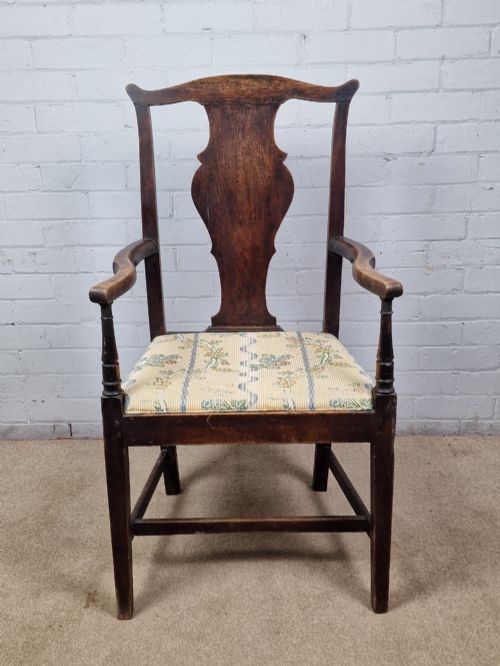
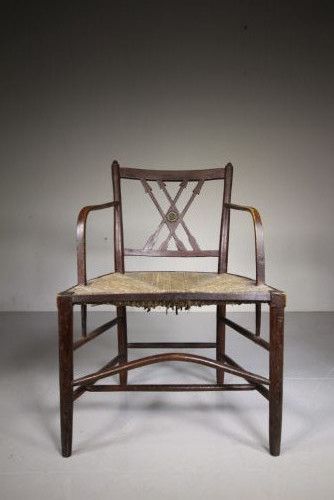


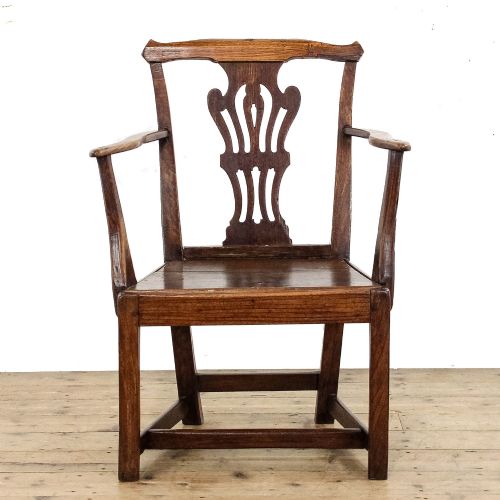
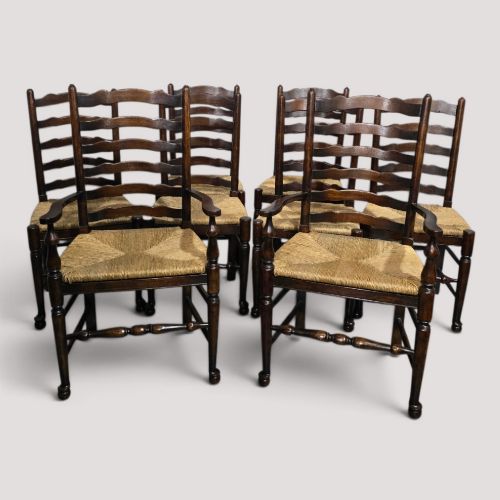
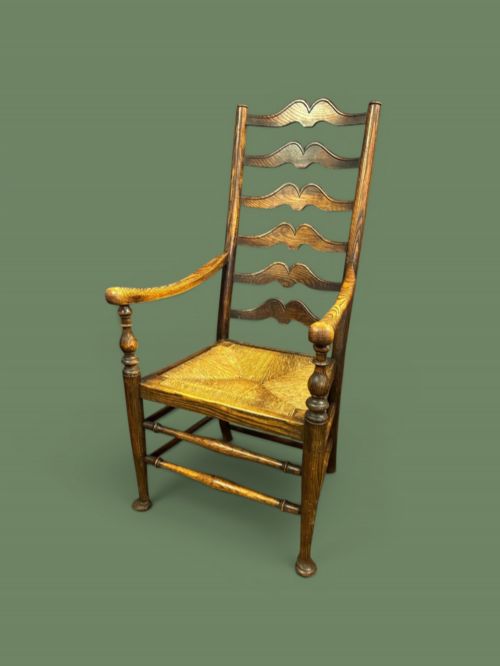


Georgian Oak Carver
A georgian oak carver is a sturdy seat built for the head of a table, offering solid regional craftsmanship and honest domestic utility.
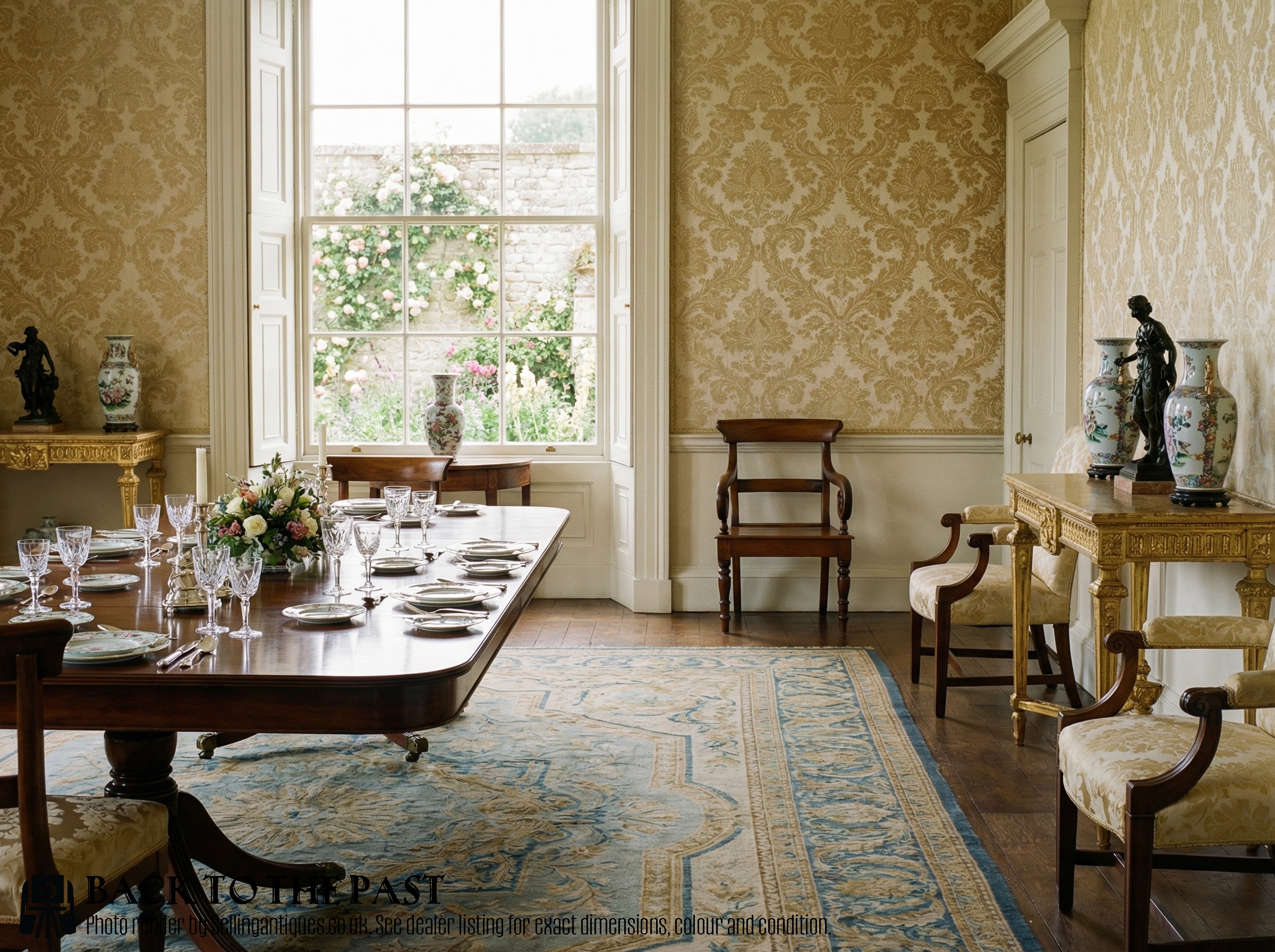
Georgian Oak Carver
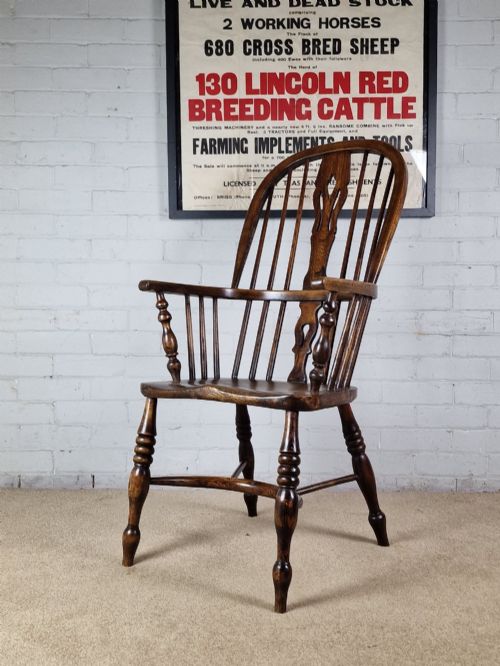
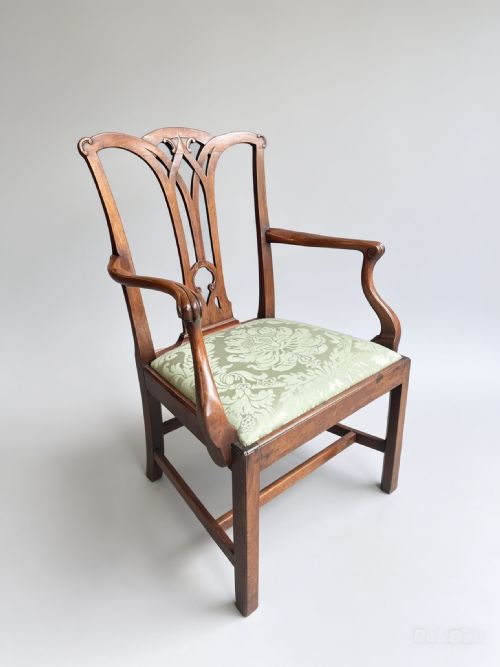
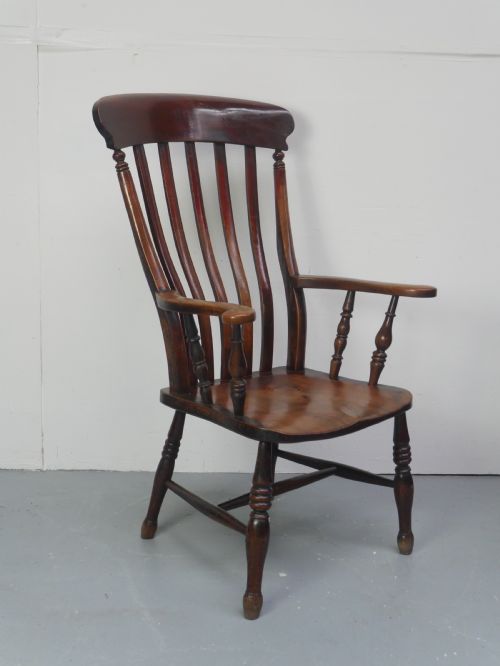
When you search for a georgian oak carver, you encounter robust seating designed for everyday domestic use during the eighteenth and early nineteenth centuries. These pieces serve as practical armchairs that anchor dining sets or stand alone in country houses and farmhouses.
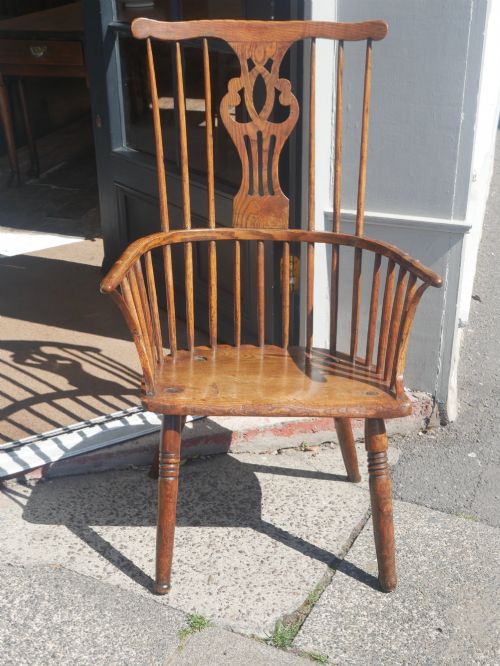
The versions most common on this page span the Georgian period, George III era, and Regency times, often exhibiting English country vernacular styles. Many examples incorporate regional variations such as ladder backs, spindle backs, and wheel backs alongside traditional Windsor forms.
Makers utilised local hardwoods to construct sturdy frames intended to withstand daily family life. The forms range from simple country chairs to elaborate Chippendale design armchairs and large regional seating from Wales and East Anglia.
Factors That Determine Quality
Quality rests upon the integrity of the timber and the tightness of the original joinery. Pieces retaining their structural stability without excessive timber replacement demonstrate superior survival through centuries of use.
Proportion and regional character elevate certain carvers above standard utility pieces. Finer examples display balanced arm designs, crisp spindle turnings, and desirable patination acquired through decades of polishing.
The inventory spans the 18th Century through the Regency period, encompassing Windsor, ladder back, and spindle back forms.
Waring
The Georgian Oak Carver Glossary
- Carver
- An armchair designed with open arms, traditionally placed at the head of a dining table. These chairs match or complement sets of single dining chairs.
- Windsor
- A chair constructed with a solid wooden seat into which the legs and back spindles are directly bored and wedged. This design offers robust durability through its pegged framework.
- Comb back
- A Windsor chair variation featuring a high back topped by a horizontal headpiece resembling a comb. Vertical spindles rise through the seat to support this upper rail.
- Ladder back
- A chair back constructed with horizontal slats bridging the vertical uprights. These slats are frequently curved to fit the contours of the sitter's spine.
- Rush seat
- A seating surface woven from dried marsh rushes around a wooden frame. This technique creates a textured, flexible support common in country furniture.
Georgian Oak Carver: Frequently Asked Questions
What is a georgian oak carver?
A georgian oak carver is a sturdy armed wooden chair produced during the eighteenth or early nineteenth century. These pieces were typically used as head-of-table seating in dining rooms and country houses.
They combine practical utility with regional stylistic details, utilising native timbers like oak, elm, and ash. Their robust construction has allowed them to survive centuries of daily domestic use.
How do I date a georgian oak carver?
Dating involves examining the construction methods, timber patination, and stylistic traits. Eighteenth-century examples often feature hand-turned spindles and pegged joinery characteristic of vernacular workshops.
Changes in back designs, such as ladder backs or wheel backs, also help narrow down the period from the Georgian era into the nineteenth century. Regional variations provide further clues to their origins.
Were these chairs used at dining tables?
These carvers served primarily as principal seating at dining tables or as occasional chairs in parlours and halls. Their open arms accommodated the bulky clothing of the period.
Pairs or single chairs often matched sets of simpler dining chairs, creating a unified arrangement for the household.
How should I care for an oak carver?
Maintaining an antique oak carver requires keeping it away from direct heat sources and dramatic humidity fluctuations. These environmental controls prevent the timber from splitting or warping.
Applying a traditional beeswax polish occasionally helps nourish the surface and preserve the historic patination without damaging the wood.