



Georgian Metalwork
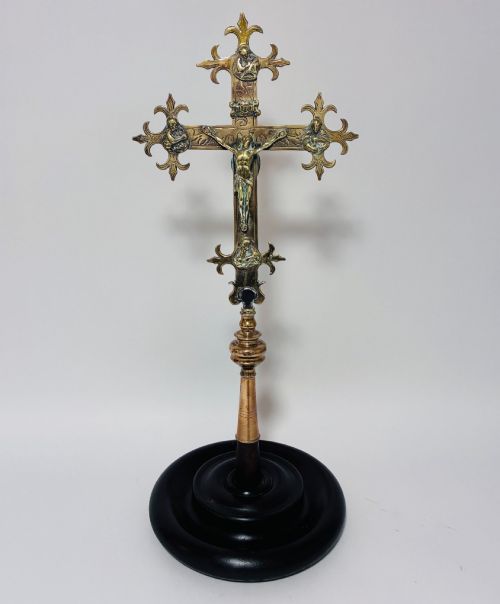
Georgian metalwork encompasses domestic and ecclesiastical utensils shaped from brass, copper, pewter, and wrought iron during the eighteenth and early nineteenth centuries.
Georgian Metalwork
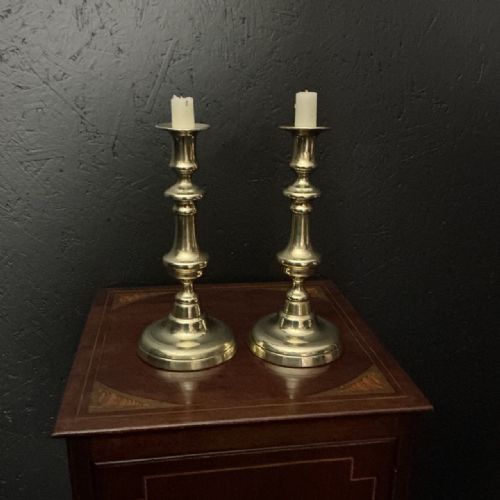
Georgian metalwork covers a diverse selection of utilitarian objects, from brass candlesticks and copper kettles to pewter plates and wrought iron rushlight holders. These items reflect the domestic and ecclesiastical routines of households and institutions during the eighteenth century.
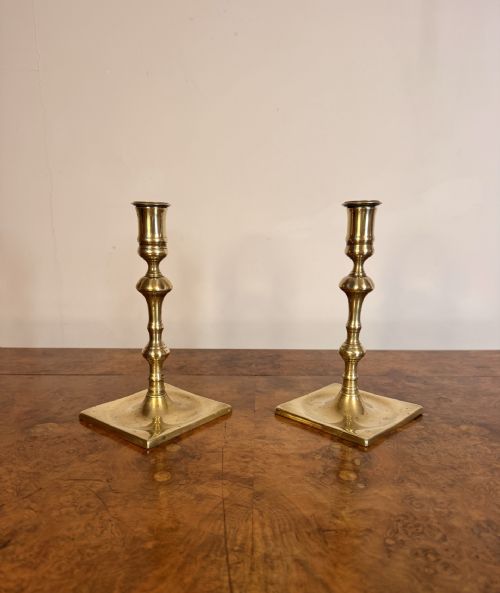
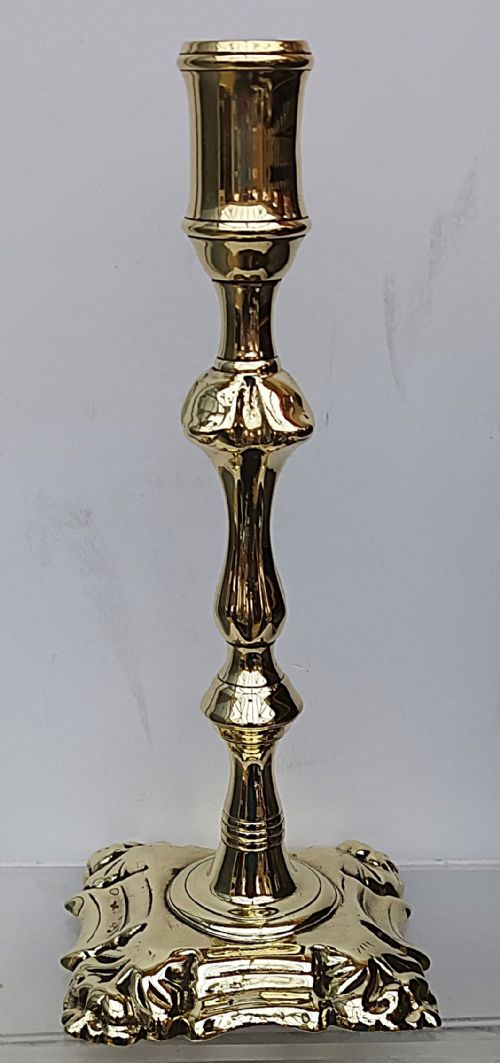
Candlesticks in brass and chamber candlesticks in paktong appear frequently alongside copper jugs, coffee pots, and bronze mortars. Such pieces range from utilitarian Scottish vernacular items to decorative Dutch wine coolers.
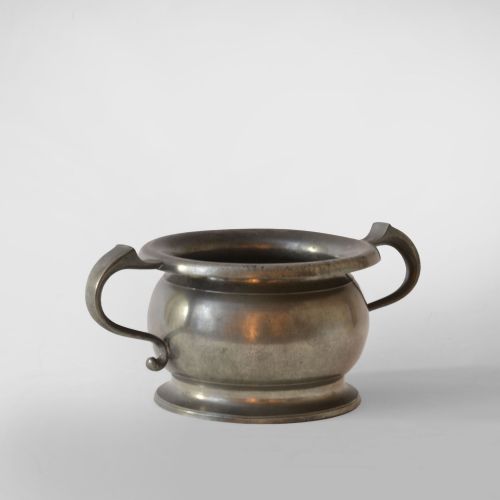
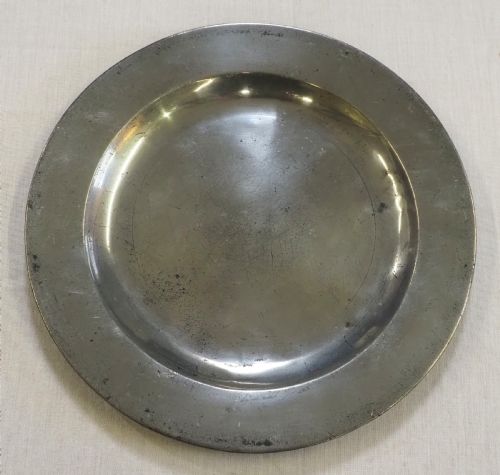
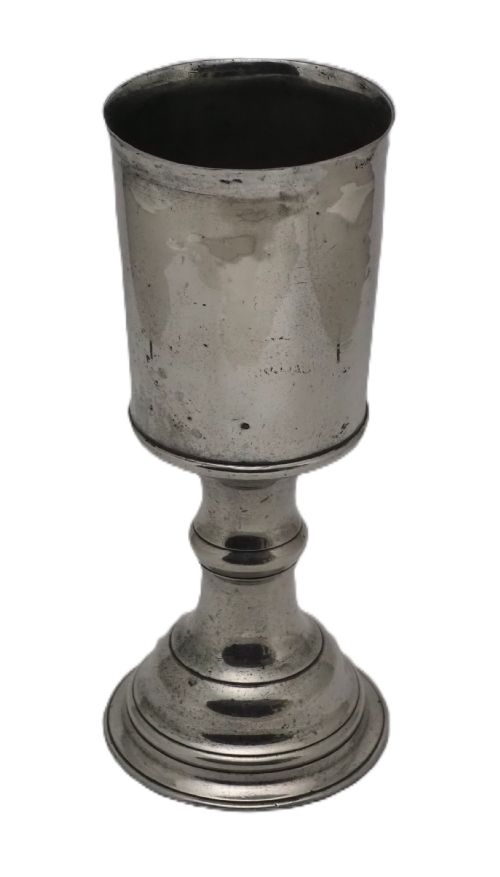
Domestic lighting and fireplace implements sit alongside tableware like pewter chalices and plain rim plates. The selection bridges practical utility and decorative craftsmanship.
How they were made
Makers utilised casting, hammering, and plating techniques across brass, copper, pewter, wrought iron, and Old Sheffield Plate. Brass and bronze components were frequently cast in moulds before being turned or finished by hand.
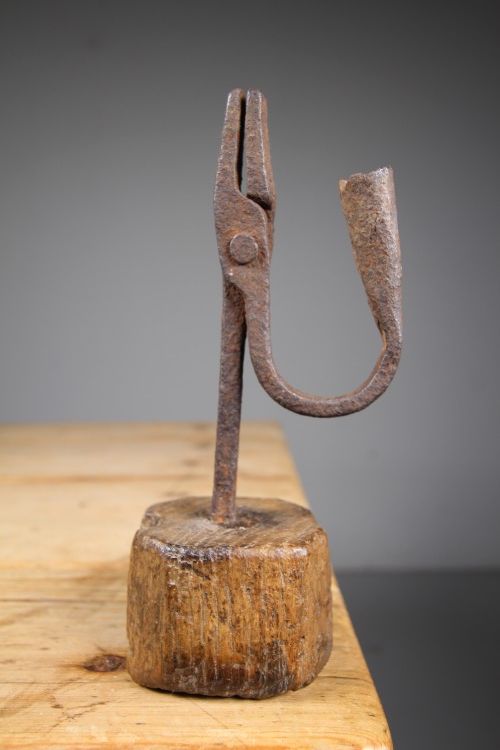
Pewter vessels and plates were cast using tin alloys, while iron items relied on smithing and forging techniques to create functional hinges, nips, and rushlight holders. Old Sheffield Plate combined copper and silver fusion to achieve plated surfaces.
Surface finishes involved polishing, planishing, and occasional silvering on metals like paktong and copper. These methods ensured durability for daily household or ecclesiastical tasks.
Georgian Metalwork Retail Price Guide 2026
Typical asking prices for georgian metalwork among the pieces listed under this phrase on Sellingantiques today, from the lower quarter to the upper quarter. They describe what is for sale here now, not the wider market.
Listings feature copper, brass, pewter, and wrought iron across domestic and ecclesiastical forms.
What varies in quality
Weight and structural integrity distinguish heavier, more substantial vessels from thinner utilitarian domestic pieces. Cast brass items with crisp mouldings and well-finished ejector mechanisms sit higher in the range than simpler provincial equivalents.
The precision of assembly, such as cleanly joined seams on copper coffee pots and smooth pewter surfaces, dictates the refinement of an object. Maker markings also influence distinction, separating unmarked vernacular items from identified pieces by known workshops.
W Scott of Edinburgh·Richard King of London·John Hoyland·Dixon and Son
The Georgian Metalwork Glossary
- Paktong
- A copper, nickel, and zinc alloy originating from China, used for bright eighteenth century candlesticks and domestic items. It mimics the appearance of silver.
- Old Sheffield Plated
- A composite material formed by fusing a thin layer of silver to a copper base, developed in the eighteenth century for tableware and vessels.
- Rushlight
- A primitive lighting device utilising a rush dipped in animal fat, held securely by a spring-action iron nip. These were common in vernacular rural settings.
- Goffering iron
- A heated metal tool used in the eighteenth century for setting ruffs, frills, and lace caps. It typically consists of a cylindrical metal tube mounted on a stand.
- Bannock turner
- A flat utensil utilised in Scottish vernacular baking for turning oatcakes on a girdle. They are usually fashioned from wood or metal.
Georgian Metalwork: Frequently Asked Questions
What is paktong?
Paktong is a durable copper-nickel-zinc alloy imported from Asia during the eighteenth century. It was valued for its bright, silver-like appearance in domestic items.
Items such as chamber candlesticks utilised this alloy for both decorative appeal and resistance to tarnish.
What is Old Sheffield Plate?
Old Sheffield Plate is an early composite metal formed by fusing silver to a copper core under heat and pressure. It was utilised for coffee pots and communion jugs.
This technique preceded electroplating and yields distinct edges where the base copper shows through.
How were goffering irons used?
Goffering irons were heated metal cylinders used to press pleats and frills into eighteenth century lace and linens. They were often heated with a red-hot iron rod inserted inside.
Domestic laundry tasks relied on these tools for finishing garments.
Are pewter plates safe to use?
Antique pewter plates often contain varying compositions of tin and lead. Modern culinary use is generally discouraged due to potential lead content.
They serve primarily as decorative or collectible display items.