
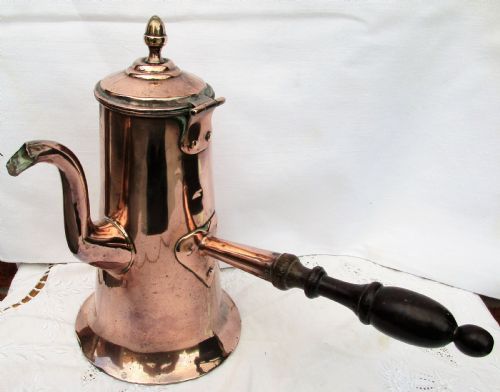


Georgian Metalware Pot
These georgian metalware pot examples offer robust utility and warm metallic tones, forged to serve hot drinks and food across centuries of domestic life.
Georgian Metalware Pot
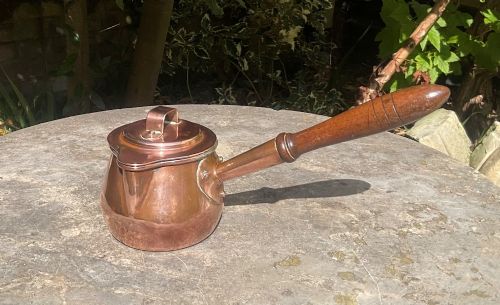
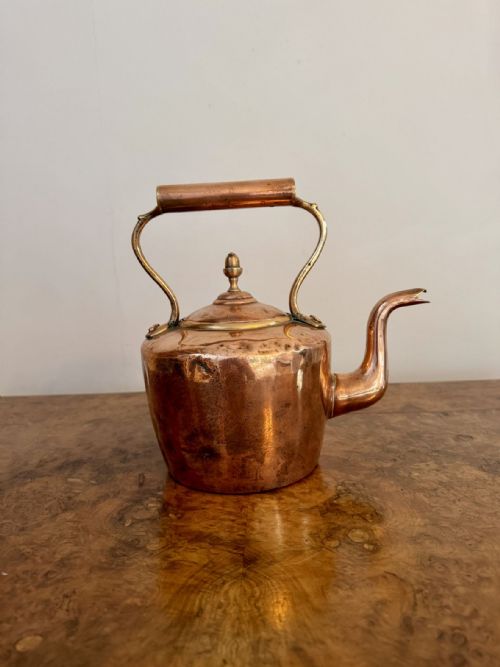
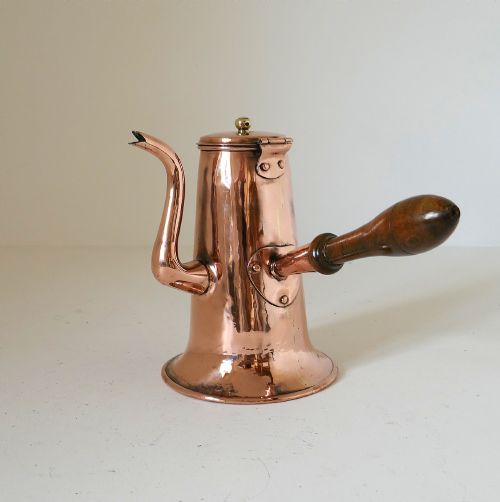
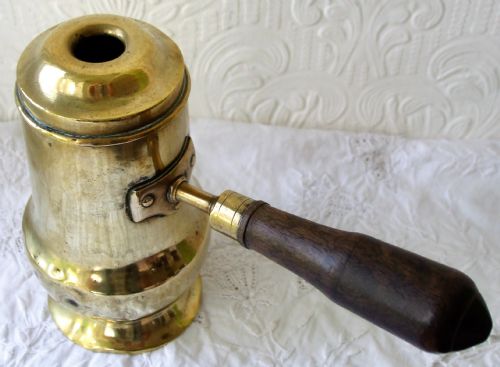
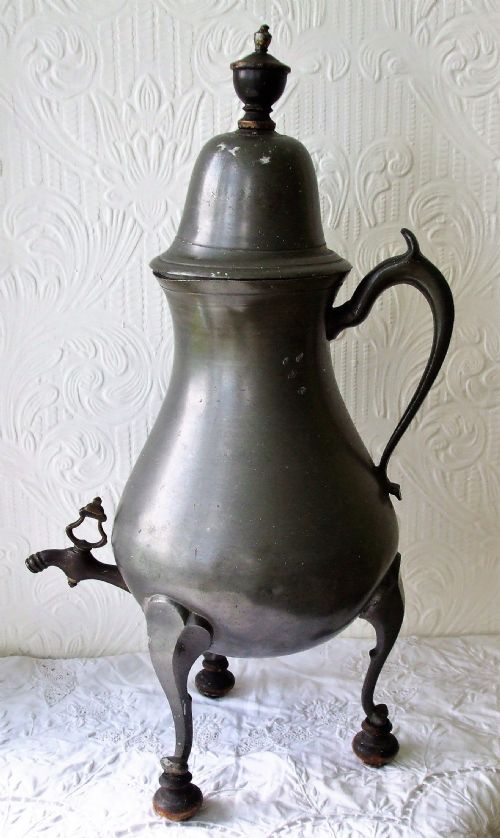
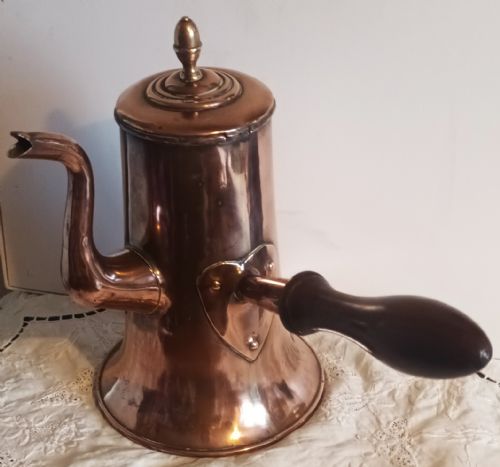
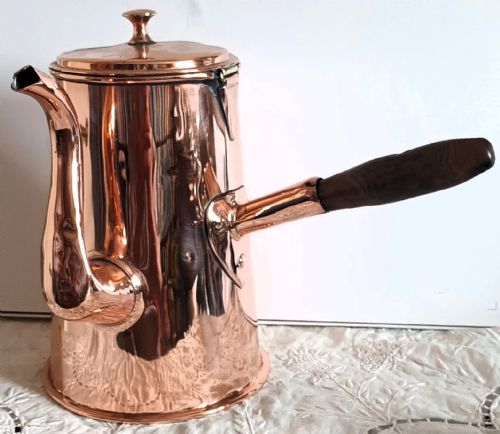
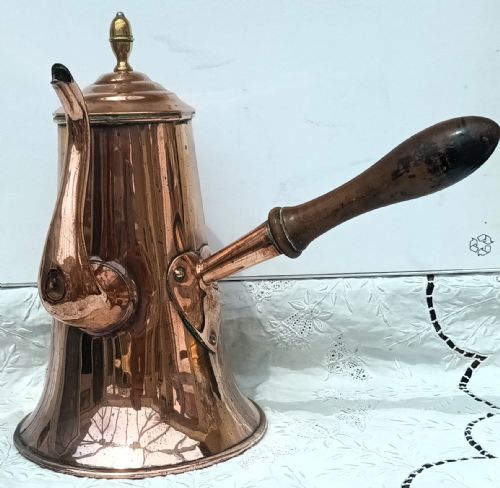
When you search for a georgian metalware pot, you encounter domestic vessels produced during the eighteenth and nineteenth centuries. These pieces encompass kettles, coffee pots, chocolate pots, and saucepans designed for kitchen and table use.
How they were made
Makers shaped these vessels primarily from sheet copper and brass, often combining metals to strengthen handles and spouts. Craftsmen formed bodies through hammering and joining techniques, finishing surfaces by hand polishing or retaining patinated finishes.
Details like wooden insulators on side handles and brass mountings provide functional contrast to the primary metal body. Pewter and Old Sheffield plate examples employ distinct casting and plating methods appropriate to their respective compositions.
Listings for this phrase include copper, brass, pewter, and Old Sheffield plate across eighteenth and nineteenth-century forms.
What varies in quality
The distinction between standard utility vessels and finer items rests in the weight of the metal and the precision of the joints. Thicker gauge copper maintains structural integrity through decades of hearth use, while heavier brass fittings ensure durability at stress points.
Maker marks and stampings elevate certain examples above unmarked domestic ware, indicating professional workshop production. Proportion and balance in the handle placement also separate thoughtful design from standard utilitarian manufacture.
William Soutter And Sons·Liptons
The Georgian Metalware Pot Glossary
- Argyle
- A vessel used for keeping gravy warm at the table, typically featuring a double wall or an internal cylinder for hot water. This design prevented the fat from congealing during long meals.
- Brandy warmer
- A small metal pot with a long handle, used for heating spirits or small quantities of liquid over a heat source. They appear frequently in copper from the early nineteenth century.
- Old Sheffield plate
- A composite material formed by fusing a thin sheet of silver to a thicker copper base under heat and pressure. It was widely used for tableware before the invention of electroplating.
- Pewter
- An alloy of tin mixed with copper, antimony, or lead, valued for its soft lustre and suitability for domestic vessels. It was commonly cast into urns and tableware during the Georgian era.
- Chocolate pot
- A specialised tall pot featuring a lid with a removable piece for a stirring stick, designed for frothing hot chocolate. They are frequently encountered in brass or copper.
Georgian Metalware Pot: Frequently Asked Questions
What is a georgian metalware pot used for?
These vessels served everyday domestic purposes such as boiling water for tea, brewing coffee, and heating sauces or spirits over an open hearth or stove.
Their sturdy construction allowed them to withstand daily kitchen labour while remaining presentable enough for service in dining rooms.
How do I clean old copper pots?
Cleaning depends on whether you prefer a bright polished finish or an aged dark patina developed over generations of use.
Gentle metal cleaners remove active corrosion without stripping the historic surface character that collectors look for.
Are these pots safe for cooking?
Many older copper and brass vessels were lined with tin to prevent food from reacting directly with the base metal.
You should inspect the interior lining for wear before deciding to use historical metalware for food preparation today.
How can I tell George III pieces apart?
George III metalware often exhibits specific stylistic markers, hand-beaten construction traits, and proportions typical of the late eighteenth and early nineteenth centuries.
Maker stamps and fastener styles also help establish the chronological placement of individual pots and kettles.