






Georgian Metal Tableware
Georgian metal tableware brings functional beauty to the table, offering durable pewter, glowing silver plate and warm bronze shaped for dining and tea.
Georgian Metal Tableware
Georgian metal tableware encompasses practical dining vessels and serving pieces created during the eighteenth and early nineteenth centuries. When searching for georgian metal tableware, buyers encounter utilitarian forms designed for everyday dining as well as formal display.
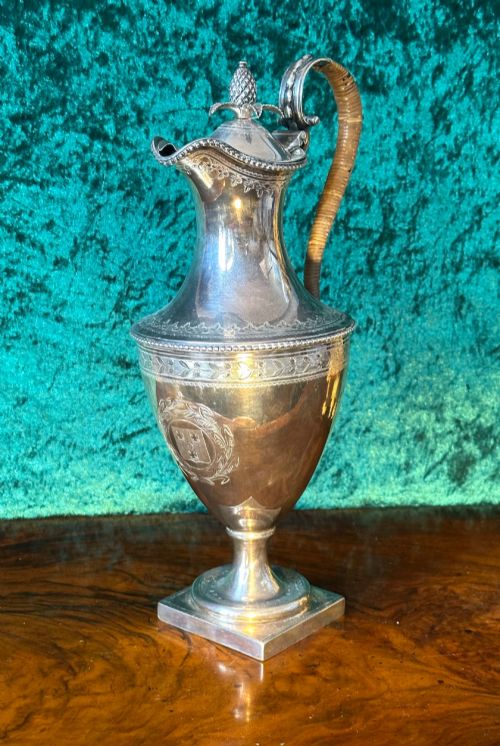
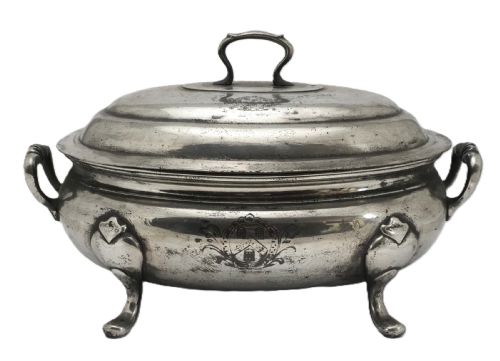
The objects span robust pewter plates, chargers and tureens alongside silver plated coffee pots, tea urns and spice shakers. Pieces originating from this era reflect the domestic habits and dining customs of Georgian households.
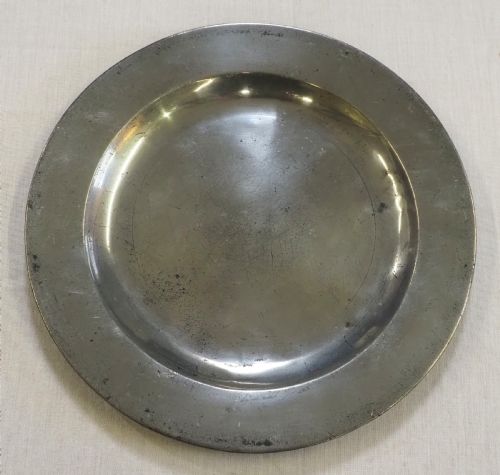
Pewter plates with plain rims and deep dishes appear frequently, often bearing the marks of established makers. Alongside these domestic table items, larger chargers and specialised serving vessels complete the range.
How they were made
Pewter items are cast and hammered from metal alloys, creating sturdy plates, dishes and ladles designed for daily use. Makers shaped these pieces with plain rims or engraved details such as coats of arms.
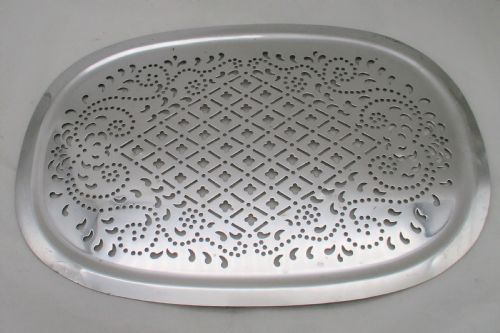
Old Sheffield plate and silver plate utilise thin layers of silver fused to base metals like copper, producing lustrous coffee pots and draining plates. Bronze was cast to form small, tactile items like spice pounce shakers.
Wood and wicker occasionally appear alongside the metal elements, particularly in composite serving pieces or container bodies that require contrasting textures.
Georgian Metal Tableware Retail Price Guide 2026
Typical asking prices for georgian metal tableware among the pieces listed under this phrase on Sellingantiques today, from the lower quarter to the upper quarter. They describe what is for sale here now, not the wider market.
Some pewter plates carry the engraved armorial bearings of the Worshipful Company of Pewterers, showing pride in trade.
What varies in quality
The distinction between standard and superior pieces rests upon the crispness of the casting and the clarity of maker marks. Well-struck touches on pewter plates and finely executed engraving indicate careful workshop production.
Proportion and scale also define the better examples, particularly in larger chargers and tea urns where balanced form is essential. Preservation of the original surface texture and minimal wear to plated surfaces elevate the standing of a piece.
William Wright·T & H Compton·Richard King·Thomas Alderson·Dixon & Son·Yates Birch And Spooner
The Georgian Metal Tableware Glossary
- Charger
- A large decorative or serving plate typically used to hold smaller dinner plates. These wide vessels form the impressive centrepiece of a table setting.
- Pewter
- A malleable metal alloy composed primarily of tin combined with copper and lead. This durable material served domestic dining needs for centuries.
- Old Sheffield Plate
- An early fusing technique where a thin sheet of silver is melted onto a thicker copper base. It creates high quality vessels without solid silver costs.
- Mazarine
- A pierced insert placed inside a dish or platter to drain juices away from food. These draining plates assist with formal meat presentation.
- Tureen
- A deep covered bowl used for serving soups, stews or sauces at the table. These substantial vessels often display armorial engraving.
Georgian Metal Tableware: Frequently Asked Questions
What is georgian metal tableware used for?
These pieces served practical dining functions, from eating off pewter plates to pouring tea and coffee from plated urns and pots. Spice shakers added seasoning at the table while tureens held communal food.
Today, collectors use these items for historical display or gentle domestic service, appreciating the connection to eighteenth and nineteenth-century dining traditions.
How do I identify pewter from silver plate?
Pewter possesses a soft, grey, matte finish that develops a gentle patina over time without a bright reflective sheen. It feels substantial and lacks the base metal glint seen where silver plate wears.
Silver plate and Old Sheffield plate exhibit a brighter metallic lustre, sometimes revealing the underlying copper base where the outer layer has thinned through polishing.
Can I use antique pewter for daily dining?
Historic pewter often contains lead and historical surface residues, making modern food consumption inadvisable. Most buyers choose to display these plates and dishes as decorative pieces rather than active tableware.
Gentle cleaning with appropriate soft cloths preserves the metal without stripping the aged patina that collectors value.
How can I date unmarked metal tableware?
Form, rim style, and weight offer initial clues to a piece's age, with plain narrow rims and deep basin shapes pointing to eighteenth-century manufacturing traditions. Comparing the object to known dated examples helps narrow the production window.
Maker stamps and touchmarks provide the most reliable dating evidence when matched against historical records of working pewterers and silversmiths.