



Georgian Metal Fire Surround
A georgian metal fire surround brings functional warmth and architectural presence to a hearth, anchoring a period room with solid historic craft.
Georgian Metal Fire Surround
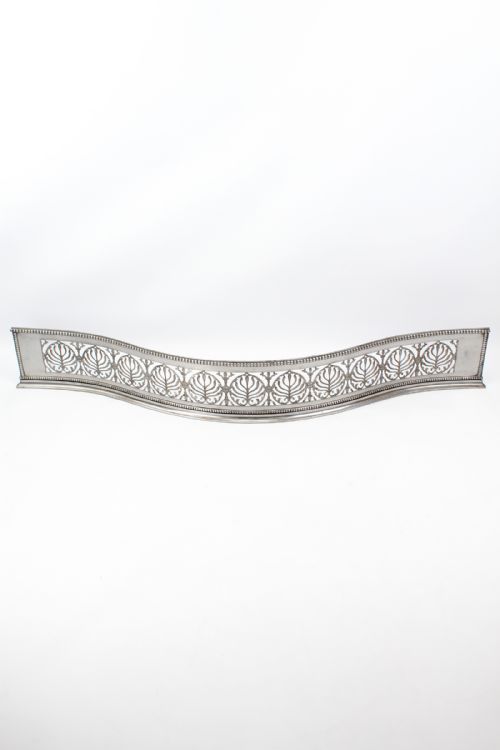
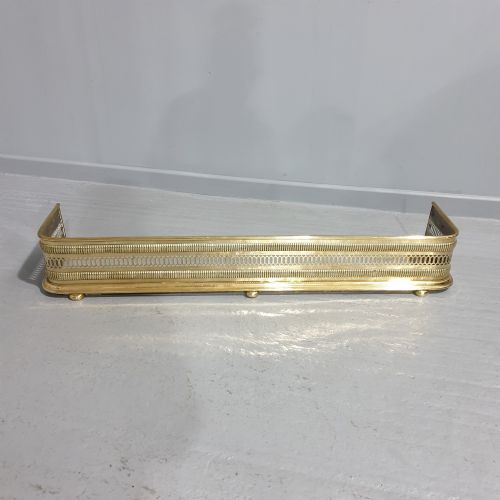
A georgian metal fire surround encompasses protective hearth furnishings and fenders spanning the Georgian, Regency, and Victorian eras, alongside mid nineteenth-century examples. These pieces range from substantial serpentine steel curbs to brass and iron hearth accessories designed to contain embers.
The versions most commonly met on this page include serpentine steel fire fenders and brass-mounted hearth borders. Examples date from seventeen-fifty through the nineteenth century, reflecting both clean Georgian lines and more decorative Regency idioms.
Materials and construction
Forging, casting, and hand engraving transform raw metal into detailed serpentine curbs and nursery guards. The interplay between dark iron and bright brass defines the core technique seen across these listings.
Listings span the Georgian, Regency, and Victorian periods, utilising steel, brass, cast iron, and wrought iron in fender configurations.
Distinguishing quality in metal hearth furniture
Quality rests in the crispness of the engraved steel work and the precision of the serpentine curves. Heavier gauge metals and finely cast brass appliqués separate superior examples from standard utility pieces.
Integration of complementary metals, such as polished steel paired with clean brass mounts, marks out accomplished workshop output. The handling of joints and the retention of original surface texture dictate the standing of an individual fender.
The Georgian Metal Fire Surround Glossary
- Serpentine fender
- A hearth guard shaped with an undulating, wave-like front curve. This profile requires precise metal shaping to follow the hearth contours.
- Curb fender
- A low metal barrier placed directly on the floor around a fireplace opening. It prevents rolling logs and embers from reaching the carpet.
- Nursery fender
- An elevated metal mesh or bar guard designed to keep children and stray sparks at a safe distance from the flames. These often utilise wrought iron for sturdy vertical protection.
- Polished steel
- Iron alloy treated to a bright, reflective surface finish. It requires careful maintenance to prevent oxidation.
Georgian Metal Fire Surround: Frequently Asked Questions
How do I date a metal fire fender?
Dating relies on observing stylistic markers, such as the sweeping serpentine curves typical of the eighteenth century or the crisper brass mountings associated with the Regency period.
Materials also offer clues, as early pieces frequently combine hand-forged wrought iron with polished steel before mid nineteenth-century cast production methods became widespread.
What is the difference between a fender and a curb?
The terms are often used interchangeably to describe the low metal barrier that sits around the perimeter of a hearth.
Strictly speaking, a curb refers to the structural boundary frame, while a fender encompasses the wider category of protective hearth accessories.
Are brass and steel fenders original to the fireplace?
Most hearth furniture was produced separately from the structural mantelpiece and grate, meaning pieces were paired together based on size and metal tone rather than original factory sets.
Matching the polished steel and brass accents to other room hardware helps create a cohesive period appearance.
How should I clean a polished steel fender?
Polished steel requires dry dusting and occasional treatment with appropriate metal conservation oils to protect the surface from atmospheric moisture.
Avoid abrasive cleaners that can strip away historic finish and alter the characteristic reflectivity of the metal.