




Georgian Mahogany Waiter
A georgian mahogany waiter provides a practical multi-tiered surface for dining rooms, combining formal tiered utility with rich timber grain.
Georgian Mahogany Waiter
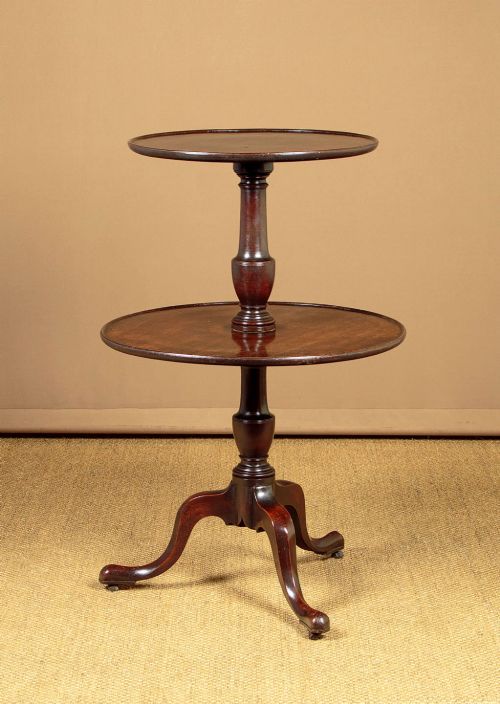
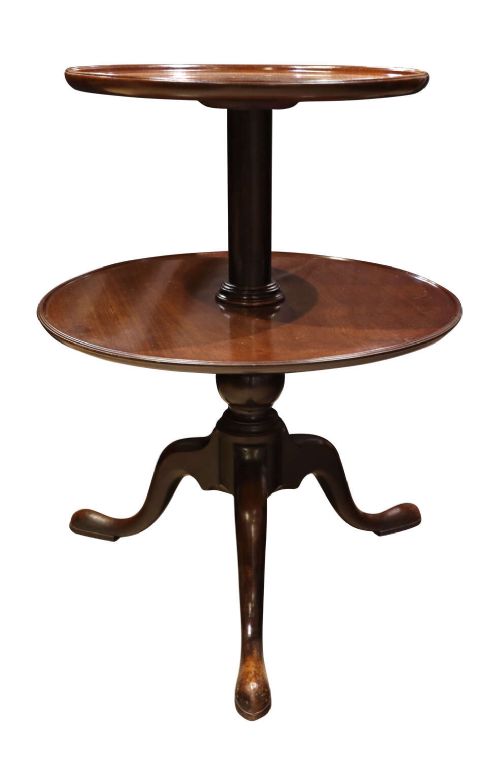
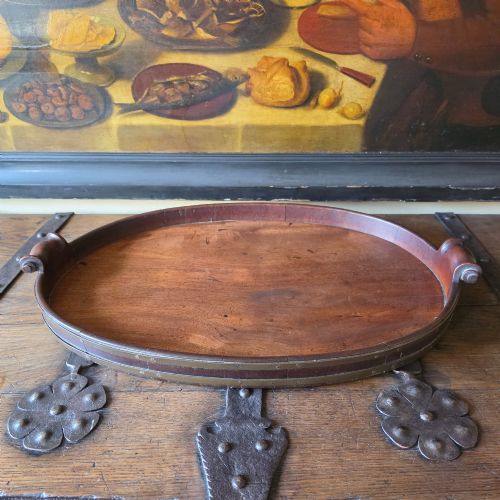
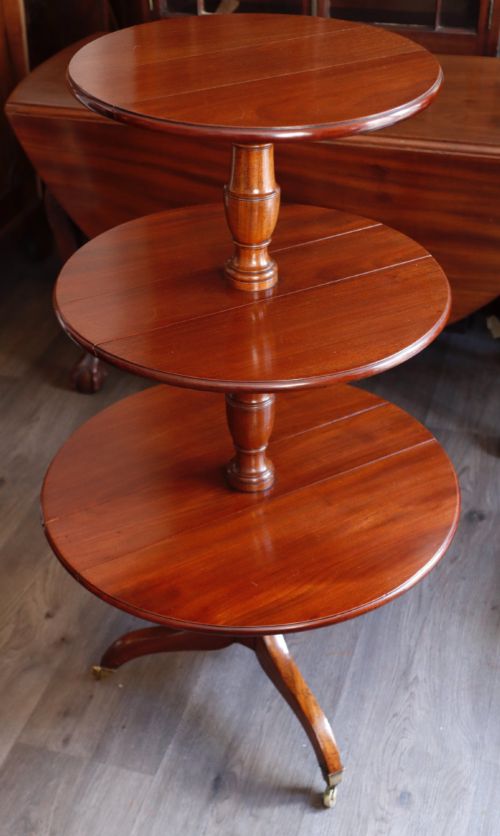
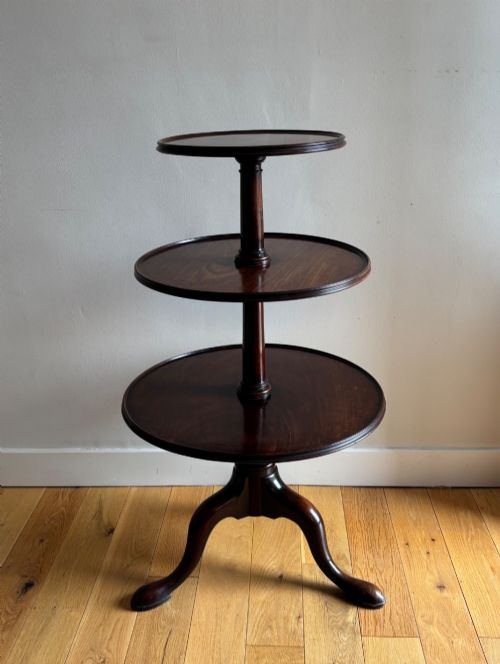
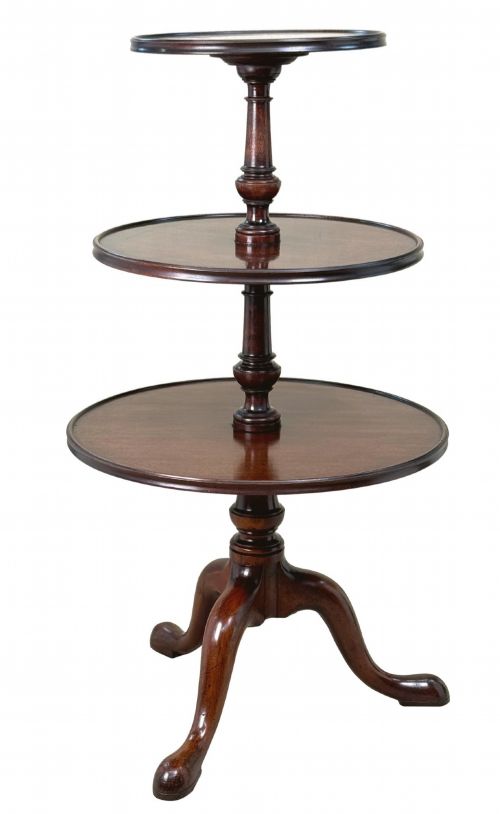
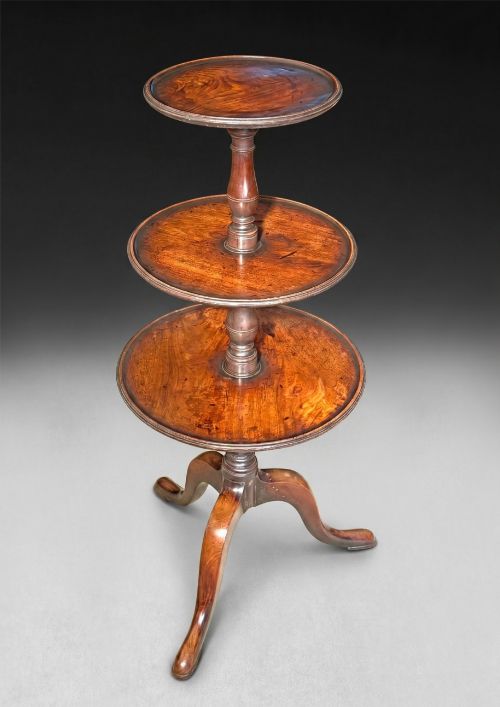
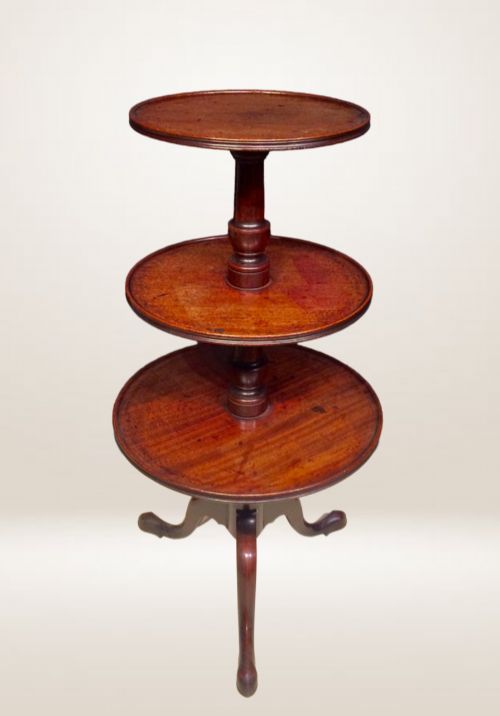
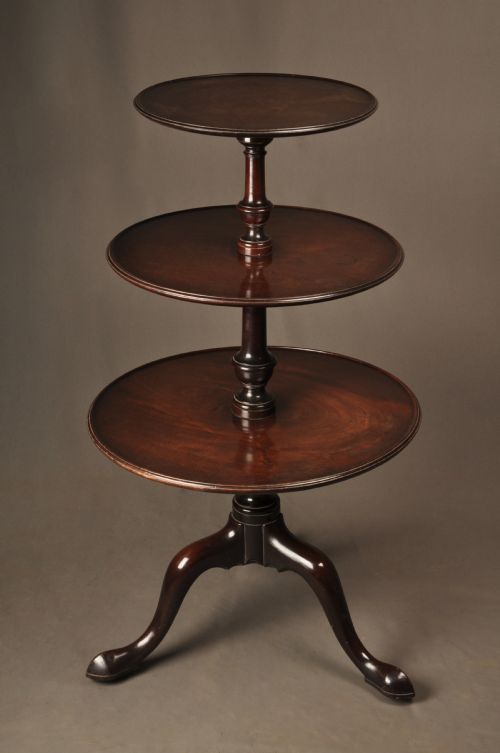
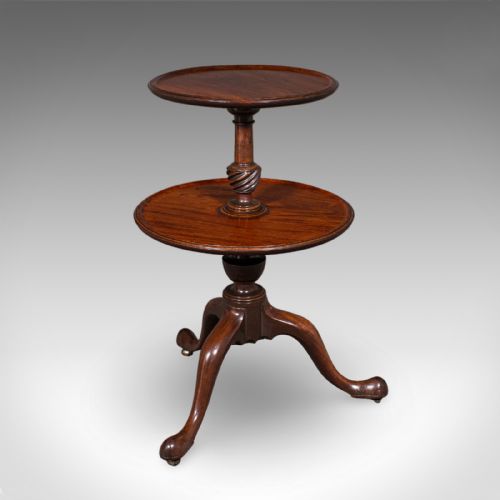
When searching for a georgian mahogany waiter, you encounter tiered serving tables and portable trays designed for dining spaces. The most common form on this page is the circular multi-tier dumb waiter standing on a tripod base.
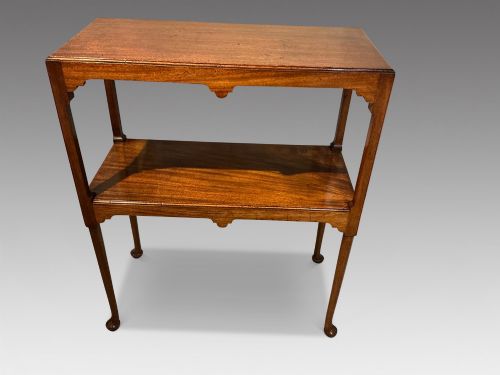
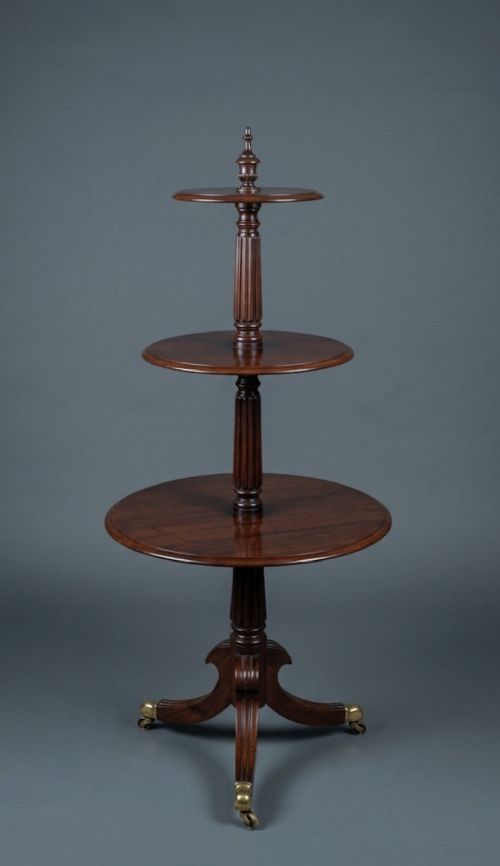
Pieces span from the eighteenth century through the regency period, featuring two or three graduating tiers. Some examples incorporate revolving mechanisms or drop leaves for flexible use during meals.
How they were made
Cabinet makers utilised solid mahogany and Cuban mahogany to construct these stands, often selecting dense timber capable of supporting heavy serving vessels. Fiddleback mahogany and secondary woods like satinwood or boxwood appear for contrasting inlaid decoration.
The construction relies on sturdy tripod or pedestal bases supporting graduated circular or occasional octagonal trays. Revolving mechanisms on specific tiers allowed diners to access food and wine without servants present.
Some tiers spin smoothly, letting guests play a quiet game of circular pass-the-parcel with the claret.
What varies in quality
The distinction between standard examples and superior pieces rests on the choice of timber and the crispness of the turning on the central column. Rich figuring in the mahogany grain and subtle details such as pie crust edges elevate certain models.
Original stability and the smooth operation of revolving tiers or folding drop leaves indicate careful initial joinery. Later revival pieces differ from eighteenth and nineteenth century originals through the depth of patination accumulated on the timber surface.
Gillows
The Georgian Mahogany Waiter Glossary
- Dumb waiter
- A tiered freestanding piece of dining room furniture designed to hold dishes, glasses, and wine bottles. These stands allowed diners to serve themselves during meals.
- Tripod base
- A three-legged support structure commonly found beneath the central pillar of circular serving tables and small stands. This design prevents rocking on uneven dining room floors.
- Revolving
- A mechanism allowing individual tiers to turn around the central support column. This feature facilitated passing items across a table.
- Pie crust
- A raised, carved decorative rim shaped along the edge of a circular tray or table top. The moulded profile resembles the crust of a pastry pie.
- Fiddleback
- A figured variety of mahogany displaying a rippled grain pattern resembling the back of a violin. Cabinet makers prized this wood for its decorative optical depth.
Georgian Mahogany Waiter: Frequently Asked Questions
What was a dumb waiter used for?
These pieces held extra plates, glasses, and wine bottles during formal meals where hosts preferred privacy without servants in the room.
Dinners utilised the revolving tiers to pass food and drinks around the company easily.
How many tiers do they usually have?
Most examples feature either two or three graduating circular trays stacked above one another on a central pillar.
Three-tier versions provide maximum surface area while maintaining a compact footprint on the floor.
Where should I place one at home?
Dining rooms and living spaces suit these stands well, functioning as side tables or display surfaces for plants and ceramics.
Their narrow tripod bases allow them to fit into corners without obstructing walkways.
Are all pieces from the Georgian period?
While many date from the eighteenth century and the regency era, later nineteenth century and twentieth century revival examples also appear.
Examining the timber patination, construction joints, and brass fixings helps determine the exact age.