


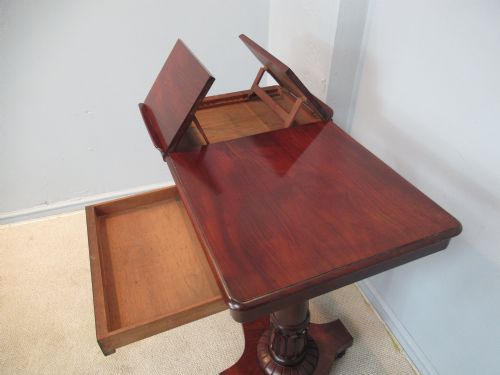

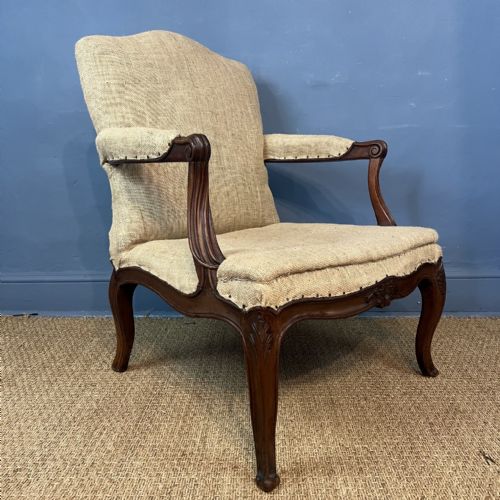
Georgian Mahogany Reading Desk
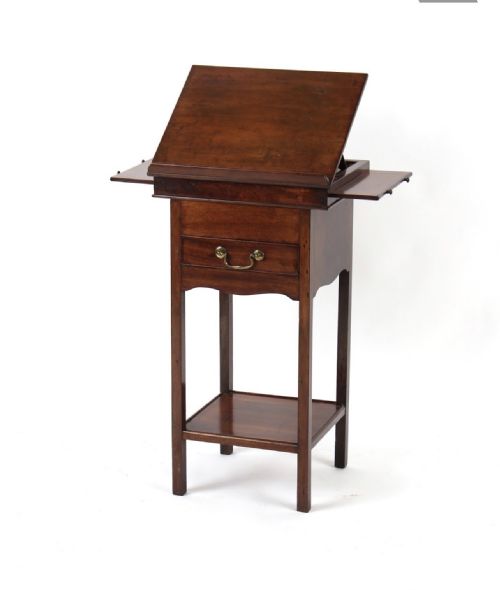
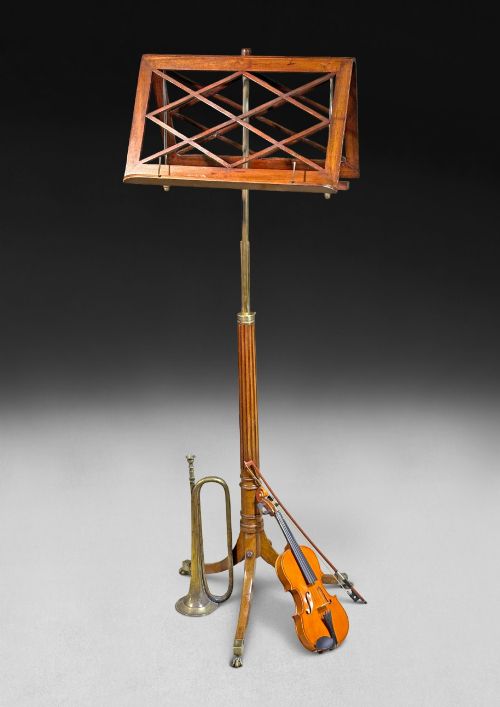
A georgian mahogany reading desk offers solid timber construction and mechanical adjustments designed for practical study and writing.
Georgian Mahogany Reading Desk
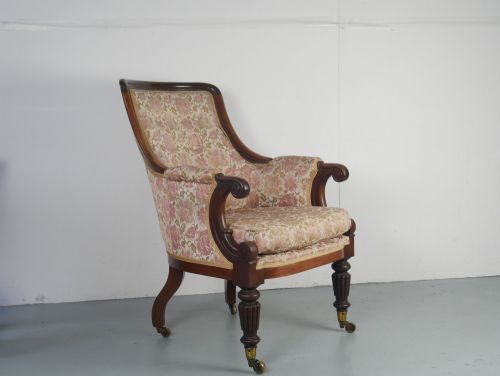
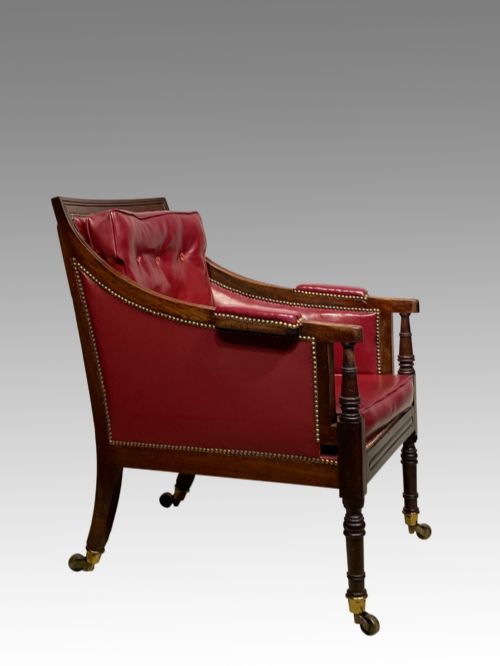
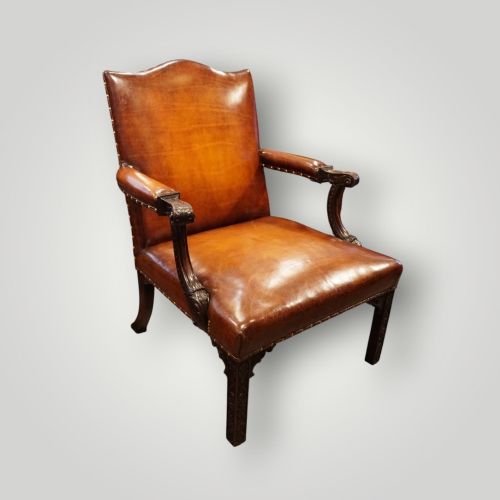
Buyers searching for a georgian mahogany reading desk encounter heavy timber pieces designed for study, writing, and holding books at adjustable angles. The selection spans the eighteenth and nineteenth centuries, including items from the Georgian, Regency, and William IV periods alongside later revival pieces.
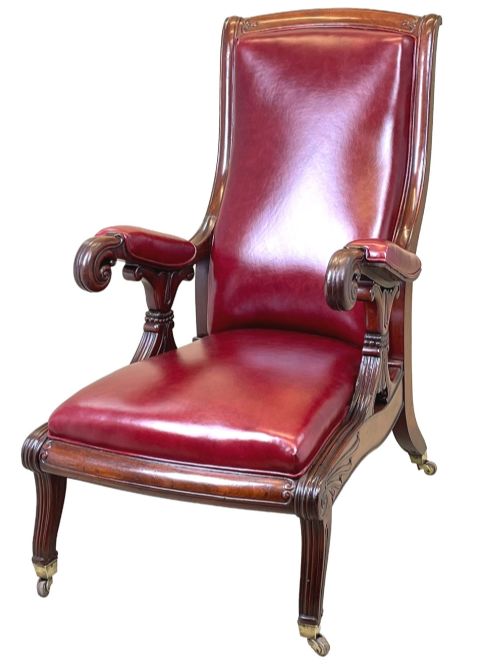
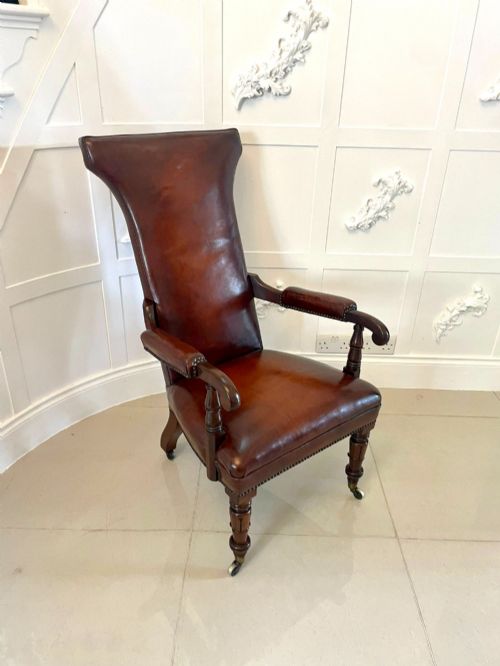
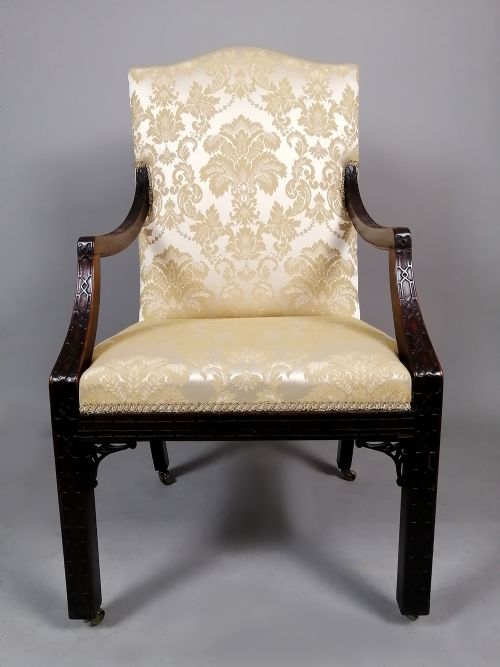
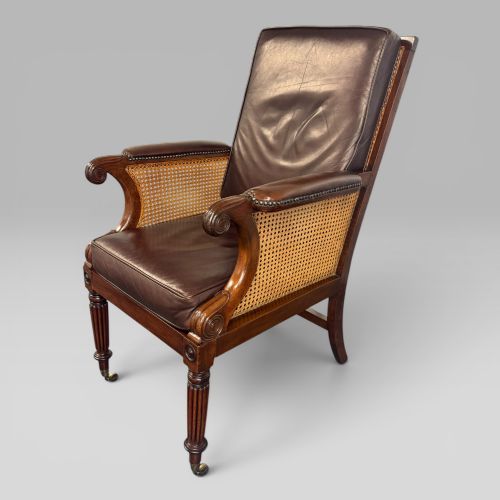
The forms vary from adjustable reading tables and lecterns to writing desks and library chairs with writing surfaces. Most examples combine dense mahogany with functional mechanisms for altering height and inclination.
Originating primarily from English workshops, these items reflect the practical domestic and professional needs of libraries, studies, and drawing rooms. The surviving pieces demonstrate substantial timber framing and mechanical ingenuity.
Materials and Construction
Makers utilised dense mahogany for the primary frames, desks, and tabletops, often pairing the timber with brass for adjustable ratchets, hinges, and castor mountings. Secondary woods provide internal structural support for drawers and sliding mechanisms.
Georgian Mahogany Reading Desk Retail Price Guide 2026
Typical asking prices for georgian mahogany reading desk among the pieces listed under this phrase on Sellingantiques today, from the lower quarter to the upper quarter. They describe what is for sale here now, not the wider market.
Listings demonstrate a strong representation of Regency and Georgian periods, alongside nineteenth-century adaptations in mahogany, brass, and leather.
Assessing Standard and Execution
The sophistication of the mechanical ratchets, brass adjustments, and metamorphic hinges separates utilitarian items from finer examples produced for professional libraries and studies. Smooth operation of rising desks and tilting surfaces indicates superior initial manufacture.
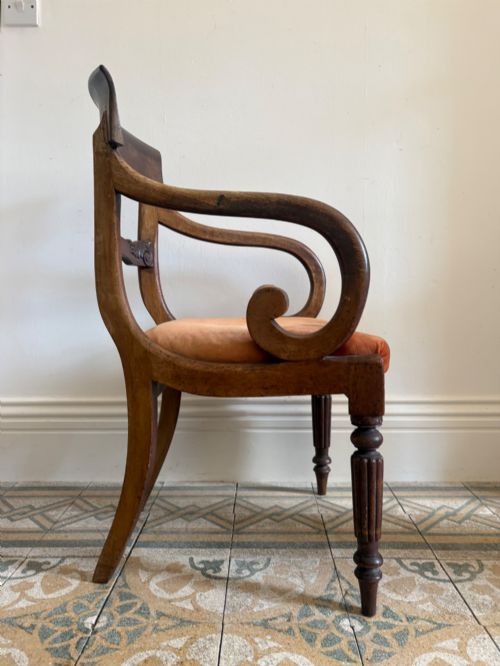
Carved detail, such as blind fretwork or shaped arm supports, reflects the ambition of the original workshop. The depth of the timber figuring and the precision of the joinery determine the overall integrity of the surviving piece.
Gillows
The Georgian Mahogany Reading Desk Glossary
- Mahogany
- A durable tropical hardwood imported for high-end furniture production throughout the eighteenth and nineteenth centuries. Its dense grain resists warping and takes a deep polish.
- Ratchet
- A mechanical adjustment device utilising a notched bar and catch. It holds adjustable desk tops and reading lecterns at various angles.
- Bergère
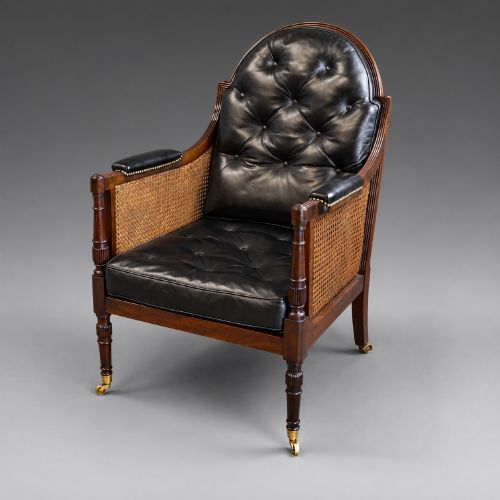
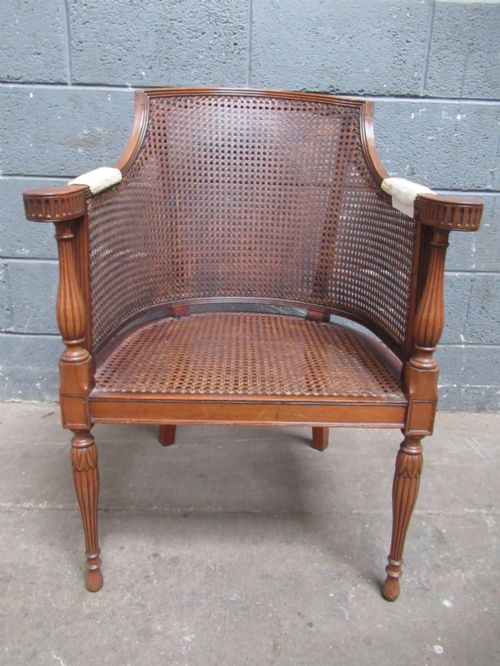
- An enclosed upholstered armchair featuring cane panels on the sides and back. It provides lighter seating while maintaining structural strength.
- Metamorphic
- Furniture designed to transform from one form or height into another, such as an architect's desk converting into a standing lectern.
- Escritoire
- A writing cabinet or desk fitted with internal compartments, drawers, and a drop-front writing surface.
Georgian Mahogany Reading Desk: Frequently Asked Questions
How do I adjust a reading desk?
Most adjustable tables utilise a brass ratchet mechanism mounted beneath the surface to raise or angle the board. Users lift the wooden ledge to engage the desired notch on the iron or brass support bar.
Care must be taken when lowering the mechanism to guide the catch safely back into its flat position without straining the wooden pivots.
Where were these desks used?
These pieces served primarily in libraries, studies, and drawing rooms for reading heavy folios, writing letters, and drafting architectural plans. Tall riser desks and lecterns allowed professionals to work while standing.
Lower tables and writing boxes were positioned near firesides or windows to catch natural light during daytime study.
How do I care for mahogany timber?
Mahogany surfaces require regular dusting with a dry, soft cloth to prevent particulate accumulation in the carved details and grain. Avoid placing the timber in direct sunlight or near heat sources to prevent the wood from drying out.
Application of traditional beeswax helps nourish the grain and maintain the natural lustre of the polished surface.
What is the difference between George III and Regency styles?
George III furniture often displays classical carved ornamentation such as blind fretwork, scroll arms, and robust proportions rooted in eighteenth-century design traditions. Regency pieces lean toward archaeological revival forms, featuring cleaner architectural lines, brass inlay, and sabre legs.
Both periods utilise mahogany extensively, but Regency designs frequently incorporate more pronounced brass mounts and lighter scaled frames.