


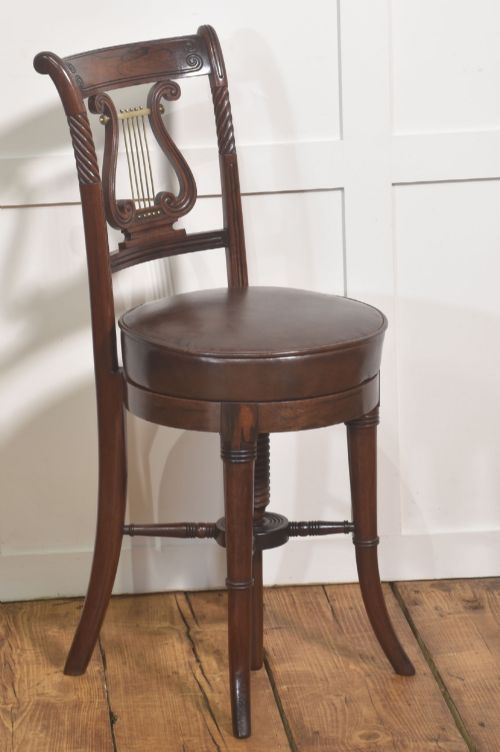

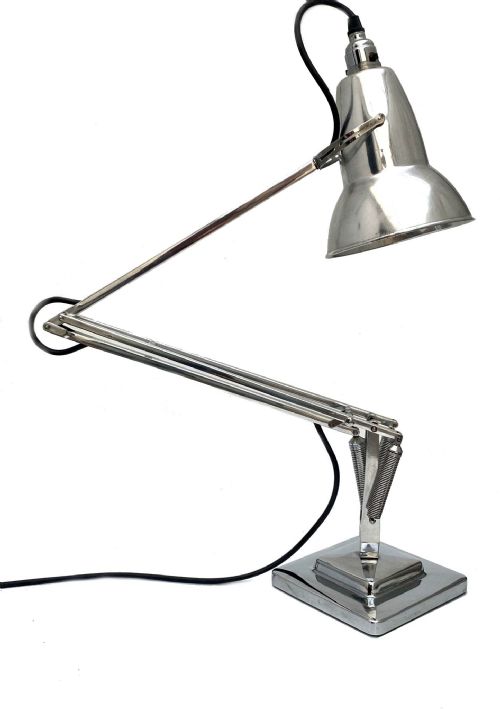
Vintage Adjustable Desk
A vintage adjustable desk offers a clever mechanical solution for focused work, combining functional movement with period materials.
Vintage Adjustable Desk
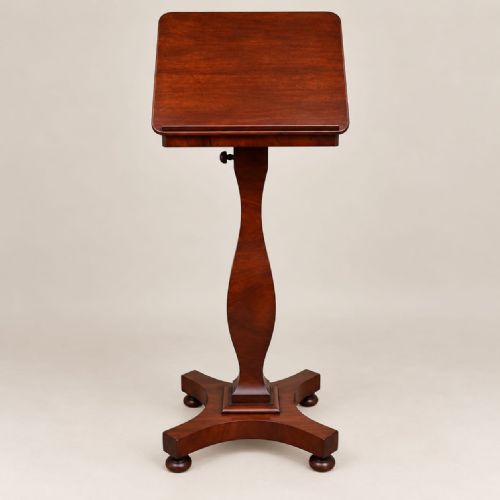
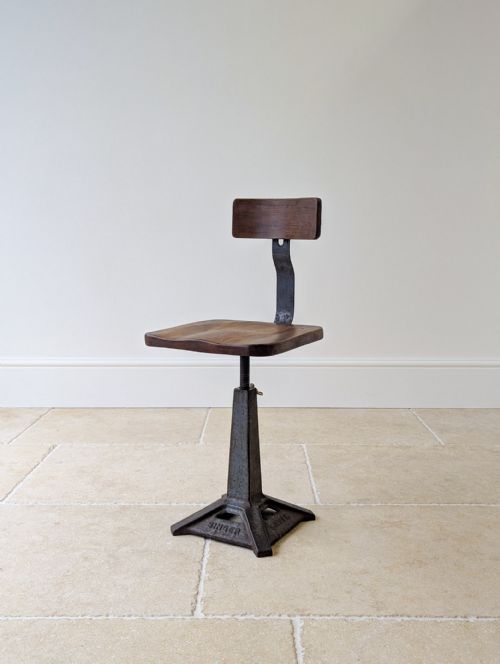
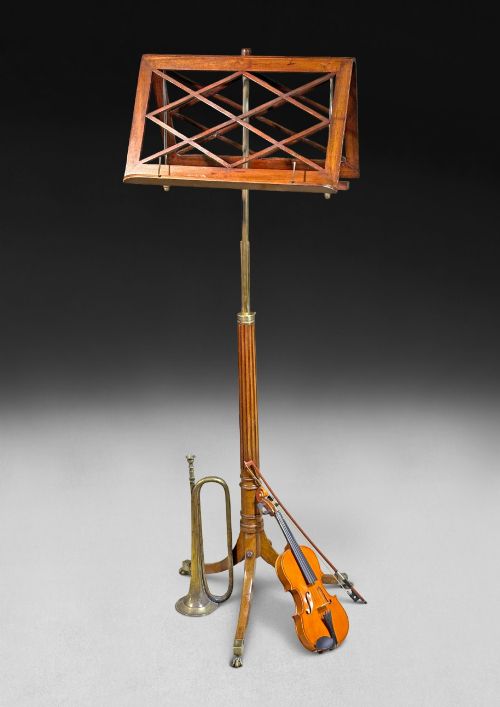
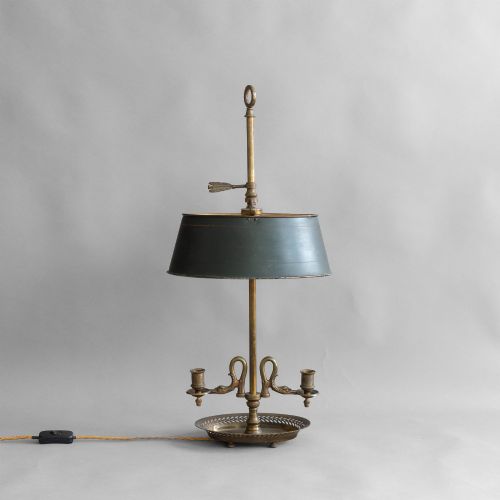
When you search for a vintage adjustable desk, you encounter pieces designed to alter height, angle or reach for reading, writing and drawing. The selection spans robust industrial workshops, refined Edwardian studies and formal Regency libraries.
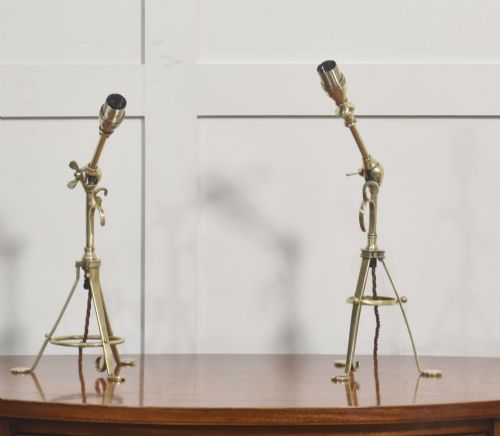
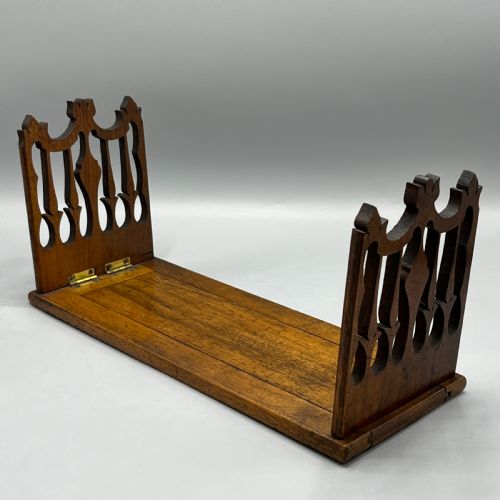
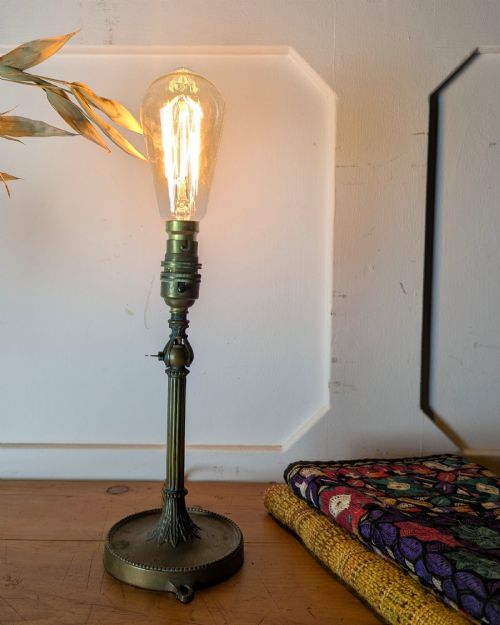
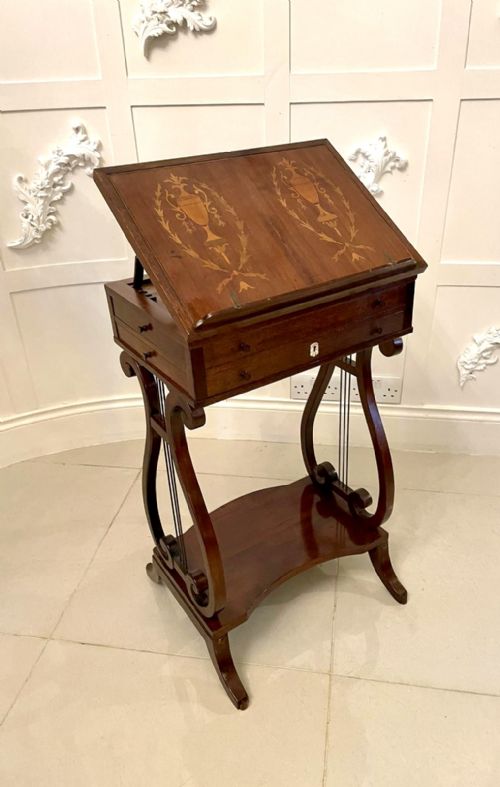
The objects take many forms, including rising architect tables, reading stands, metamorphic desks and pivoting student lamps. Brass, mahogany, oak and cast iron predominate across these functional formats.
How they were made
Metals such as brass and cast iron provide the structural joints, swivels and counterweights that allow smooth movement. Woods including mahogany, oak, walnut and pine form the primary writing surfaces, lecterns and seats.
Makers combine timber joinery with metal ratchets, hinges and screws to create reliable mechanical adjustments. Leather inserts, glass shades and toleware components add refined detail to working surfaces and lamps.
Vintage Adjustable Desk Retail Price Guide 2026
Typical asking prices for vintage adjustable desk among the pieces listed under this phrase on Sellingantiques today, from the lower quarter to the upper quarter. They describe what is for sale here now, not the wider market.
Several pieces include mechanical bullseye magnifying lenses originally designed for inspecting fine detail on ships, trains or at drafting tables.
What varies in quality
Quality rests in the precision and integration of the mechanical adjustments. Pieces with fluid, well-engineered movement outclass those with stiff or loose joints.
Material selection and decorative enrichment also set pieces apart. Inlaid mahogany and heavy cast iron demonstrate superior execution compared to simpler utilitarian builds.
W.A.S. Benson·Herbert Terry·Carters Of London·Evertaut·Singer
The Vintage Adjustable Desk Glossary
- Metamorphic
- Furniture designed to transform its shape or function through mechanical hinges, ratchets or risers. This term describes pieces that shift from a flat table to an inclined reading slope.
- Lectern
- A slanted stand or desk designed to support a book or manuscript at a comfortable reading angle. These often feature adjustable heights or pivoting mechanisms.
- Toleware
- Painted or lacquered metalware, commonly tin, utilised for lamp shades and desk accessories. The finish often includes decorative gilding or coloured enamels.
- Bentwood
- Wood steamed and bent into curved structural forms. This technique creates resilient frames for chairs and revolving desk seats.
- Anglepoise
- A spring-balanced articulated arm design that holds a lamp in position. This mechanism allows precise direction of light over a workspace.
Vintage Adjustable Desk: Frequently Asked Questions
How do adjustable desks work?
These pieces use mechanical devices such as ratchets, screws, counterweights or pivoting arms to alter height and angle. Users can raise surfaces, tilt reading slopes or swivel components into position.
Such mechanisms allow the furniture to adapt to different tasks throughout the working day, shifting from flat writing surfaces to angled lecterns.
What materials were used?
Constructors utilised robust hardwoods like mahogany, oak and walnut alongside industrial metals including brass, iron and cast iron. Leather, glass and toleware appear frequently on writing surfaces and lamp shades.
These materials ensure durability while reflecting the aesthetic preferences of periods ranging from the nineteenth century through the Art Deco era.
Where were these pieces used?
Working spaces, libraries, architectural offices and studies housed these items. They suited professionals who required directed light or adjustable surfaces for drafting, reading and writing.
Industrial settings also employed heavy iron and timber furniture designed for prolonged daily tasks and workshop environments.
How to date an adjustable desk?
Dating relies upon material combinations, styling details and manufacturing marks. For example, heavy cast iron and oak point towards industrial or Arts and Crafts origins.
Cabinet woods, brass casting techniques and patented mechanical adjustments further help place a piece within periods like the Edwardian era or the 1930s.