
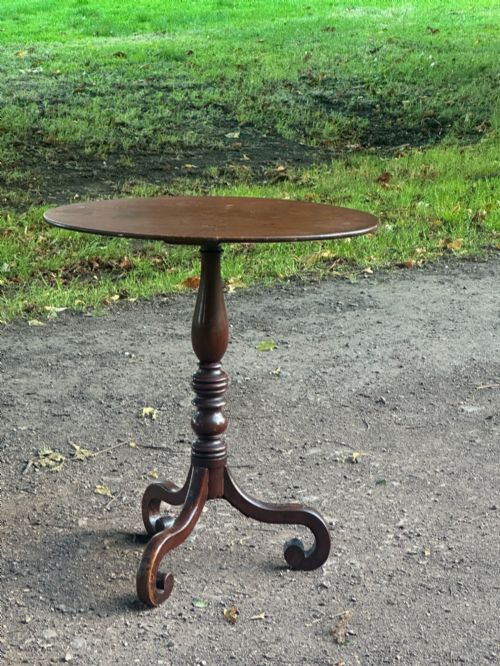
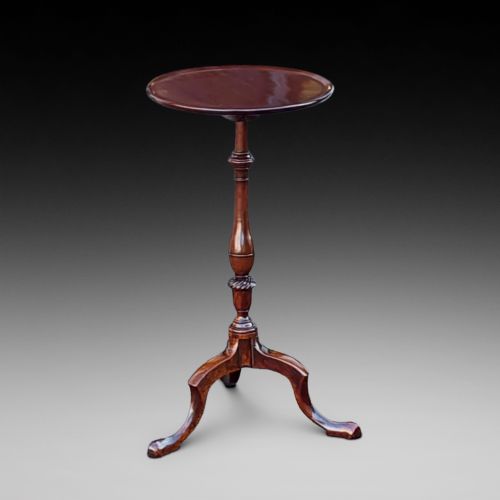
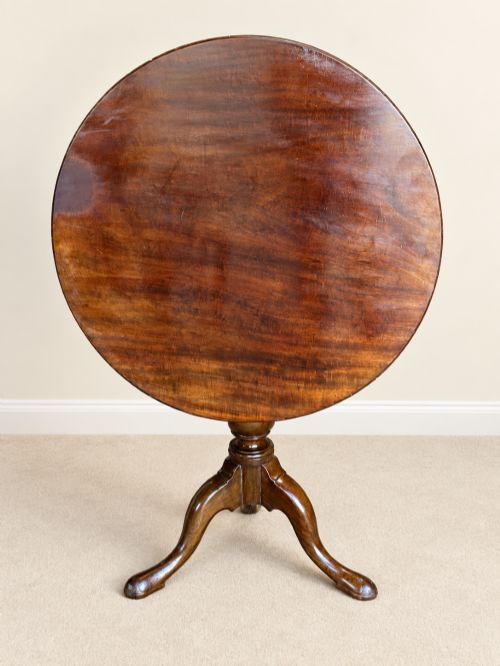
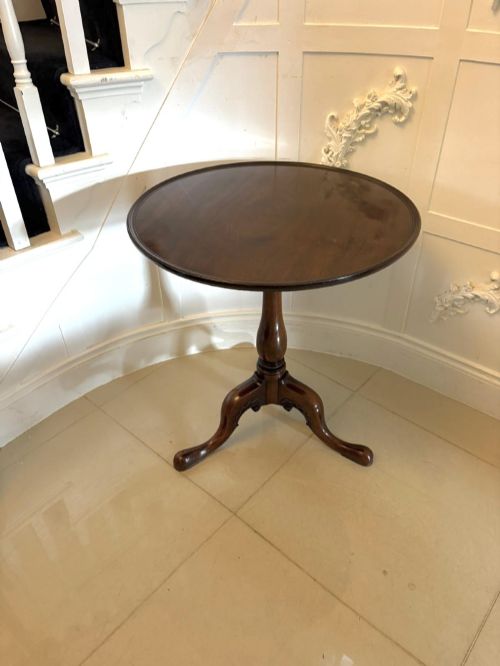
Georgian Mahogany Pedestal Stand
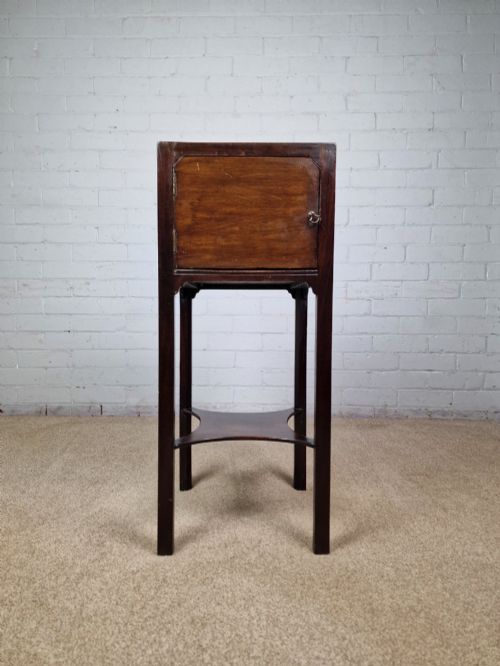
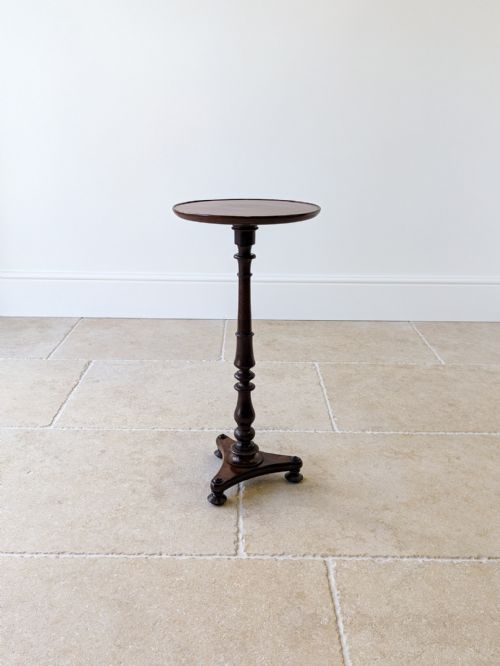
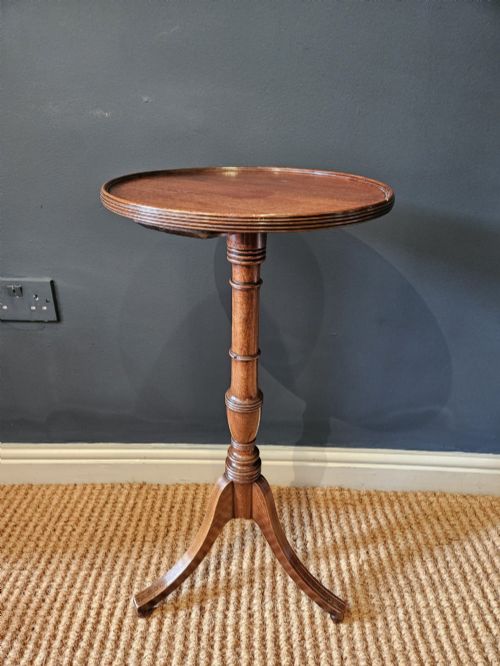
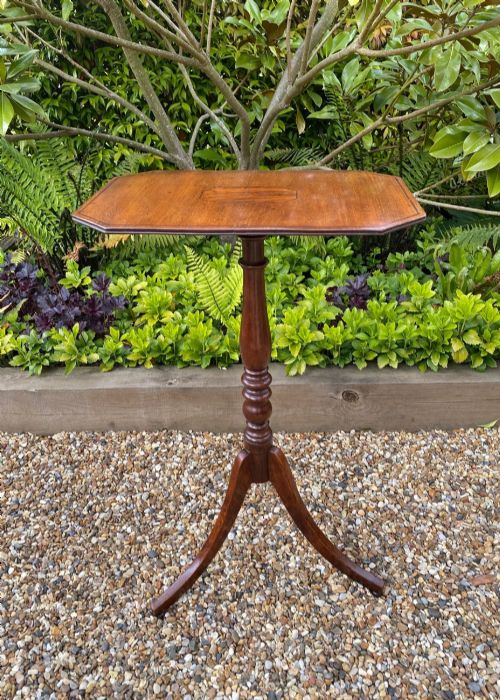
A georgian mahogany pedestal stand brings compact poise to a corner, functioning as a wine table, torchere or occasional piece.
Georgian Mahogany Pedestal Stand
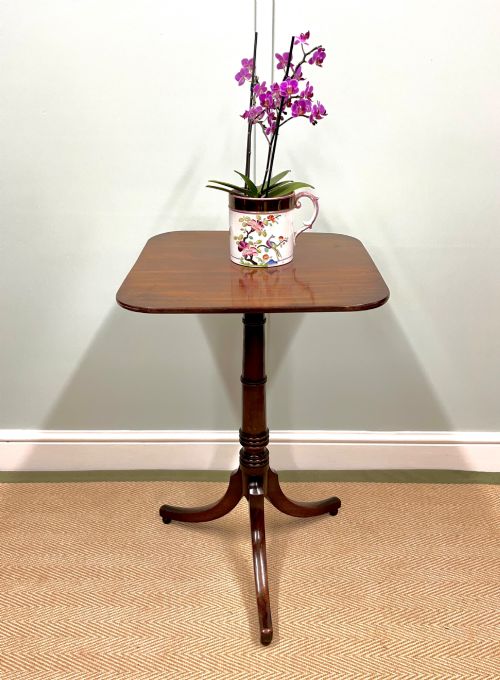
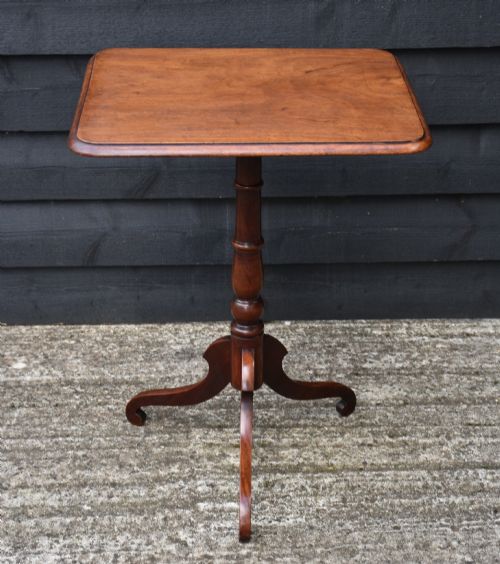
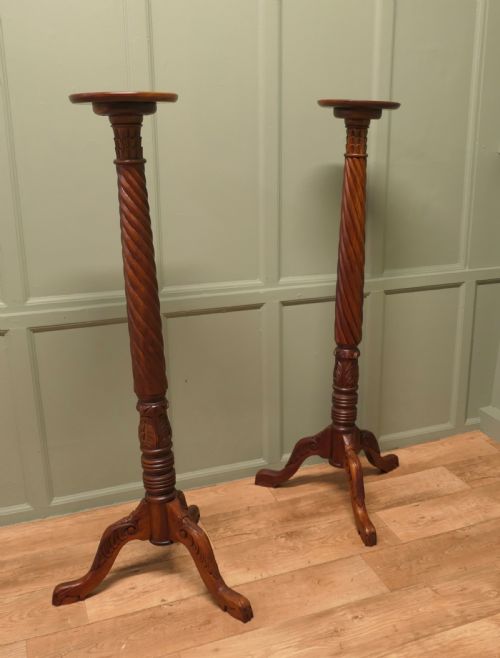
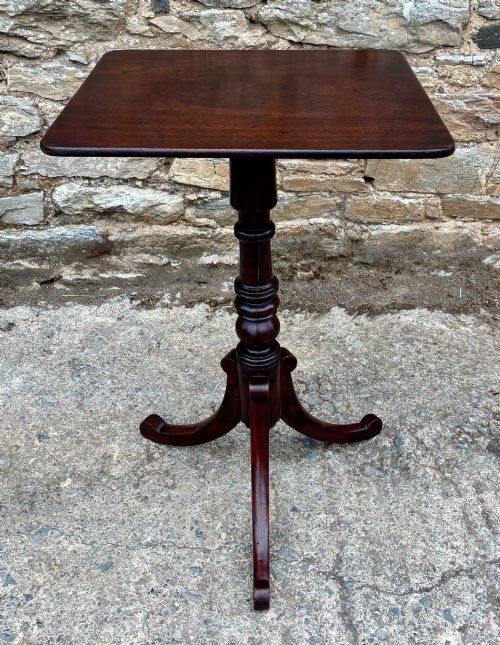
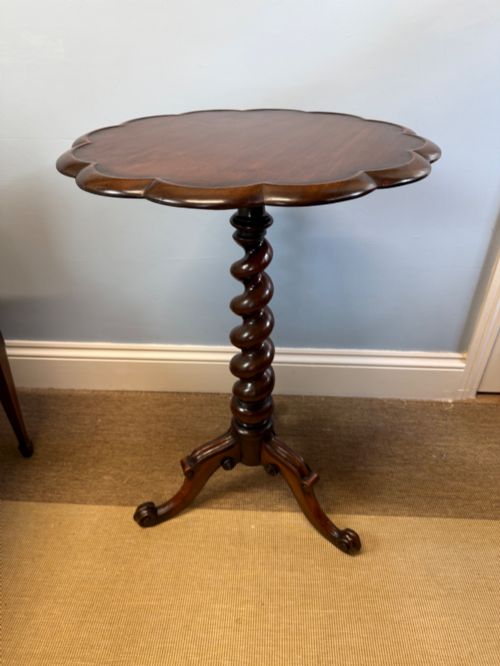
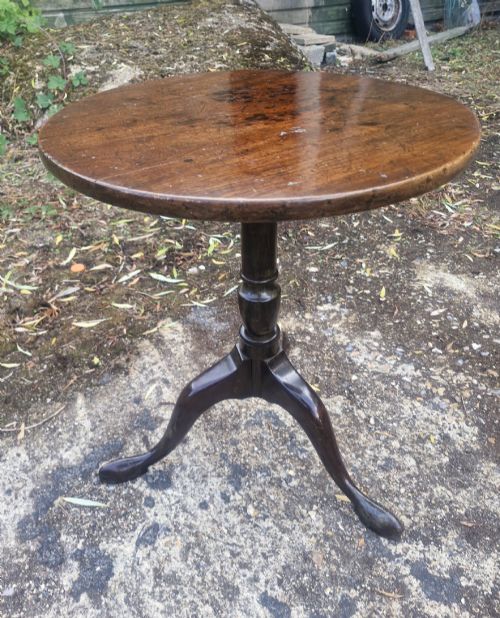
A georgian mahogany pedestal stand typically takes the form of a tripod wine table, occasional table, tilt top table or torchere plant stand.
The selections span authentic Georgian and Regency periods alongside later 19th Century, Edwardian and Georgian style interpretations.
Makers utilised these sturdy yet slender forms to hold lamps, small plants, or drinks beside seating arrangements.
How they were made
Craftsmen shaped dense mahogany, occasionally pairing it with cherry wood, walnut, or boxwood inlay for decorative contrast.
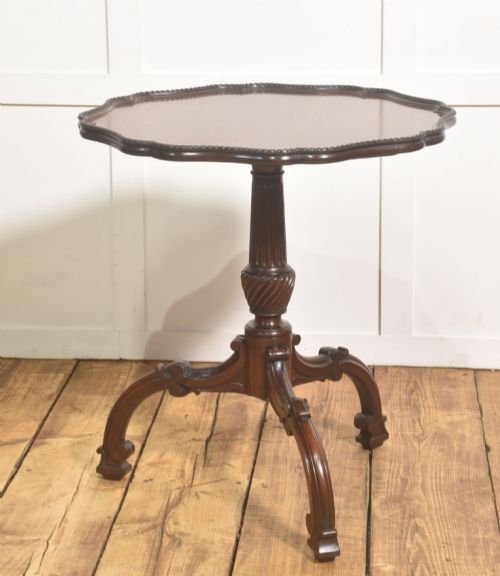
Many examples incorporate clever tilt top mechanisms on central pillar supports above three curving tripod legs.
Detailed touches such as shaped pie crust rims, brass fittings, and leather accents complete the construction.
Some tilt top tables folded away so briskly they practically hid behind the sofa when tea time ended.
What varies in quality
The crispness of timber carving on the tripod legs and the grain depth of the mahogany set superior examples apart.
The mechanical precision of the tilt top action and the stability of the central pedestal column indicate workshop proficiency.
The presence of subtle embellishments like boxwood inlay or fretted details elevates the overall finesse.
Gillow
The Georgian Mahogany Pedestal Stand Glossary
- Tripod table
- A small freestanding table supported by a central pillar resting on three legs. These versatile surfaces easily move around a room.
- Tilt top
- A hinged tabletop mechanism allowing the surface to fold vertically when not in use. This clever design saved valuable floor space in period homes.
- Torchere
- A tall decorative stand designed to hold a light or candelabrum. Later variations commonly serve as plant stands in domestic settings.
- Teapoy
- A small box or cabinet on a pillar base historically used for storing loose tea leaves. Sarcophagus shapes appear frequently among these pieces.
- Pie crust rim
- A carved, undulating edge raised around the perimeter of a tabletop. This ornate border prevents items from sliding off the surface.
Georgian Mahogany Pedestal Stand: Frequently Asked Questions
What is a tilt top table used for?
A tilt top table serves as a flexible surface for holding drinks, lamps, or books during daily use.
The hinged mechanism allows the top to fold flat against the central pedestal, enabling compact storage against a wall when floor space is needed.
Where should I place a pedestal stand?
These compact stands fit neatly into tight corners, beside armchairs, or in narrow hallways where larger furniture will not go.
They provide a practical landing spot for a reading lamp or a small decorative plant without dominating the room.
How do I distinguish Georgian from Edwardian stands?
Authentic Georgian pieces generally display heavier timbers and straightforward joinery developed for functional utility in 18th century homes.
Edwardian interpretations tend to incorporate lighter proportions, decorative boxwood inlay, and shaped edges influenced by revival aesthetics.
Can these stands support heavy items?
The three-legged tripod base distributes weight evenly, but the slender central pillar suits moderate loads like lamps or small decorative objects.
Placing excessively heavy pieces on the outer edge of a tilt top mechanism can compromise overall stability.