



Georgian Lidded Jar
A georgian lidded jar brings tactile warmth and domestic history into a room, fashioned from rich timber or crisp ceramic.
Georgian Lidded Jar
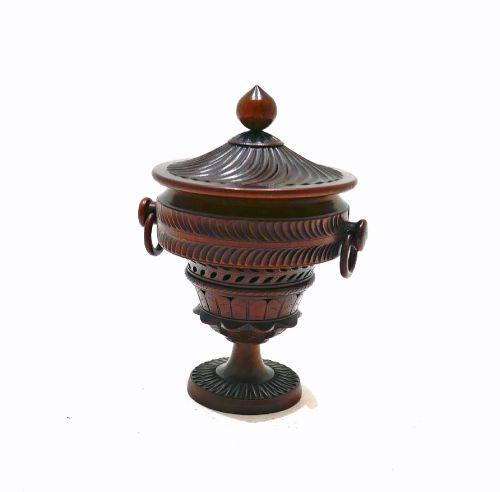
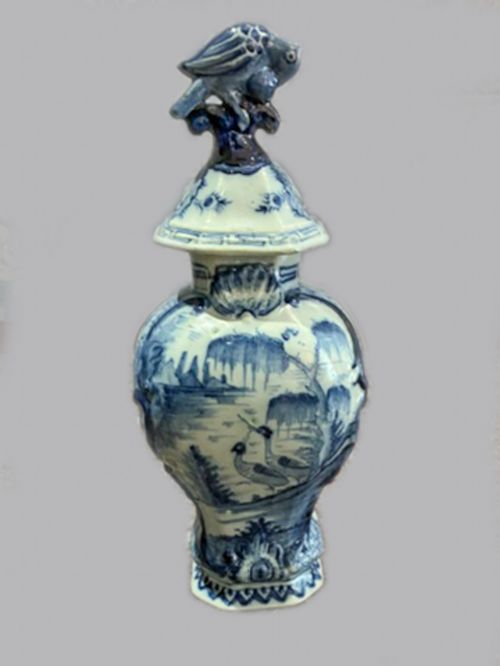
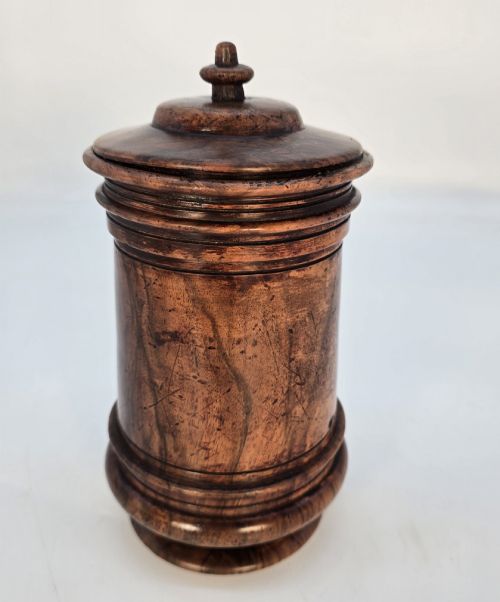
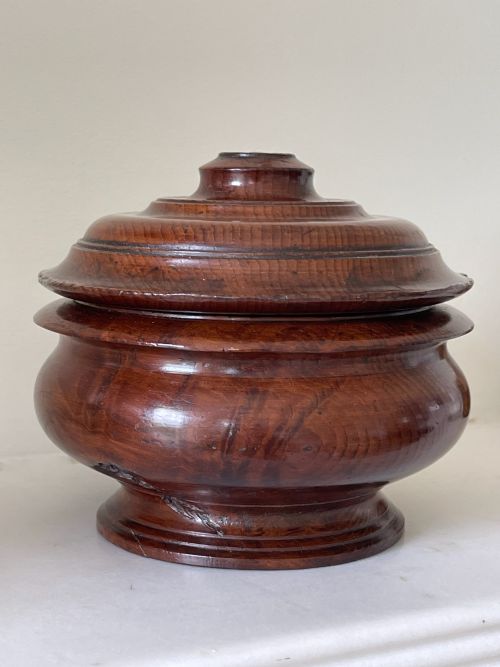
A georgian lidded jar encompasses a diverse array of lidded vessels designed for storage and display during the eighteenth and early nineteenth centuries. These items range from turned wooden tobacco jars and spice pots to tin-glazed earthenware delft jars and cut glass butter dishes.
Buyers most frequently encounter functional containers associated with dry goods, such as tea canisters and preserve pots, alongside decorative urns and vases. The forms reflect the domestic habits of the period, executed in regional British styles as well as continental workshops.
How they were made
The wooden examples demonstrate sophisticated turning techniques on the lathe, utilising dense timbers like fruitwood, walnut, and yew wood to create tight-fitting covers and smooth bodies. Makers selected these woods for their fine grain and stability in daily use.
Ceramic pieces rely on tin-glazed earthenware, ironstone, and porcelain bodies, often finished with hand-painted blue and white motifs or moulded details. Glass counterparts involve heavy lead crystal or cut glass, shaped by blowing and subsequent wheel-cutting to achieve faceted surfaces.
Georgian Lidded Jar Retail Price Guide 2026
Typical asking prices for georgian lidded jar among the pieces listed under this phrase on Sellingantiques today, from the lower quarter to the upper quarter. They describe what is for sale here now, not the wider market.
Several vessels doubled as pomanders to house pungent spices, discreetly combating eighteenth-century domestic odours with a twist of aromatic charm.
What varies in quality
The distinction between standard domestic items and superior examples lies in the crispness of the turning or cutting and the refinement of the raw materials. Finer wooden jars display balanced proportions and rich natural patina, while superior ceramics show precise brushwork and well-preserved glazes.
Originality of components heavily influences overall standard, particularly regarding the survival of matching covers and untouched surfaces. Pieces retaining their original gilding, lead crystal facets, or delicate treen finials demonstrate greater integrity.
Chamberlain Worcester·Mason·Asprey & Co
The Georgian Lidded Jar Glossary
- Treen
- Small handmade wooden objects of domestic use. This term derives from the Old English word for tree.
- Lead Crystal
- Glass containing lead oxide to increase brilliance and weight. This material allows for deeper and sharper decorative cutting.
- Pomander
- A spherical container holding aromatic substances such as spices or herbs. They were used to freshen the air or mask unpleasant odours.
- Old Sheffield Plate
- An early composite material made by fusing a thin layer of silver to a copper base. This technique preceded modern electroplating.
Georgian Lidded Jar: Frequently Asked Questions
What were lidded jars used for?
These vessels served practical storage roles in the Georgian home, holding perishable goods like tea, tobacco, spices, and preserves away from moisture and pests.
Many also functioned as decorative ornaments on mantelpieces or side tables, demonstrating the homeowner's taste through fine materials and craftsmanship.
How do I care for wooden jars?
Keep wooden pieces away from direct sunlight and sudden temperature shifts to prevent the timber from drying out or splitting.
Apply a light application of appropriate wax polish occasionally to maintain the lustre of the historic surface without damaging the wood.
Are ceramic and glass lids original?
Many lidded containers have suffered separation or breakage over the centuries, meaning replacements do occur within the market.
Check for matching glaze colours, wear patterns, and consistent ageing between the base and the cover to assess their historical relationship.
How do I distinguish eighteenth from nineteenth-century pieces?
Eighteenth-century items often display hand-thrown ceramic irregularities and simpler, robust turning in treen, alongside tin-glazed earthenware bodies.
Nineteenth-century examples frequently incorporate heavier machine cutting in glass, refined ironstone bodies, and more uniform industrial production techniques.