
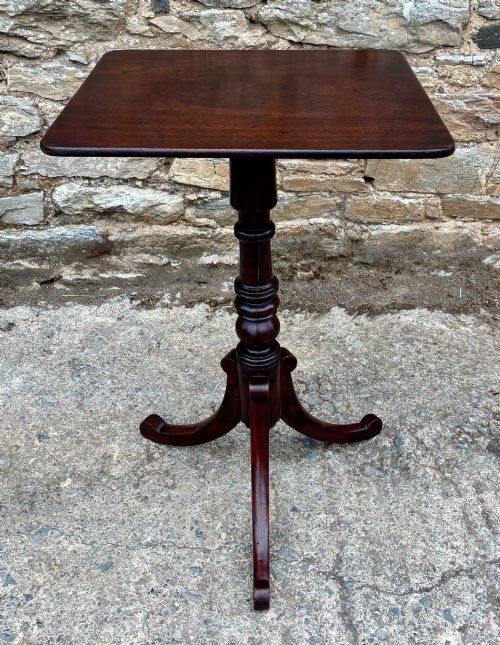
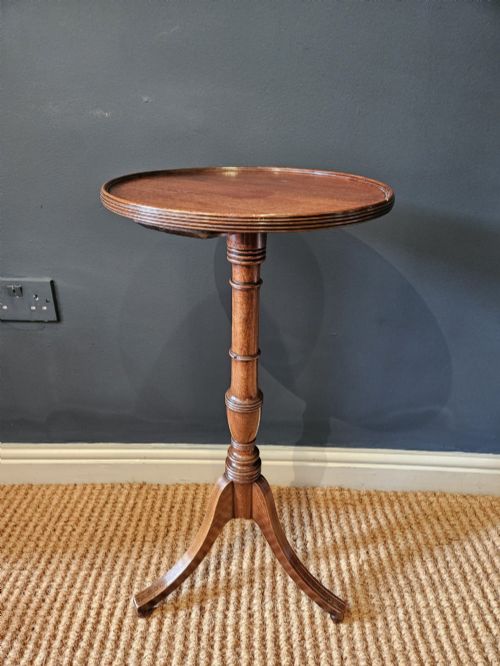
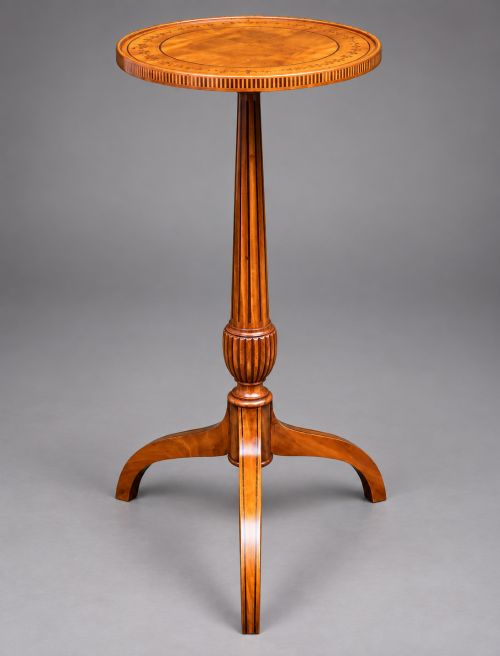
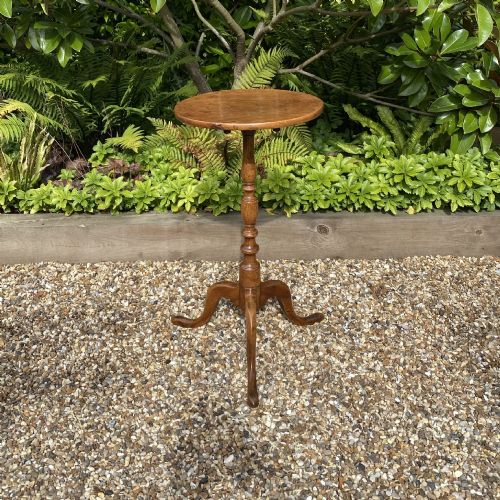
Georgian Lamp Stand
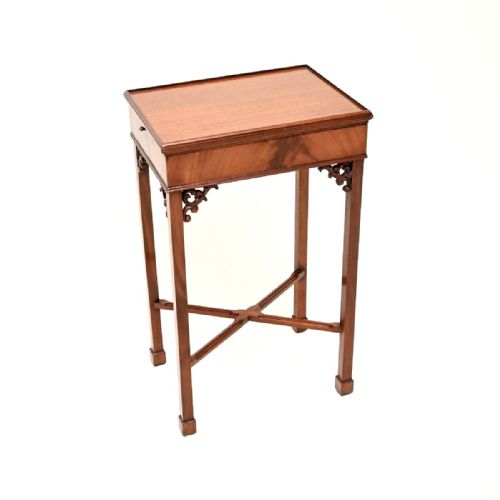
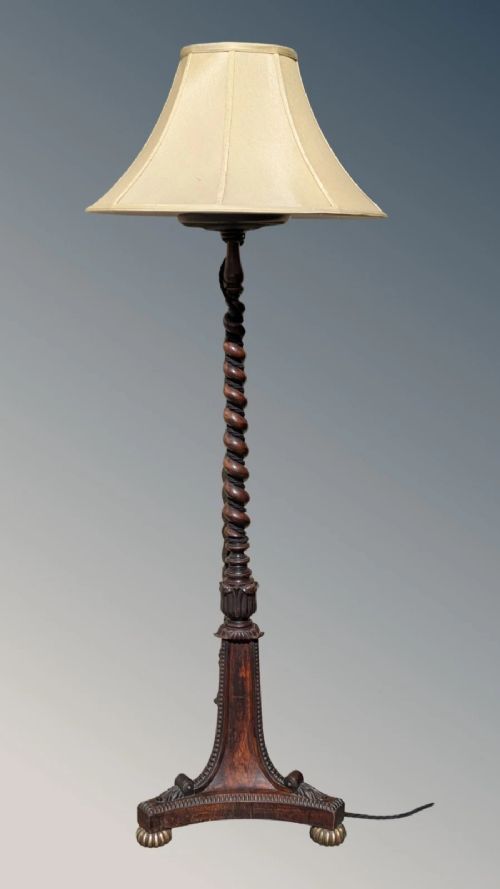
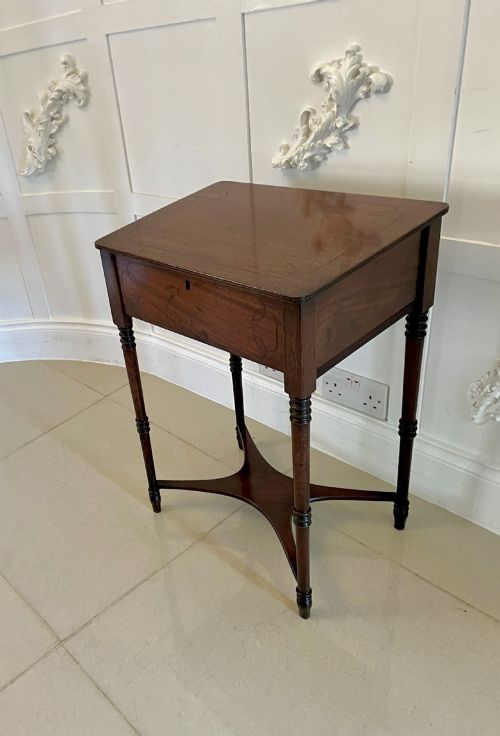
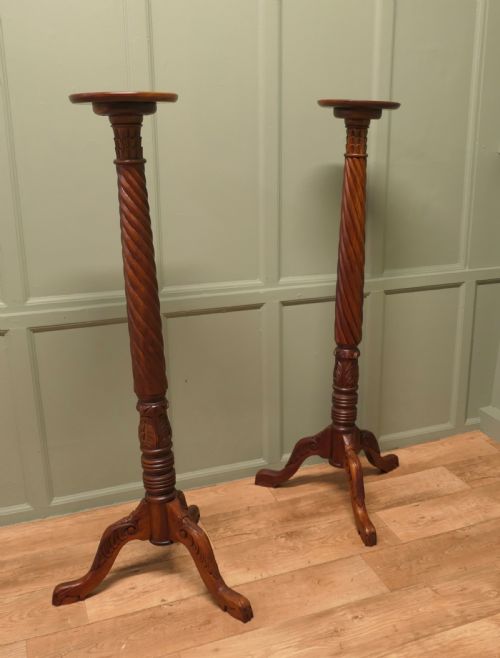
A georgian lamp stand brings useful small-scale timber furniture into a room, serving as a sturdy support for illumination or display.
Georgian Lamp Stand
A georgian lamp stand encompasses versatile compact tables and floor-standing lighting supports originating across the Georgian, Regency, and Victorian periods. Buyers search for these pieces to add period character and practical surface area beside seating or beds.
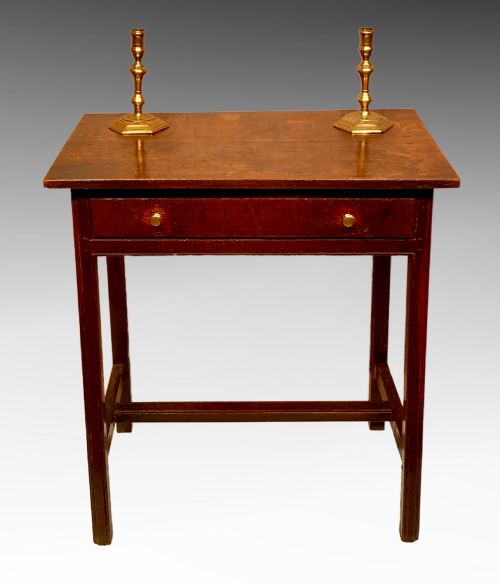
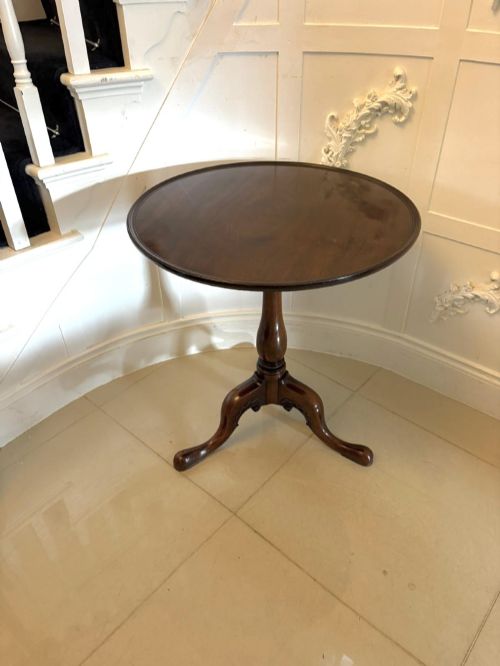
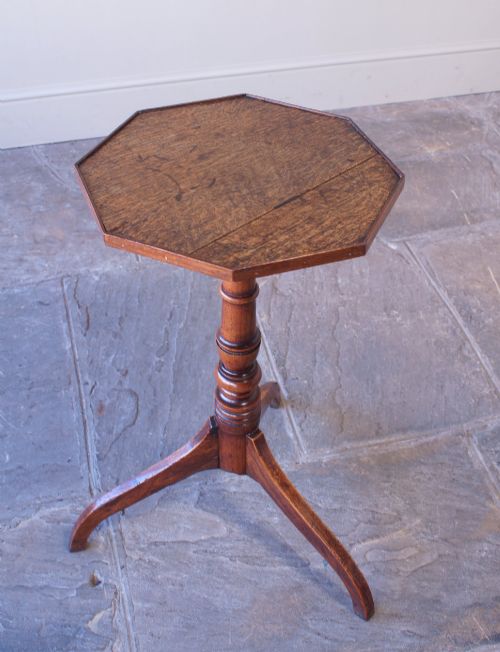
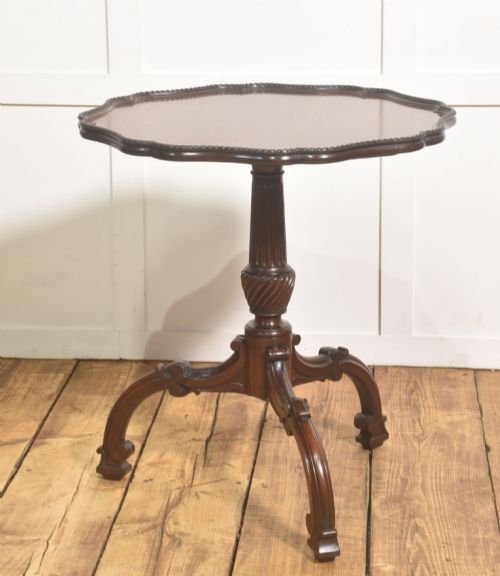
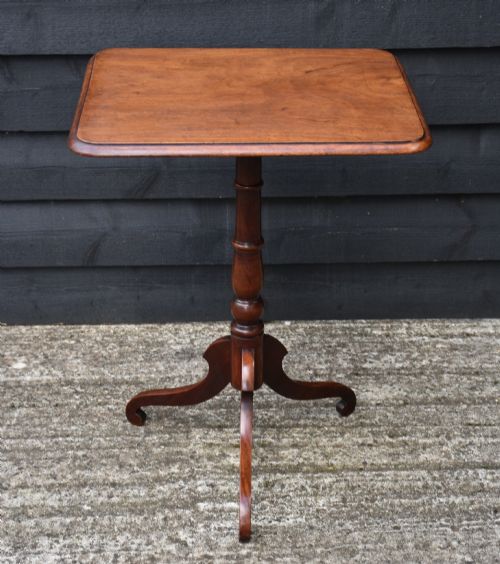
The selection on this page relies heavily on mahogany and oak tripod wine tables, occasional tables, and bedside cabinets that double as lamp supports. Standard floor lamps in brass and mahogany also appear frequently.
Most examples date from the 18th century through the 19th century, alongside later revivals from the Edwardian era. These pieces combine straightforward utility with traditional cabinet-making forms.
How they were made
Makers utilised solid hardwoods like mahogany, burr oak, and walnut, often pairing them with brass hardware, galleries, and adjustable candle mechanisms. Timber surfaces were polished or waxed to highlight the natural grain.
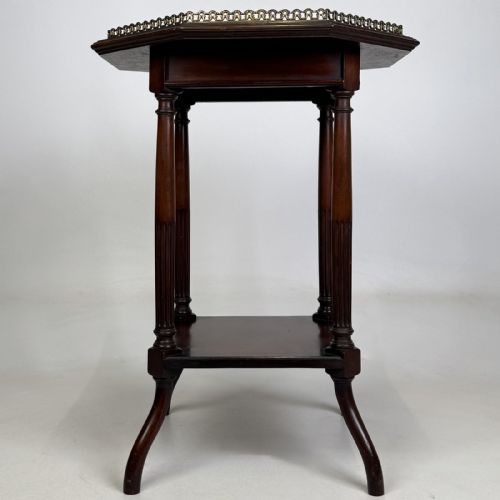
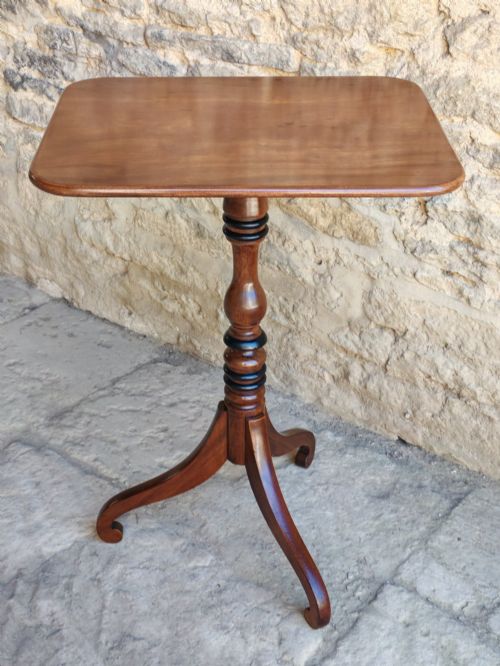
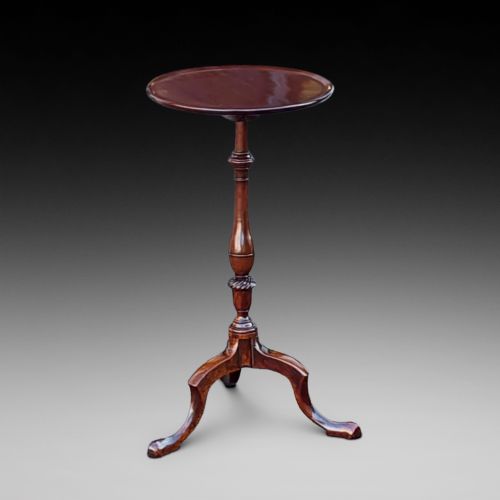
Tripod tables were constructed with tilt-top mechanisms or fixed central pillars supported by three shaped legs. Marquetry inlay, pie crust rims, and shaped tray tops added decorative detail to smaller surfaces.
Several tilt-top tables retain their original snap catches, ready for someone to fold them flat against the wall just as servants did centuries ago.
What varies in quality
Quality rests in the choice of timber and the precision of the joinery, particularly in the stability of tripod bases and pillar joints. Superior pieces exhibit well-figured mahogany or burr oak with crisp carving rather than mechanical uniformity.
The refinement of secondary details, such as brass galleries, inlaid marquetry, and original tilt mechanisms, separates standard utility pieces from finer examples.
The Georgian Lamp Stand Glossary
- Tripod table
- A small circular table supported by a central pillar and three legs. This form gained popularity during the 18th century for flexibility and easy movement.
- Tilt top
- A table top hinged to the central pillar so it can tilt vertically when not in use. This allowed convenient storage against walls.
- Tray top
- A tabletop finished with a raised moulded edge or gallery to prevent items from sliding off. It appears frequently on bedside and lamp tables.
- Standard lamp
- A tall floor-standing lamp designed to provide ambient lighting. Versions in the evidence utilise brass or mahogany construction.
- Marquetry
- Decorative inlay work using various coloured wood veneers to create geometric or pictorial patterns. It is found on select Georgian corner and lamp tables.
Georgian Lamp Stand: Frequently Asked Questions
What is a georgian lamp stand used for?
These pieces serve primarily as small tables for holding reading lamps, candles, or drinks beside seating. Floor-standing versions provide vertical illumination in corners or living spaces.
Their compact dimensions allow them to fit into narrow spaces where larger furniture proves impractical.
How do I identify a genuine period piece?
Examination of timber grain, construction joints, and wear patterns helps indicate age. Period pieces frequently display hand-cut joinery and signs of historical use on the wood.
Later revival items from the Edwardian period or the 20th century often show more uniform machine-made characteristics.
Are tilt top tables stable?
A well-made tilt top table remains stable when the original wooden catch or brass latch secures the top firmly to the pillar block. Slight movement in older mechanisms is common due to historical timber shrinkage.
Checking the fit of the catch reveals how securely the top locks into the horizontal position.
Where should I place a lamp stand in a room?
Tripod tables fit effectively beside armchairs, sofas, or beds to hold task lighting and small objects. Corner tables utilise awkward wall junctions while providing a useful display surface.
Floor-standing standard lamps work well behind seating areas to cast indirect light across a room.