



Georgian Lacquer Cabinet
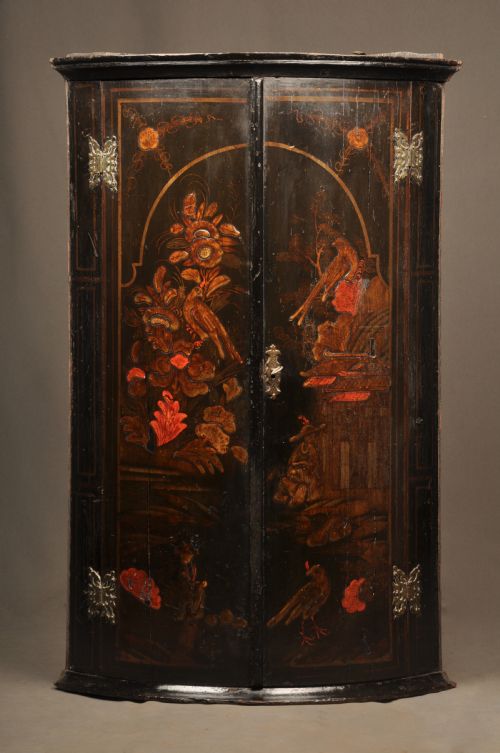
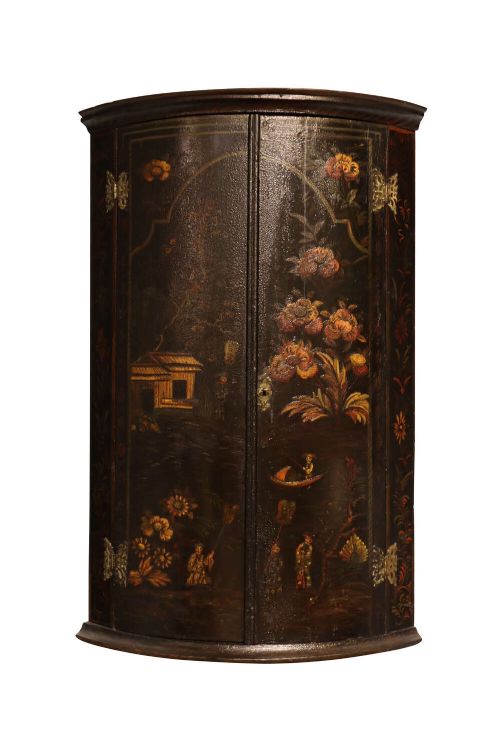
A georgian lacquer cabinet brings unmistakable Chinoiserie character to a room, offering rich painted scenes and polished surfaces that collectors prize.
Georgian Lacquer Cabinet
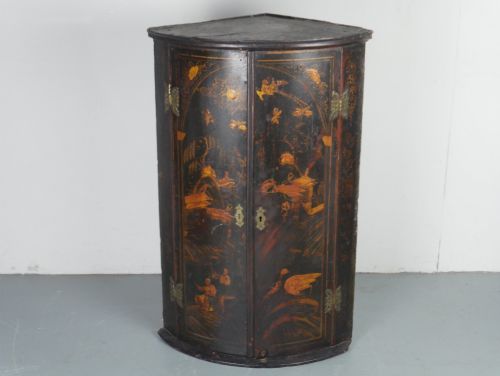
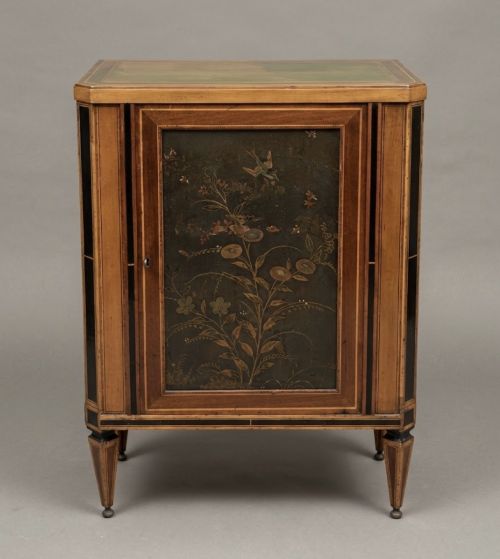
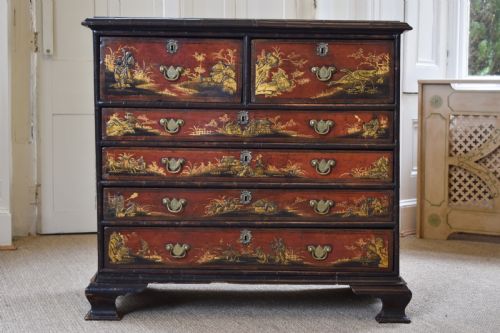
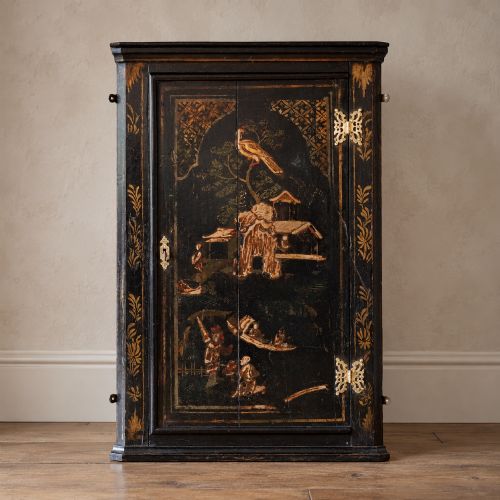
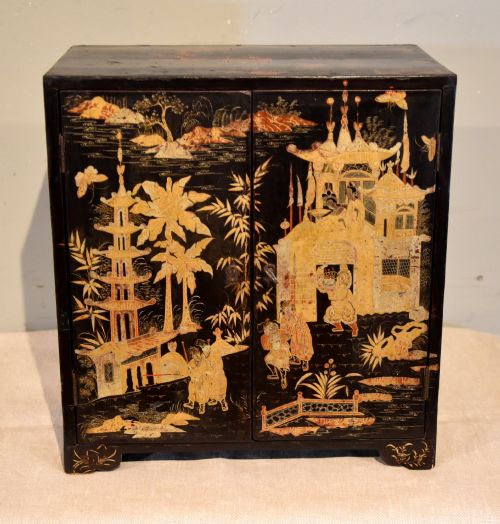
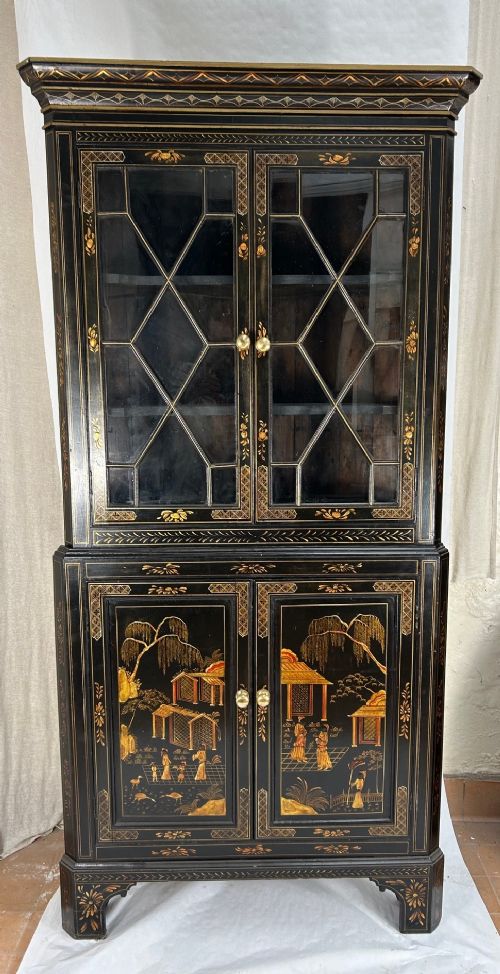
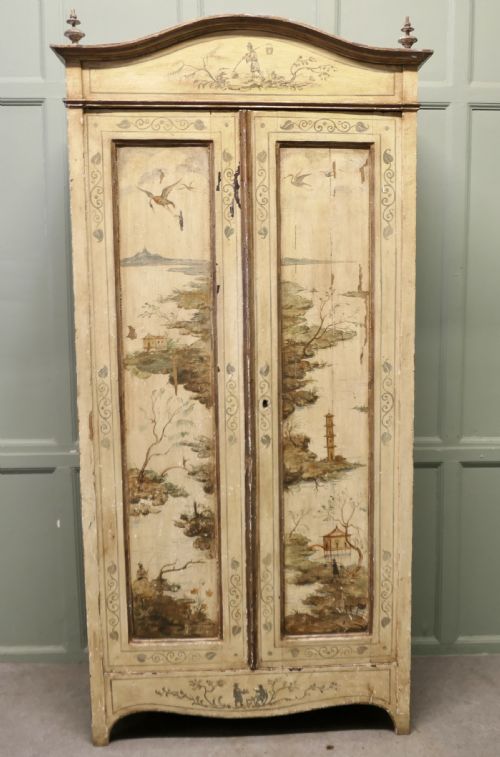
A georgian lacquer cabinet encompasses varied forms from corner cupboards and wall-hanging display pieces to bureau bookcases and cabinets on stands. The pieces span periods from the eighteenth century through to Edwardian and later revivals, though the core aesthetic remains rooted in Chinoiserie decoration.
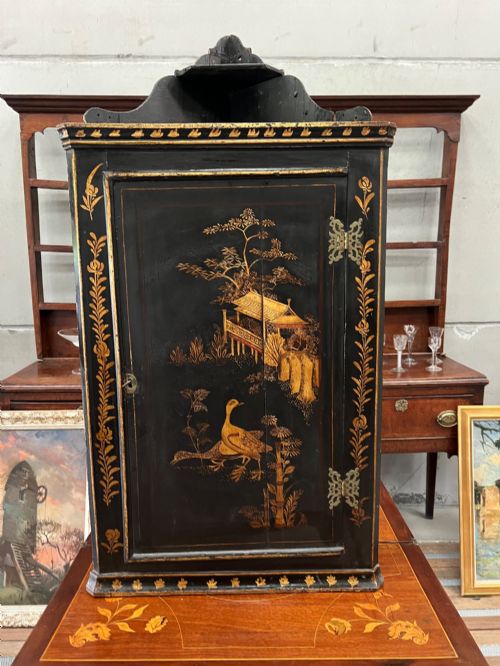
Buyers most frequently encounter corner cabinets and wall-mounted cupboards designed to utilise awkward spaces while displaying painted outdoor scenes. These surfaces often feature red, yellow, or black grounds embellished with gilt detailing.
More substantial formats include bureaus and cabinets on stands, providing enclosed storage alongside drop-front writing surfaces or glazed display compartments.
Materials and construction
Makers utilised wood as the primary structural foundation, applying multiple layers of lacquer to build up a smooth, durable base for subsequent painting and gilding. Gold leaf and paint were carefully worked into elaborate orientalist motifs depicting figures, pavilions, and garden landscapes.
Brass hardware such as hinges, escutcheons, and carrying handles frequently complement the polished lacquer exteriors, providing functional contrast against the dark or brightly coloured finishes.
Georgian Lacquer Cabinet Retail Price Guide 2026
Typical asking prices for georgian lacquer cabinet among the pieces listed under this phrase on Sellingantiques today, from the lower quarter to the upper quarter. They describe what is for sale here now, not the wider market.
Materials recorded across the inventory include lacquer, brass, gold leaf, and glass.
Quality and execution
Quality reveals itself in the depth of the lacquer finish and the intricacy of the hand-painted Chinoiserie ornamentation. Superior examples display crisp detail in the figures and foliage, where gold leaf catches the light across layered surfaces.
Construction standards differ between period originals and later revivals, visible in the joinery of the carcase, the retention of original brass mounts, and the preservation of the pigmented decoration over centuries of use.
The Georgian Lacquer Cabinet Glossary
- Chinoiserie
- European artistic interpretation of Chinese and East Asian motifs, characterised by whimsical figures, landscapes, and architectural elements painted in gold and colours.
- Japanned
- A European form of decorative finishing that emulates East Asian lacquerware, created using layers of varnish and heat-cured resin.
- Bureau
- A desk featuring a sloping flap that opens to reveal a fitted interior of pigeonholes and small drawers.
- Escutcheon
- A protective plate surrounding a keyhole, often cast in brass to complement the decorative scheme of the cabinet door.
Georgian Lacquer Cabinet: Frequently Asked Questions
Where should I place a corner cabinet?
These pieces suit idle corners in dining rooms or hallways, drawing the eye upwards without dominating the floor space.
Ensure the piece is secured safely to the wall if it is a tall hanging model, keeping it away from direct sunlight to protect the lacquer finish.
How do I care for lacquer surfaces?
Dust gently with a dry, soft microfibre cloth to remove particles without scratching the delicate painted ground.
Avoid liquid polishes and keep the cabinet away from radiators and damp environments to prevent the wood beneath from expanding.
Are Edwardian pieces authentic antiques?
Edwardian items date from the early twentieth century and represent a revival of eighteenth-century Chinoiserie tastes and manufacturing methods.
They offer the same decorative impact as earlier pieces while serving as distinct period objects in their own right.
What is a cabinet on stand?
A cabinet on stand consists of an enclosed storage box mounted upon a separate, raised wooden support frame with legs.
This format elevates the decorated surface to eye level, making the painted scenes easier to appreciate in a domestic setting.