



Georgian Kitchenware
Georgian kitchenware comprises utilitarian copper, brass, iron, and treen vessels designed for historic food preparation.
Georgian Kitchenware
Georgian kitchenware encompasses functional domestic utensils and cooking vessels spanning the eighteenth and nineteenth centuries. Buyers searching for georgian kitchenware encounter utilitarian objects constructed for daily use in domestic spaces rather than purely decorative parlour items.
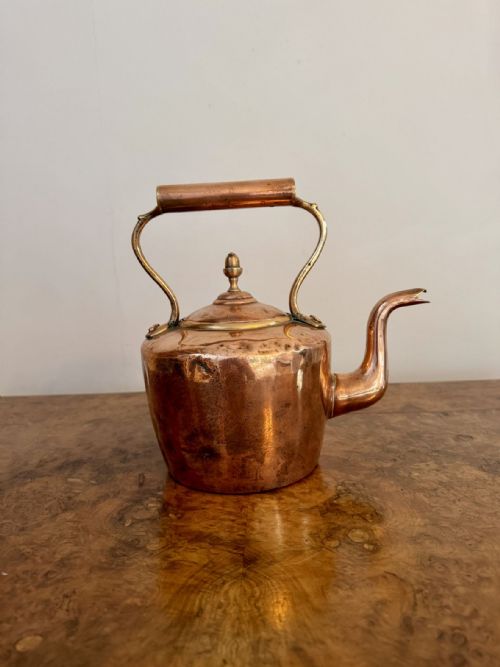
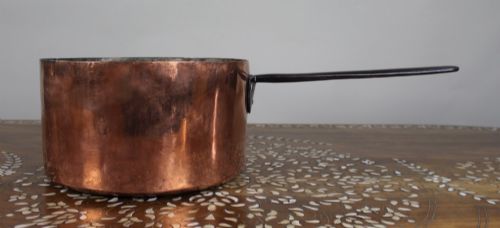
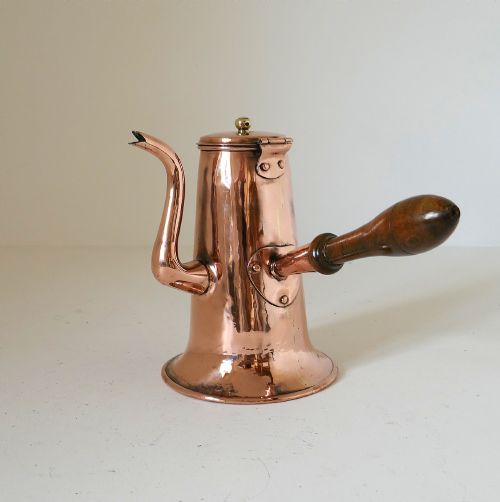
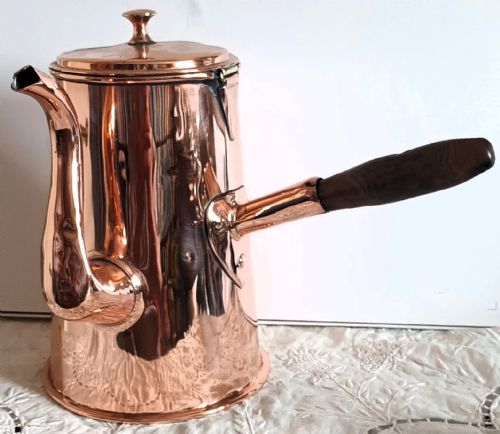
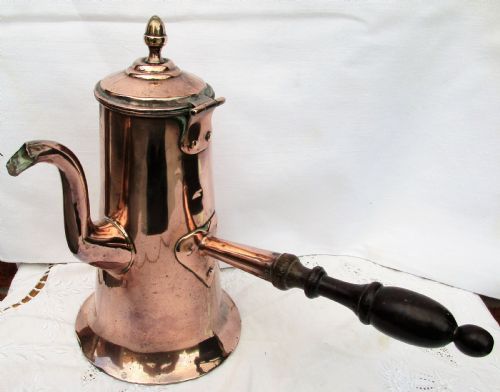
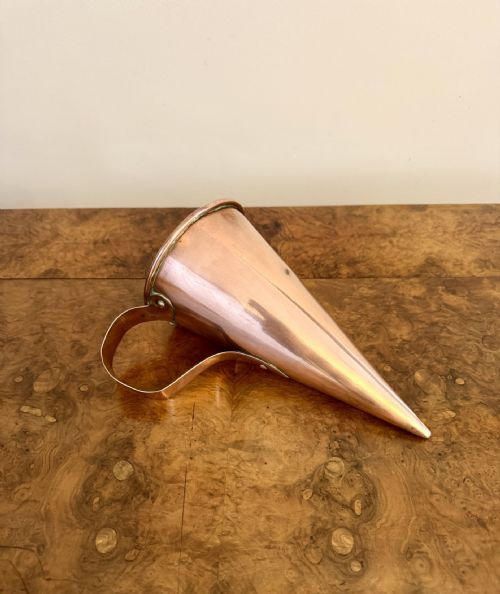
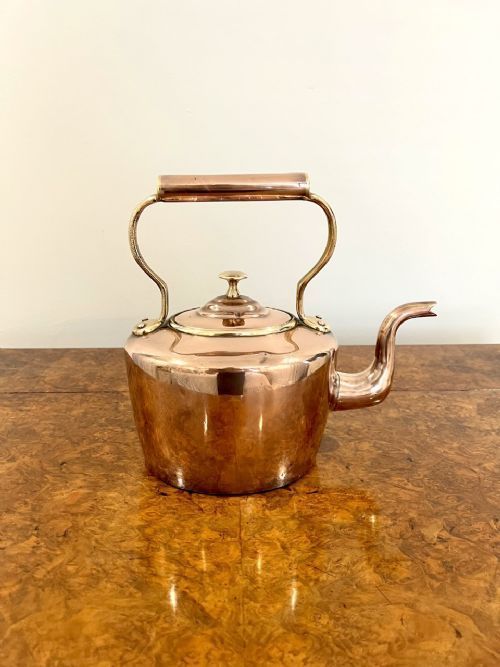
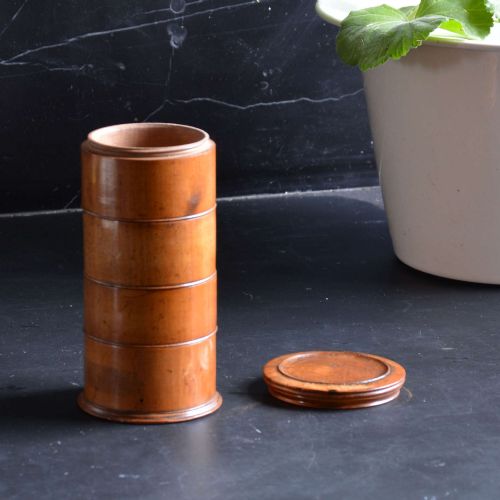
The selection centres heavily upon heavy-gauge copper kettles, saucepans, coffee pots, and measuring jugs originating from the George III period. These metal forms dominate alongside treen items such as boxwood spice towers and fruitwood apple corers.
Alongside copper and treen, regional kitchenalia includes brass skimmers, iron hardware, and painted pine implements. These domestic survivals bridge the gap between working estate kitchens and period dining rooms.
How they were made
Metal vessels rely on hand-beaten copper sheets joined with dovetail seams or secured with heavy rivets. Brass and bronze items utilise traditional casting methods, leaving tangible tool marks across the finished surfaces.
Wooden objects like treen spice towers and nutmeg graters are turned on a lathe from dense hardwoods such as boxwood and fruitwood. Iron components, including salt box hardware, are forged by hand using wrought techniques.
Keep an eye out for treen nutmeg graters shaped precisely like tiny wine bottles.
What varies in quality
Quality rests in the thickness of the metal gauge and the retention of original structural components like iron handles and dovetailed seams. Thicker copper plates endure heavy hearth use better, retaining crisper form through centuries of polishing.
Treen pieces derive their standing from crispness of turned detail and the preservation of original surfaces, such as early paint traces on pine and boxwood. Unaltered hardware and genuine period patina elevate utility objects into accomplished examples of domestic craft.
The Georgian Kitchenware Glossary
- Kitchenalia
- Utilitarian objects and utensils historically used in domestic food preparation and kitchen service. This category spans items made from metal, wood, and ceramic.
- Treen
- Small handmade wooden domestic objects produced by turning or carving. Common forms include treen nutmeg graters, apple corers, and spice towers.
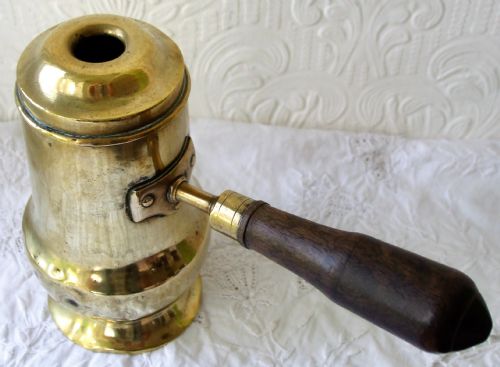
- Ale muller
- A metal vessel featuring a long handle, designed to be heated in a hearth fire to warm spiced ale. These utensils combine copper and brass construction.
- Searce
- A fine sieve or strainer used historically for bolting flour or dry ingredients. These wooden framed items form part of domestic kitchen equipment.
- Mortar and pestle
- A heavy bowl and club used for crushing and grinding spices, seeds, or medicines. They appear in durable materials including cast bronze and stone.
Georgian Kitchenware: Frequently Asked Questions
What is georgian kitchenware?
Georgian kitchenware encompasses utilitarian objects and cooking utensils made from copper, brass, iron, and wood for historic domestic use.
These pieces include kettles, saucepans, mortars, and treen utensils created during the eighteenth and early nineteenth centuries.
How were copper pots used?
Heavy copper pots and kettles served over open hearths or kitchen ranges for boiling water, brewing coffee, and heating liquids.
Their substantial metal thickness allowed even heat distribution during daily food preparation in period households.
How do I clean antique copper?
Antique copper pieces maintain their character best with gentle cleaning rather than abrasive polishing that removes historical surface depth.
Many collectors prefer a warm soapy wash that preserves the mellow patination accumulated over centuries of use.