


Georgian Irish Flatware
Georgian irish flatware delivers sterling silver table service pieces shaped by Dublin silversmiths across the eighteenth and nineteenth centuries.
Georgian Irish Flatware
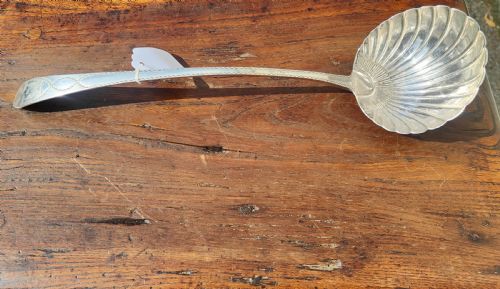
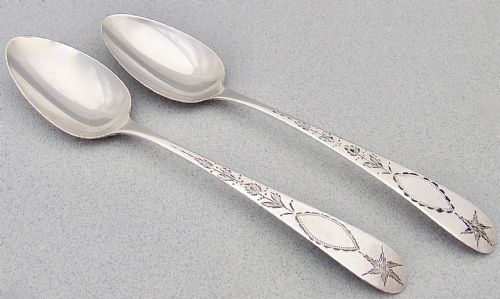
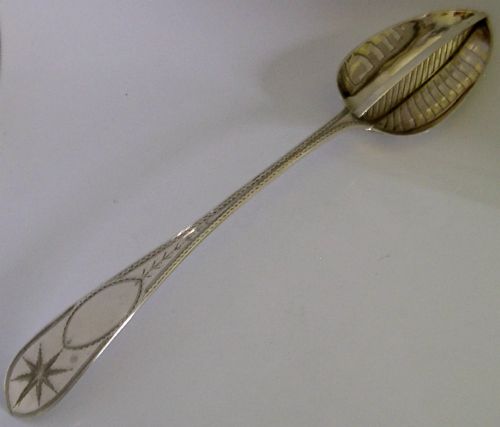
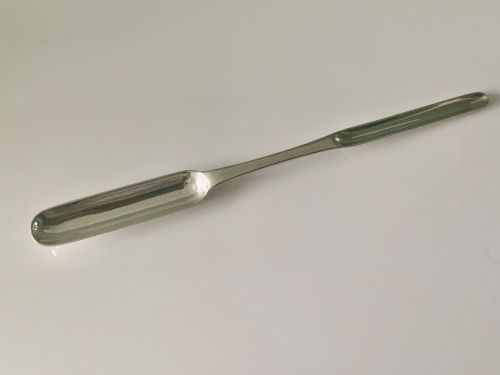
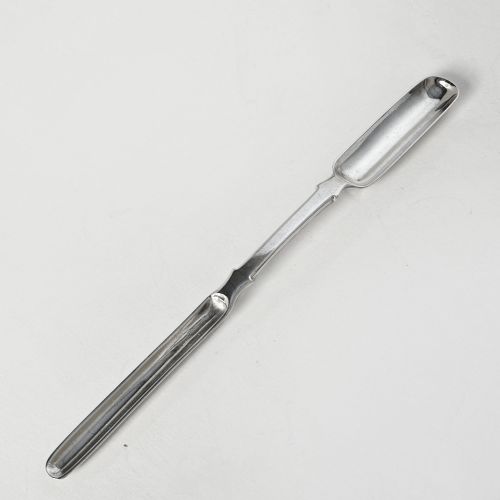
These georgian irish flatware pieces comprise sterling silver spoons, ladles, marrow scoops, fish slices, and caddy spoons spanning the eighteenth and nineteenth centuries. The selection leans heavily towards eighteenth century items, particularly dessert spoons, basting spoons, and soup ladles made in Dublin.
Originating predominantly from Dublin workshops, these items reflect the distinct output of Irish silversmiths operating during the georgian and george iv periods. The surviving objects demonstrate the functional breadth of Dublin dining silver from seventeen fifty onward.
Materials and Craftsmanship
Makers shaped these objects from sterling silver using traditional smithing techniques to produce durable utensils for dining and serving. Specific forms like marrow scoops and fish slices required precise hammering and shaping of the metal to achieve balanced proportions.
Certain sets feature fitted presentation cases lined with materials such as velvet and silk to protect the silver components. The combination of solid sterling silver construction and specialised tooling defines the physical character of these Dublin items.
Listings span the eighteenth century and nineteenth century, incorporating periods such as george iv and seventeen fifty.
Assessing Quality and Distinction
Quality rests on the prominence of maker marks, the clarity of Dublin hallmarks, and the crispness of applied crests or hand-engraved patterns. Pieces bearing named silversmiths and specific dates command attention for their documented provenance.
The weight of the sterling silver and the survival of original fitted cases containing silk and velvet linings influence the standing of individual pieces. Substantial weight in serving implements and soup ladles indicates higher grade manufacturing.
John Pittar·John Locker·Michael Smith·Edward Power
The Georgian Irish Flatware Glossary
- Sterling silver
- A silver alloy containing ninety-two point five percent silver by mass, used for all listed flatware.
- Celtic point
- A tapered handle style with a distinct pointed tip found on eighteenth century Dublin spoons.
- Fiddle pattern
- A nineteenth century flatware handle shape featuring shoulders above a wider terminal, seen on items like fish slices.
- Marrow scoop
- A narrow double-ended silver utensil designed for extracting bone marrow, featuring bowls of different sizes.
- Caddy spoon
- A small specialised spoon intended for measuring loose tea from a caddy, often produced in silver during the georgian period.
Georgian Irish Flatware: Frequently Asked Questions
What defines irish flatware from this period?
Dublin hallmarking and distinct regional pattern variations set these sterling silver pieces apart from English equivalents.
Craftsmen produced specialised forms like celtic point spoons and hookend basting spoons that reflect local dining traditions.
What is a fish slice used for?
A fish slice acts as a wide, flat serving implement designed for transferring portions of fish at the table.
Examples from the nineteenth century often combine a pierced sterling silver blade with a fiddle pattern handle.
How should I store silver caddy spoons?
Store sterling silver pieces in dry conditions away from direct sunlight to preserve the metal finish.
Items that include fitted cases lined with silk or velvet benefit from remaining inside their original protective enclosures.