



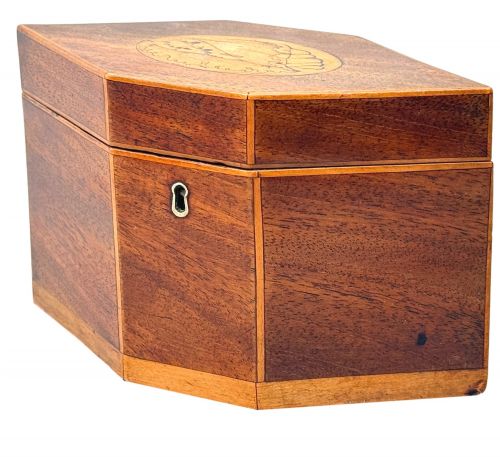
Georgian Inlaid Caddy
When you choose a georgian inlaid caddy, you hold a small, finely crafted box designed to preserve valuable leaves.
Georgian Inlaid Caddy
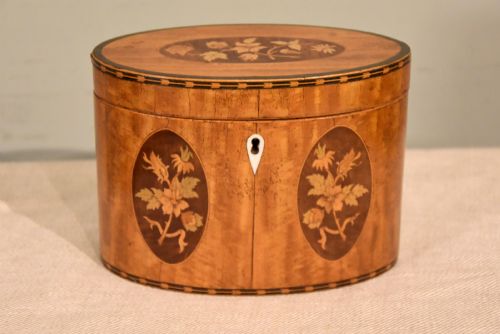
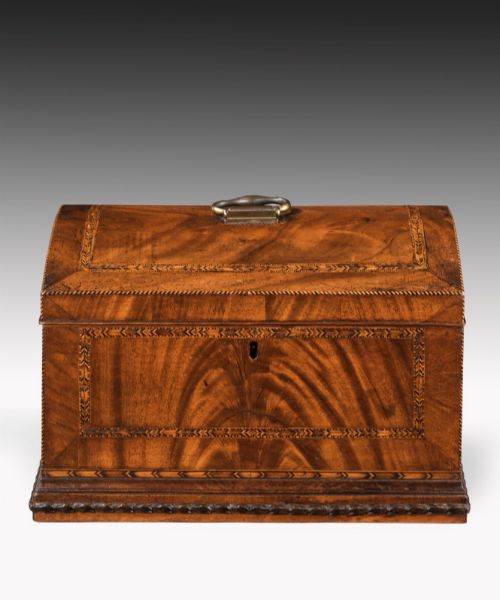
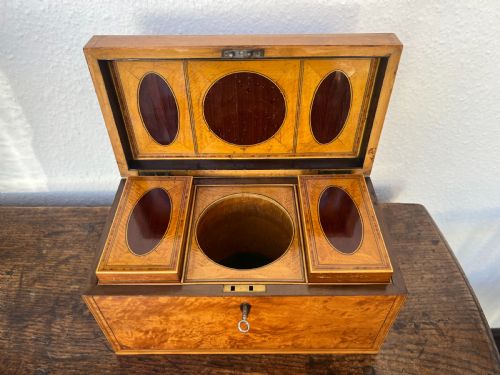
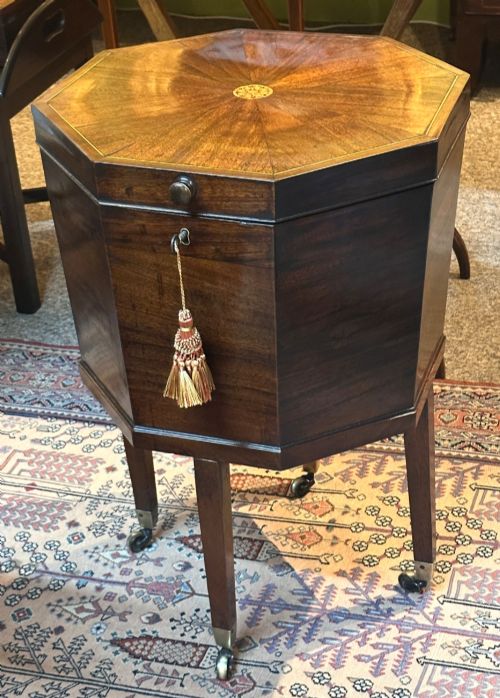
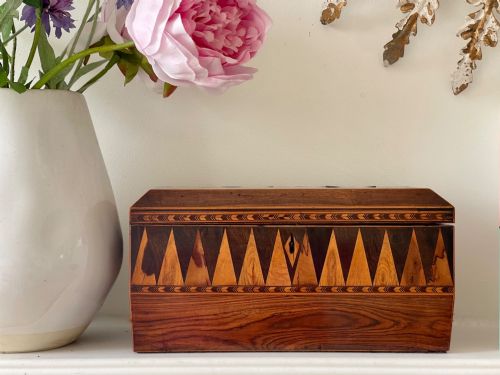
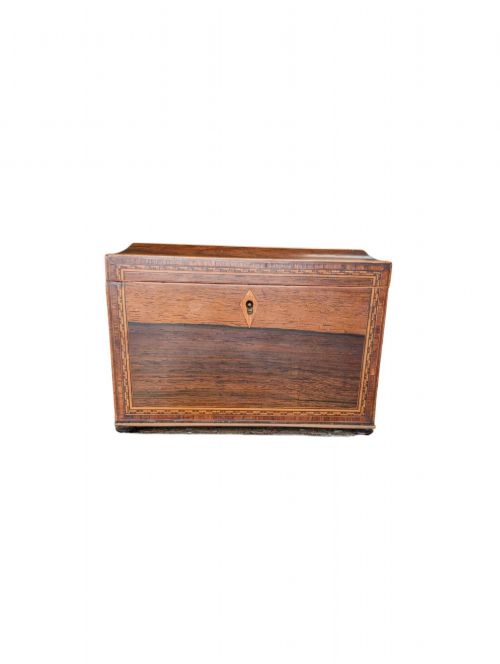
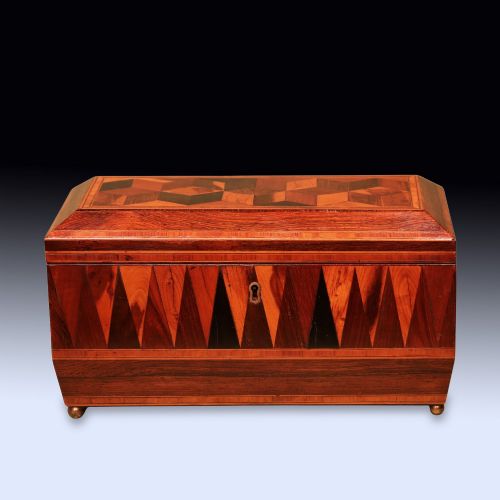
A georgian inlaid caddy typically takes the form of a small lidded box constructed to store loose tea leaves securely under lock and key. The most common version met on this page is the rectangular, oval, or octagonal mahogany or satinwood box decorated with contrasting stringing or shell motifs.
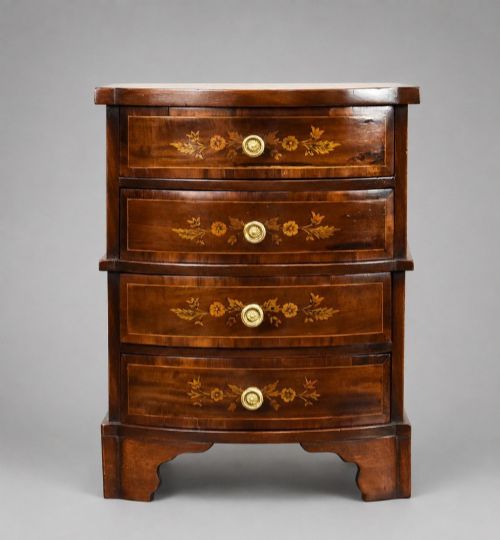
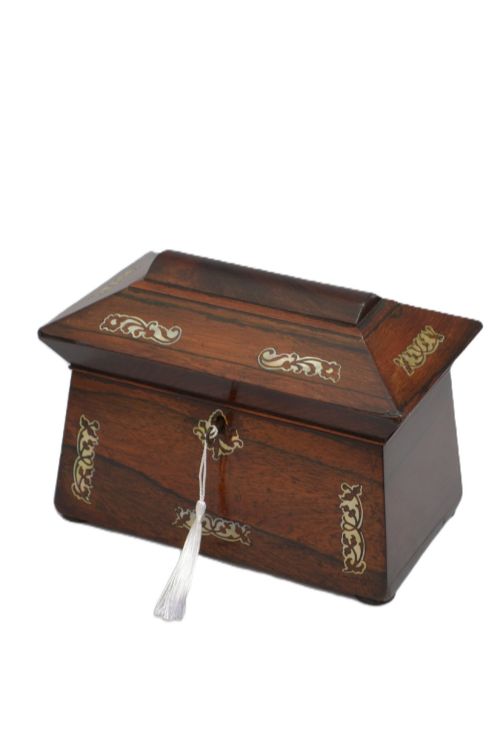
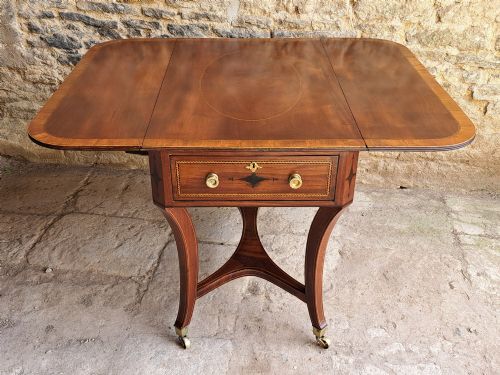
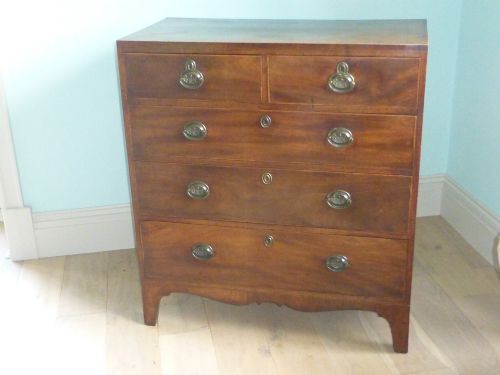
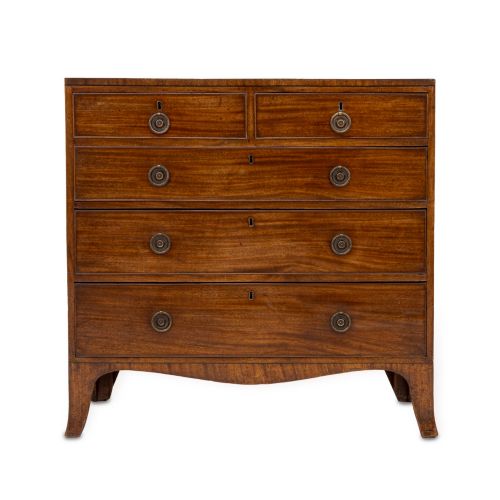
Makers shaped these containers to sit upon a parlour table or sideboard during the eighteenth and early nineteenth centuries. Alongside standard tea canisters, the category extends to larger sarcophagus forms, double-compartment boxes, and occasionally miniature chests of drawers bearing similar decorative veneers.
The periods represented span the Georgian, George III, and Regency eras, reflecting shifting tastes in cabinetmaking from rectilinear proportions to bolder, curved sarcophagus bodies. These pieces originate primarily from English workshops employing skilled vernacular techniques.
Materials and Technique
Cabinetmakers utilised dense timbers including mahogany, rosewood, satinwood, and harewood as the primary structural bodies for these boxes. These woods provided a stable canvas capable of taking a high polish and supporting intricate surface decoration.
Decoration relied on precision cutting of contrasting veneers such as boxwood, ebony, and bone to create geometric parquetry, butterfly motifs, and central shell inlays. Craftsmen embedded these delicate pieces flush into the primary wood surface using animal glues and hand saws.
Moths and domestic dogs occasionally peer out from the past, immortalised in delicate wood marquetry on nineteenth-century lids.
Craftsmanship and Proportion
The standard of a georgian inlaid caddy depends upon the precision of the cabinetwork and the complexity of the veneer patterns. Superior examples display tightly fitted mitre joints, balanced grain alignment, and crisp, undamaged inlay work that remains entirely flush with the surrounding wood.
Interior fittings strongly influence the grade of the piece, with better examples retaining original foil linings, partitioned compartments, or secret drawers. The choice of secondary woods and the subtlety of the brasses or lion mask handles also indicate the original workshop's investment in the object.
Gillows
The Georgian Inlaid Caddy Glossary
- Caddy
- A small box or chest originally designed for storing loose tea leaves. The term derives from catty, the Chinese weight measurement.
- Inlay
- A decorative technique where pieces of contrasting wood, shell, or bone are set into recesses flush with the surface. This method creates pictorial motifs or geometric borders.
- Sarcophagus form
- A box design featuring a sloping, heavy lid and a stepped base reminiscent of a stone tomb. This style became popular during the Regency period.
- Stringing
- Thin lines of contrasting wood inlay used to outline the edges of panels, drawers, and lids. It provides subtle linear definition to cabinet furniture.
- Parquetry
- Geometric mosaic woodwork formed by small pieces of veneer arranged in repeating patterns. It differs from marquetry by using strictly angular shapes.
Georgian Inlaid Caddy: Frequently Asked Questions
What were tea caddies used for?
These boxes stored precious black and green tea leaves when tea was an expensive commodity locked away from servants and guests. A key secured the lid to protect the contents.
Inside, divided compartments kept different tea varieties separate, and many included a small mixing bowl or a spoon tray.
How do I tell a Georgian caddy from a Regency one?
Georgian caddies generally exhibit lighter, rectilinear or oval proportions with delicate shell or floral satinwood inlays reflecting neoclassical taste. They tend to feel restrained and architectural.
Regency examples frequently adopt heavier sarcophagus shapes with bold rosewood veneers, brass lion mask handles, and geometric brass stringing. They rely on massive presence rather than delicate surface motifs.
Are the interiors usually original?
Many retain their fitted wooden partitions, foil-lined compartments, or small inner lids with tiny ivory or wooden knobs. Some include miniature glass mixing bowls nestled in the centre.
Replacements do occur over centuries of use, so a complete interior with functioning locks and working keys remains notable.
How should I clean a wooden tea caddy?
Maintain the surface using a soft, dry cloth to remove dust without disturbing fragile antique veneers or dry animal glues. Avoid modern liquid polishes containing silicone.
Feed dry timbers occasionally with a conservative application of microcrystalline wax to protect the grain and preserve the historic polish.