




Georgian Hearth Stand
A georgian hearth stand brings practical warmth and refined detail to the fireside through centuries of brass, mahogany, and iron craftsmanship.
Georgian Hearth Stand
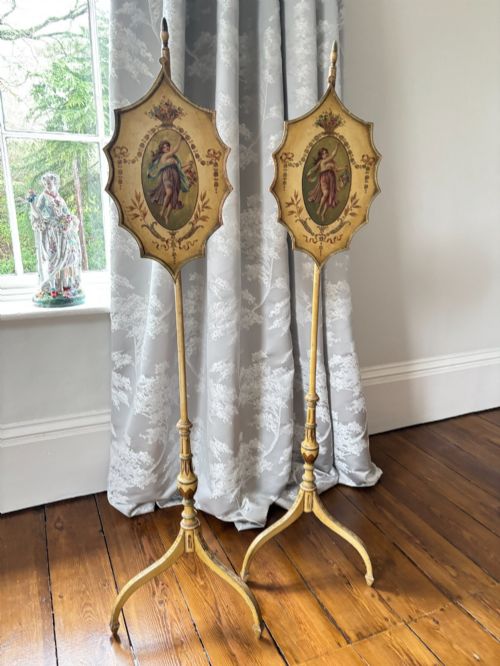
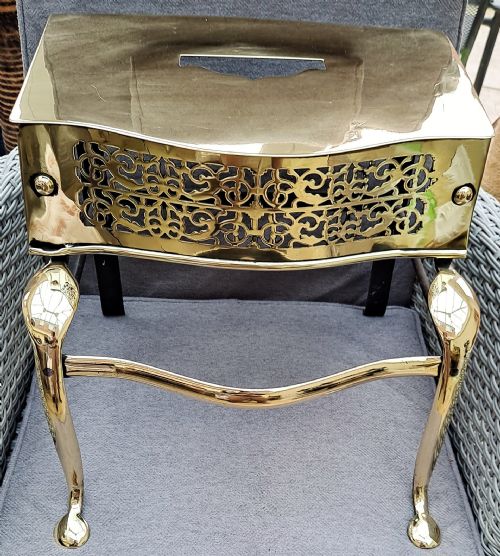
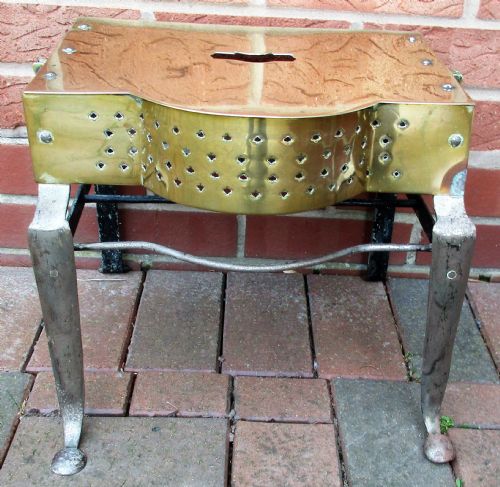
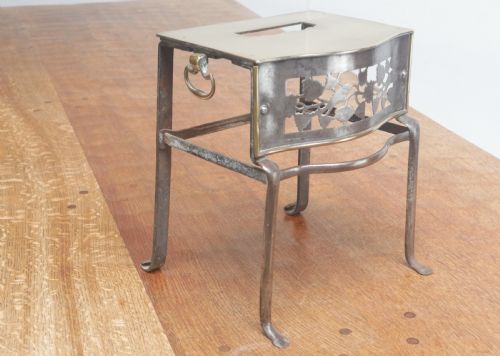
A georgian hearth stand encompasses various functional fireside furnishings designed to manage heat, kettles, and screens in period rooms. These pieces include brass and steel footmen, rotating fire cats, leather fire buckets, and adjustable pole screens.
The versions most commonly met on this page span the late eighteenth and nineteenth centuries, reflecting the stylistic shifts from George III through the Regency and William IV periods. They combine utility with decorative presence, sitting directly on the hearth or floor.
Makers utilised durable materials suited to high temperatures and daily domestic handling, resulting in robust iron frames, polished brass plates, and turned mahogany supports.
Materials and construction methods
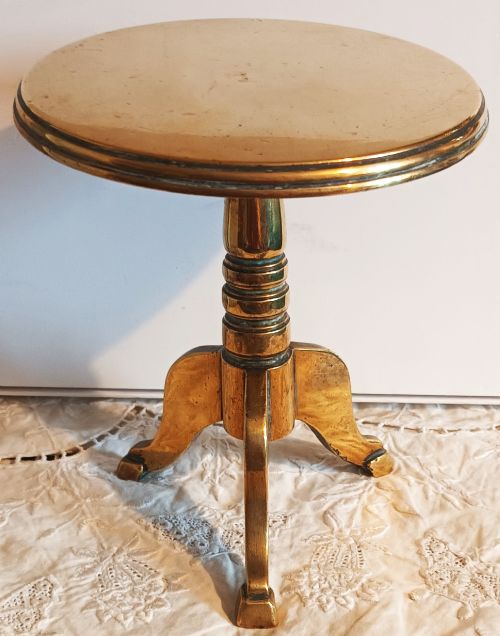
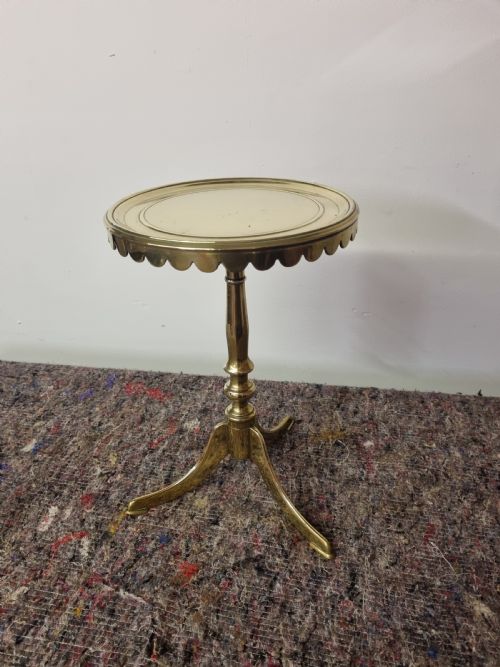
Metal components rely on cast and sheet brass combined with wrought or cast iron and steel, providing the heavy structure needed for footmen and andirons. Brass elements often feature bright polish or pierced work, while iron parts offer sturdy durability.
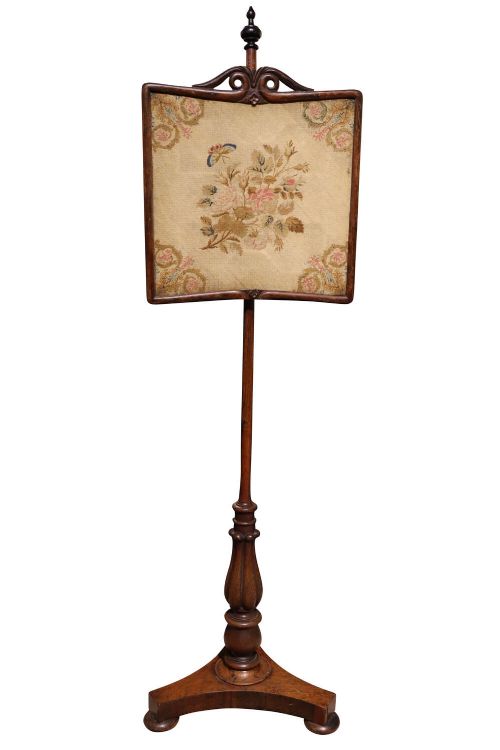
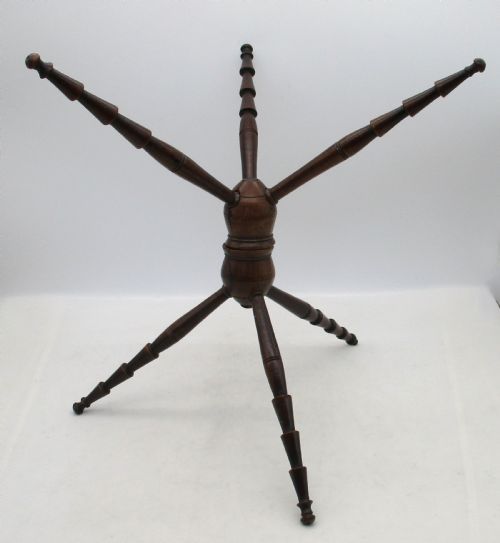
Wooden elements utilise dense timbers such as mahogany and rosewood, shaped into turned columns, spade feet, or rotating frames for cats and pole screens. These are frequently paired with detailed needlepoint, tapestry, or painted leather inserts.
Georgian Hearth Stand Retail Price Guide 2026
Typical asking prices for georgian hearth stand among the pieces listed under this phrase on Sellingantiques today, from the lower quarter to the upper quarter. They describe what is for sale here now, not the wider market.
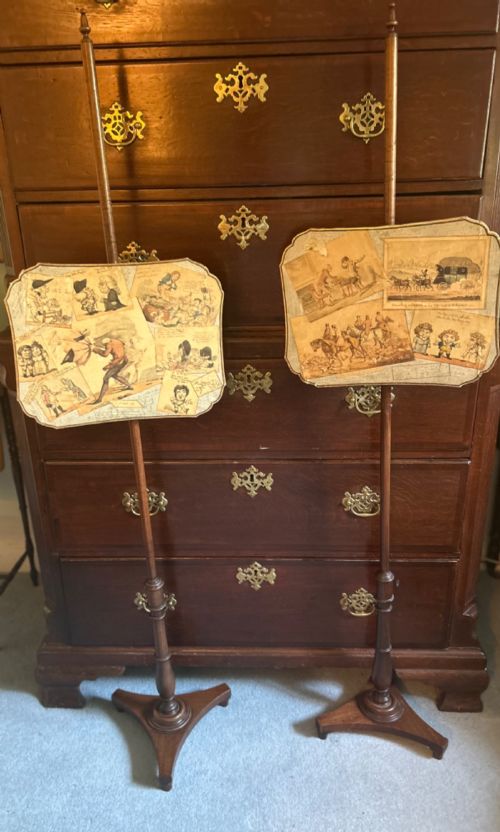
Witty satirical prints occasionally hide on pole screens, proving that Georgian households appreciated a clever joke while warming their toes.
Distinctions in quality
Quality reveals itself through the crispness of casting in brass footmen and the precise turning of wooden stems on pole screens and cat stands. Superior examples show careful attention to structural joints and the retention of original surfaces rather than modern alterations.
The artistic merit of the needlework faces, hand-painted leather details, or pierced brass patterns distinguishes high-ranking pieces from standard utilitarian items. Materials matched with integrity across the entire object elevate the piece within its period.
The Georgian Hearth Stand Glossary
- Footman
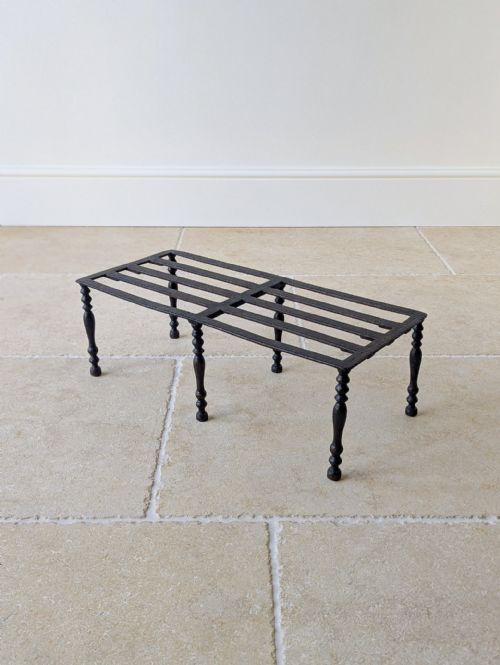
- A metal stand placed by the hearth to keep food or water warm near the fire. These typically feature brass tops and iron or steel legs.
- Pole Screen
- A vertical screen mounted on a tall stand with an adjustable panel to shield the face from radiant fireplace heat. Panels often display needlepoint, tapestry, or painted decoration.
- Fire Cat
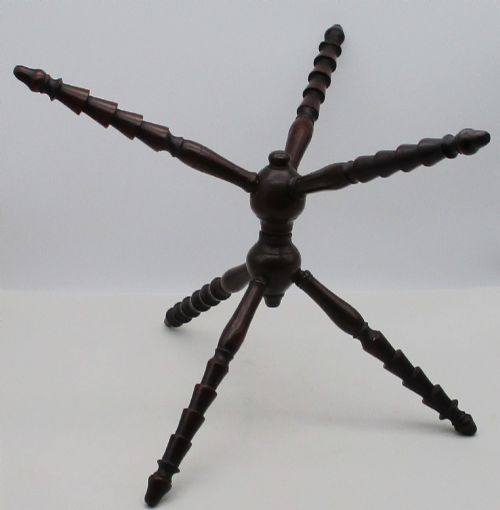
- A rotating wooden stand used to hold plates or kettles near the hearth. Also known as a plate stand, it often incorporates three turned legs.
- Trivet
- A small metal stand used to support pots and kettles over coals. They frequently share form and function with footmen.
- Needlepoint
- Stitched textile work executed on canvas mesh, commonly utilised for the adjustable shields of pole screens. It provides decorative warmth and colour to the fireside.
Georgian Hearth Stand: Frequently Asked Questions
What is a georgian hearth stand used for?
These pieces served practical roles around the period fireplace, from holding hot kettles and food to shielding faces from intense heat. Footmen sat near the coals, while pole screens adjusted to block glare and warmth.
Over time, they transitioned from purely utilitarian kitchen and parlour equipment into decorative items prized for their period character and craftsmanship.
How do I tell different periods apart?
Dating relies on observing material combinations, joinery methods, and prevailing decorative styles across the pieces. Earlier eighteenth-century items often show heavier wrought iron work and simpler turned elements.
Nineteenth-century and Regency pieces frequently introduce refined rosewood, polished brass pierces, and sophisticated Chinoiserie or Adam style motifs.
How should I clean brass hearth accessories?
Maintaining brass footmen and stands requires gentle dusting and occasional cleaning with appropriate metal polishes to preserve the surface sheen. Avoid harsh abrasives that can strip away the aged character accumulated over generations.
Iron and steel components benefit from light oiling to prevent oxidation in fluctuating room temperatures.
Can I use these items with a modern fireplace?
Many of these pieces remain sturdy enough to function beside contemporary hearths as trivets, bucket holders, or decorative screens. Their robust brass and iron construction suits active household use.
Care should be taken with delicate textiles on pole screens to keep them safely distanced from open flames or excessive soot.