

Georgian Hand Painted Porcelain
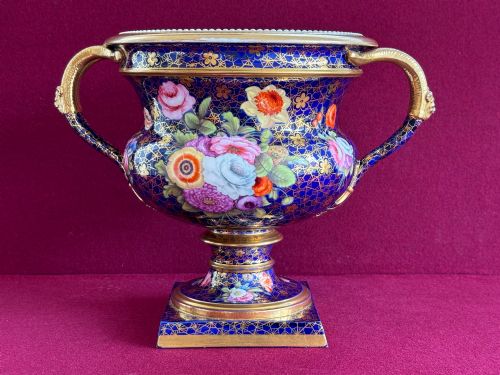
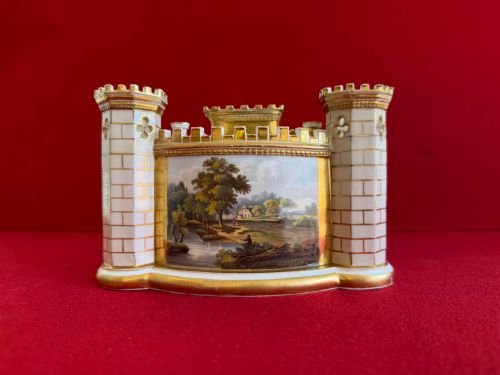
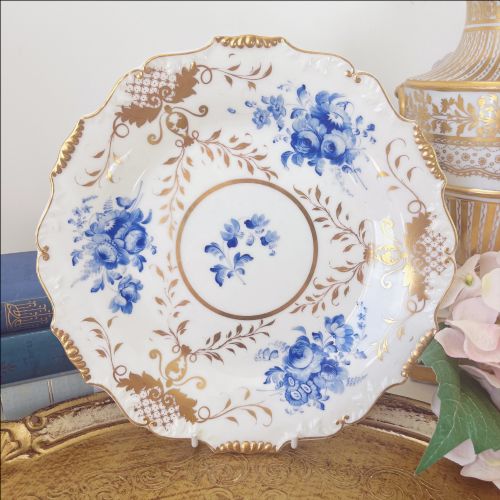
Georgian hand painted porcelain brings cabinet trios, tea canisters, and botanical dishes from the eighteenth and early nineteenth centuries into domestic spaces.
Georgian Hand Painted Porcelain
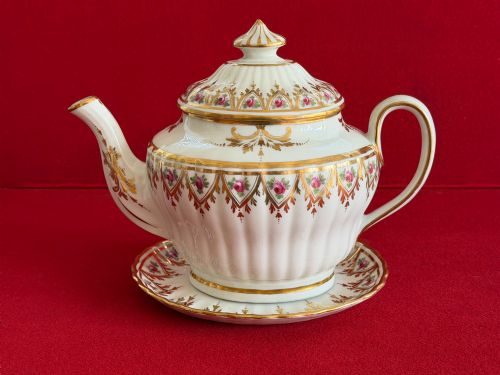
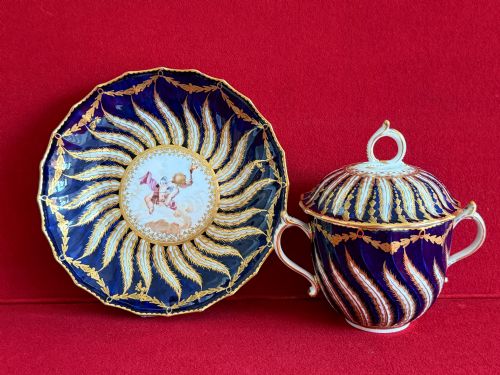
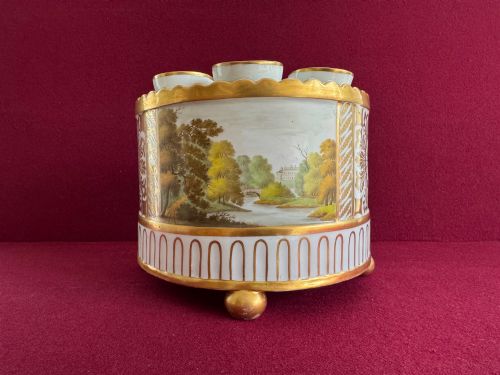
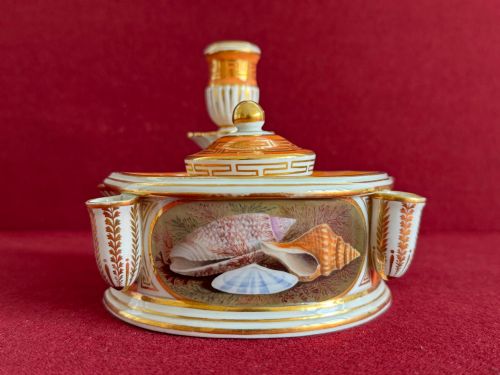
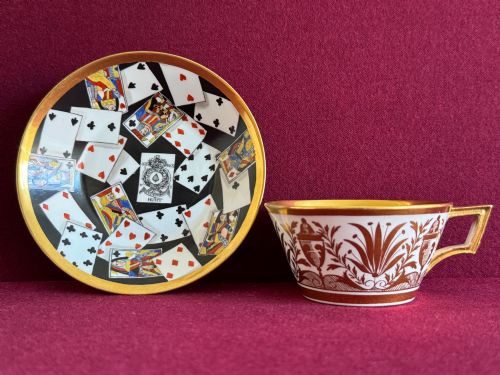
Georgian hand painted porcelain comprises domestic tea wares, tableware, and cabinet pieces produced during the eighteenth and early nineteenth centuries. Buyers encounter teacups, saucers, cream jugs, dessert services, and decorative dishes originating from factories operating across England during the Georgian and Regency eras.
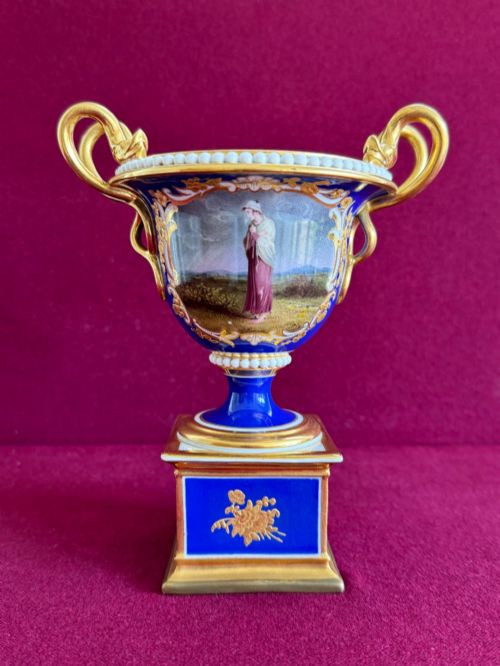
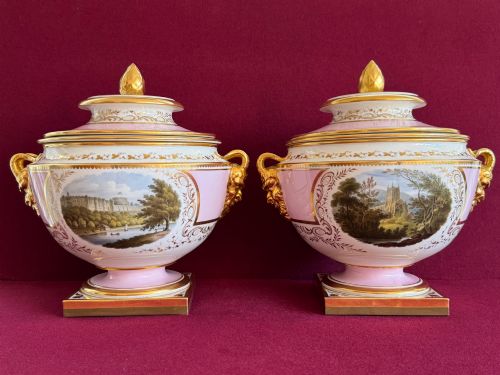
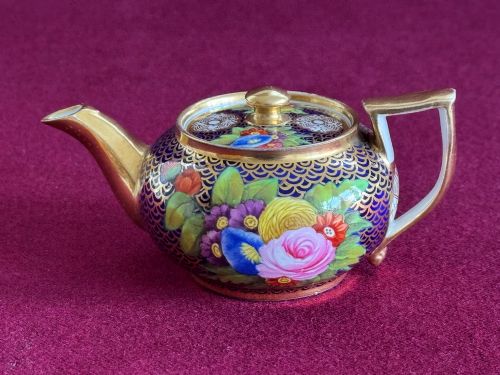
The selection ranges from early soft-paste porcelain tea canisters decorated with polychrome flowers to bone china plates and Regency period cabinet trios. Pieces reflect stylistic shifts from rococo curves to classical restraint, with forms adapted for tea drinking and dessert service.
Materials and Technique
Potters utilised soft-paste porcelain, bone china, and pearlware, shaping bodies on wheels or pressing them into moulds to create fluted tea bowls, sauce boats, and pedestals. Early wares employ softer bodies prone to translucency variations, while later nineteenth-century pieces incorporate bone ash for durability.
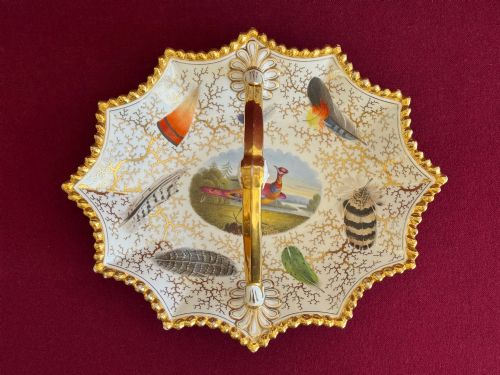
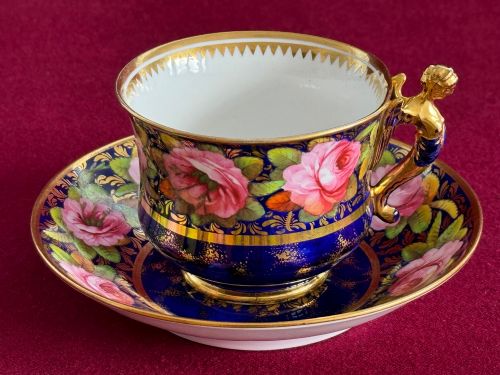
Decorators applied enamel colours by hand, often combining polychrome floral motifs, birds, and botanical studies with gold leaf and gilding. Pieces passed through kilns to fix the painted oxides and precious metals onto the glazed surfaces.
Some early eighteenth-century bowls include tiny hidden painted insects inside the rim to surprise tea drinkers at the final sip.
Execution and Detail
Quality separates through the precision and delicacy of the hand-painted brushwork, distinguishing skilled botanical or avian studies from repetitive factory output. Finer examples display balanced polychrome palettes, clean gilding application, and well-modelled forms without excessive kiln distortion.
The prestige of the manufactory also influences standing, with products from Worcester periods, Chelsea, or named porcelain works commanding particular interest for their body formulation and glaze stability.
Grainger Lee And Co·Flight Barr And Barr·H And R Daniel·Richard Chaffers·Chamberlain Worcester·Newhall·John Rose·Hicks And Meigh
The Georgian Hand Painted Porcelain Glossary
- Soft-paste porcelain
- An artificial porcelain body composed of white clay, glass frit, and ground glass, fired at lower temperatures than hard-paste porcelain. This material characterises much eighteenth-century English production.
- Bone china
- A porcelain body containing bone ash, invented to increase strength and whiteness while allowing thin-walled vessel construction. It became standard for tea and dessert wares in the nineteenth century.
- Cabinet trio
- A matched set consisting of a teacup, coffee cup, and saucer designed for display in a cabinet rather than functional service. These often feature elaborate hand-painted patterns.
- Gilding
- The application of gold leaf or powdered gold suspended in medium to ceramic surfaces, fixed by firing. Artisans used this technique to highlight rims, handles, and borders.
- Polychrome
- Decoration employing multiple distinct enamel colours applied by hand. This method allowed makers to render naturalistic flowers, birds, and landscapes.
Georgian Hand Painted Porcelain: Frequently Asked Questions
How do I identify a Dr Wall Worcester piece?
Dr Wall period pieces, produced at the Worcester manufactory during the eighteenth century, typically feature fine soft-paste bodies and delicate hand-painted floral or exotic bird motifs. Look for crescent marks, square seal marks, or early blue underglaze signatures on the base.
These wares often display characteristic fluting and rich enamel colouring, though handling requires care due to the softer nature of the early porcelain composition.
Can I use antique tea bowls for drinking tea?
While these pieces were made for domestic service, most collectors treat eighteenth and early nineteenth-century porcelain as cabinet or display items. The glazes can harbour microscopic crazing, and old enamel pigments are vulnerable to modern detergents.
Hand washing in lukewarm water without abrasive materials is essential if occasional use is preferred. Storing them safely prevents chipping on delicate handles and rims.
How do Regency styles differ from earlier Georgian porcelain?
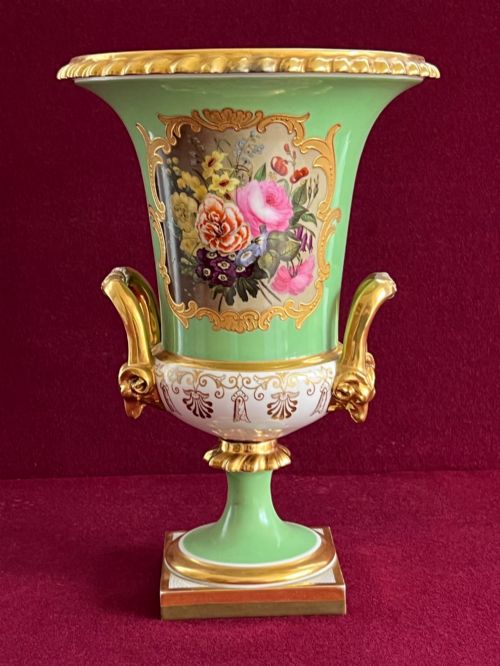
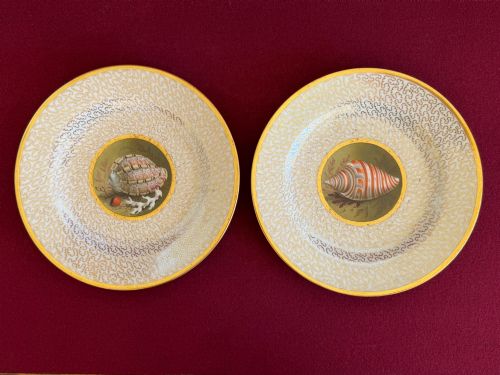
Regency porcelain shifts away from ornate rococo scrolls towards classical shapes influenced by Greek and Roman forms. Pedestal vases, campana urns, and botanical plates become more prominent alongside crisper gilding and botanical accuracy.
The adoption of bone china during the Regency period also allowed for whiter backgrounds and sharper painted detail than earlier soft-paste bodies.