
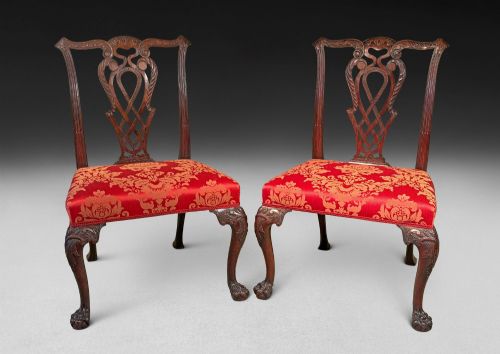
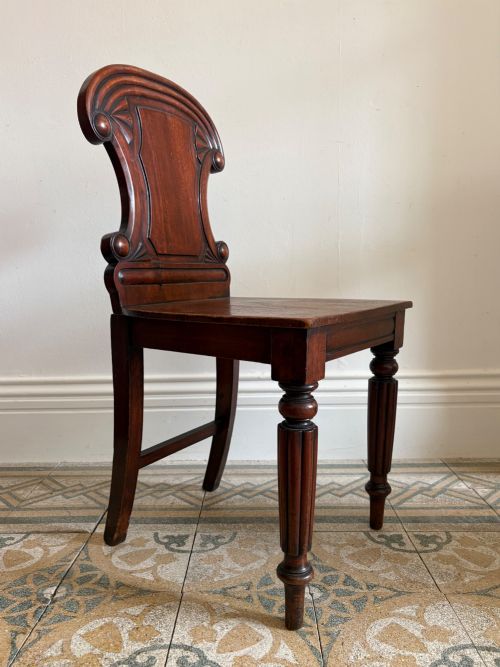
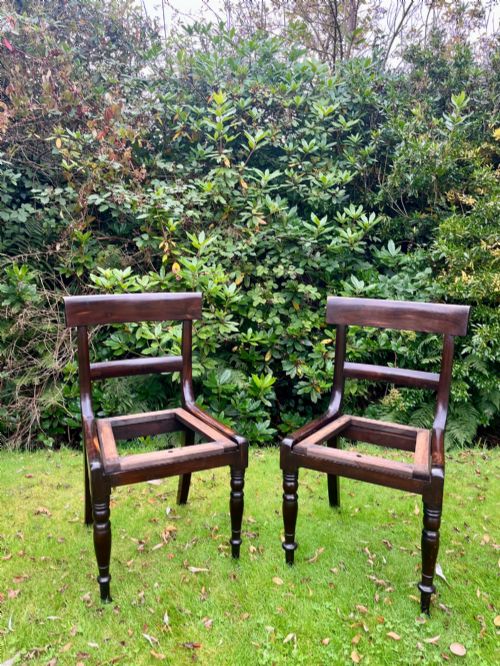
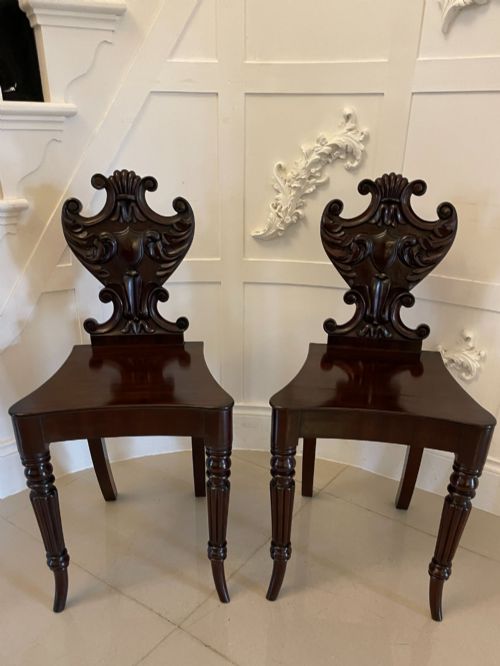
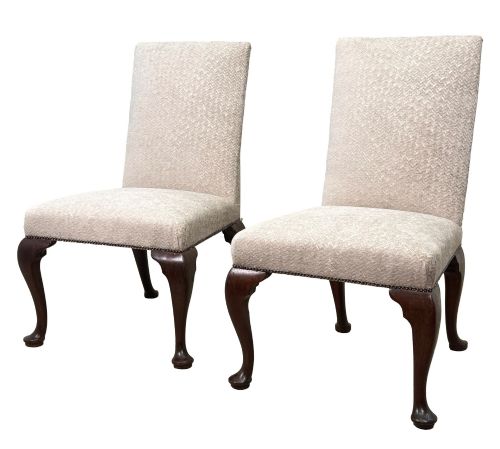
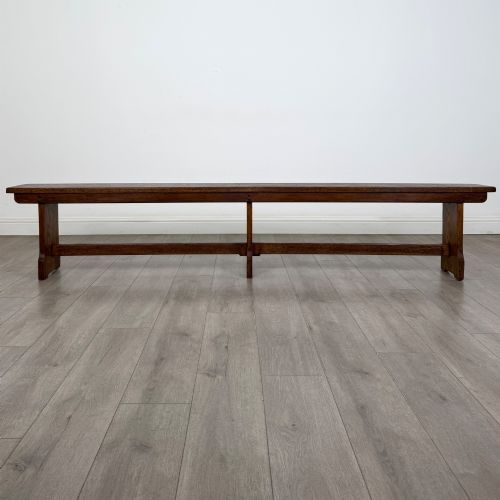
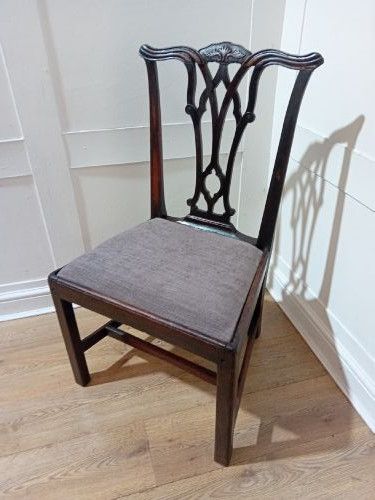

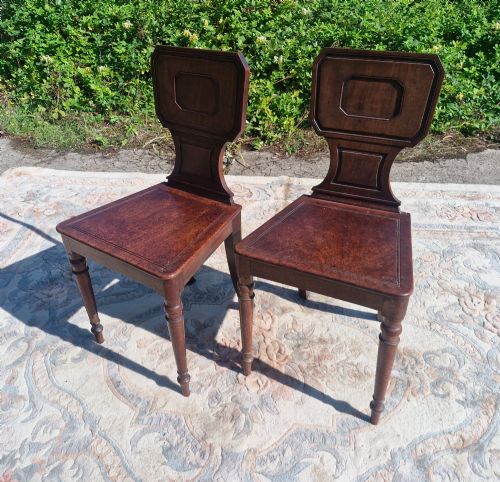
Georgian Hall Seating
Georgian hall seating encompasses benches, settles, and chairs designed for grand entrances, offering durable function and period character.
Georgian Hall Seating
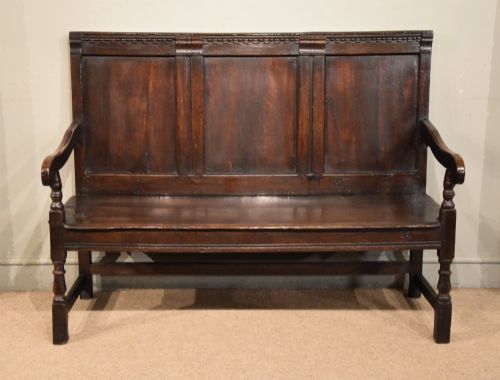
Georgian hall seating comprises utilitarian and formal furniture types made for entryways and corridors, ranging from single side chairs to long benches and settles. The selection includes pieces from the 18th century, Regency period, and 19th century, reflecting varied domestic requirements.
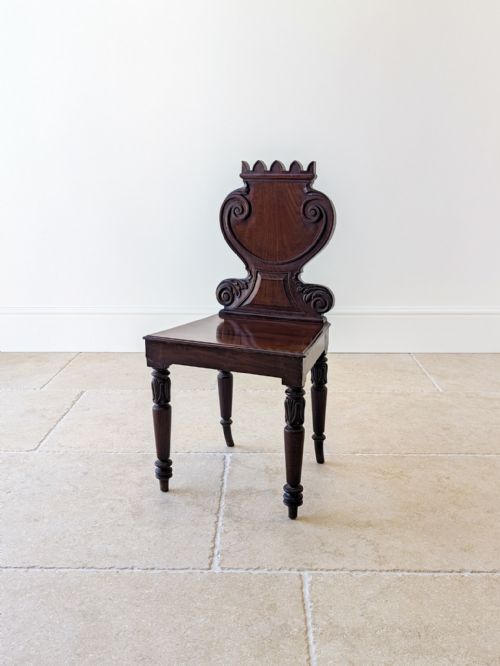
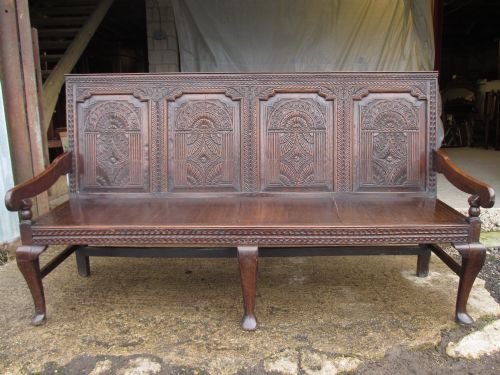
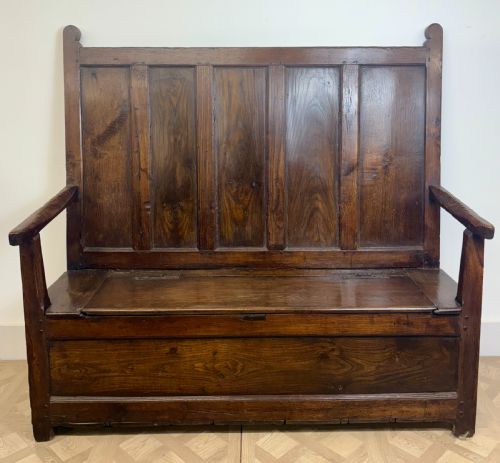
Settles and box settles appear frequently in oak, pine, and ash, providing enclosed seating designed to block drafts in older hallways. Alongside these, mahogany and walnut hall chairs and side chairs present carved shield backs, armorial motifs, and painted finishes originating from Georgian and Regency styles.
Materials and construction
Makers utilised solid native timbers, predominantly oak for early country settles and mahogany for formal Regency hall chairs, supplemented by walnut, ash, pine, and elm. Construction relied on traditional joinery methods appropriate to the heavy use expected in hallways.
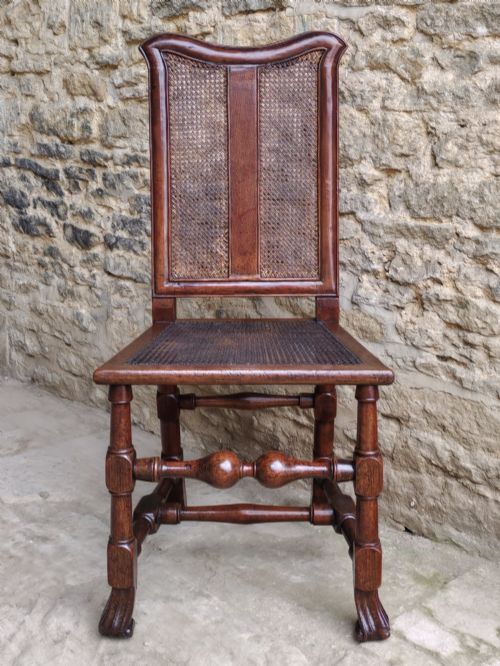
Surface treatments range from waxed and polished natural wood grains to painted, ebonised, and simulated rosewood finishes. Caning and fabric upholstery appear on selected seats, while carved or inlaid details define the decorative scheme of specific chairs and benches.
The inventory records significant examples in mahogany, oak, and painted pine, spanning periods from the 18th century through to the Regency era.
Craftsmanship and integrity
Quality depends on the crispness of carved armorials, shields, and tulip decorations, alongside the retention of original surface finishes like paint or wax. Higher grade pieces display refined proportions and superior timber selection, whether figured mahogany or dense early oak.
The integrity of the original structure, including the joinery of box settles and the tautness of cane seats, distinguishes well-preserved examples from heavily altered pieces. Original components, such as early hardware and unblemished panel backs, elevate the standing of the work.
The Georgian Hall Seating Glossary
- Settle
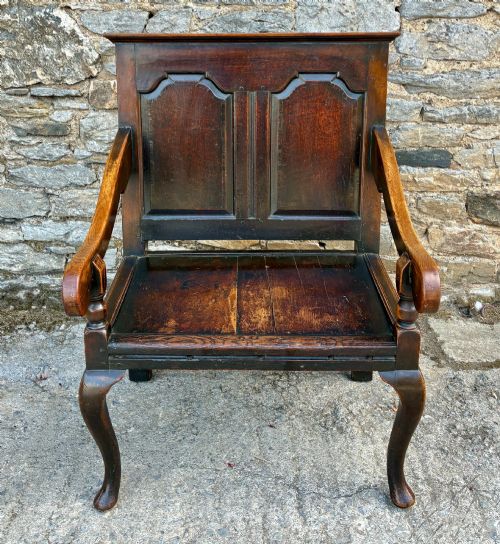
- A wooden bench with a high back, solid arms, and often a built-in box storage compartment beneath the seat. This form protected sitters from draughts in hallways.
- Hall Chair
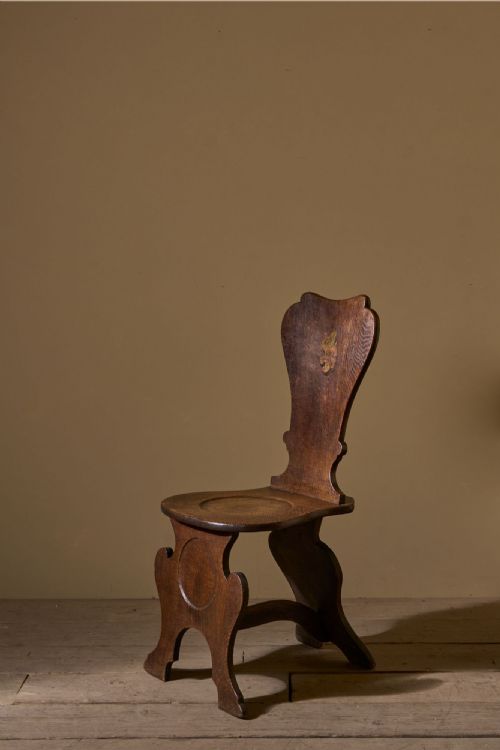
- A rigid wooden seat placed in an entryway, typically featuring a solid carved back and designed for brief usage. These pieces frequently display family crests or painted armorials.
- Box Settle
- A variant of the settle featuring a hinged seat forming a enclosed chest underneath for storage. These items are commonly constructed from oak or pine.
- Shield Back
- A chair back shaped like a heraldic shield, popular during the Georgian period. This design allowed for intricate carved ornamentation.
- Window Seat
- A long bench designed to fit within a window recess, sharing formal design traits with hall benches of the Regency era.
Georgian Hall Seating: Frequently Asked Questions
What is a Georgian settle?
A Georgian settle is a high-backed wooden bench built with solid arms and frequently a box base for hallway storage. These items provided practical seating while shielding occupants from cold draughts.
They appear in sturdy timbers like oak and pine, reflecting both vernacular country workshops and formal domestic settings.
How do you use a hall chair today?
Hall chairs serve well in narrow spaces, entryways, or as decorative accent pieces in reception rooms. Their upright wooden construction makes them ideal for temporary seating rather than lounging.
Their striking carved or painted backs also allow them to function as sculptural elements against a wall.
What woods were used for hall seating?
Makers constructed hall seating from domestic hardwoods and softwoods depending on regional availability and fashion. Oak and pine dominate vernacular settles, whilst mahogany and walnut feature in formal Georgian and Regency chairs.
Elm, ash, and satinwood also appear across specific regional and decorative pieces in the selection.
How do I date a hall bench?
Dating relies on stylistic markers such as shield backs, saber legs, or panelled construction, alongside timber characteristics and wear patterns. Georgian pieces often display classical proportions and rich mahogany grain, whereas earlier vernacular settles show robust oak joinery.
Examining the construction methods underneath provides further clues to the manufacturing period.